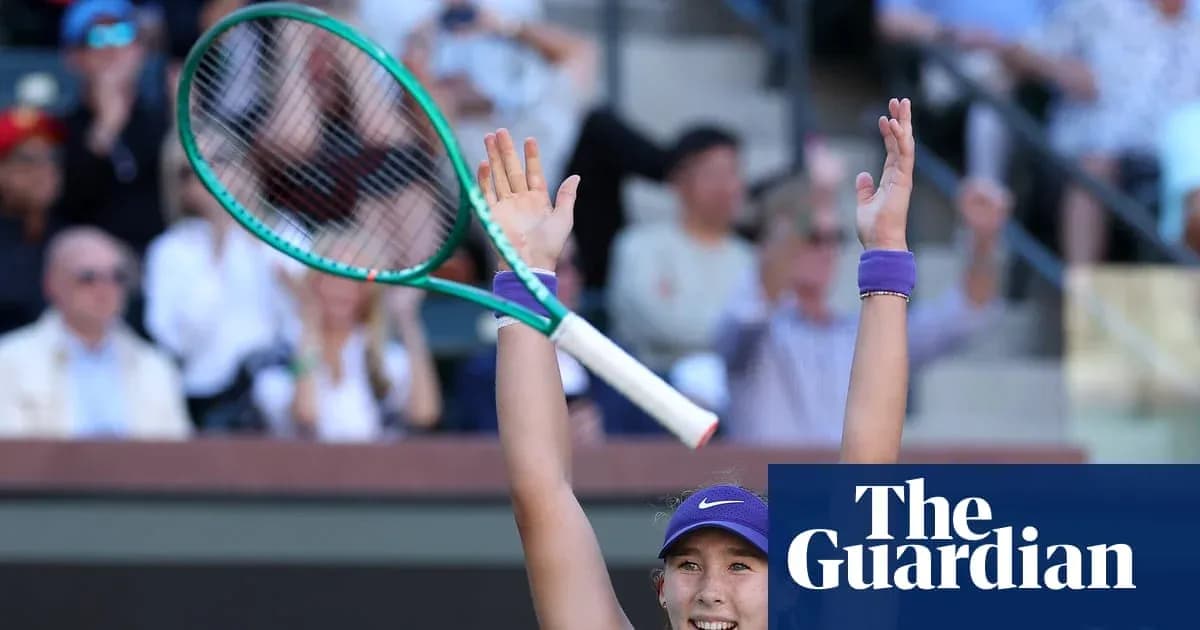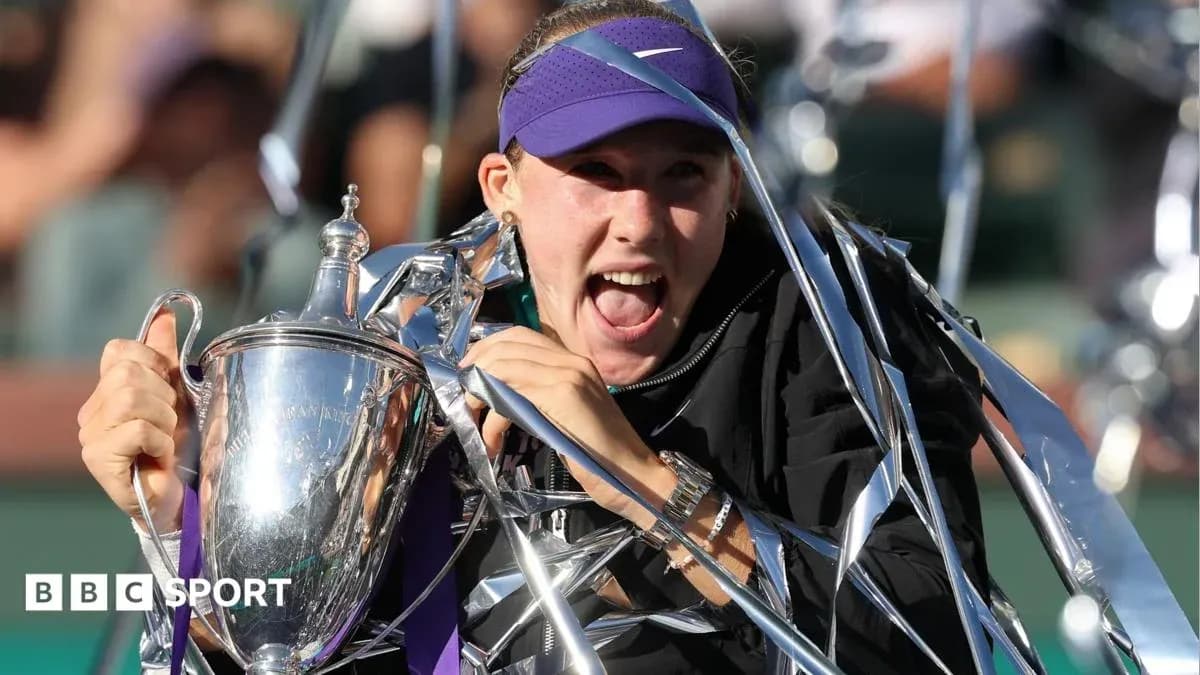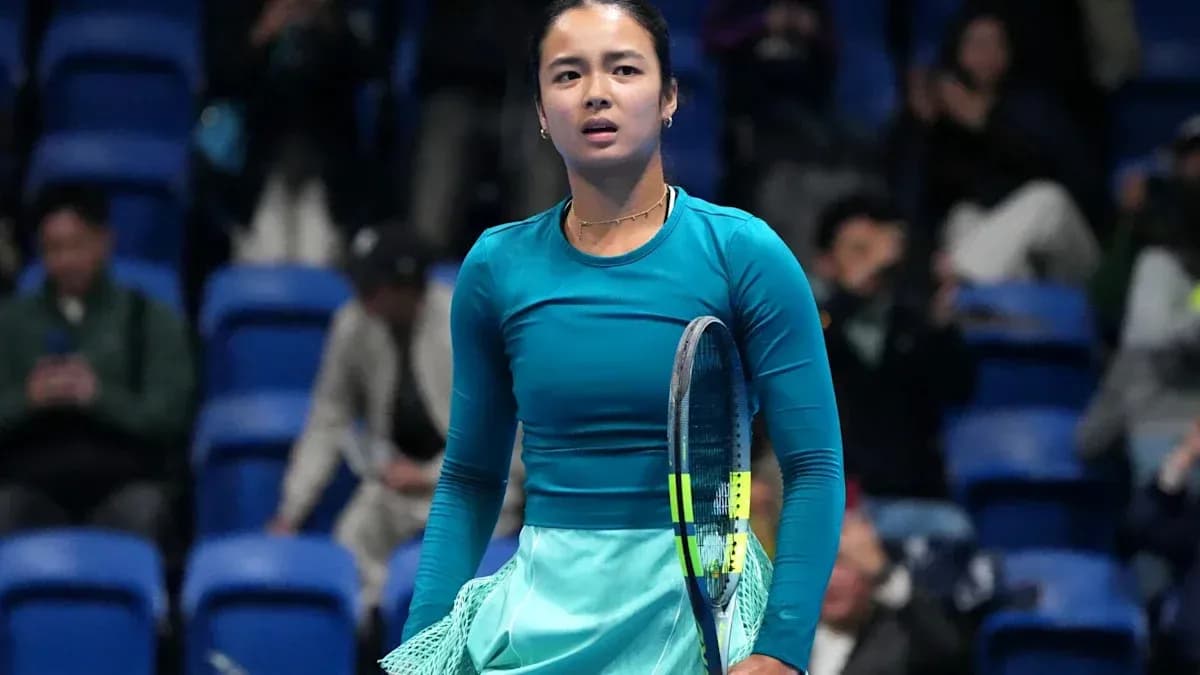
Alex Eala Faces Diana Shnaider in Tokyo Quarter-Finals
Alex Eala walks back into a familiar storm in Tokyo, and she knows exactly where the damage came from last time.
Seven days ago in Ningbo, the Filipino star was picked apart by Diana Shnaider, 7-5, 6-4, in their first-ever meeting. The scoreline looked tight. The dynamics were not. Shnaider feasted on a vulnerable serve and broke Eala six times, exposing the one flaw that still trails a season of genuine breakthrough.
Now they meet again, this time in the quarter-finals of the Tokyo Open, with Eala carrying both scars and solutions.
A breakout year with one glaring question
On paper, 2026 has been the year Eala truly arrived.
A first WTA title at the Washington Open. A run to the fourth round at Wimbledon. A surge into the top 20. These are not the markers of a promising youngster anymore; they are the signposts of a player stepping into the sport’s elite.
Yet even as the results stack up, the conversation around her game keeps circling back to the same point: the serve.
Against Shnaider in Ningbo, that weakness was impossible to ignore. Eala’s first-serve percentage hovered just above 50%, and she won barely more than half of those points. Under that kind of strain, every service game became a rescue mission. Shnaider, ruthless and left-handed, broke her six times and never really let go of the scoreboard.
Technical fixes to the motion, the toss, the rhythm – those are off-season projects. Tokyo is about survival, not reconstruction.
A glimpse of the serve she needs
The encouraging part for Eala is that the serve she needs to beat Shnaider has already appeared this week.
In Tokyo, she fought her way past Mika Stojsavljevic and then delivered something far more telling against Talia Gibson: nine aces, the most she has hit in any match this season. The numbers behind that performance mattered as much as the highlight reel. Her first-serve percentage climbed, her first-serve points won rose sharply, and for once she dictated with the opening shot instead of scrambling after it.
Gibson is not Shnaider. The Russian is a heavier hitter, a more aggressive returner, and a more established presence on this level. But Shnaider’s quality should not affect whether Eala lands the first serve in the box. That part is entirely in Eala’s hands.
If she can reproduce the Tokyo serving template rather than the Ningbo version, the dynamic of the rematch changes immediately. Fewer second serves. Fewer defensive starts to rallies. More chances to swing first.
The left-handed puzzle
There is another layer to this rivalry that Eala cannot ignore.
She is left-handed. So is Shnaider. And that has been a problem.
Eala has yet to beat any of the left-handers currently ranked inside the top 100. The patterns she uses so effectively against right-handers – the wide slider on the ad side, the cross-court forehand into the backhand – don’t bite as hard when the angles are mirrored back at her. The comfort she usually feels setting up points disappears when the opponent is feeding her the same spins, the same awkward trajectories, from the other side of the net.
Shnaider exploited that in Ningbo, dragging Eala into forehand exchanges that suited the Russian and forcing her to serve into uncomfortable spots under pressure.
So Tokyo is not just about a sharper first serve. It is about solving the lefty riddle: finding safer patterns, picking better targets, and refusing to get pinned into the same cross-court trades that cost her a week ago.
Revenge or repeat?
The stage is set cleanly. Same opponent. Same matchup. Different city. Different stakes.
Eala arrives in the Japanese capital as a top-20 player with a title and a Wimbledon run behind her, but with a very specific test in front of her: can she turn a known weakness into at least a neutral factor, if not a weapon, when it matters most?
If the serve from the Gibson match shows up and the lefty patterns start to click, this quarter-final could look nothing like Ningbo.
If not, Shnaider knows exactly where to strike again.