Alex Eala Faces Tough Road at US Open 2023
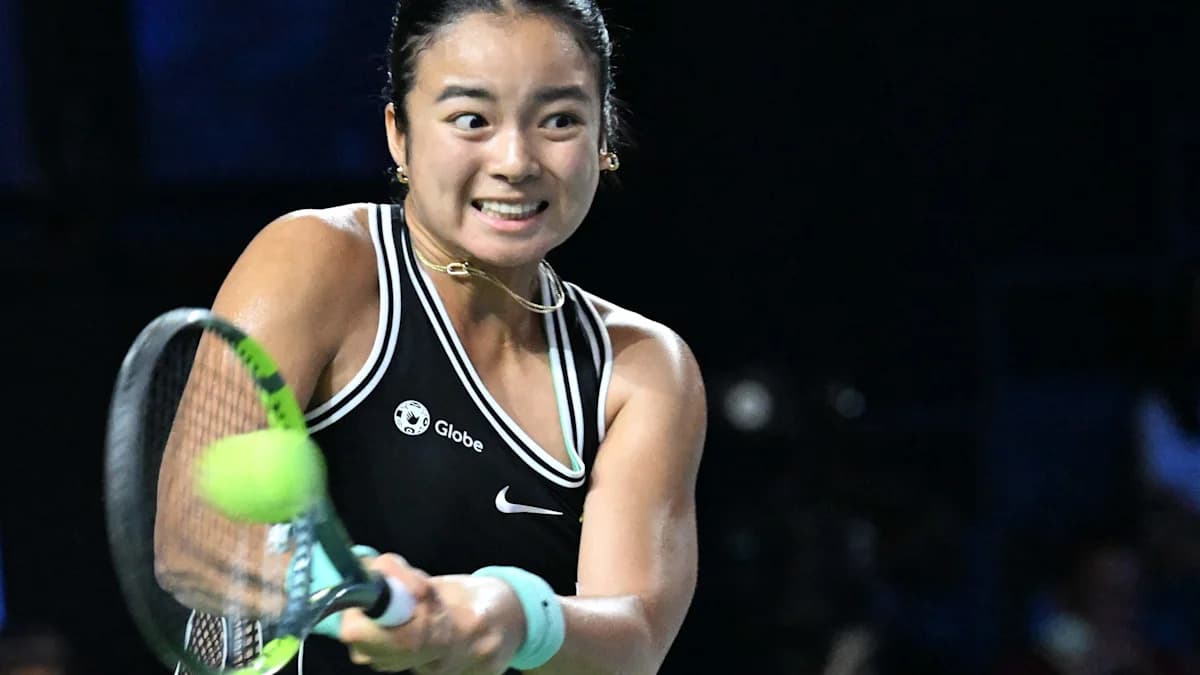
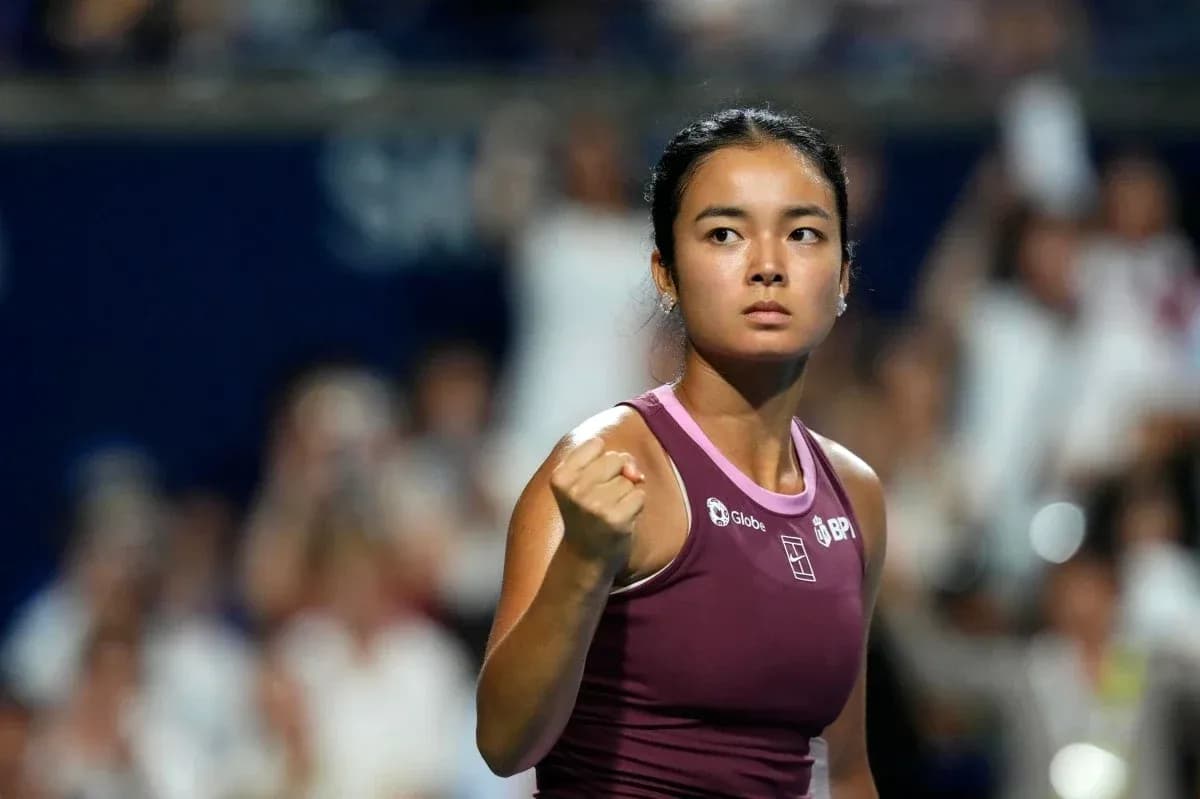
Alex Eala walks into New York with something she has never carried at a Grand Slam before: a target on her back.
The 21-year-old Filipina arrives at Flushing Meadows as the No. 17 seed at the US Open, the highest Grand Slam seeding of her young career and a clear marker of how far and how fast she has climbed. It eclipses her previous best of No. 25 at Wimbledon and plants her firmly in the conversation, not as a dark horse, but as a genuine threat.
The draw has not given her any favors. It rarely does for rising stars.
Eala opens against a qualifier in the bottom half of a stacked field, a section loaded with players who have already proven they can go deep at majors. Among them lurks last year’s finalist and current 10th seed Amanda Anisimova, one of several serious obstacles between Eala and a second-week surge.
First Round
Win the first round, and the road sharpens quickly.
Waiting in the second round would be the winner of the clash between Oleksandra Oliynykova of Ukraine and American wildcard Reese Brantmeier. There is history with one, mystery with the other.
Eala and Oliynykova met as recently as May at the WTA 500 event in Strasbourg. That day, the Ukrainian edged her in a three-set opening-round battle, a bruising contest that underlined both Eala’s growing game and the fine margins at this level. If they meet again in New York, it comes with an added layer: revenge.
Brantmeier, on the other hand, is an unknown quantity for Eala. They have never faced each other on the WTA Tour, a wildcard in every sense. For a seeded player with expectations, that kind of unfamiliarity can be as tricky as a top-10 opponent.
Deeper in the Draw
And that is only the early traffic.
Deeper in the draw, the names get heavier and the storylines richer. Good friend and 14th seed Iva Jovic could stand across the net in a later round, turning camaraderie into competition on one of tennis’ biggest stages. Anastasia Potapova, a two-time Grand Slam doubles quarterfinalist, brings the kind of big-match experience that can flip a tight encounter.
Then come the major champions.
Jelena Ostapenko, the 2017 French Open winner, remains one of the most dangerous shot-makers in the game when her radar is locked in. Mirra Andreeva, the 19-year-old reigning French Open champion, already plays with the authority of a player built for the biggest arenas. If the draw unfolds as it might, Eala could have to go through both emerging and established elite to keep her New York run alive.
Nothing about this path is soft. Nothing about it is supposed to be.
Benchmark at the Majors
Eala’s benchmark at the majors is now the fourth round, a barrier she first broke at Wimbledon a few months ago. That run in London reset expectations. The task in New York is simple to describe and brutal to execute: go one better.
She does not arrive cold.
Eala hits the US Open riding the wave of an outstanding North American swing, highlighted by a breakthrough WTA title at the Mubadala DC Open. That week in Washington, she did not just collect wins; she collected scalps.
- Zheng Qinwen.
- Last year’s champion Leylah Fernandez.
- Second seed Elina Svitolina.
- Four-time Grand Slam champion Naomi Osaka.
- 2024 US Open finalist Jessica Pegula.
One after another, Eala took them down, each victory tightening her grip on belief and sending a message across the locker room: this is no longer a prospect; this is a problem.
That title run changed the way opponents look at her. It also changed the way a draw like this feels. Seeds, champions, home favorites—Eala has beaten that profile of player in recent weeks. The question is whether she can reproduce that level across two demanding weeks in New York.
Her preparation has not been confined to singles.
Eala also tuned up with a mixed doubles stint alongside Canadian Felix Auger-Aliassime, a partnership that ended in defeat to the husband-and-wife duo of Gael Monfils and Elina Svitolina. The loss will not define her summer, but the experience—sharing a court with seasoned campaigners, managing big-venue energy—feeds into the broader education she is rapidly compressing into one season.
Now Comes the Real Test
Flushing Meadows has a way of stripping away hype and exposing foundations. Eala arrives with form, with seeding, with momentum. The draw offers danger at every turn, but it also offers something else: a stage big enough to match her ambition.
Is this the moment she turns promise and one breakthrough title into a full-blown Grand Slam statement? New York is about to find out.