Alexandra Eala's Breakout Season: A Unifying Force in Tennis
The colors kept bursting from every corner of the court at Victoria Park, a rolling tide of flags and shirts and homemade banners as Alexandra Eala walked out to serve. It felt less like a WTA final and more like a homecoming parade that had somehow been dropped into the middle of Hong Kong.
For a sport forever hunting for the next standard-bearer, the 21-year-old left-hander from the Philippines has become something rarer: a unifying figure for an archipelago of more than 110 million people, many of them watching from far beyond its shores.
This season, she gave them a year they will not forget.
A breakout season that changed everything
Eala began 2024 as world No. 53, a promising name on the fringes of the elite. She ends it ranked No. 15, the highest position ever held by a Filipino and by any Southeast Asian player in WTA history. That leap did not happen quietly.
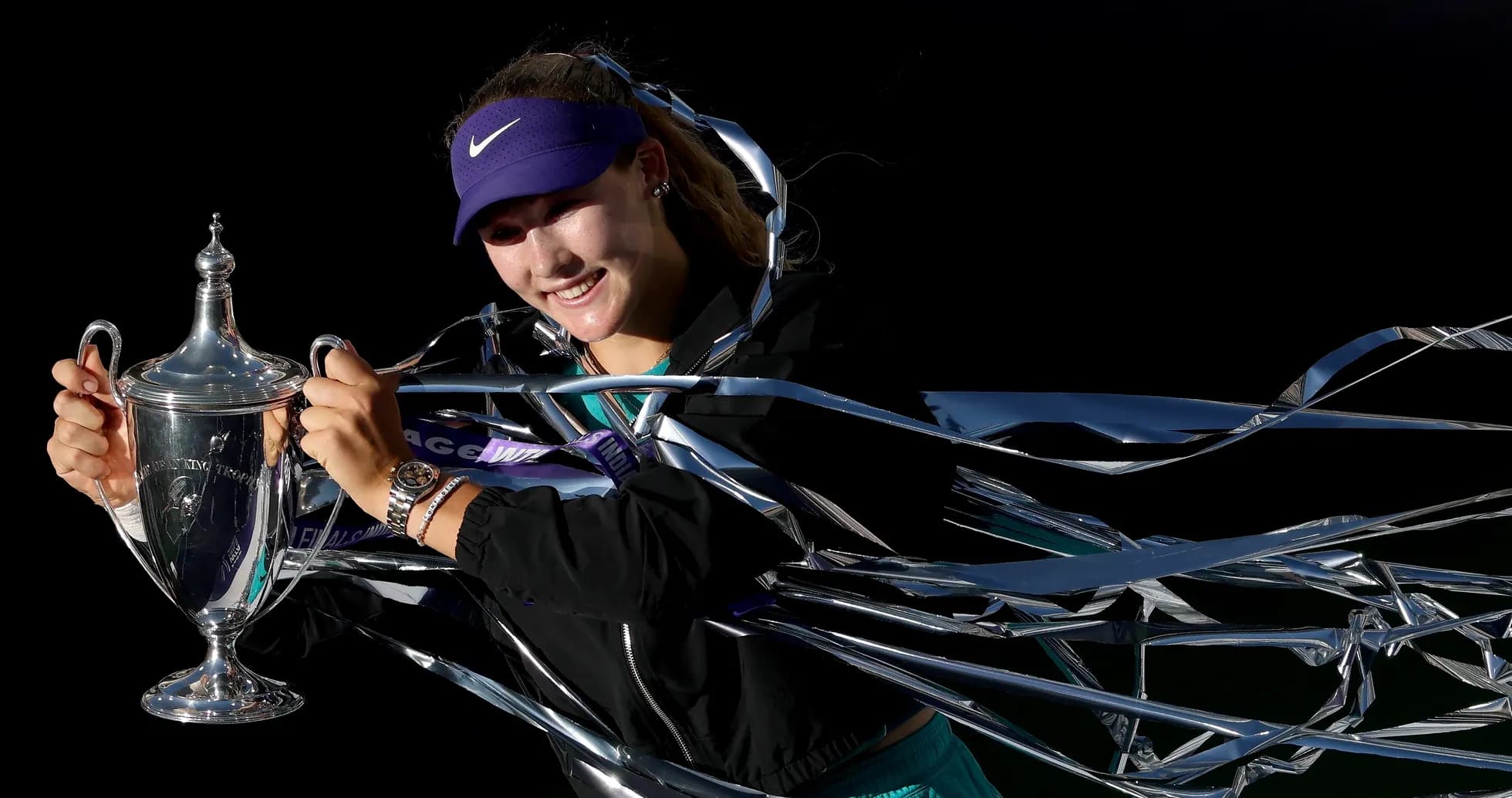
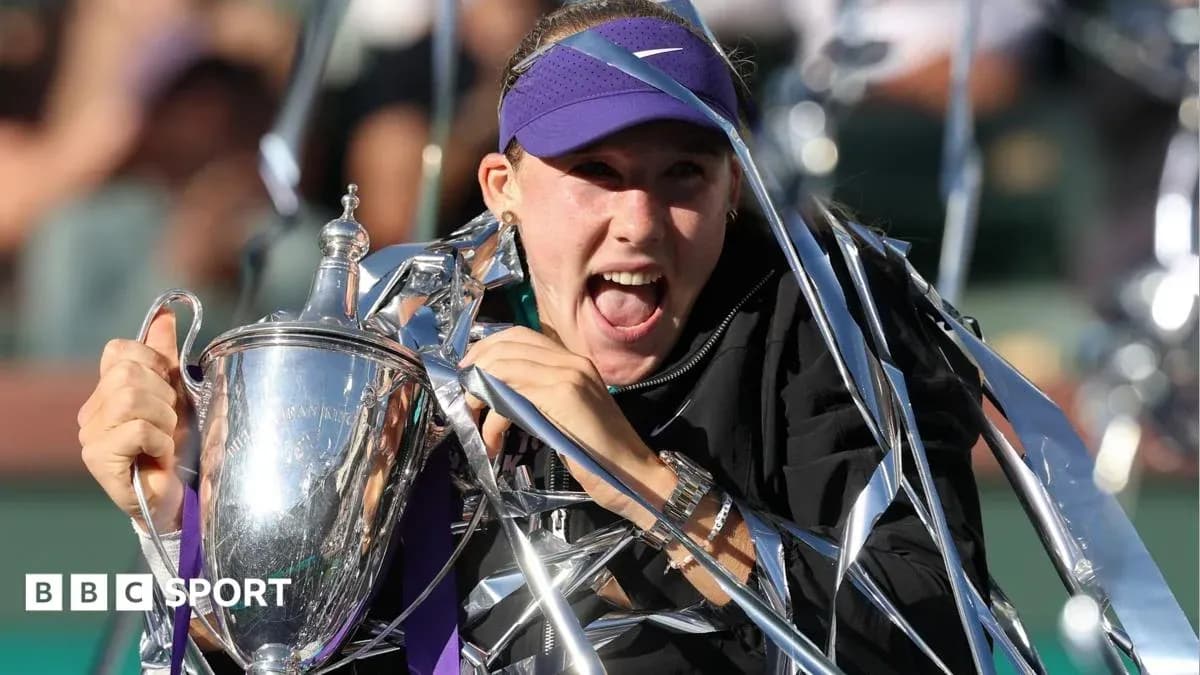
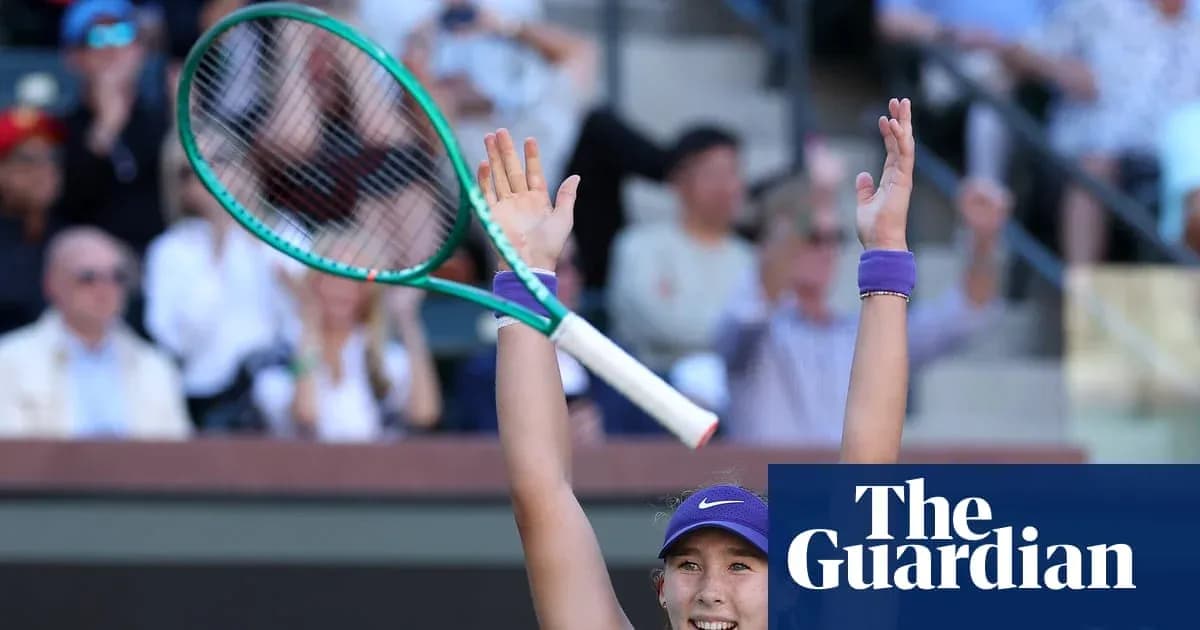
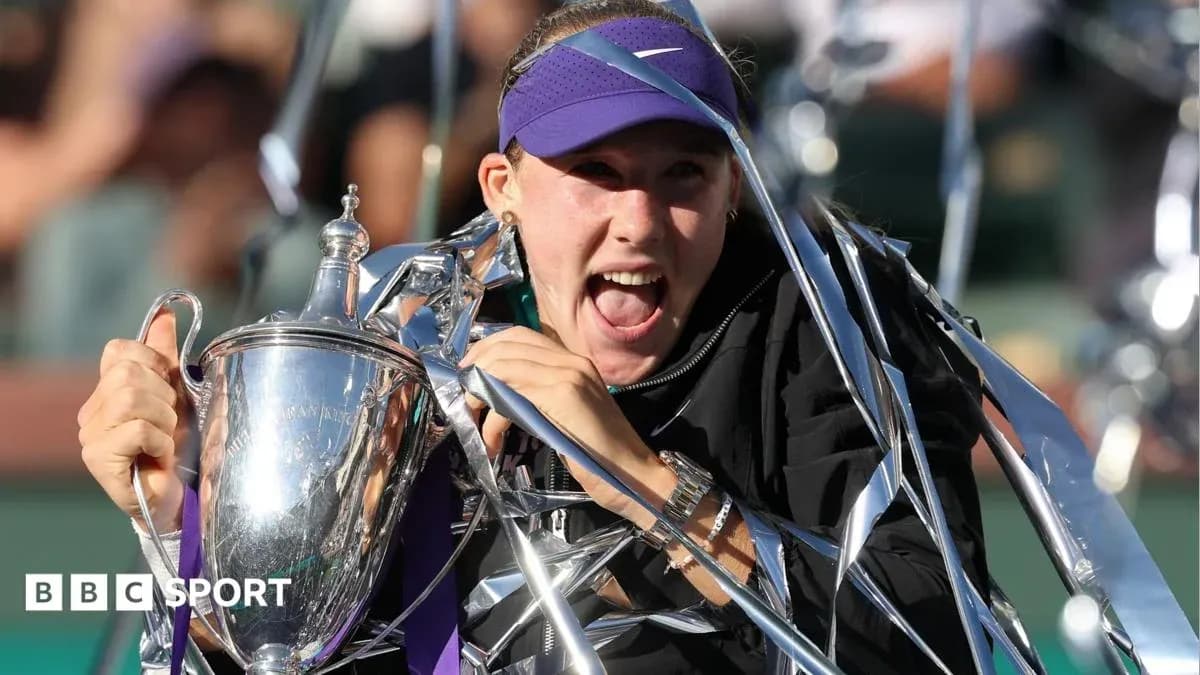
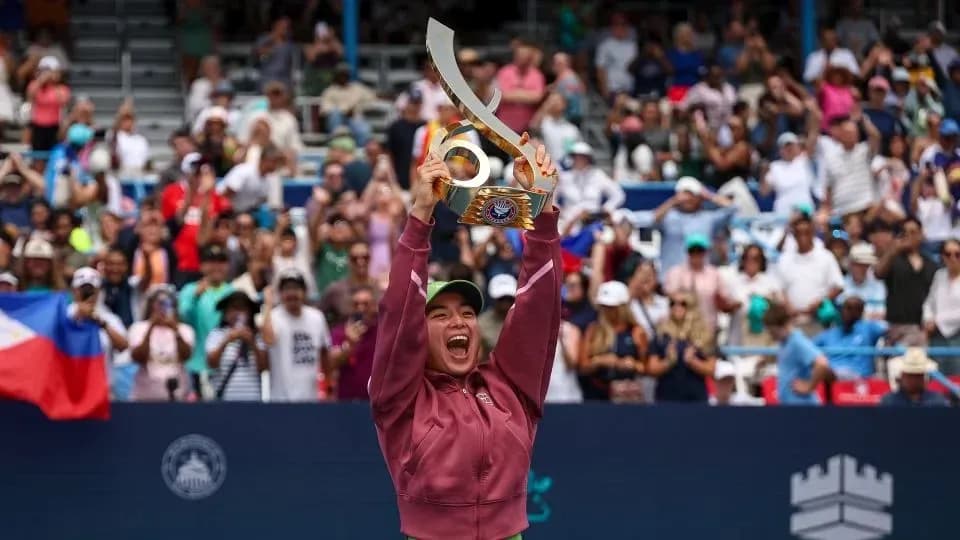
On the grass of Wimbledon, she stunned defending champion Iga Świątek in the third round, ripping through one of the game’s dominant forces and planting her flag on the sport’s grandest lawn. In August in Washington, she outplayed Jessica Pegula to capture the Washington Open, becoming the first player from the Philippines to win a WTA Tour singles title.
The results kept coming, the belief growing. Her final tournament of the season, the Prudential Hong Kong Tennis Open, pushed her ranking into that historic top-15 mark. The climb has been rapid, but it has also been relentless.
"I think that the expectation rises, but so does the demand in terms of what the sport demands of you and what the level demands of you," she told CNN Sports. The words were measured, but the reality behind them is brutal: every win makes the next one harder.
She knows it. She leans into it.
"I just look forward to having another season full of hardship, full of joy, and hopefully full of success," she said, sounding more like a veteran than a newcomer, fully aware that the grind is part of the bargain.
Tears in Hong Kong, but no dimming of the light
Her bid for a second WTA title this year fell one match short in Hong Kong. On paper, the final reads as a straightforward defeat: Claire Liu, 26 and composed, wrestled control of a tight early battle, then ripped off nine straight games to close out a 6-3, 6-0 win in an hour and 33 minutes and lift her first WTA trophy.
The scoreline was harsh. The occasion was anything but.
"This season has changed my life," Eala told the crowd, tears gathering as she addressed the fans after the loss. "It has changed my life for the better. I am incredibly proud of the work we have put in this year. We are the only ones who truly knew what it took to arrive at this point in our journey."
Liu, who had just played the villain in front of a wildly partisan crowd, understood the weight of what she had walked into.
"I can't speak for everyone, but playing against Alex is one of the hardest things because of the crowd. No matter where she goes, she always has so many supporters, which I think is really great in general for tennis," she said afterward.
The pressure finally told in the match. It did not crack Eala’s season.
A nation on tour
Wherever Eala plays, a little piece of the Philippines seems to materialize around her. Tickets vanish. Flags multiply. The chants grow familiar. For a player whose life now runs on airport lounges and hotel rooms, that traveling pocket of home has become a constant.
In Hong Kong, the support felt almost overwhelming. The city is home to more than 200,000 Filipinos, many of them Overseas Filipino Workers. On finals day, they poured into Causeway Bay and the fan zone at Victoria Park: domestic workers on their lone day off, families who had flown in from Manila, schoolchildren who stayed out late on a weeknight just to see her swing a racket.
"We idolize her for her resilience, same as an OFWs who never give up," said Lids Romero, a domestic worker who spent her only free Sunday watching the final, speaking to CNN Sports.
"You can really feel the unity and support of Filipinos," added Moy Volante, who traveled with his family from the Philippines to watch the tournament. He said he admired Eala’s determination to push through difficult matches, a trait he hopes his daughter will carry.
Eala feels it all, every drumbeat and cheer.
"I love their passion," she said. "They really support me without fail in so many tournaments."
Around the grounds, it showed. Groups of Filipino domestic workers, young professionals and students clustered in the stands and at the fan zone, staying until late as her matches stretched into the night. Young girls waved hand-drawn banners and placards that read, "Let's Go! Alex," their faces painted, their voices hoarse.
"I want them to get inspiration from Alex," said Marlon Avines, there with his three daughters. "The grit, persistence and giving pride to the country."
For many of those girls, Eala is not just a tennis player. She is proof that someone who looks like them, who comes from where they come from, can stand on the same stages as Świątek and Pegula and win.
Eala wants them to chase that feeling, in tennis or beyond.
She has encouraged girls and young women who look up to her "to pursue whatever makes them happy." As she told CNN Sports: "I think it's better to go through the hardships doing what you love, and you can always come back to that when things get difficult."
From "Lolo Bob" to the big time
The polished star on center court is the product of a long, often lonely journey.
Eala started swinging a racket as a preschooler, guided by her late grandfather, "Lolo Bob," who first turned tennis into a family ritual. What began as a pastime hardened into something much more intense. On Maria Sharapova's podcast, she once described her relationship with the sport as an obsession, like having a "crush on perfection."
The results arrived early. In 2018, as a 12-year-old wild card, she won Les Petits As, the prestigious under-14 event that has long served as a launchpad for future stars. It was the moment the wider tennis world circled her name.
A few months later, just after turning 13, she left Manila for Mallorca on a scholarship to the Rafa Nadal Academy. New country. New language. New life. For a teenager, it was a wrenching step. For an athlete with her ambitions, it was non-negotiable.
She flourished on the junior circuit. In 2020, she captured her first junior grand slam title at the Australian Open in girls' doubles. Two years later, she etched her name into history again, becoming the first Filipina to win a junior grand slam singles title when she lifted the US Open trophy in 2022. She had already turned pro in March 2020, trying to balance the demands of two worlds.
The trophies and rankings have changed. The standards she sets for herself have not.
"I've learned to push my limits," she told CNN Sports. "I've learned a lot about what my limits are … and the bar can always be raised."
Fashion rows, center courts, and what comes next
Eala’s rise has spilled beyond the tramlines. In September, she traded tennis whites for high fashion, taking a front-row seat next to Anna Wintour at New York Fashion Week for the Michael Kors and Tory Burch shows. It was another signal of how far her profile has stretched in such a short span: from junior prospect to cultural figure.
Yet the core remains the same: a young player trying to turn a breakthrough year into a career.
This season delivered a first WTA title, a top-15 ranking, landmark wins over some of the sport’s biggest names and a place in history for her country and region. It also delivered heartbreaks, like the Hong Kong final, that will sit with her all winter.
The expectations around her will only grow. The tour will keep testing her. Opponents will circle her name on the draw sheet.
She welcomes it. She has already called for another season "full of hardship, full of joy, and hopefully full of success."
The obsession with perfection that started with "Lolo Bob" on childhood courts now meets the unforgiving reality of the top of the game. The bar, as she says, can always be raised.
How high she can push it is no longer a distant question for the future. It is the central storyline of her career, and of a nation that has decided to follow her every step of the way.