Alexandra Eala Aims for Tennis Record at Philippine Arena
Alexandra Eala is going home, and she might take a world record with her.
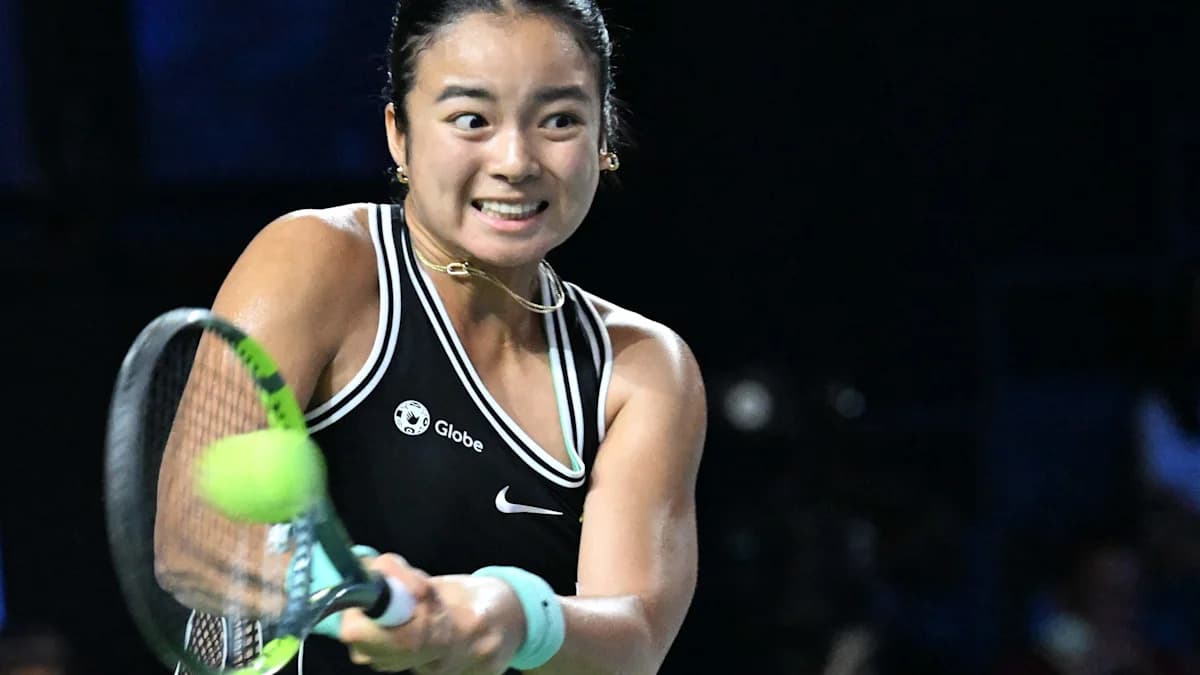
On December 8, the Filipina star will headline an exhibition billed as “Game Set Celebrate” at the Philippine Arena, facing Indonesia’s Janice Tjen in what is being positioned as a landmark night for tennis in the country.
This is not a modest homecoming. It is an audacious one.
The Philippine Arena, a vast indoor bowl better known for concerts and major events, can hold around 55,000 spectators. If Eala’s supporters fill it as expected, the night could eclipse the current tennis attendance record of 51,954 set by Roger Federer and Rafael Nadal in South Africa in 2020.
That is the scale of the ambition: a 19-year-old from the Philippines stepping into an arena once reserved for the sport’s global icons and chasing a number owned by Federer and Nadal.
Eala’s fanbase has made this kind of move feel almost inevitable. Wherever she plays, she draws a crowd, often outnumbering the support for far more established names. On the current tours, only Brazilian prospect Joao Fonseca rivals her for sheer traveling noise and color from the stands.
So the logic is simple. If she can command that kind of following abroad, why not give her a stage at home big enough to match the noise? For many in the Philippines, this will be the first chance to see her live, without a passport, without a long‑haul flight, without watching on a screen at odd hours.
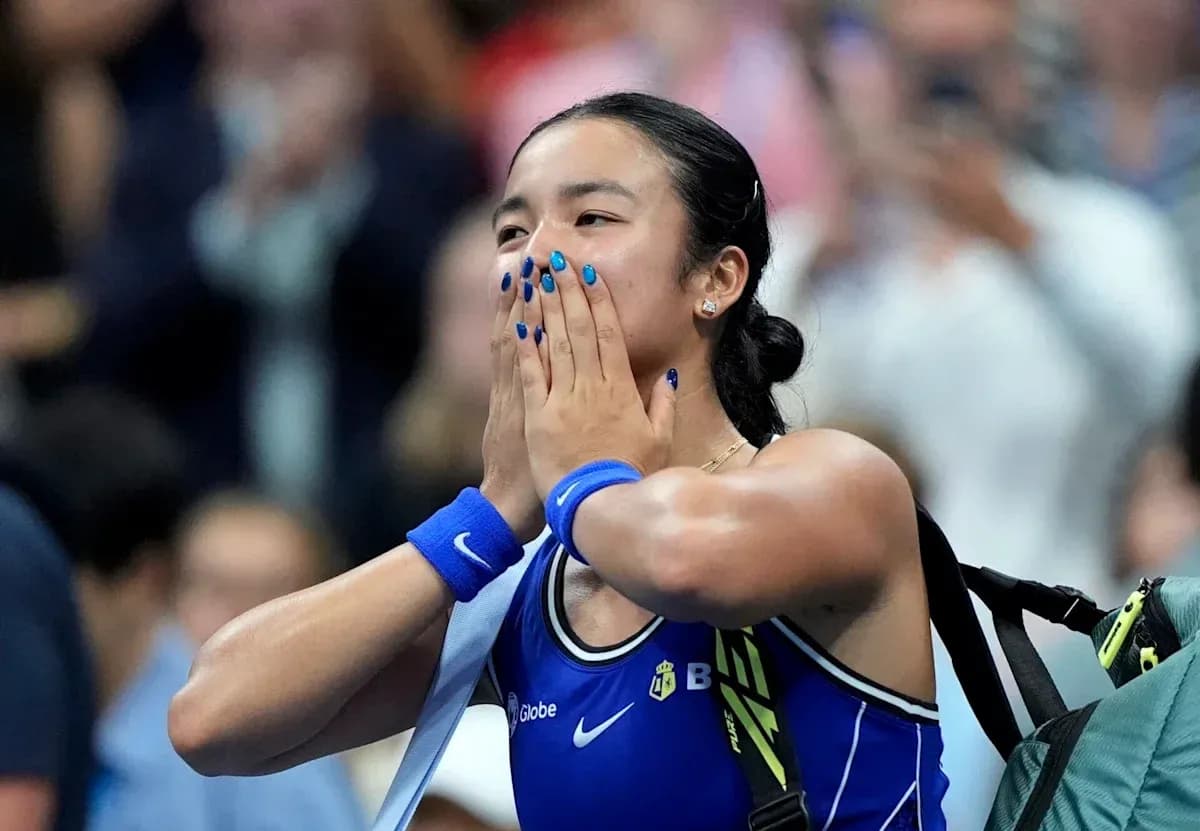
The timing comes as her profile surges globally. Her victory over Iga Swiatek at Wimbledon on July 4, 2026, at the All England Lawn Tennis and Croquet Club, underlined just how quickly she is climbing. The image of Eala celebrating on the London grass, a Philippine flag in the stands, traveled fast. It also sharpened the sense that she is no longer just a promising junior or regional hope, but a genuine force on the WTA Tour.
At home, her impact runs deeper than rankings and results. Eala has become an entry point to tennis for an audience that, for years, looked elsewhere. Many of her new followers did not grow up tracking Grand Slams or obsessing over seedings. They are coming for her—her energy, her fight, her story—and discovering the sport along the way.
She makes it easy to invest. Eala plays with a tenacity that fits neatly into the national sporting psyche: relentless, emotional, unwilling to let a point go quietly. Her “never-say-die” approach has turned casual observers into full‑throated fans. On court, her instincts stand out—reading patterns early, stepping in on short balls, attacking second serves with conviction.
Her game is also evolving at pace. The return of serve has become a genuine weapon, allowing her to neutralize bigger hitters and flip rallies in an instant. The one glaring weakness is no secret: her serve. By tour standards, it remains among the slowest, a clear area for improvement if she wants to consistently challenge the very best. Yet that vulnerability only sharpens the intrigue. Spectators see both the brilliance and the unfinished edges, and they sense how much room there still is to grow.
All of that—the roar of a home crowd, the rapid development of her game, the chance to etch her name next to Federer and Nadal in the record books—will converge in December under the lights of the Philippine Arena.
One night, one court, and potentially the biggest audience tennis has ever seen.