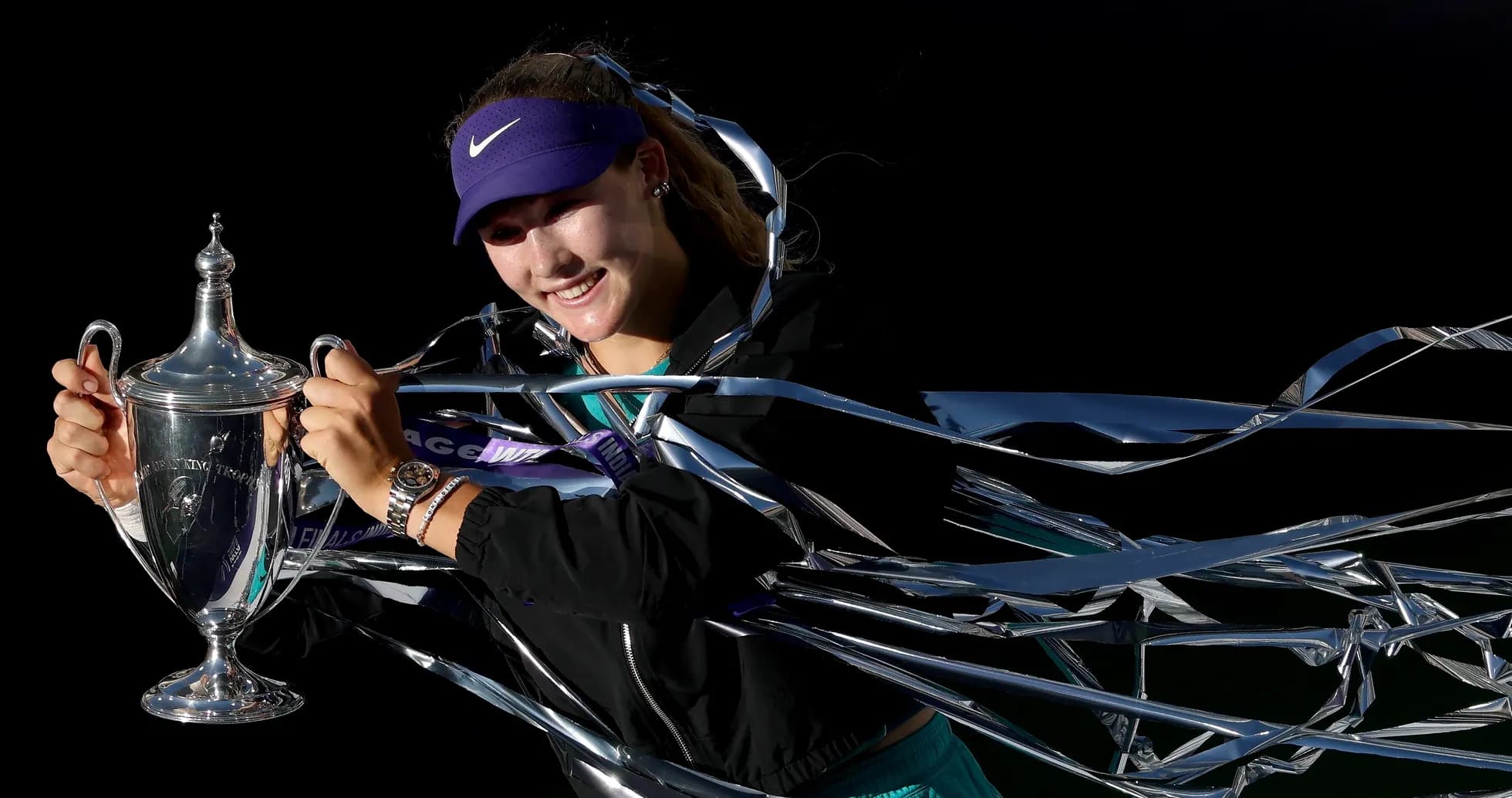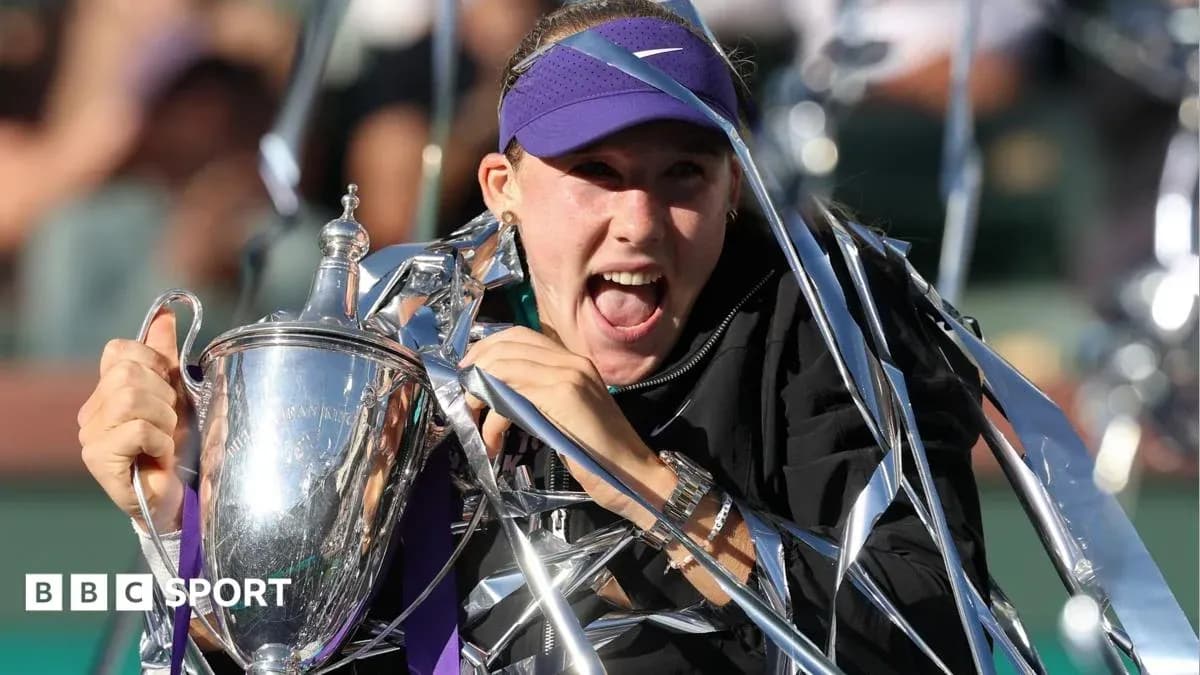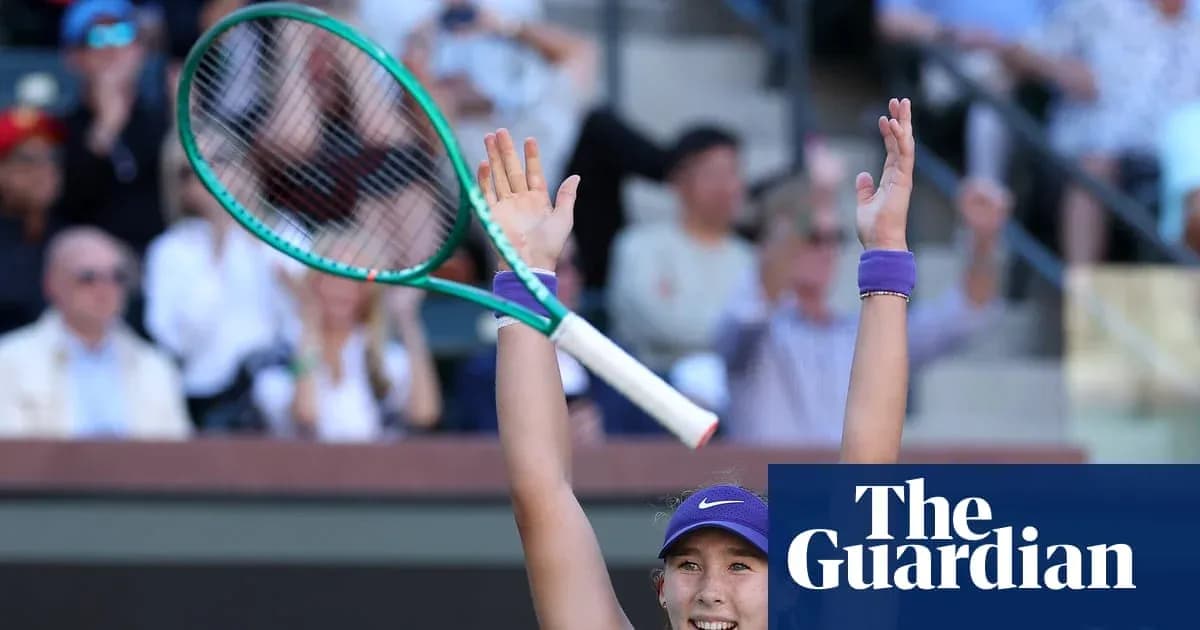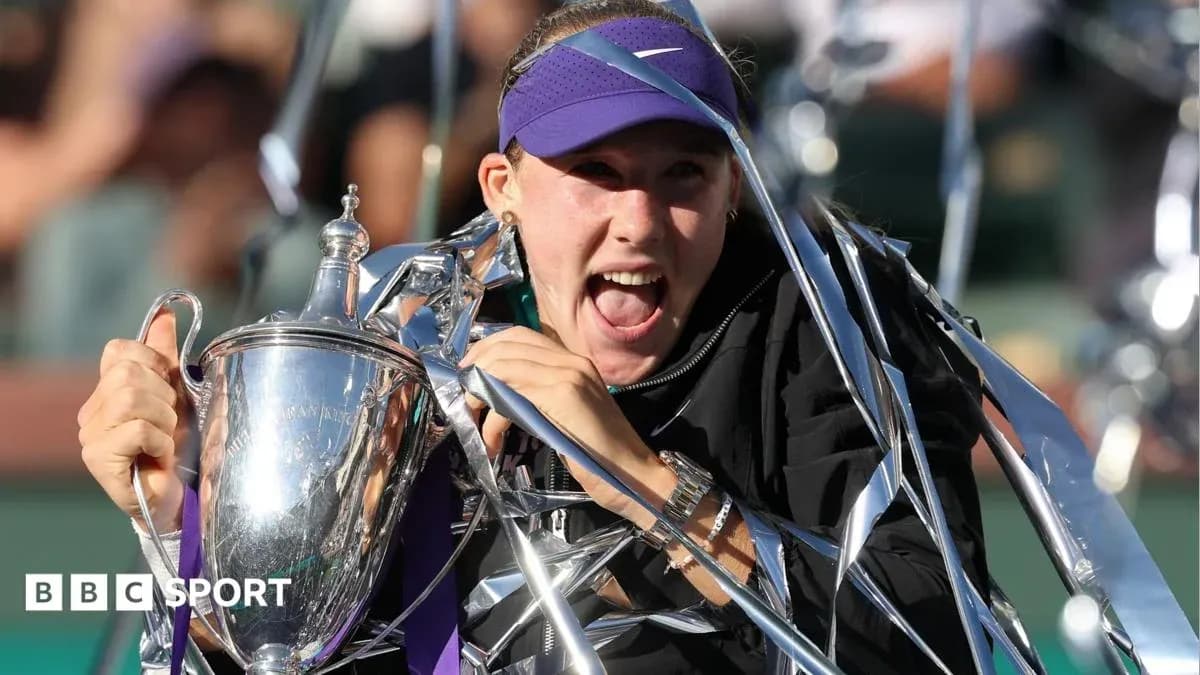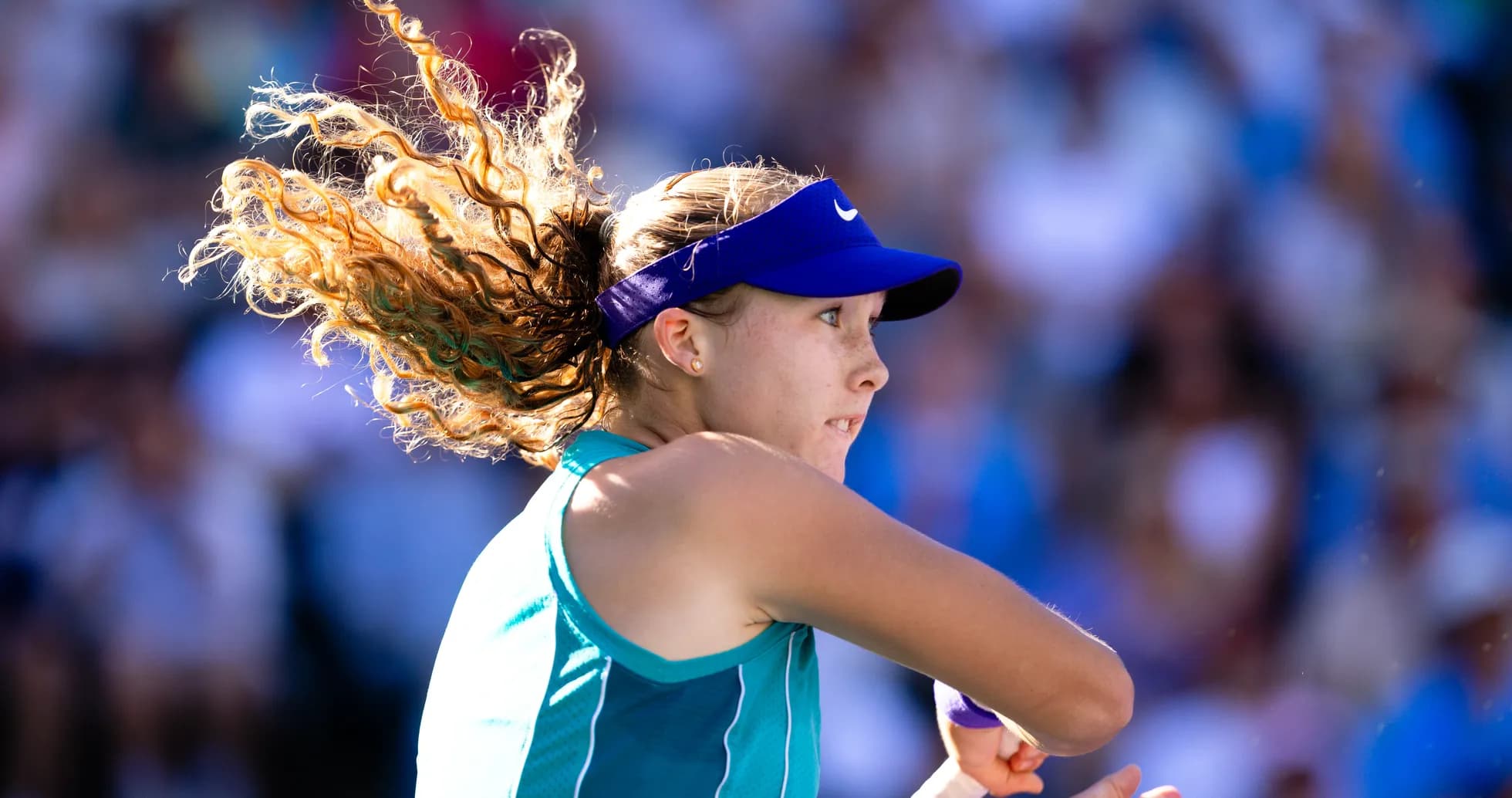
Andreeva vs Svitolina: A Bold Rematch at Indian Wells Finals
INDIAN WELLS, Calif. — The desert likes a sequel, and on Sunday it gets a bold one.
A week after Mirra Andreeva and Elina Svitolina opened their FAGE WTA Finals campaigns against each other, they walk back into the Indian Wells spotlight for the same matchup with everything on the line. Same opponents. Very different stakes. This time, the winner leaves with the trophy.
Their first act was brutal in its clarity. Andreeva dismantled Svitolina 6-4, 6-0 in the group stage, a scoreline that suggested a gulf in pace, timing and confidence. Since then, the teenager hasn’t dropped a set. She has moved through the draw like someone who never got the memo that these are supposed to be nervy, end-of-season matches.
Svitolina, though, didn’t fold into the background. She reset. Three straight wins since that opening defeat have dragged her all the way back into the final, her game sharpening with each round, her competitive edge returning to the surface.
History warns against reading too much into that first meeting. Since round-robin play returned to the year-end championships in 2003, seven finals have been rematches from the group stage. Four of those flipped the script in the decider. Familiarity can be dangerous. What looked like a mismatch one week can become a knife-edge contest the next.
So how do you pick this apart if you’ve lived these stages, owned them even? You ask Martina Navratilova and Pam Shriver, who between them know more about winning big matches than most locker rooms combined. Their views split neatly along the net.
Navratilova sees the match first through Andreeva’s serve, the shot that sets the tone. “She hits a 90 mph serve wide with a lot of slice, and then she hits 115 down the T,” Navratilova said. That contrast is the cruelty. One ball drags you off the court, the next rips straight through you. Returners guess, they stretch, they reach — and then the next wave hits.
“It’s hard to get into her service games, and then she jumps on your second serve,” Navratilova added. That’s the second layer of the problem. Even when you survive the first strike, Andreeva doesn’t let you breathe. She steps in, takes time away, and suddenly your own service games feel like rescue missions rather than platforms.
Shriver, naturally, leans into Svitolina’s side of the equation. What impressed her most in the semifinal was the renewed bite on the Ukrainian’s attacking patterns. “Her forehand was super aggressive, and her serve is so much more improved,” Shriver said. Those two pieces give Svitolina something she absolutely needs against Andreeva: the ability to dictate, not just absorb.
That feeds into a strength Svitolina has carried throughout her career. “She is one of the best anticipators of the ball. She reads the play beautifully,” Shriver noted. Against a player as unpredictable and fearless as Andreeva, anticipation becomes a weapon. If Svitolina can lean into that reading of the game, she can get to spots early, cut off angles, and turn defense into ambush.
So the final shapes up as a clash of sharp edges. Andreeva’s varied, heavy serve and ruthless return game against Svitolina’s improved first-strike tennis and world-class instincts. One trying to bully the rallies from the very first ball; the other trying to see the point before it fully forms.
Indian Wells has seen this kind of tension before — the rematch, the revenge angle, the young disruptor against the seasoned campaigner who refuses to go quietly. The numbers say the second meeting often tells a different story.
Now it’s up to Andreeva and Svitolina to decide whether this finale follows the pattern, or breaks it wide open under the California sun.