Andreeva Shines at WTA Finals Amid Controversy
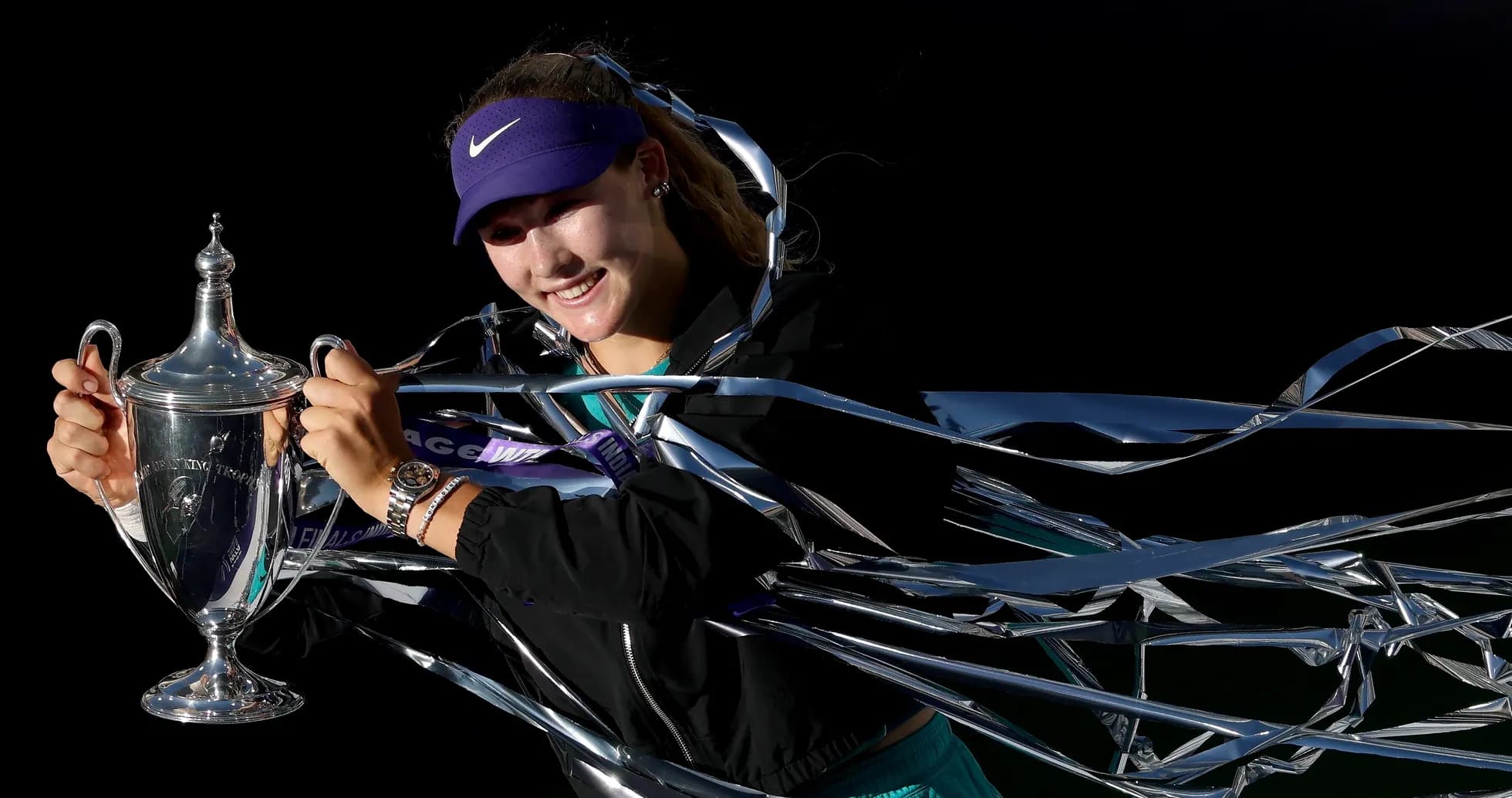
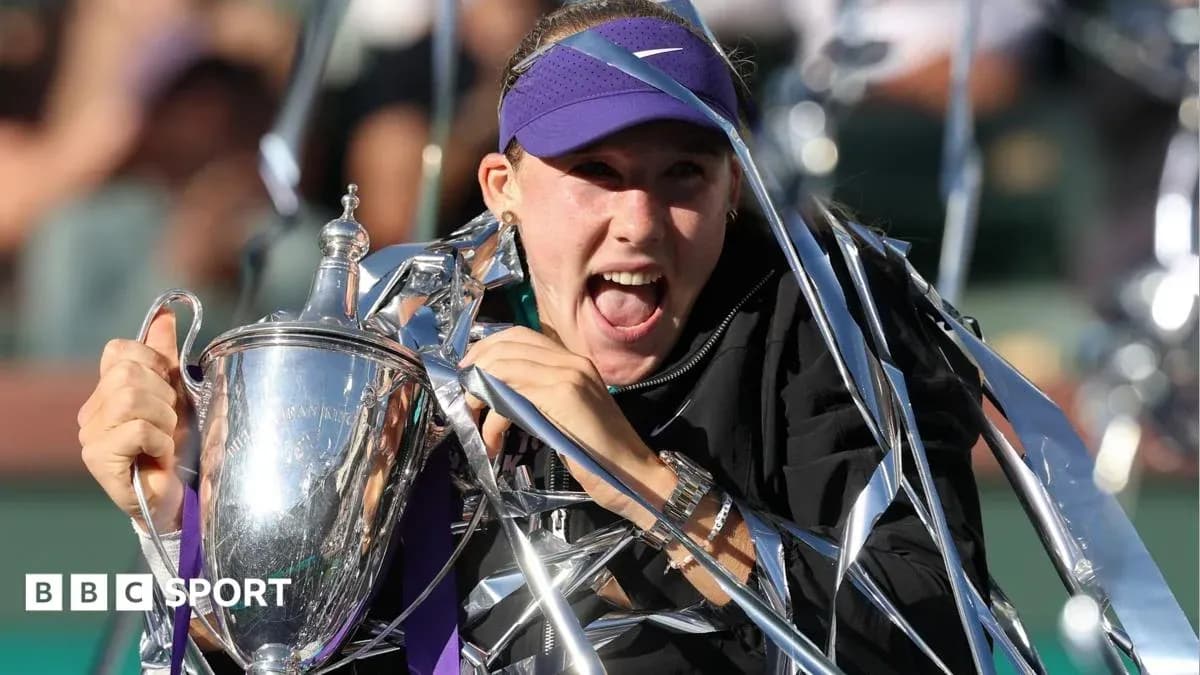
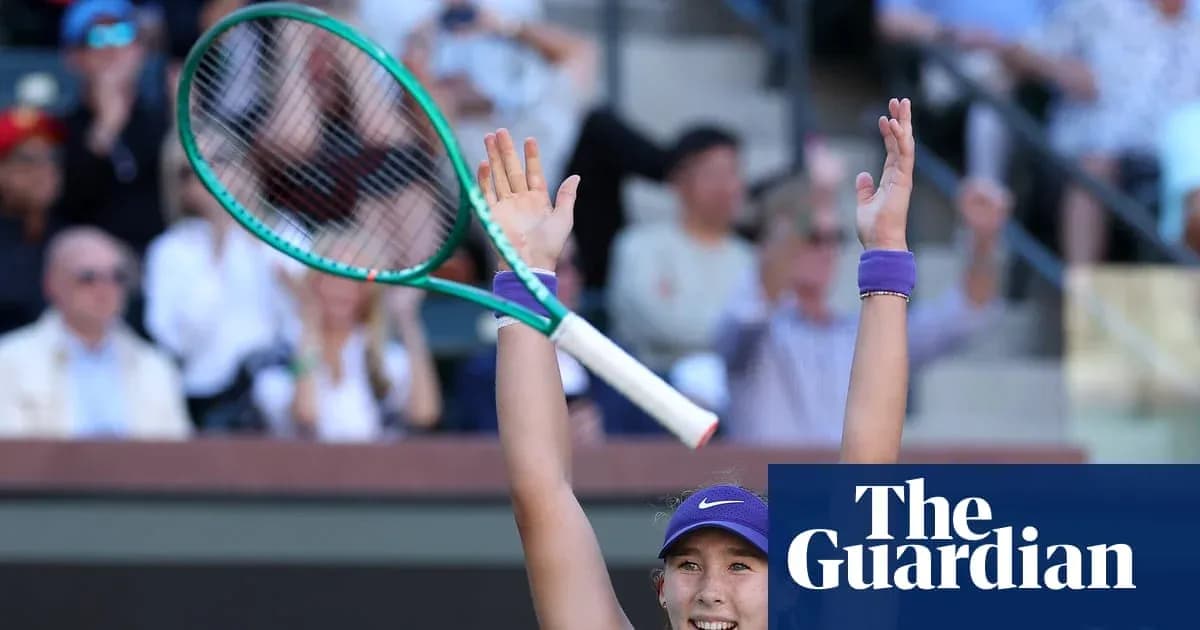
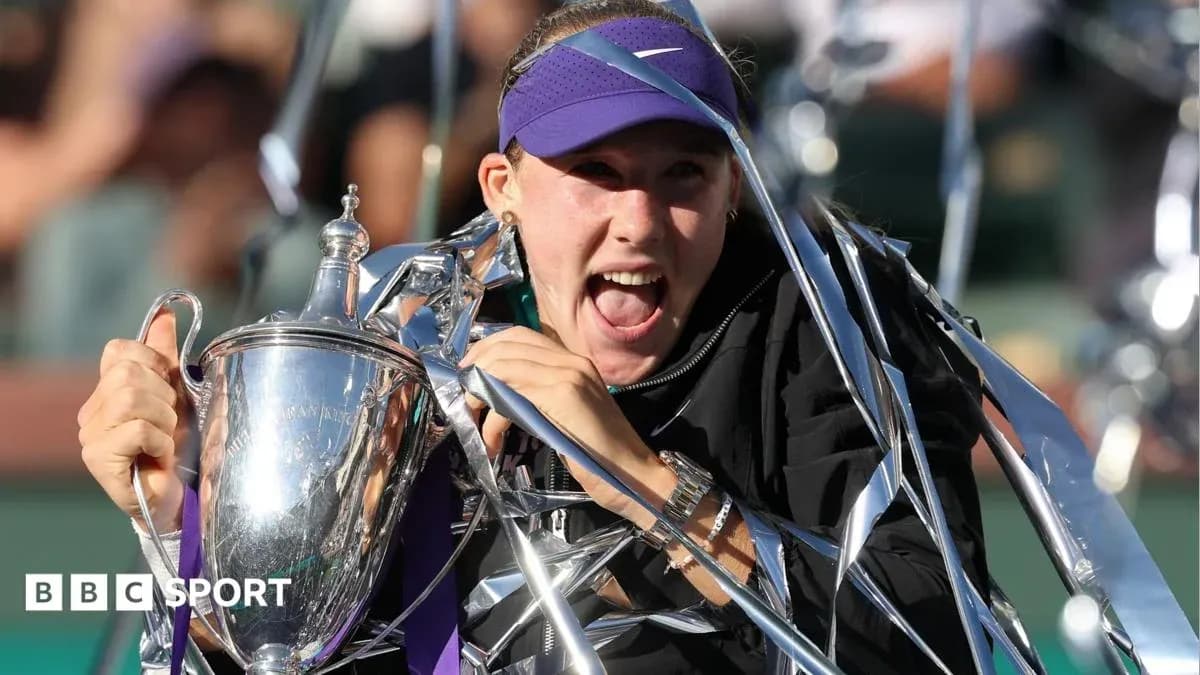
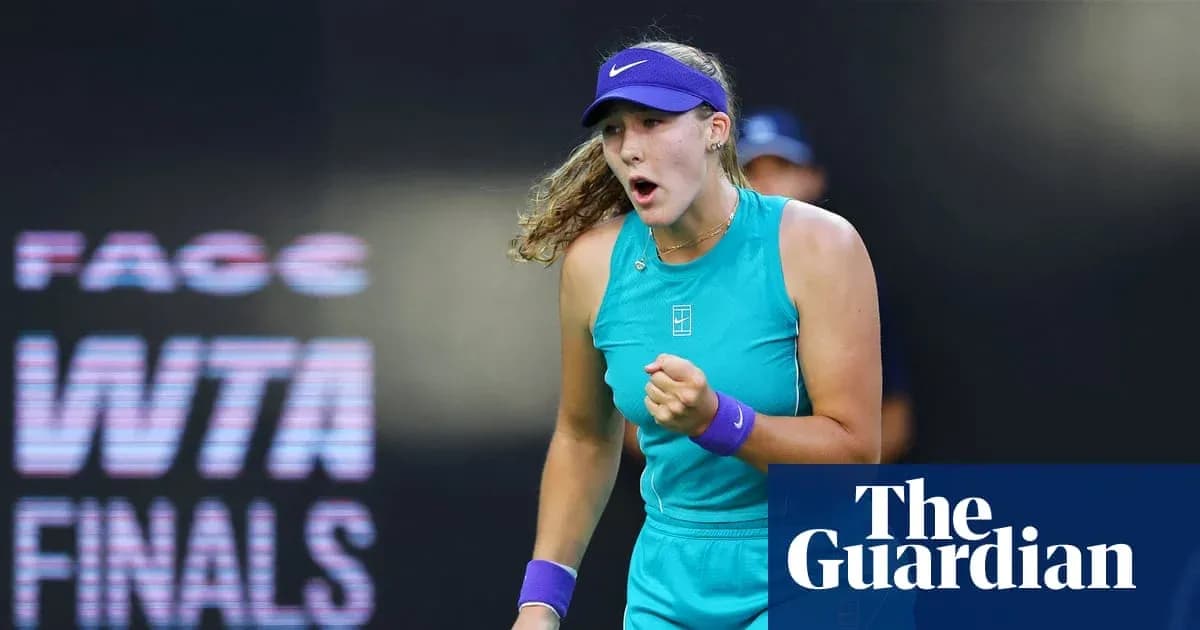
By the time Mirra Andreeva walked towards the cameras in the Indian Wells dusk, she had already done the hard part. Nineteen years old, debuting at the WTA Finals, and she had just taken apart Elina Svitolina 6-4, 6-0 with the kind of cold clarity that makes seasoned pros look suddenly mortal.
Then came the punchline.
Madison Keys, 2025 Australian Open champion turned Sky Sports guest reporter for the week, greeted her with a grin that said she knew exactly what she was doing.
“Hey, diva!” Keys said.
Everyone in the sport knew the reference.
A hot mic, a harsh verdict, and a viral label
On the eve of the tournament, Jessica Pegula – usually one of the most measured, popular presences in the locker room – found herself at the centre of a storm. A hot mic picked up a private conversation with her coach after a practice set against an edgy, frustrated Andreeva.
Pegula didn’t hold back. She called Andreeva a “diva” who “needs to be humbled”. Within hours, the clip had ricocheted around social media, clipped, memed and dissected.
For a tour that lives on friction as much as forehands, it was rocket fuel.
The timing was almost too neat. Women’s tennis is currently offering some of the best on-court product it has produced in years. The top of the game is stacked so densely that every member of the current top 10 owns either a grand slam title or a WTA 1000 trophy. The competition is so fierce that Iga Swiatek, a six-time major champion and perennial standard-bearer, finished the season at No 9 and missed the WTA Finals for the first time since 2019.
In this era, there is no such thing as a soft field. Or a quiet week.
A tour built on honesty and edge
Part of the enduring appeal of the WTA has always been its candour. These are some of the most finely tuned athletes on the planet, but their willingness to say what they actually think – about rivals, organisers, schedules, politics – has long set women’s tennis apart.
Pack a global group of ruthless, individual competitors into the same locker rooms, hotels and player lounges for 11 months a year, and the tension is inevitable. It leaks into everything. Into handshake snubs, muttered comments at the net, icy press conferences and the occasional full-blown feud.
There is genuine sportsmanship, too, and plenty of it. But this is also the tour of drive-by handshakes and simmering grudges, where fans track who sits where in the players’ box and who unfollows whom online. The sport’s natural theatre fits perfectly with the social media age, where a single hot-mic moment can overshadow an entire day’s play.
The Pegula-Andreeva flashpoint could easily have turned toxic. Instead, it morphed into something else: a snapshot of a tour that is never dull, even as it wrestles with much bigger questions away from the baseline.
A global powerhouse searching for solid ground
For all its drama and depth, the WTA faces a stark reality: turning those strengths into a sustainable, thriving business has proved brutally hard.
The tour has already ridden one rollercoaster of geopolitical risk. It chased the huge money on offer in China, signing a 10-year deal to stage the Finals in Shenzhen, only for the Covid-19 pandemic to shut the world down after a single edition. Then came the Peng Shuai crisis. When the former world No 1 accused former vice-premier Zhang Gaoli of sexual coercion and then disappeared from public view, the WTA took a rare and striking stand in global sport, insisting it would not return to China until it could speak with Peng directly.
Eventually, the tour went back. Shenzhen did not. The city walked away from the agreement, blowing a hole in the WTA’s long-term financial plan.
The fallout has been severe. The organisation now operates at a loss with thin reserves. To keep moving, it sold 20% of WTA Ventures, its new commercial arm, to CVC Capital Partners for $150m, a deal that runs in perpetuity. It is a significant injection of cash, but also a sign of how deep the financial strain has become.
The Finals, the supposed jewel in the calendar, have mirrored that instability. The event has hopped from city to city without a permanent base, with the WTA at times dipping into its own funds just to get the tournament staged. The decision to strike a three-year agreement with Saudi Arabia from 2024 was framed as a path to stability, even as critics accused the tour of allowing itself to be used for sportswashing.
Then the ground shifted again. With conflicts flaring in the region and Saudi organisers not planning to extend the deal beyond the initial three years, the WTA chose to move the Finals away a year early.
Indian Wells as a stopgap – and a statement
That is how the season-ending showpiece ended up in Indian Wells for a one-year cameo. On paper, it is a stopgap. In reality, it looks like a statement of intent from new chair Valerie Camillo.
She has been clear about the direction: bring the flagship event back to the US, tap into a reliable tennis market, and build something lasting. Next year, the WTA Finals will move to Charlotte, North Carolina, a city the tour hopes can grow into a permanent or at least long-term home. This time, the WTA is not just turning up; it has taken operational control of the Finals rather than outsourcing the event to local hosts.
For now, Indian Wells offers a familiar luxury. The complex in the California desert is one of the sport’s crown jewels, and Stadium 2, with its 8,000 seats, has been busy. The atmosphere has felt big-time, even at the tail end of a punishing season.
Plenty of players look spent. That includes world No 1 and defending champion Elena Rybakina, who withdrew with a viral illness before she could begin her title defence. The tennis may or may not fully ignite over the week; the tank is close to empty for many of the sport’s stars.
Still, this season delivered three gripping grand slam finals and a steady stream of high-quality battles. The Finals feel like a fitting, if slightly improvised, coda.
From crisis clip to in-joke
As for the so-called “diva” at the centre of the week’s most replayed audio? She handled it with the kind of poise that suggests Pegula’s wish for humility may already be redundant.
Pegula apologised quickly. Andreeva accepted, then did something smarter: she took control of the narrative. When she later posted a photo of herself and Pegula from the pre-tournament photoshoot on Instagram, she captioned it with a single, knowing word.
“DIVAS”.
In one stroke, the tension softened into humour. The insult became a shared bit. The clip that had threatened to overshadow the event turned into another reminder of why women’s tennis remains such compulsive viewing: great players, sharp edges, no script.
The WTA still has to solve the hard part – building a secure financial and structural base for a tour that deserves it. But if the sport can match its boardroom decisions to the raw, unsanitised energy on display in Indian Wells, the next era may belong to these so-called divas more than anyone ever imagined.