Andy Roddick Suggests Letting Players Skip Runner-Up Speeches at Grand Slams
Andy Roddick, the last American man to win a Grand Slam, has shared his thoughts on the often difficult moment of delivering runner-up speeches after major finals. Despite winning the 2003 US Open, Roddick lost four out of five Grand Slam finals, all four losses coming against Roger Federer. These were three Wimbledon finals and one US Open final.
- Year: 2003Tournament: US OpenSurface: HardOpponent: Juan Carlos FerreroScore: 6–3, 7–6(7–2), 6–3
- Year: 2004Tournament: WimbledonSurface: GrassOpponent: Roger FedererScore: 6–4, 5–7, 6–7(3–7), 4–6
- Year: 2005Tournament: WimbledonSurface: GrassOpponent: Roger FedererScore: 2–6, 6–7(2–7), 4–6
- Year: 2006Tournament: US OpenSurface: HardOpponent: Roger FedererScore: 2–6, 6–4, 5–7, 1–6
- Year: 2009Tournament: WimbledonSurface: GrassOpponent: Roger FedererScore: 7–5, 6–7(6–8), 6–7(5–7), 6–3, 14–16
Roddick's View on Post-Match Speeches
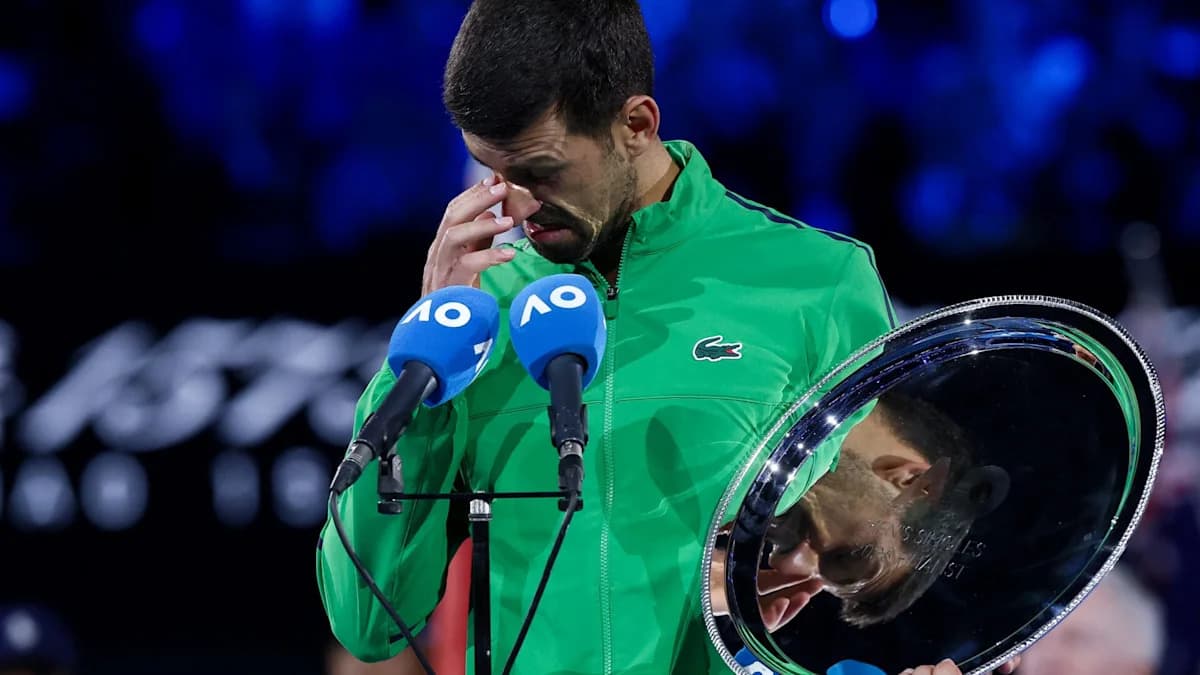
On his Served podcast, Roddick explained how tough it is to speak right after losing. He mentioned his own struggle in the 2009 Wimbledon final, where the pressure felt overwhelming and emotions were close to breaking through. His advice was straightforward: let the runner-up decide whether to give a speech or not.
"It should just be the option of the runner-up. I’m sorry, I'd like to say thanks to my team, thank you for the opportunity, or I don't think I can do it right now. I don't know. Pretty simple."
He praised Ben Shelton's speech after the US Open as one of the best examples of an honest and meaningful runner-up moment. Roddick believes that if a player can deliver something real and heartfelt, it changes how people see them. Still, he acknowledged that TV networks may not favor removing these speeches since they fill broadcast time.
The Reality of Runner-Up Speeches
Many players would prefer to leave the court quickly after a loss, yet they are often required to wait during court preparations and listen to tournament officials' remarks before their chance to speak. This can make the moment even harder.
Leaving the decision to the player seems logical but probably won’t happen soon because organizers and broadcasters want those speeches to stay part of the event. This challenge extends beyond Grand Slams, affecting ATP and WTA events worldwide.