Aryna Sabalenka Addresses Cannabis Distraction at US Open
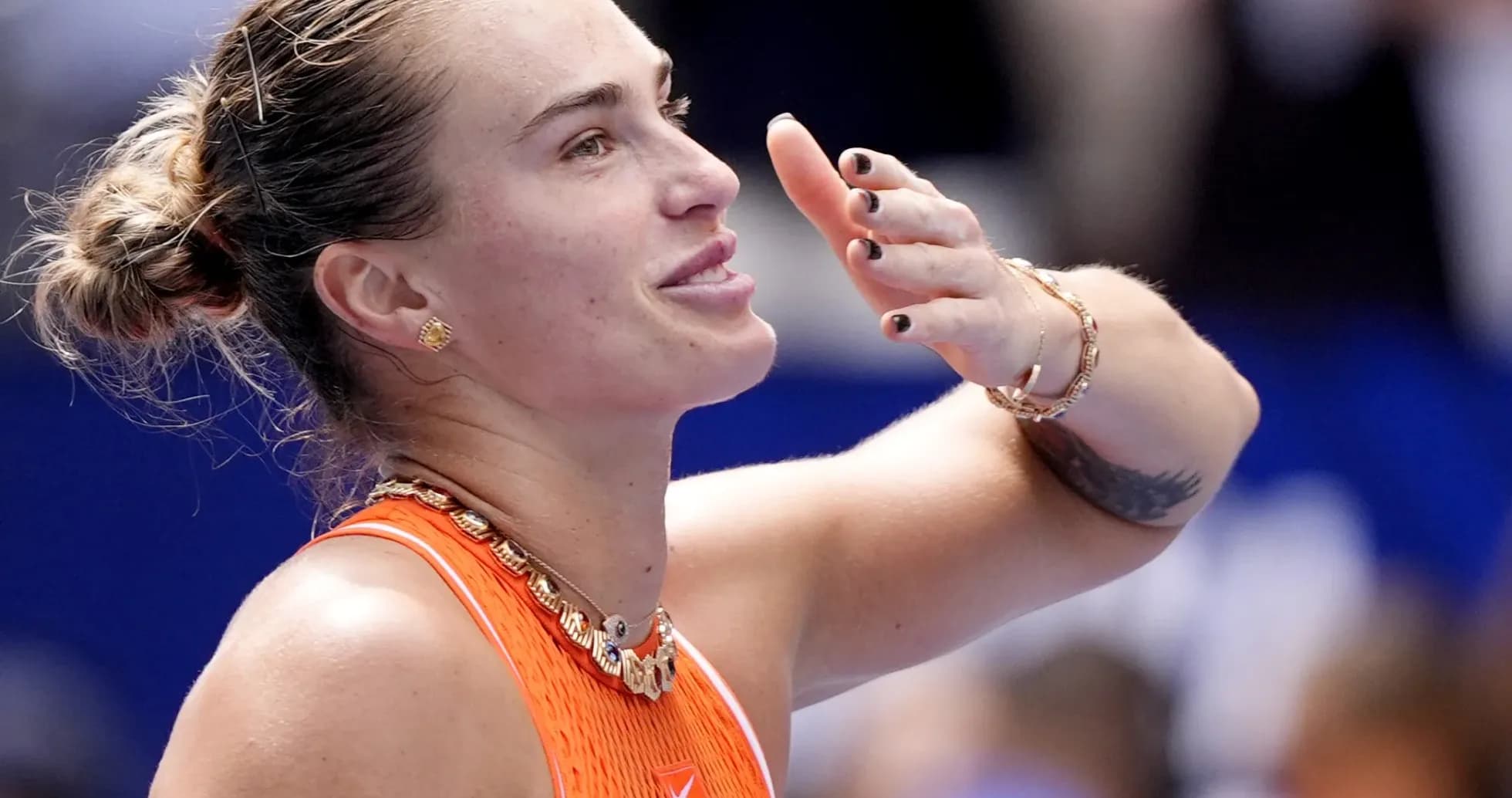
Aryna Sabalenka had Kamilla Rakhimova on the ropes. Then the smell hit her.
Three games into her US Open third‑round match on Louis Armstrong Stadium, the world No 1 suddenly stepped back from the baseline, wrinkled her nose and turned toward the chair.
“Someone is smoking weed,” she told umpire Eva Asderaki‑Moore, serving at 30-0 up. “Would you mind to… because it’s so strong.”
The interruption lasted only moments. The dominance did not. Sabalenka, already 3-0 ahead after a blistering start, brushed aside Uzbekistan’s Rakhimova in straight sets, her rhythm barely touched by the strange sideshow drifting in from beyond the court.
Yet the incident cut through the usual New York noise. On a muggy Friday in Queens, the most disruptive presence on Armstrong wasn’t a misfiring serve or a stubborn opponent. It was the unmistakable odour of cannabis rolling in on the wind from Flushing Meadows-Corona Park.
Sabalenka raised the issue during her second service game, pointing toward the stands as the smell thickened. Once play resumed, she locked straight back in, her power game reasserting control. The scoreboard told one story. Her nose told another.
Later, in the press room, she handled it with the same blunt clarity.
“I was like, Guys, you can do whatever, you can smoke whatever, you can relax as much as you can, but please do not do it around the tennis courts,” she said with a smile. “It’s a bit tricky to handle that smell while you’re trying to compete at your best.”
At this tournament, the scent is no longer a novelty. The whiff of cannabis has become a recurring, unwanted character at Flushing Meadows, with players in previous years complaining about the distraction as smoke drifts into the tennis complex.
The rules are clear inside the gates: no smoking on site. The law outside is just as clear in a different direction. Recreational cannabis is legal in New York for adults 21 and over, and the surrounding park fills with people taking advantage of that freedom. When the breeze picks up, the smoke doesn’t respect the boundary between public green space and Grand Slam arena.
Sabalenka admitted she had noticed it earlier in the tournament, but never with this intensity during a match.
“That strong, yeah. Also, because it was a bit windy,” she said. “I don’t know if it was coming from the crowd or was from the outside because the wind blows it into the stadium.”
The conditions turned a familiar background nuisance into something impossible to ignore. For a player trying to manage nerves, tactics and a third‑round opponent, it was one variable too many.
“I just hope they are a bit more aware of that stuff,” she added, before the questions circled back again to the same theme. She laughed. “Come on, guys. I think there is nothing else to say about weed. I’m just asking people not to smoke it next to the tennis court.”
On the evidence of this performance, it will take more than a drifting cloud from the park to knock Sabalenka off course. But as the US Open leans into its reputation as the loudest, loosest Slam, New York’s new legal landscape is starting to leave its own mark on centre stage.