Aryna Sabalenka's Press Conference Tension at US Open
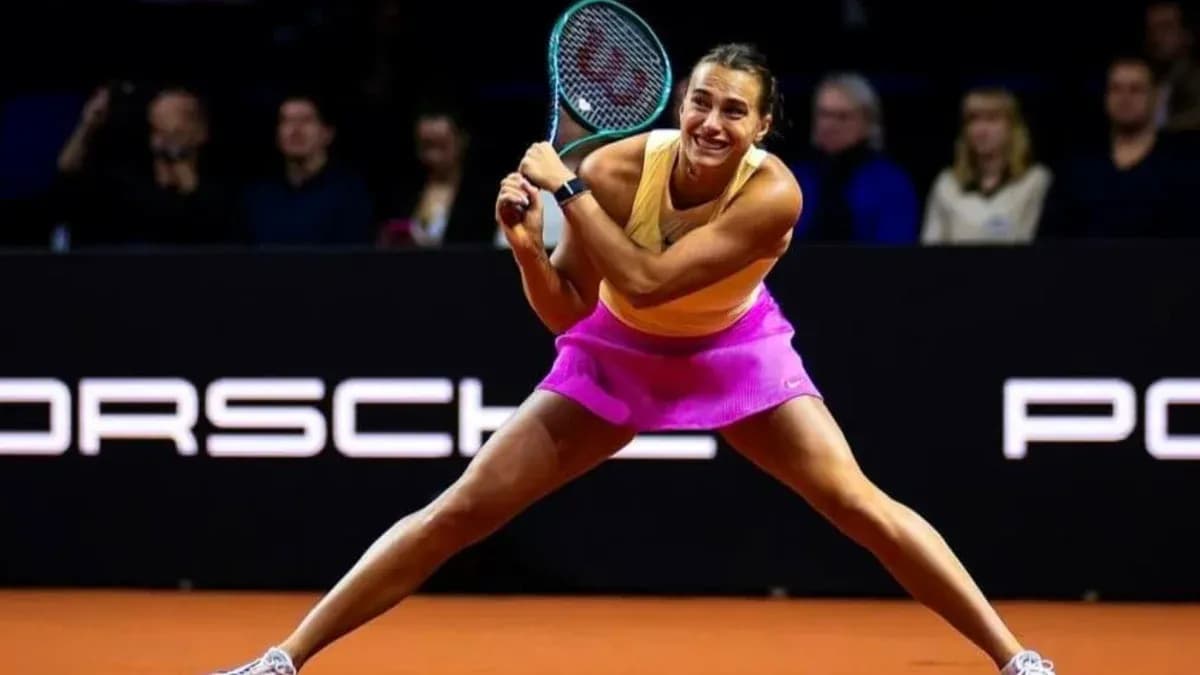
Aryna Sabalenka walked off court at Flushing Meadows after a routine, dominant second‑round win. The real battle started a few minutes later, under the harsh lights of the interview room.
What should have been a straightforward post‑match press conference turned into one of the most replayed clips of this US Open. A reporter, referencing what he called a week of “parties and fun” before the tournament, asked the world No. 1 how her mood had shifted now that the serious tennis had begun.
Sabalenka bristled.
The implication that she had been partying her way into the year’s final Grand Slam hit a nerve. She cut in sharply, making it clear she rejected the premise of the question. Those pre‑tournament days, she argued, were not about nightlife or distraction, but about sponsor events, brand obligations, and the usual carousel of appearances that come with being one of the sport’s biggest stars.
To her, those obligations were work. To hear them framed as “parties and fun” sounded like a shot at her professionalism.
Within hours, the exchange had broken out of the press room and flooded social media. Clips ricocheted across platforms. Many fans rallied behind Sabalenka, applauding her for defending the grind that exists behind the glossy photos and red‑carpet moments. Others focused on the wording of the question, wondering whether it had been clumsy rather than malicious.
As the noise grew, the journalist at the center of it all decided he could not stay silent. He moved to clarify his position, stressing that he had never intended to accuse Sabalenka of neglecting her preparation or treating the build‑up to the US Open as a week‑long party.
His explanation was simple: he had been trying to point to the sheer volume of public appearances, promotional work, and off‑court commitments top players face before a major. The “parties and fun” line, he suggested, was meant to capture that busy, outward‑facing schedule, not to question whether she had put in the hours on the practice court.
He acknowledged that his question had landed differently than he imagined. The wording, he accepted, had been interpreted in a way that cast doubt on Sabalenka’s work ethic, and he recognised the wave of reaction the exchange unleashed online.
Sabalenka, for her part, did not let the moment simply drift away. After initially responding with clear irritation in the press room, the two‑time defending US Open champion later circled back to the episode. She apologized to the reporter for the force of her reaction, while standing firm on one key point: she still believed the way the question was framed was unfair.
That tension — between intent and impact, between access and respect — sits at the heart of this story.
Grand Slam press conferences are compulsory, often immediate, and rarely gentle. Players walk in with adrenaline still coursing, minds still half on the match they just played. Reporters walk in trying to find something beyond the scoreline: a glimpse of personality, a hint of doubt, a window into preparation and pressure.
When those questions veer into areas like focus, professionalism, or commitment, the room can turn quickly. A single phrase — “parties and fun” — can feel like a judgment rather than a prompt.
This latest flashpoint around Sabalenka has thrown that fragile balance back under the microscope. How far can journalists push in search of a sharper angle? How often will players, already stretched by the demands of their ranking and their schedule, tolerate having their dedication questioned?
At this US Open, one tense exchange has made those questions impossible to ignore.