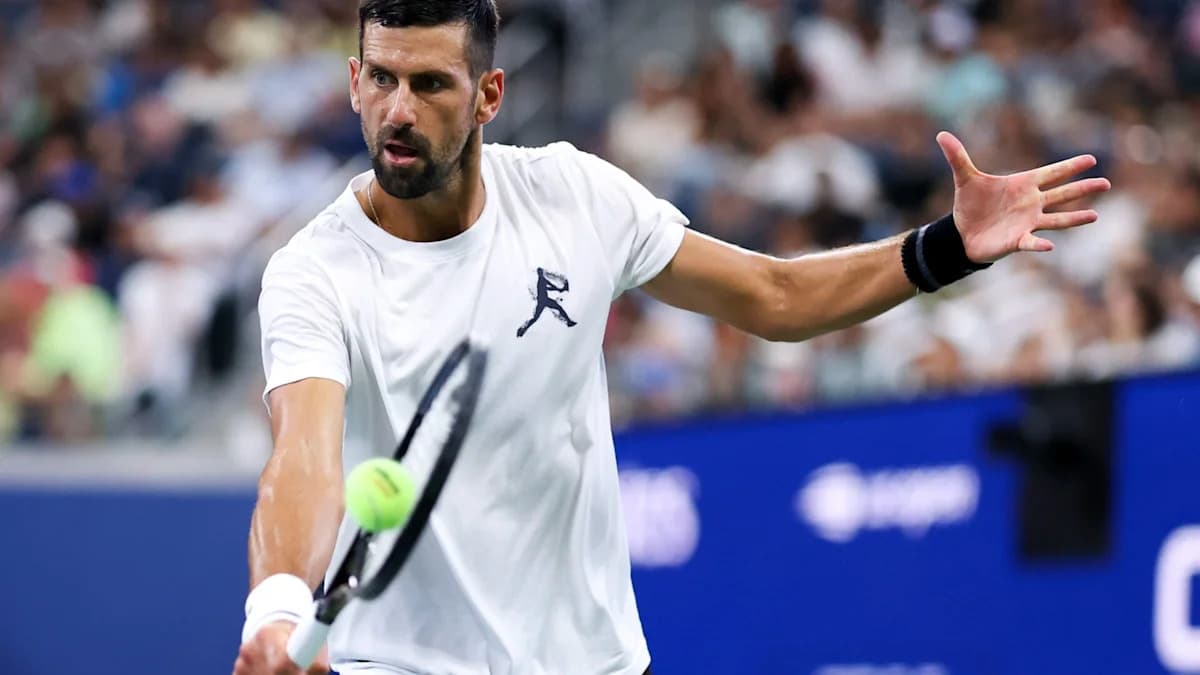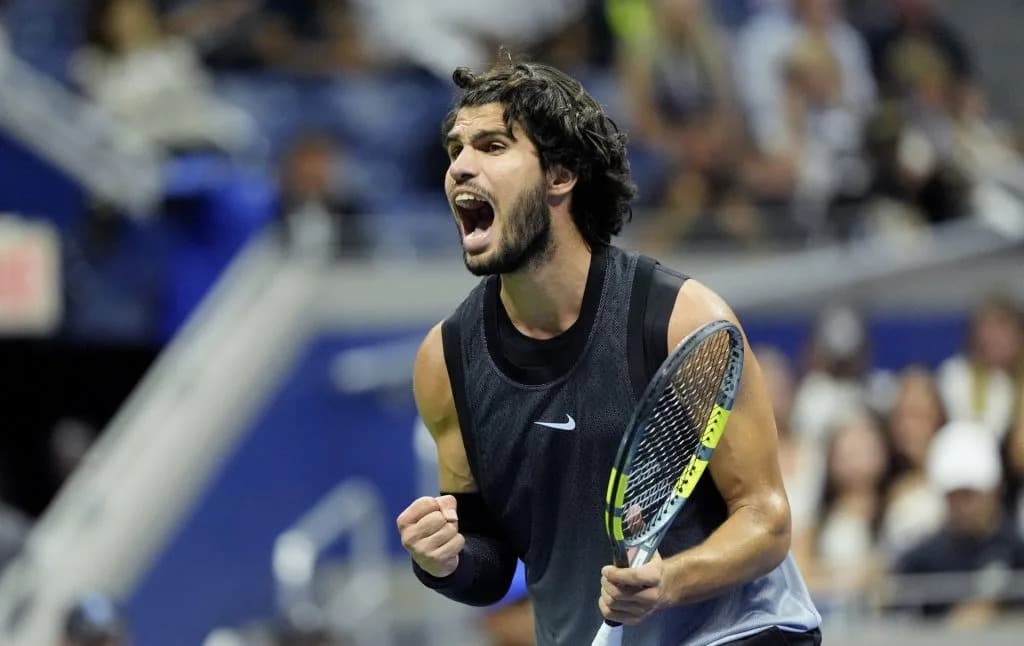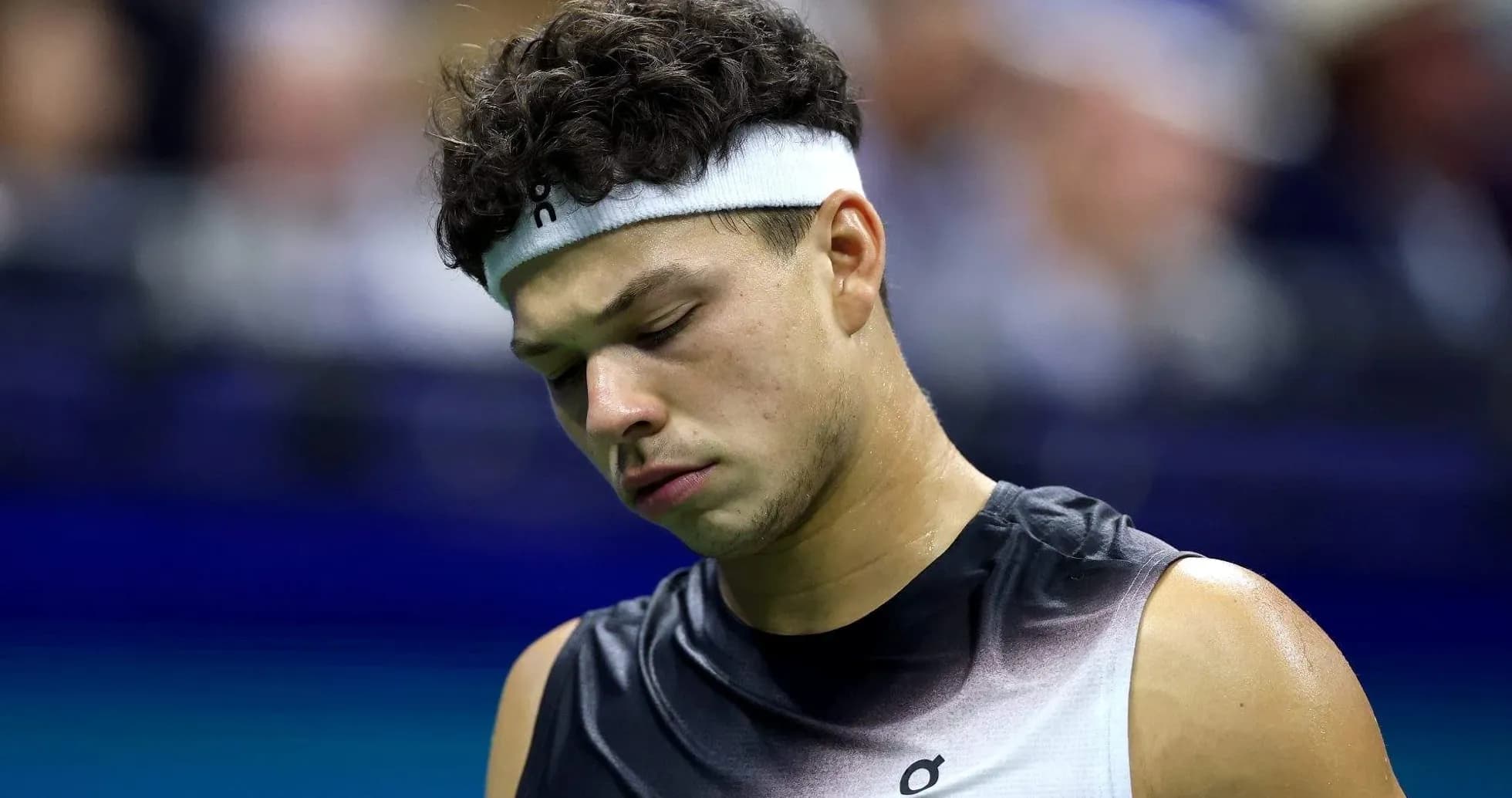
Ben Shelton Faces Alexander Zverev in US Open Final
Ben Shelton is one win away from rewriting American tennis history. One step from ending a Grand Slam drought that has stretched on since Andy Roddick lifted the US Open trophy in 2003.
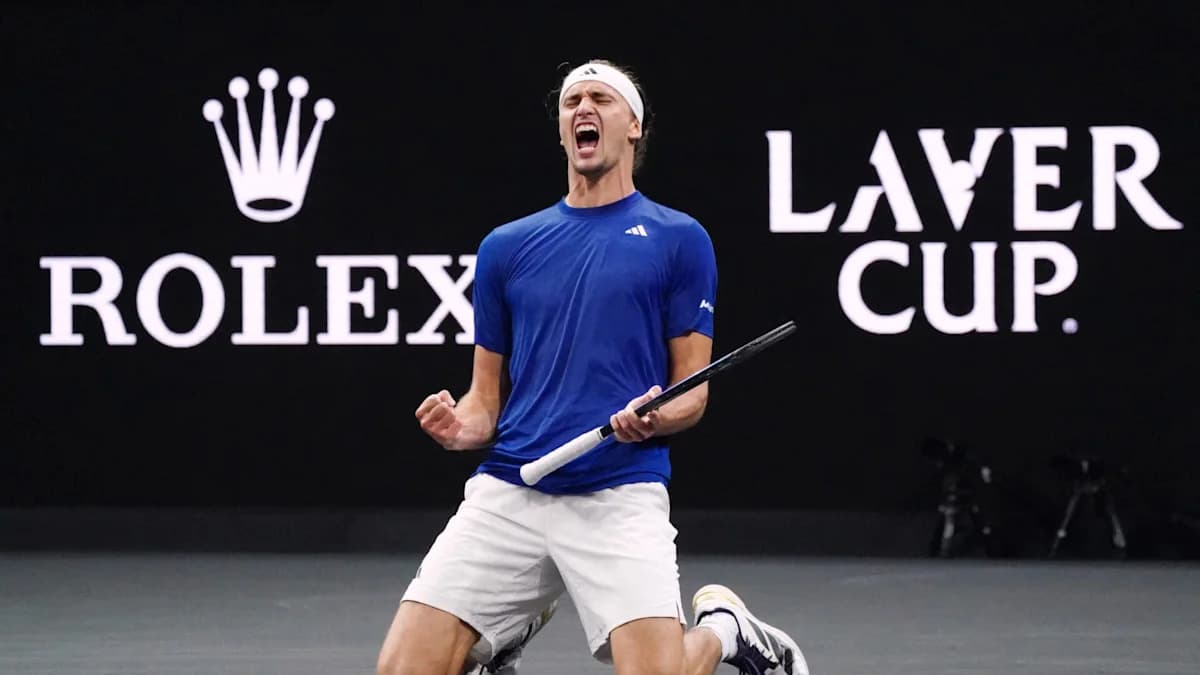
The problem? That final step is Alexander Zverev – and Zverev has had his number every single time.
A Lopsided Rivalry
Shelton walks into Sunday’s US Open final with a 0-5 record against the German. Not a single win. Not even a hint of momentum across their brief, one-sided history.
Their first meeting came at the Cincinnati Masters in 2024. Since then, Zverev has turned their matchup into a routine. Straight sets, every time. Shelton has tried to punch through at the Nitto ATP Finals, again in Cincinnati, and twice on German soil in Stuttgart and Munich. Same story. Same result.
Munich hurt most. That was a final, a shot at a title, and Zverev shut the door there too.
Hard courts haven’t offered any relief. Shelton is 0-3 against Zverev on the surface that has powered his rise, with only one of those matches even stretching to a deciding third set. For a player who thrives on energy and big moments, Zverev has been the one opponent who keeps turning down the volume.
On paper, this is a bad matchup. In reality, it has been worse.
The Alcaraz Reminder
And yet, this is Ben Shelton. He has made a habit of ripping up the script.
Before his quarterfinal earlier this week, he was also 0-3 against Carlos Alcaraz. The reigning US Open champion. The sport’s generational force. Shelton walked into that match as the underdog, heard the doubts, and left the court with the biggest win of his career and his first victory over a top-three player.
That night was a warning shot. The numbers tell one story with Shelton; the occasion often tells another.
Sunday will demand that same defiance. Zverev brings the weight of history, the matchup advantage, and the comfort of having solved Shelton’s game repeatedly. Shelton brings something harder to measure: belief that doesn’t seem to care about past results.
A Final Without His “Lucky Charm”?
There is another twist to this final, and it has nothing to do with tactics or rankings.
Shelton’s girlfriend, Washington Spirit striker Trinity Rodman, is unlikely to be in his box at Arthur Ashe Stadium. Her NWSL side faces Boston Legacy FC away in Boston on Sunday, with kickoff at 1 p.m. local time. Shelton’s US Open final in New York begins just an hour later at 2 p.m.
Unless Rodman misses her club commitment, the timelines simply don’t work. The biggest match of Shelton’s young career will almost certainly unfold without the person he has often called on for support from the stands.
It stings. Rodman has been a constant presence during Shelton’s breakout 2026 season, one that already includes four ATP titles in Montreal, Stuttgart, Munich and Dallas. After lifting the trophy in Stuttgart, he publicly thanked her for traveling around the world to back him, even at events where partners and families rarely appear.
She has been there as he’s turned from promising prospect into genuine star. On Sunday, he may have to take the court without his so-called lucky charm.
Emotion, Legacy and a Heavy Date
If Shelton sounded light-hearted and loose earlier in the tournament, the tone shifted after his semifinal win over Frances Tiafoe. The smile was still there, but the words carried weight.
He beat Tiafoe 4-6, 6-3, 6-3, 7-5 on Friday to reach his first major final. Then he spoke about what it had taken to get here. About his parents. About sacrifice.
“My mom and dad sacrificed a lot for me to be in this position today,” he said, via Tennis Letter.
He then revealed a deeper layer of motivation. “My dad lost his mom earlier this year. She’s the reason he was able to play tennis. Without her there’s no Ben Shelton standing here today. This one is for her.”
The New York crowd had already taken to him – the swagger, the serve, the fearlessness. Now they had something else to latch onto. A story that stretched beyond the baseline.
Shelton turned to them again as he looked ahead to Sunday.
“Ima need you guys on Sunday to bring the energy,” he said. “We’re going for it here. Ima leave it all on the court. I hope you guys come and back me.”
On this stage, with this opponent, he will need every decibel.
The semifinal carried another layer of poignancy. It was played on the 25th anniversary of the 9/11 attacks, and Shelton made sure to address that moment, too.
“Let’s do this for the USA,” he said. “One more thing, it’s a difficult day to be out here playing. My thoughts and prayers go out to all families who are impacted by 9/11.
“This is one of the greatest cities in the world and one of the biggest tragedies. Thoughts and prayers to everyone involved and affected.”
It was a reminder that for all the noise and spectacle of a Slam semifinal, some dates are bigger than sport.
One Match, Two Eras
So it comes to this: an American crowd desperate for a home men’s champion, a 21st-century power server chasing a breakthrough, and across the net a player who has beaten him five times without blinking.
Zverev knows this matchup. He has handled Shelton’s lefty serve, absorbed the pace, and dictated on his terms. The German walks into the final with the psychological edge and the cleaner record.
Shelton walks in with scars, momentum, and a city behind him.
He has already torn up one head-to-head this week. On Sunday, he has the chance to rip apart another – and with it, end a 23-year wait for an American man to lift a Grand Slam trophy.