Ben Shelton's Grand Slam Journey: A Clash with Alexander Zverev
Ben Shelton’s last stand came late, almost too late to matter. At 6-5 down in the third set, one game from the exit door, the American finally tore into a return game with the abandon that had carried him through the summer. He flattened forehands, chased everything, dragged the crowd in with him. He broke Alexander Zverev, roared, cupped his ear, and yanked Arthur Ashe Stadium to its feet. For a flicker, the night felt like it might turn.
It didn’t.
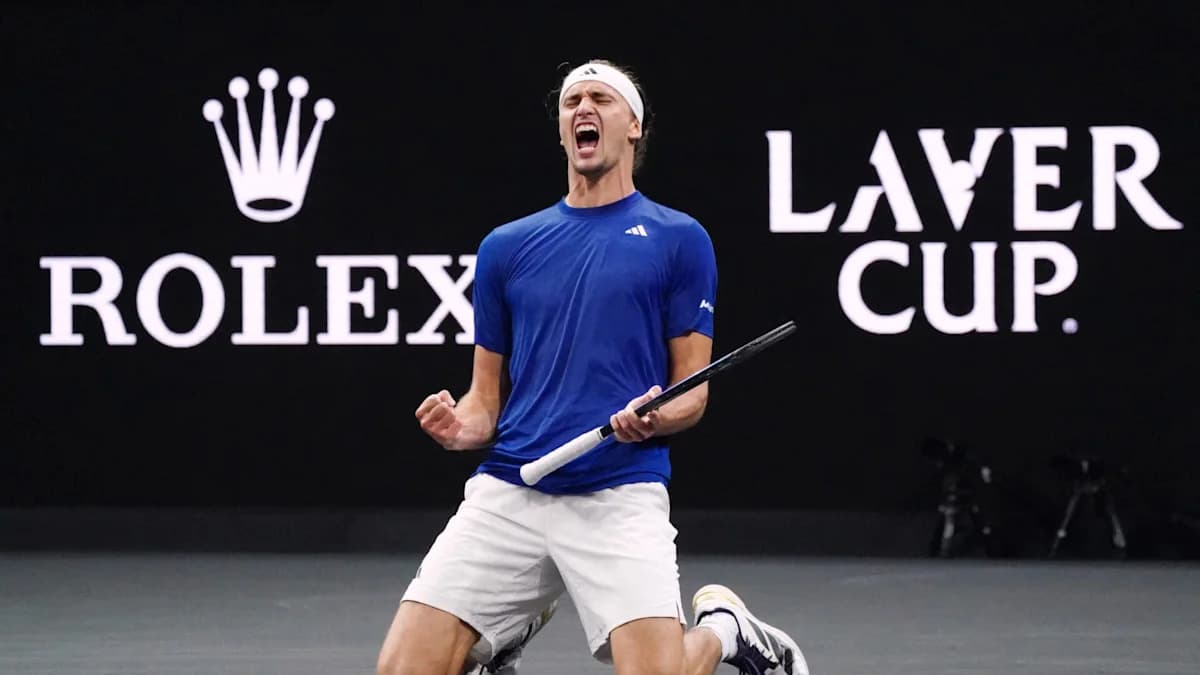
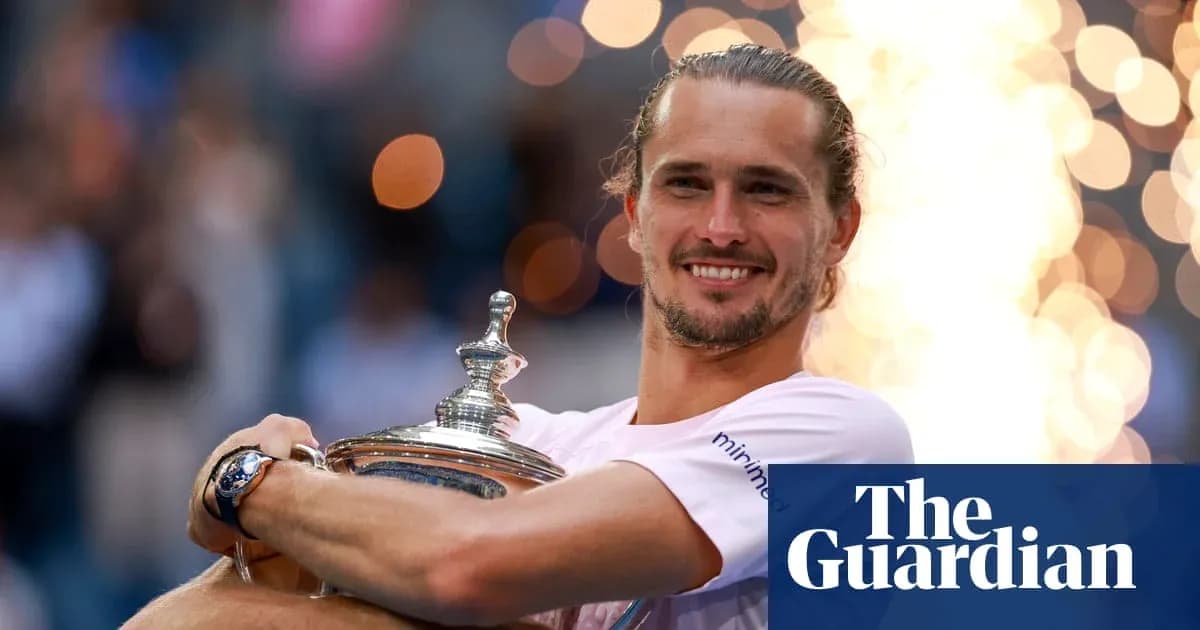
Shelton opened the fourth set with a nervy, faltering service game and immediately gave the break back. The surge was over before it had properly begun. Zverev, unshaken, reset, tightened his grip and marched to the finish line, closing out a 6-3, 7-6 (2), 5-7, 6-2 win to claim his second grand slam title of the season.
For a man who spent years chasing a first major, the shift has been abrupt and ruthless. Zverev now joins Jimmy Connors, Guillermo Vilas and Jannik Sinner as the only men in the Open era to win their first two grand slam titles in the same year. His victory also shut down a storyline that had hovered over the fortnight: Shelton’s bid to become the first Black American man since Arthur Ashe in 1968, and the first American man since Andy Roddick in 2003, to win the US Open.
The matchup itself has never really been a mystery. It is now 6-0 to Zverev in their head-to-head, a lopsided record that reflects both styles and scars. Shelton brings pace, swagger and a left-handed forehand that can bend rallies out of shape. Zverev brings one of the best two-handed backhands in the sport and a serve that, when dialled in, turns matches into uphill climbs. On this afternoon, the German served better, defended better and played with a steadiness that Shelton could not match.
From the opening game, the tension sat squarely on Shelton’s shoulders. In a contest built around two huge serves, his first job was to hold. He failed at once. A double fault on break point in his very first service game handed Zverev an early lead and set the tone. When the set reached its critical moment, the same flaw reappeared: Shelton double-faulted again on set point, gifting away a second break and the opener.
The pattern was brutal. Shelton’s forehand, usually his hammer, flew too often. From the baseline he simply could not live with Zverev’s depth and discipline. The German, by contrast, served with authority all afternoon, landing 69% of his first serves and winning 85% of those points. That platform allowed him to swing freely in rallies and lean on his backhand to smother Shelton’s attacks.
Shelton did manage to steady himself in the second set. His serve began to bite, his patterns became clearer, and he finally pushed Zverev into a tie-break. The pressure in the stadium rose; this was the window he needed. Zverev slammed it shut.
The German struck first in the breaker with a sharp forehand passing shot, punishing a tentative approach from Shelton. On the next key point, in another tight exchange, Zverev unloaded a vicious forehand down the line for a second mini-break. Two booming, unreturned serves followed. In a flash, he led 5-0. The set, and realistically Shelton’s best chance, evaporated in that burst.
Shelton refused to fold. He kept swinging, kept chasing, and finally snatched that late break in the third set that briefly electrified the crowd and earned him a fourth. But the emotional high masked a harsher reality: Zverev still controlled the match. When the fourth set began, the gap in experience and composure showed. Shelton’s early break of serve against himself restored Zverev’s authority, and from there the top seed moved with the calm of a man who knew the finish was coming. The final scoreline felt less like a twist than the completion of a script written in the opening games.
The result capped a grand slam season on the ATP tour that never quite found its rhythm. Carlos Alcaraz and Jannik Sinner, the two young forces expected to shape the year, spent long stretches battling injuries and physical issues. Their absences and interruptions scattered the draw, opening doors for others to walk through. Few did. Across five months, opportunities piled up; genuine contenders did not.
Zverev did not waste the chance. He kept turning up deep in majors, kept surviving, kept putting himself in position. That persistence has hardened him. Each win, each final, each piece of silverware has added another layer of belief to a player whose career has long been defined as much by near-misses and off-court headlines as by trophies.
Those headlines have never fully faded. For many fans, Zverev’s success carries a discomfort that no number of titles can fully erase. He has been accused by two former partners, Olya Sharypova and Brenda Patea, of physical abuse. During his run to the French Open final in June 2024, he settled an assault case in Germany related to allegations from Patea, the mother of his daughter. The case ended without a verdict, with a court spokesperson stating: “The truth remains open.” Zverev has denied those charges and all allegations against him.
Crowds have not always been silent. At the Australian Open last year, a fan interrupted his trophy ceremony, shouting: “Australia believes Olya and Brenda.” This season’s three grand slam finals, though, have unfolded without incident. Inside the sport’s biggest arenas, Zverev remains a popular, often loudly supported figure.
Shelton leaves New York with different emotions but a season that has clearly altered his trajectory. His North American hard court swing began under a cloud after a painful first-round exit at Wimbledon. It ends with the best summer of his career: a second Masters 1000 title at the Canadian Open, a first grand slam final, and a new career-high ranking of No 4.
That rise underlines how much he has improved in a short time. At 23, he already owns the kind of serve and athleticism that can carry him deep into majors for years. Yet Sunday on Ashe also exposed the gaps. His return of serve remains raw. His ground game, especially under pressure against the very best, can still fray. Against a top seed playing at this level, those weaknesses left him stranded, alone with his thoughts on one of the sport’s grandest stages.
Shelton has time and upside. Zverev now has history and momentum. As this uneven grand slam year closes, the question is no longer whether the German can finally win majors, but how many more he can stack up before the rest of this generation finds a way to catch him.