Ben Shelton Reaches First Grand Slam Final at US Open
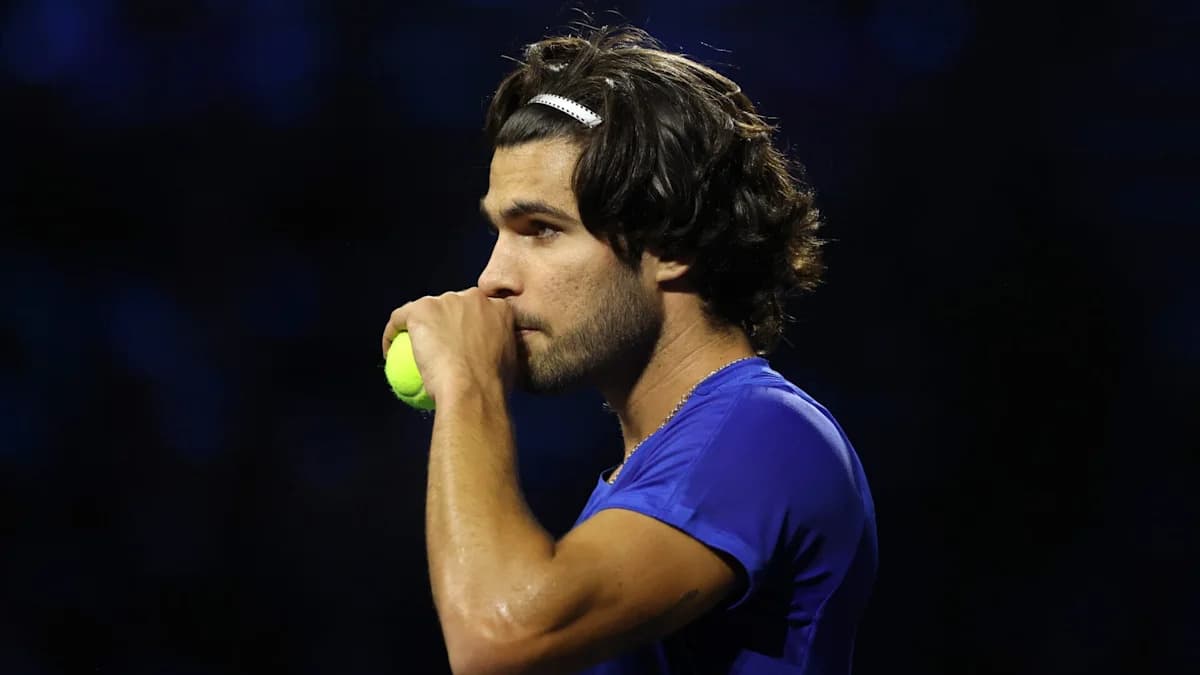
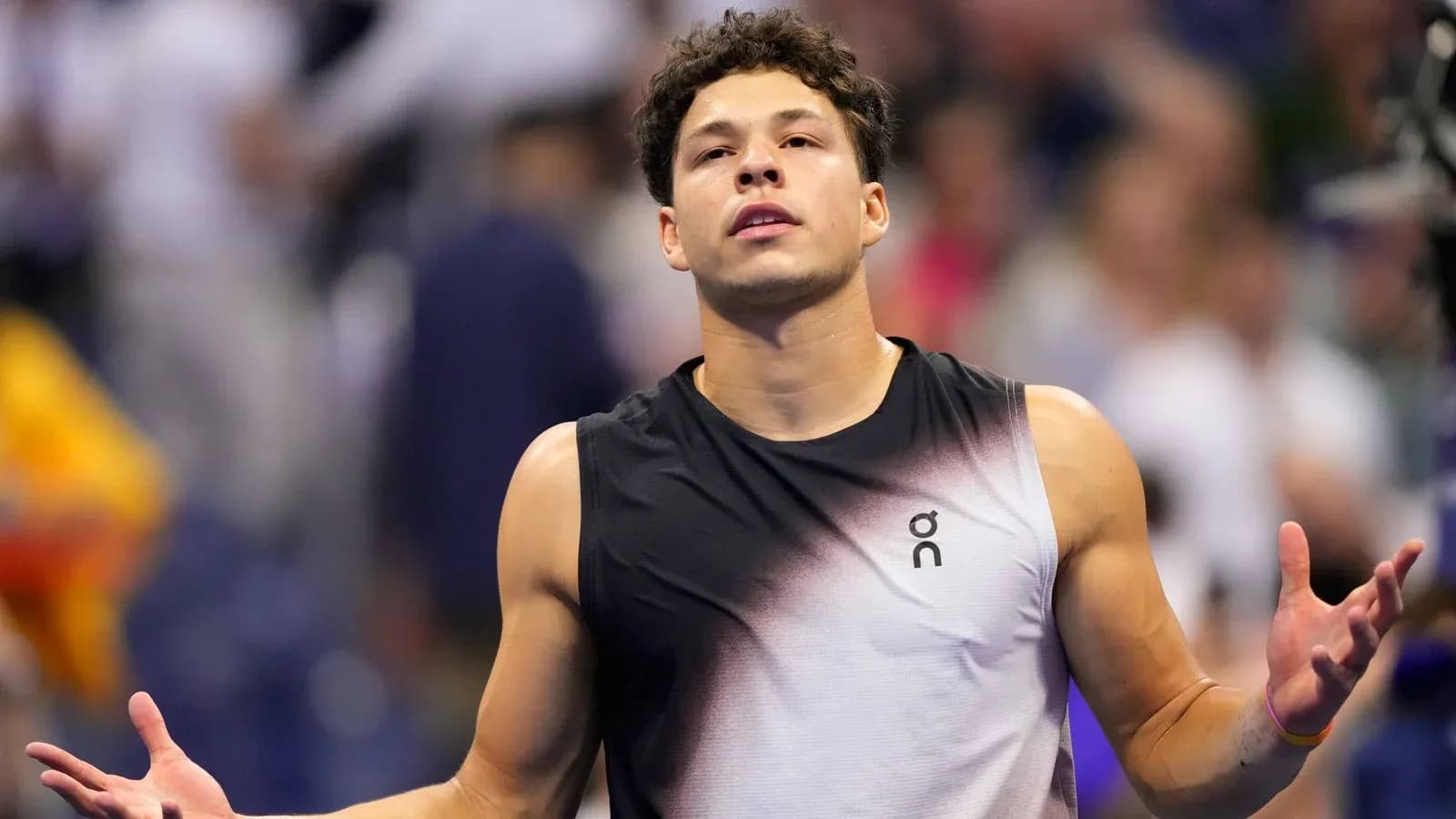
Ben Shelton walked into Arthur Ashe Stadium on a night of remembrance and walked out carrying the weight of a nation’s tennis hopes on his shoulders.
Under a sky heavy with the symbolism of the 25th anniversary of the September 11 attacks, the 23-year-old American tore through compatriot Frances Tiafoe in an electric US Open semi-final, winning 4-6 6-3 6-3 7-5 to reach his first Grand Slam final and move within one match of ending a 23-year American drought in men’s singles.
No US man has lifted a major trophy since Andy Roddick thundered his way to the 2003 title at this very tournament. Shelton now stands one win away from changing that.
Next in his path: Alexander Zverev.
An all-American shootout with something extra
This was not just another night match in New York. The pre-match ceremony, honouring those affected by 9/11, lent a gravity that both players acknowledged. Shelton made it clear on court: this was a difficult day to be out there, and his thoughts and prayers were with the families impacted.
Once the first ball was struck, sentiment gave way to edge.
Tiafoe, the elder statesman in this fraternal rivalry and “like a big brother” in Shelton’s own words, started the sharper of the two. He pressed on return, found early rhythm, and pounced when Shelton blinked. At 5-4, a double fault from Shelton handed Tiafoe the opening, and the 26-year-old closed the set with authority, igniting the Ashe crowd.
Shelton looked rattled. Briefly.
Then the serve arrived.
The serve that flipped the night
At 3-3 in the second set, serving with new balls, Shelton turned the match into something far more violent.
He opened the game with a 125 mph bomb that sent Tiafoe stumbling backward, his racket up in self-defence. Then came 144. Then 139. Then 140. Four serves, four statements. Tiafoe had been targeting the Shelton backhand with success, but suddenly the eighth seed was dictating with his biggest weapon, dragging the match onto his terms.
The pressure told. Shelton broke, levelled the match, and the energy in the stadium swung with him.
By the third set, the American left-hander had settled into a brutal rhythm. He broke in the fifth game, seized control, and never really loosened his grip. The booming serve, the athletic defence, the swagger between points — it all began to look like the performance of a man who believed this fortnight belonged to him.
A fourth set of resistance and release
Tiafoe did not go quietly. The fourth set crackled with intensity, rallies stretching, both men scrambling, the tension rising with every service game.
Shelton, though, refused to yield. His defence turned stubborn, almost impenetrable. Every time Tiafoe looked to open the court, the younger American chased one more ball, forced one more shot, asked one more question.
Late in the set, the dam broke. Shelton piled on the pressure, stepped into returns, and finally earned the decisive breakthrough. Moments later, with Ashe on its feet, he closed out an emotional victory.
He finished the night with 47 winners, including 20 aces — numbers befitting a man serving his way into a first major final.
“I know what my goal is, what my job is,” he said on court. “I’m going for it here. Let’s do this for the USA!”
The message was clear. He knows exactly what Sunday represents.
Zverev finds his groove
Waiting for Shelton is a man who has quietly turned a shaky start into something ominous.
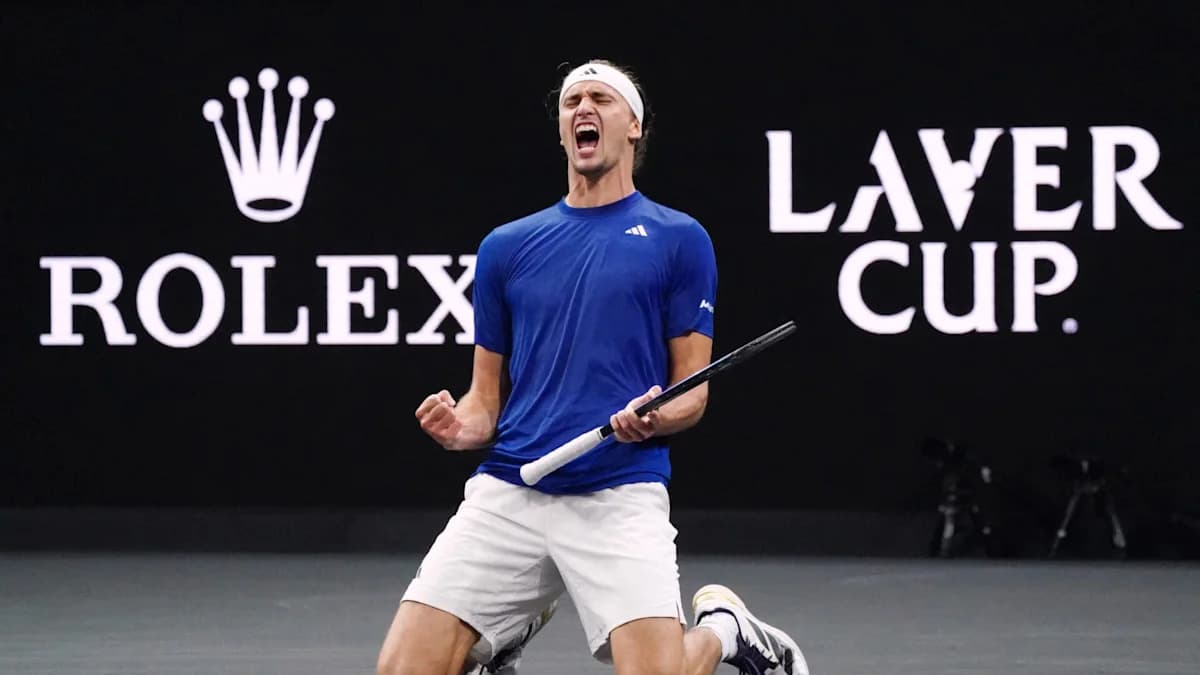
Alexander Zverev, the reigning French Open champion, beat Karen Khachanov 6-3 7-6 (9-7) 7-6 (8-6) earlier in the day to reach his third consecutive Grand Slam final and his second title match at Flushing Meadows, four years after losing a five-set epic to Dominic Thiem.
It has been a strange tournament for the German. He needed five sets in each of his first two rounds and admitted that after his second-round marathon, which ended at 3am, he and his team were in the locker room laughing at how poorly he was playing. That dark humour seems to have jolted him awake. Since then, he has ripped through four straight matches without dropping a set.
“I have improved a little bit, otherwise I wouldn’t be in the US Open final,” he said with a smile on court.
The draw has opened up for him. Jannik Sinner never made it deep. Carlos Alcaraz and Novak Djokovic both exited earlier than expected. Zverev, 29, has capitalised, stringing together efficient, controlled performances and leaning on his experience in these late stages.
Edging through the tight moments
Against Khachanov, Zverev needed only a single break to pocket the first set, and when he broke again at the start of the second, a routine afternoon seemed imminent.
Khachanov refused to cooperate. A Zverev double fault handed back the break and the set spiralled toward a tie-break that turned into a test of nerve. Zverev trailed 5-3, then dug in, finally snatching it after a lung-busting 35-shot rally that left both men gasping.
The third set followed a familiar script. No breaks, more tension, another tie-break. This time Khachanov had set points at 6-4. Two forehands flew wide, and Zverev, sensing the opening, cracked an ace to earn match point and converted at the first opportunity.
It was not flashy. It was ruthless.
A noisy Sunday awaits
This final will not be played in the eerie quiet of 2020. Arthur Ashe will be full, loud, and leaning heavily towards the American underdog.
Zverev is not running from that.
“I think it’s going to be a fantastic feeling playing a final in a sold-out Arthur Ashe and not in an empty one,” he said. “For me, a loud and energetic crowd is always great, as long as they’re fair.”
Martina Navratilova, assessing his season on Sky Sports, put it bluntly: there are no asterisks on Zverev’s major success. Circumstances may have favoured him at times — Sinner out early in Paris, Alcaraz absent there — but he still had to win the matches. She believes he has been building, playing better at Wimbledon than Roland Garros, and now hitting full stride in New York.
“He hasn’t lost a set the last four matches,” she noted. “He’s cooking now.”
So is Shelton, in his own, more explosive way.
One man is chasing a second Grand Slam title, validation of a year that has reshaped the men’s game. The other is swinging for a first major and the chance to end two decades of American frustration in their own backyard.
On Sunday, under the lights of Ashe and the roar of a partisan crowd, something has to give.