Ben Shelton Makes History with US Open Semifinal Victory
NEW YORK — On a night heavy with memory and noise, Ben Shelton walked into Arthur Ashe Stadium as the future of American men’s tennis. He walked out with history at his back.
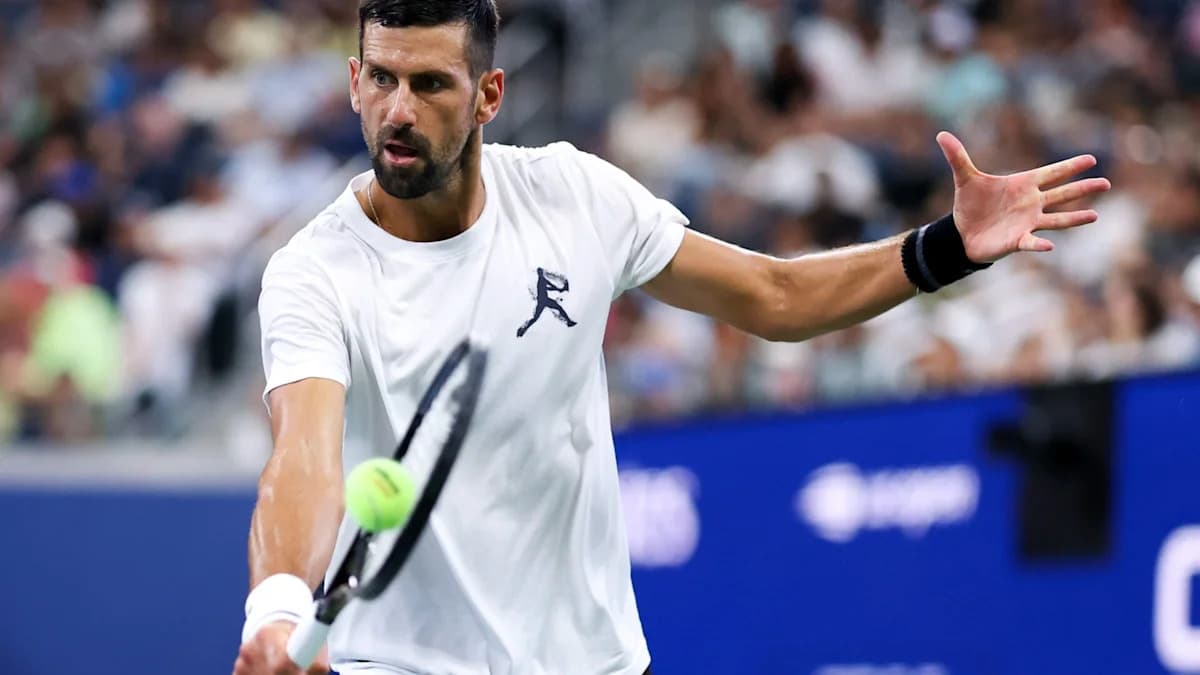
Shelton outgunned Frances Tiafoe 4-6, 6-3, 6-3, 7-5 in a bruising, brilliant, often ragged US Open semifinal, a three-hour, 17-minute collision between two men who know each other too well to hold anything back.
It was an All-American showdown framed by tributes to the victims of the Sept. 11 attacks 25 years on, a reminder that this tournament, this city, never really separates sport from stage. Under the lights, with 24,000 people surging with every point, two Black Americans took over the biggest court in tennis and pushed each other to the edge.
Shelton did more than win. He broke barriers that had stood for generations.
He is the first Black American man to reach a US Open singles final since Arthur Ashe in 1972, the first Black American man in any Grand Slam singles final since MaliVai Washington at Wimbledon in 1996. Those are not just footnotes. They are fault lines.
No one needed to tell Shelton that. There was no phone-hand “dialed-in” celebration this time, no viral signature. When it ended — on a Tiafoe double fault into the net — Shelton simply absorbed it. A quick look, a brief release. The moment was too big for gimmicks.
“First on Foe, he’s like a big brother to me, to be honest,” Shelton said on court, voice still racing from the match. “Every time we get to take this court together, Arthur Ashe, and play each other is super special. This is where we want to be at the end of this tournament. This is both of our favorite tournament in the world, favorite court in the world. And to be able to light it up in front of you guys is the best feeling that there is.”
They had lit it up, even when the quality dipped. There were flurries of brilliance, followed by patches of errors and tight shoulders. There were brutal rallies and forehands that sounded like gunshots in the New York night. It wasn’t clean. It was compelling.
Tiafoe, the No. 11 seed, struck first. The opening set turned on the ninth game, the first real crack in Shelton’s serve. Until then, break chances had been rare, both men leaning on their biggest weapon. Then Shelton’s backhand betrayed him. Two errors and a double fault handed Tiafoe the break, and the Marylander slammed the door with a clinical hold for 6-4.
For a moment, it felt like the older man’s savvy might smother the younger man’s surge.
Shelton refused to let that script hold. The left arm started to loosen. The serve, already heavy, turned vicious. He began hitting 150 mph and beyond, tearing chunks out of Tiafoe’s return games and buying himself cheap points when he needed them most. By the end of the night, he had stacked up 20 aces, many of them at key junctures, the kind of serving that doesn’t just win games — it breaks belief.
The second set swung when Shelton finally settled into his patterns, taking bigger cuts on the forehand and stepping inside the baseline. Once he leveled at a set apiece, the energy in Ashe shifted. Tiafoe, who had clawed back from two sets down against Alex Michelsen in the quarterfinals, suddenly looked like the man with more miles in his legs.
The pressure really spiked in the third. At 5-3, Shelton stepped up to serve for the set, and what followed was the kind of game that defines a semifinal. It stretched past 15 minutes, a miniature war inside the larger one. Tiafoe saved chance after chance, dragged Shelton into longer exchanges, forced him to hit one more ball, then another.
Shelton stayed there. No panic, no retreat. On his fourth set point, Tiafoe came forward, tried to finish with a forehand volley — and clipped the net. The stadium exploded. Shelton, now up two sets to one, had his hands around the match.
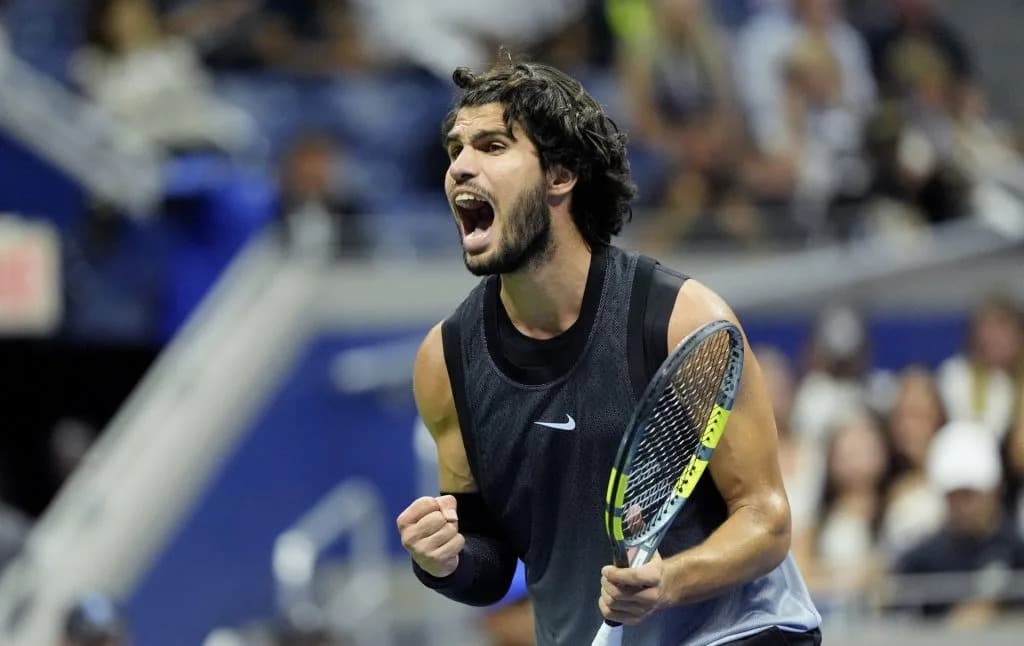
This was not supposed to be a stamina contest. Both men had come through four-hour epics in the quarterfinals — Shelton’s five-set win over No. 2 seed Carlos Alcaraz had ended at 3:33 a.m. on Wednesday; Tiafoe’s comeback over Michelsen had tested him in different ways. Yet they arrived in the semifinals looking fresh, shoulders loose, legs springy.
As the fourth set tightened, it became about nerve.
Tiafoe kept swinging, kept trying to disrupt Shelton’s rhythm, but the younger man had grown into the occasion. The serve held up. The forehand stayed bold. At 6-5, with Tiafoe serving to stay alive, the match turned one last time. Shelton applied pressure, pushed the rallies just long enough, and watched as Tiafoe’s final act — a double fault into the net — sealed it.
No dramatics from Shelton. Just the cold, sharp realization that he had played his way into a US Open final at 23 years old.
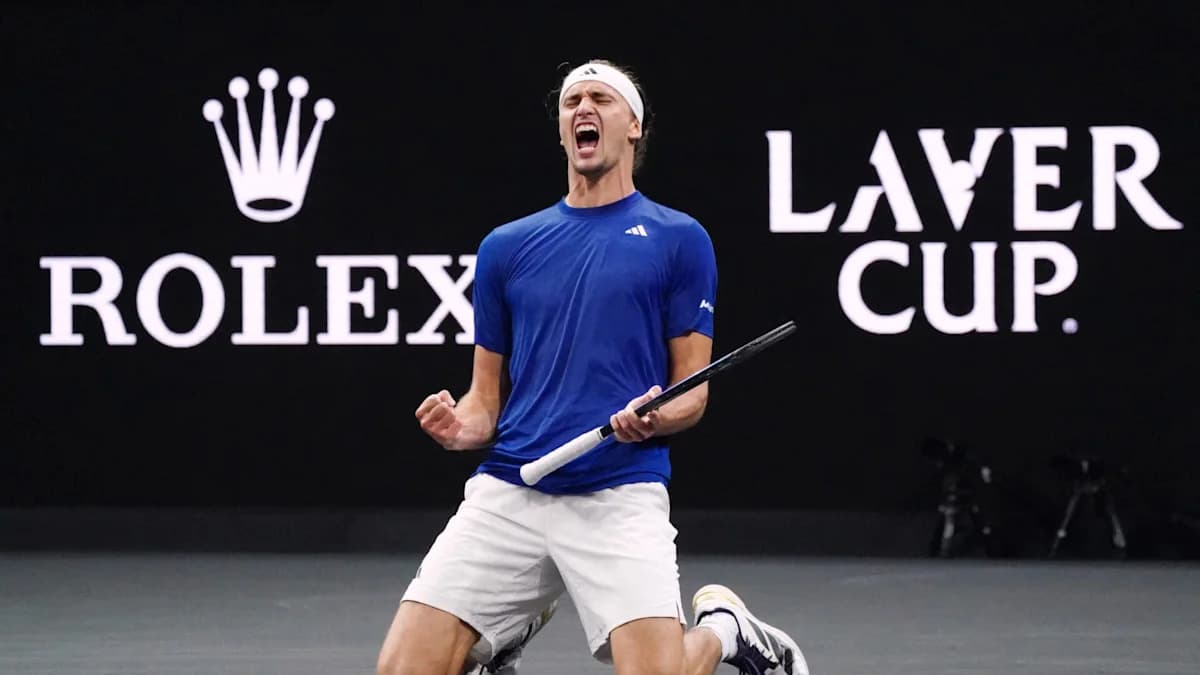
The reward is brutal: top seed Alexander Zverev awaits in Sunday’s final, after the German edged Karen Khachanov 6-3, 7-6 (7), 7-6 (6). Zverev has owned their head-to-head so far. Five matches, five wins. Their most recent meeting, at the ATP Finals in November, ended in straight sets.
Shelton knows exactly what stands in front of him — and what stands behind him. He is already the highest-ranked American man, and this run will drive him up to No. 4 in the world. Tiafoe, despite the sting of defeat, will climb to a career-high No. 8 after his own deep run.
But Sunday is about something bigger than rankings.
No American man has lifted a Grand Slam singles trophy since Andy Roddick won here in 2003. Twenty-one years of near misses, of false dawns, of waiting for the next standard-bearer. Shelton has smashed his way to the brink of ending that drought, carrying with him the weight of history, expectation, and a serve that can blow holes in any game plan.
He has never beaten Zverev. He has never been this close to a major title. He has never had this kind of stage.
Now we find out how fast the future really wants to arrive.