Carlos Alcaraz Steps Away from Revenue Campaign Amid Injury Recovery
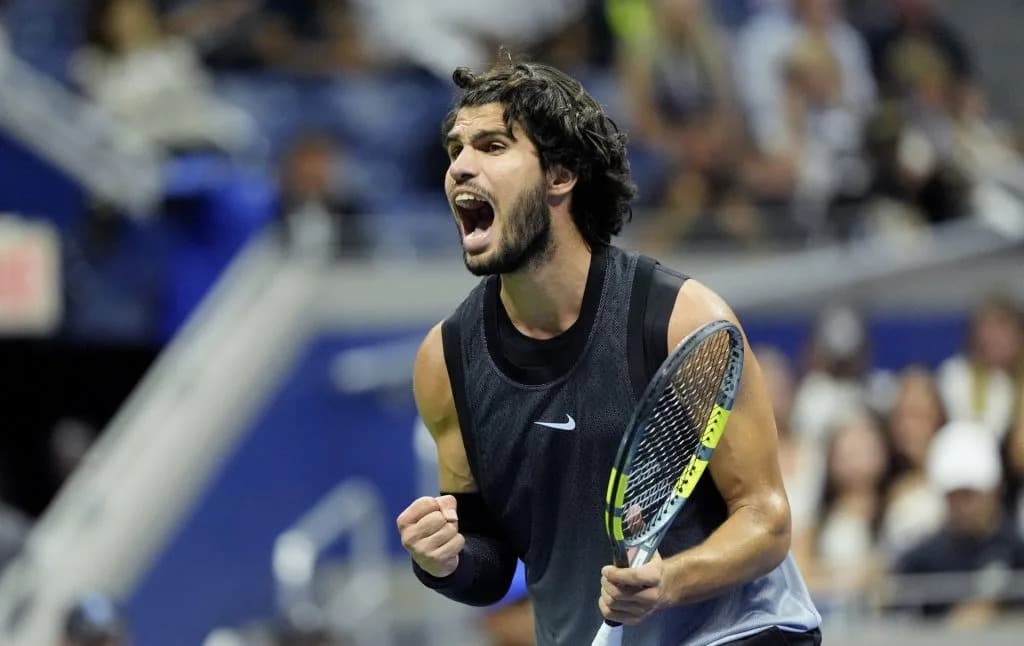
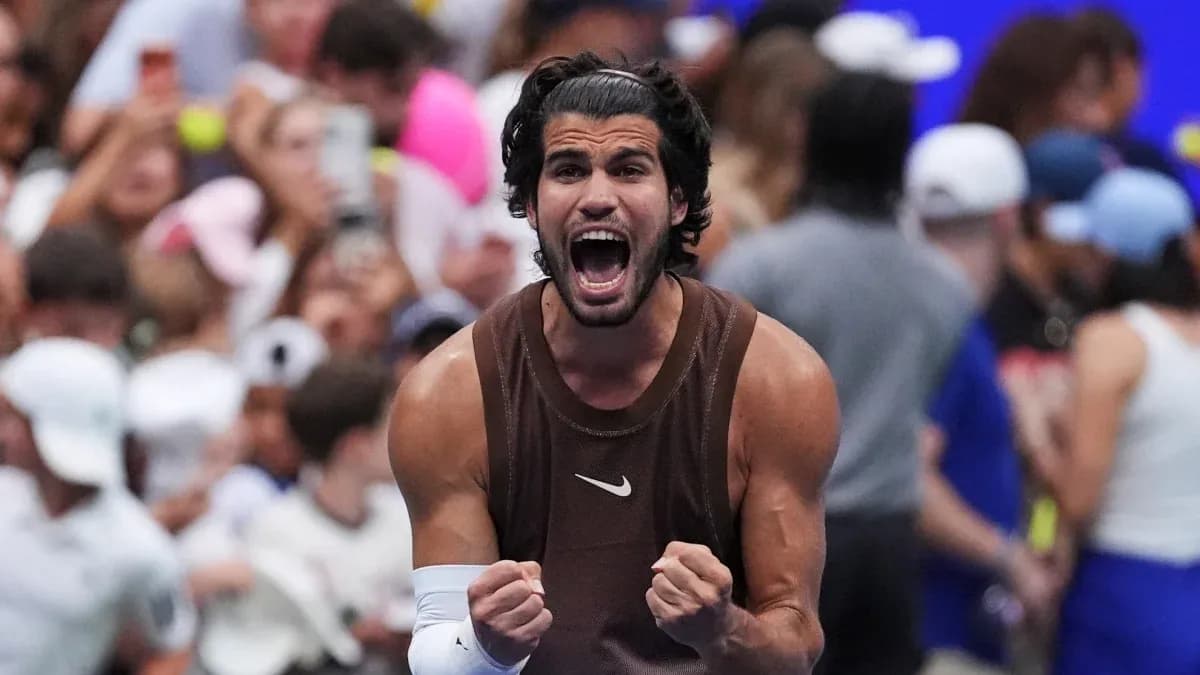
Carlos Alcaraz is back in New York looking like a threat again. The forehand is crackling, the swagger has returned, and the US Open crowds have fallen straight back in love with him.
But away from the noise of Arthur Ashe, something else has shifted. Quietly, and quite significantly, Alcaraz has stepped away from one of the most powerful player movements modern tennis has seen.
A star steps out of the revenue fight
According to The Times, Albert Molina, Alcaraz’s long-time representative, informed the group behind the Grand Slam revenue campaign shortly before the US Open that the Spaniard would no longer be involved.
That group is not a fringe operation. It has featured some of the sport’s heaviest hitters: Aryna Sabalenka, Jannik Sinner, Coco Gauff and others, all aligned behind a simple, explosive demand — a bigger share of the money and a louder voice in how the sport is run.
Launched in March 2025, the campaign set a clear target: push the players’ share of Grand Slam revenue to 22% by 2030. The frustration only hardened through 2026 as the numbers, in the players’ eyes, refused to match the product they were delivering.
Sinner captured the mood bluntly.
“It’s more about respect, you know?” he said. “Because I think we give much more than what we are getting back.”
The discontent spilled into public view. At the French Open, players cut back their pre-tournament media duties in a symbolic gesture, tying their reduced availability to what they believed was an unfair slice of Grand Slam income.
Pressure told. The majors moved.
Wimbledon pushed its prize fund up to £64.2 million. The US Open followed with a 20% jump in total player compensation, taking the pot to $108 million, and introduced a $2 million Player Support Program aimed at shoring up those lower down the rankings. The four Slams also agreed to form a Grand Slam Player Council, a formal platform for player voices that had long been missing.
On paper, it looked like progress. Not a revolution, but a shift.
Now one of the movement’s most visible faces has stepped aside.
Alcaraz’s reported departure doesn’t mean he has turned against the campaign’s aims. There has been no public rebuke, no grand statement. What it does do is puncture the optics of unity the group had been leaning on. Losing a two-time major champion in his early twenties, a global star with crossover appeal, is a blow to any collective push.
The message from Alcaraz’s camp is not about money. It’s about survival.
Injury, reflection and a new reality
The 21-year-old arrived in New York with scars that don’t show on the scoreboard. A wrist injury had wiped out almost five months of his season, forcing him to miss both Roland Garros and Wimbledon — two of the stages on which he most relishes performing.
There were serious doubts about what he would look like on return. Could he still explode into his forehand? Would the wrist hold up under best-of-five pressure? Would the rhythm be there after four and a half months without competitive tennis?
He answered quickly.
- Roman Safiullin.
- Jaime Faria.
- Wu Yibing.
- Tommy Paul.
Four wins, a place in the US Open quarterfinals, and the sense that the old Alcaraz — or something very close to it — had walked straight back through the door.
Paul, beaten and impressed, didn’t sugarcoat the gap between them.
“It felt like he’s playing at a completely different level than me,” he said.
Alcaraz sounded just as sure of himself.
“So it probably doesn’t matter that I was out for four months and a half,” he said. “Every time that I come here, I play my best.”
The tennis is still there. The ambition is still there. What has changed is his tolerance for the grind.
“In the future, I’m going to take some breaks, some long breaks,” he admitted. “Maybe not four months, but one month, two months, missing some tournaments, because it’s impossible to play them all.”
That line cuts straight to the heart of the modern calendar. The sport demands constant travel, constant adjustment, constant stress on the body. For a player who has already carried the weight of “next big thing” for years, the idea of playing every week is no longer just unrealistic. It’s dangerous.
His months on the sidelines appear to have forced a recalibration. Alcaraz is still hunting the biggest trophies, still built for the majors and the Masters, but he is no longer pretending he can show up everywhere and survive.
Power, pressure and what comes next
The timing of his move away from the revenue campaign is telling. As his schedule tightens, so does his focus. His public stance has shifted from structural fights over percentages and councils to the more immediate question of how much a human body can endure.
The movement will go on. Sabalenka, Sinner, Gauff and the rest will keep pushing for that 22% target, for better welfare provisions, for a stronger say in decisions that shape their careers. The recent concessions from the Slams show that unified pressure works.
But the absence of Alcaraz strips away a powerful symbol — a young, multi-surface major champion who was meant to represent the future of the sport and its leverage.
For now, his future is narrowed to something more personal: staying healthy enough, fresh enough, sharp enough to keep chasing titles on the sport’s biggest stages.
He has already learned one brutal lesson from the months he lost. The question now is whether tennis itself is ready to learn it too.