Carlos Alcaraz and Serena Williams Shine at US Open
Carlos Alcaraz steps back into the US Open spotlight not with a routine hit on Arthur Ashe, but with a partner straight out of tennis mythology: Serena Williams.
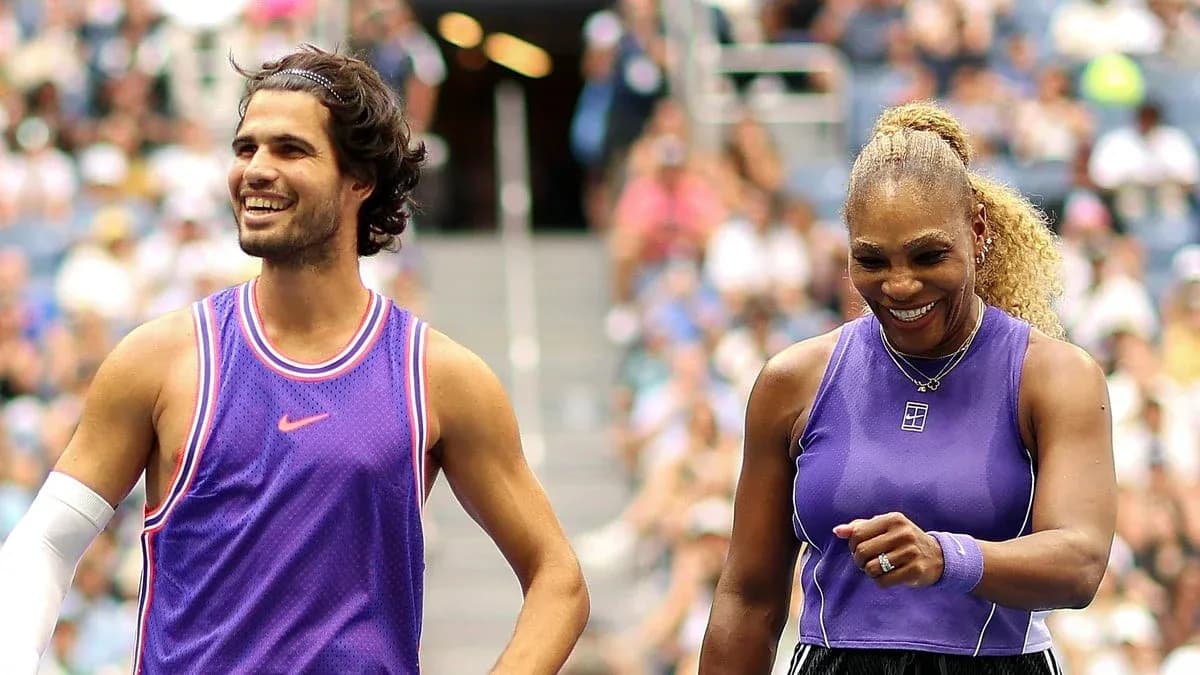
On a New York night built for nostalgia and new beginnings, the 21-year-old Spaniard and the 23-time Grand Slam champion shared the same side of the net, dressed in matching purple and playing with the kind of easy chemistry that makes an exhibition feel like an event. Across the net, Erin Routliffe and Lloyd Glasspool never really stood a chance against the weight of that storyline.
Alcaraz knew it.
“I’m playing next to the one and only Serena Williams, so what else could you do? Just enjoy... Trying to do the things she told me to do,” he said, still sounding half in disbelief. Asked if he actually follows her advice, he didn’t hesitate: “Obviously.” Williams, laughing as the question swung her way, backed him up. “Yes, he does,” she said.
The exchange fit the mood. This was light, playful tennis, but layered with something heavier: a comeback, a return, and a reminder of how quickly eras shift in this sport.
A shared return, from different places
For Alcaraz, this US Open is a restart. The wrist injury that kept him out for months stripped away rhythm, matches, and the daily grind he thrives on. The absence hit him hard.
“Absolutely, after a couple of months recovering from my injury, I miss everything. I miss this place, I miss the crowd, I miss the ball kids,” he admitted after a training session earlier in the week.
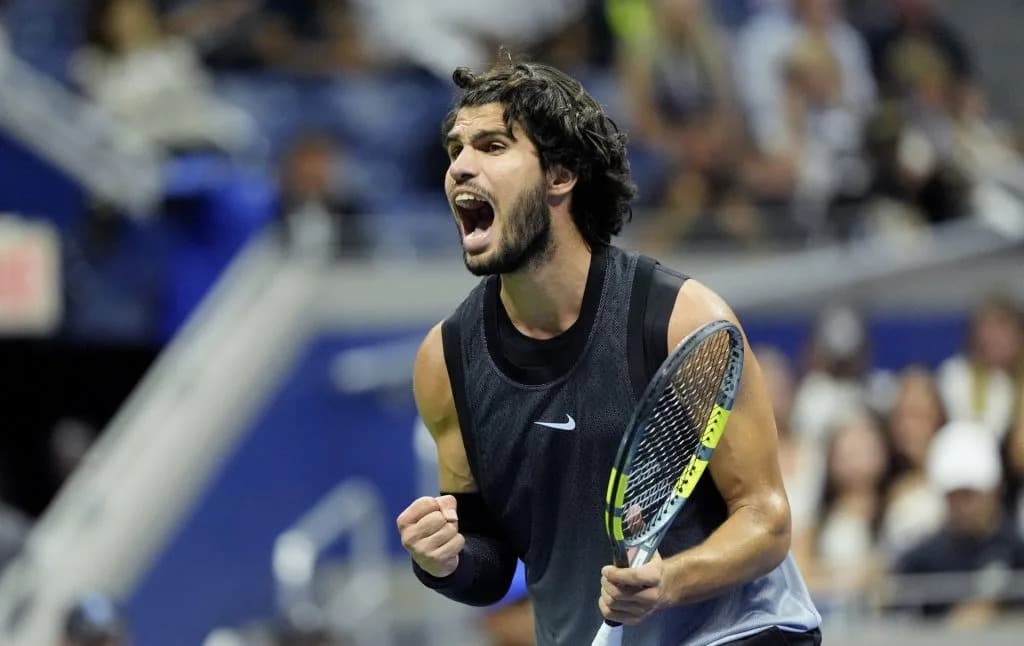
That longing showed the moment he walked back into the New York noise. The smile was there, but so were the nerves. Lining up alongside Williams only cranked up the tension.
“I think everybody could see... I double-faulted the first point, so yeah, I was really, really nervous,” he said. “I was out four months and a half, almost five months, I almost forget how it feels stepping onto the court once again.”
The double fault told its own story. So did what followed: the loosened shoulders, the sharper strikes, the joy of simply competing again.
Williams arrived from a different angle. This is her first appearance at the US Open in four years, a place where she built a dynasty and carried the sport on her shoulders for two decades. Now, she’s back on court, but not in the grind of singles, not chasing another major. Just soaking in a moment she never expected to have.
“It’s always an amazing place to be here,” she said. “I never expected to be back on this court, so it’s just a really cool moment. I never thought this would happen.”
No titles on the line. No ranking points. Just Serena Williams, back in Queens, feeding off a crowd that still roars at the sight of her.
One legend, one heir, and a crowd that remembers
The dynamic between them felt natural: the legend and the player many see as part of the sport’s future, trading smiles and quick words between points. Alcaraz listened. Serena led. The result was inevitable: Routliffe and Glasspool beaten, the crowd entertained, the cameras locked in.
Yet this night was less about the scoreline and more about the symbolism. Williams, who once owned this tournament, stepping back into the arena on her terms. Alcaraz, who already knows what it is to win here, using the occasion as a springboard into the most important week of his season so far.
The exhibition gave him something he’s been missing: the feeling of New York under the lights, the timing of the ball, the live-fire test of his wrist and his nerve. It also gave him a chance to lean on Williams’ presence while he shook off the rust.
Now the fun is over. The real work returns.
Alcaraz resumes his singles campaign this weekend against Roman Safiulin, a proper test for a player still rebuilding confidence and match sharpness after nearly five months away. Williams, by contrast, will not step into the singles draw. Her role here is different now: not contender, but icon.
One is chasing the present. The other owns the past.
On this night in New York, they met in the middle of the court, in matching purple, and reminded the US Open why it missed them both.