Claire Liu Ends Alex Eala's Hong Kong Run but Opens New Opportunities
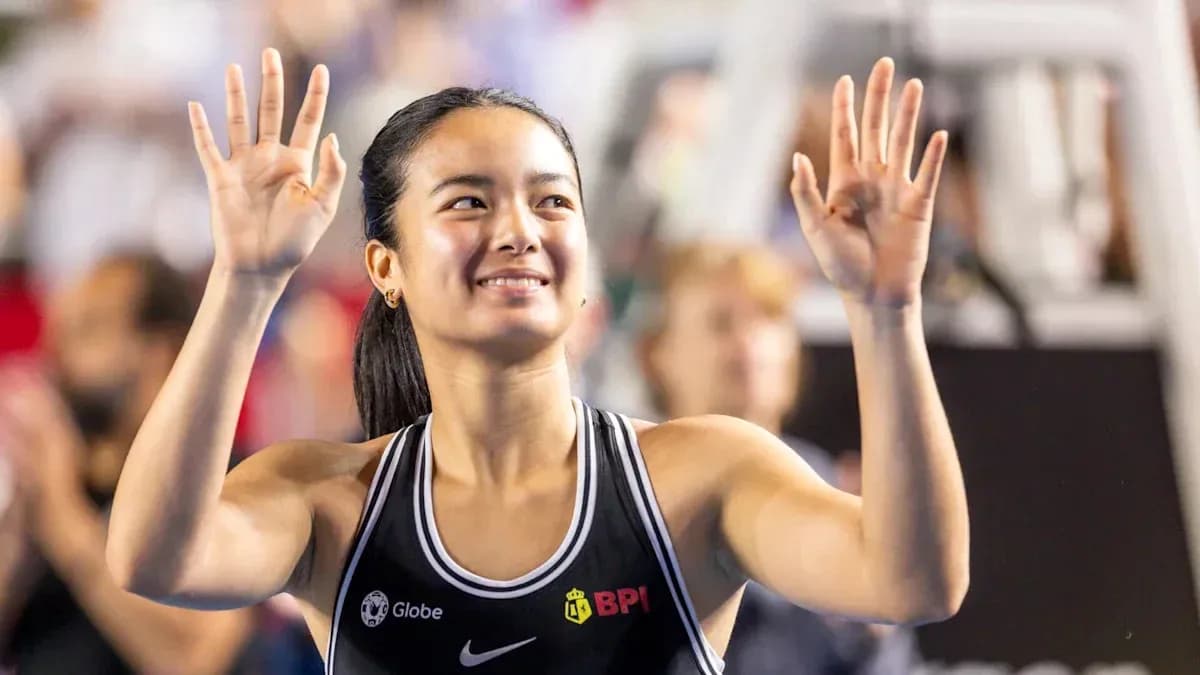
Claire Liu ended Alexandra Eala’s Hong Kong Open campaign with a ruthless burst of momentum, yet the scoreboard told only half the story of the Filipina’s week – and her season.
On Victoria Park Centre Court in Causeway Bay, the American from Thousand Oaks, California, ripped through nine straight games to seal a 6-3, 6-0 win. Once Liu settled, the match turned into a one-way surge. Eala simply couldn’t get a foothold on serve, and the numbers laid it bare: just 47 per cent of first serves landed, and only 40 per cent of points won behind the second delivery.
The pressure mounted. The games flew by. The contest was gone in a hurry.
Yet this is not a defeat that defines her year. Far from it.
A loss on the day, a breakthrough in the rankings
Eala leaves Hong Kong with something many players chase for years: a new tier of recognition on the WTA Tour.
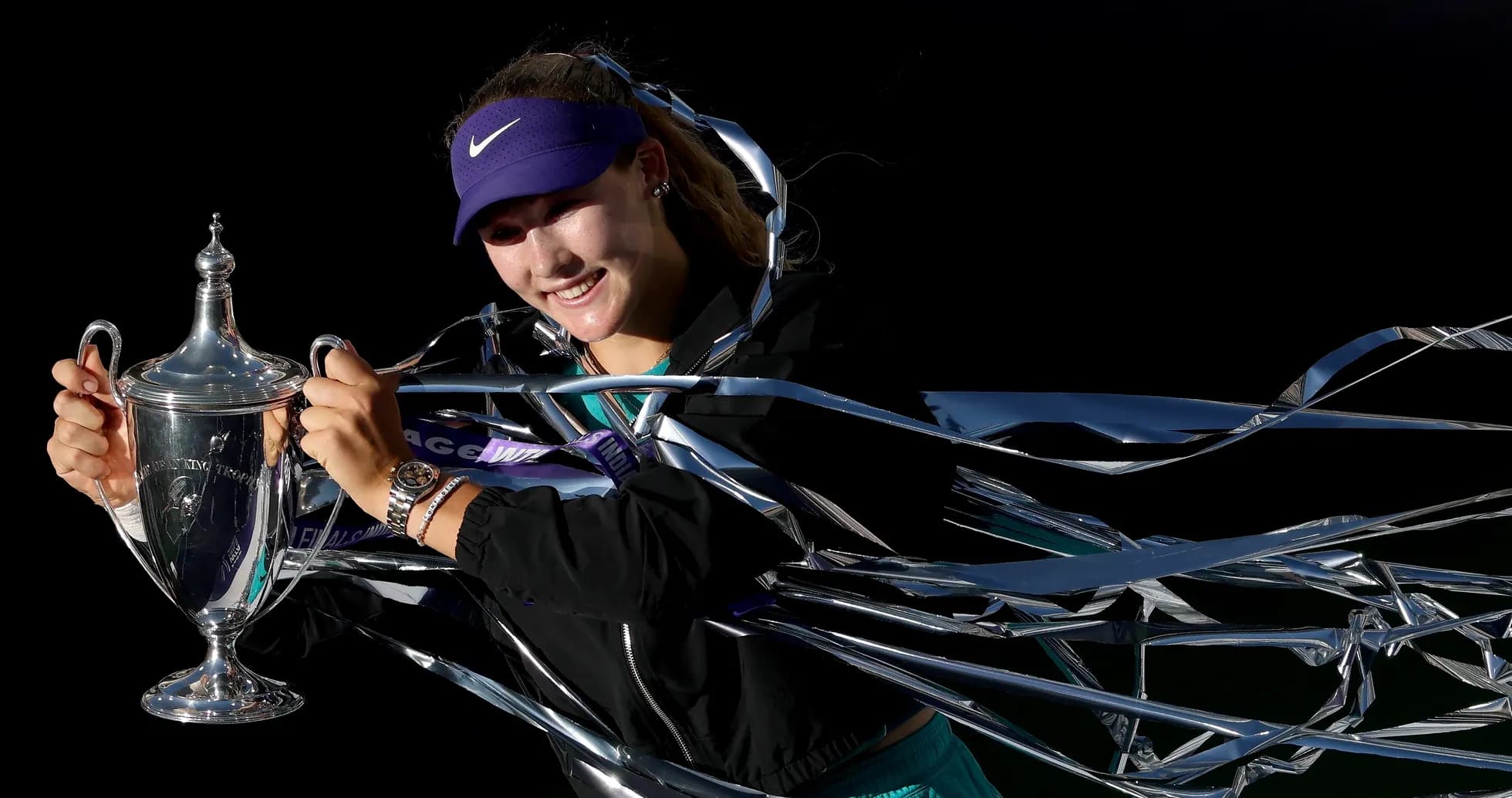
The 20-year-old, who captured her first WTA title in Washington in August, banks 103 ranking points from her run to the final. That haul nudges her two spots higher in the standings, lifting her above Sorana Cirstea – now retired – and four-time Grand Slam champion Naomi Osaka.
On Monday, the rankings update will make it official: Alex Eala, world No. 15.
For a player still at the front end of her career, it’s a landmark. It validates a season that has felt like a breakout, not just a hot streak. The climb into the top 16 also carries real weight when the conversation shifts to the sport’s biggest stages.
Australian Open picture comes into focus
With Eala now inside the top 16, the 2027 Australian Open suddenly looks a little different for her – and for everyone else.
At the majors, a top-16 seed is gold. It protects players from facing another top-16 opponent until at least the fourth round, clearing a potential path to the second week before the real heavyweight collisions begin.
Given that Australian Open seedings are locked in six weeks before the tournament, Eala’s new status makes her all but certain to arrive in Melbourne as one of those protected names. For a young player still learning to manage the demands of best-of-three-set tennis at the highest level, that buffer can be the difference between an early scrap with an elite rival and a more measured build into the tournament.
The loss in Hong Kong stings today. The ranking it delivers may shape her next two years.
Hong Kong 2025: tight margins and a familiar face
This year’s Hong Kong Open itself offered a snapshot of Eala’s growing profile and the fine lines that separate a routine week from a deep run.
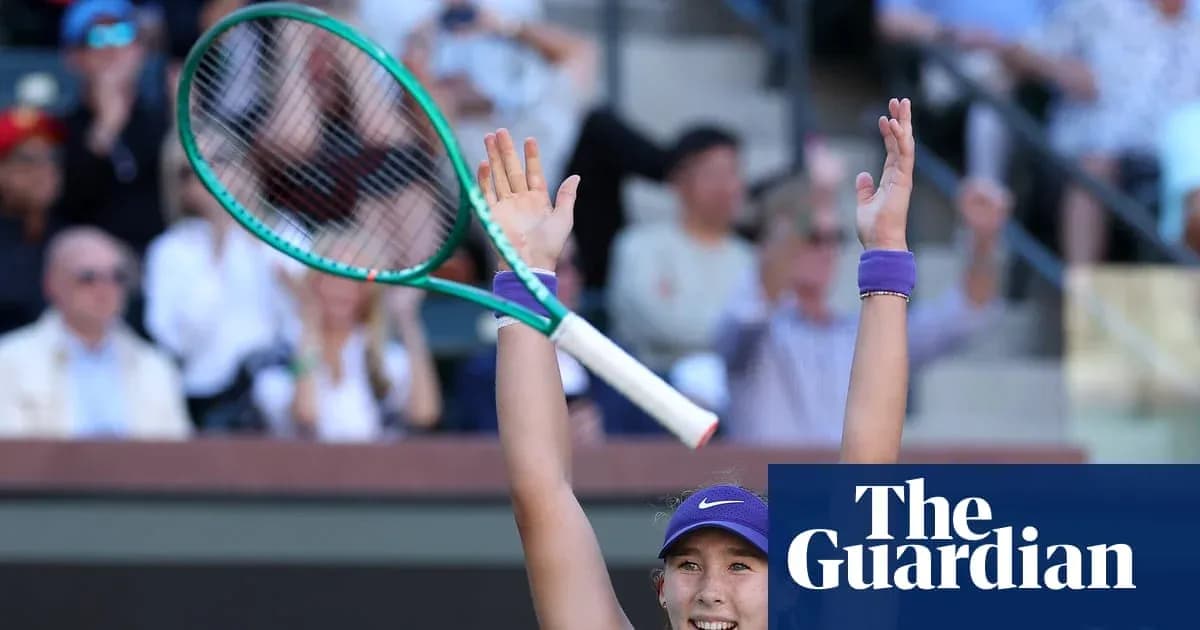
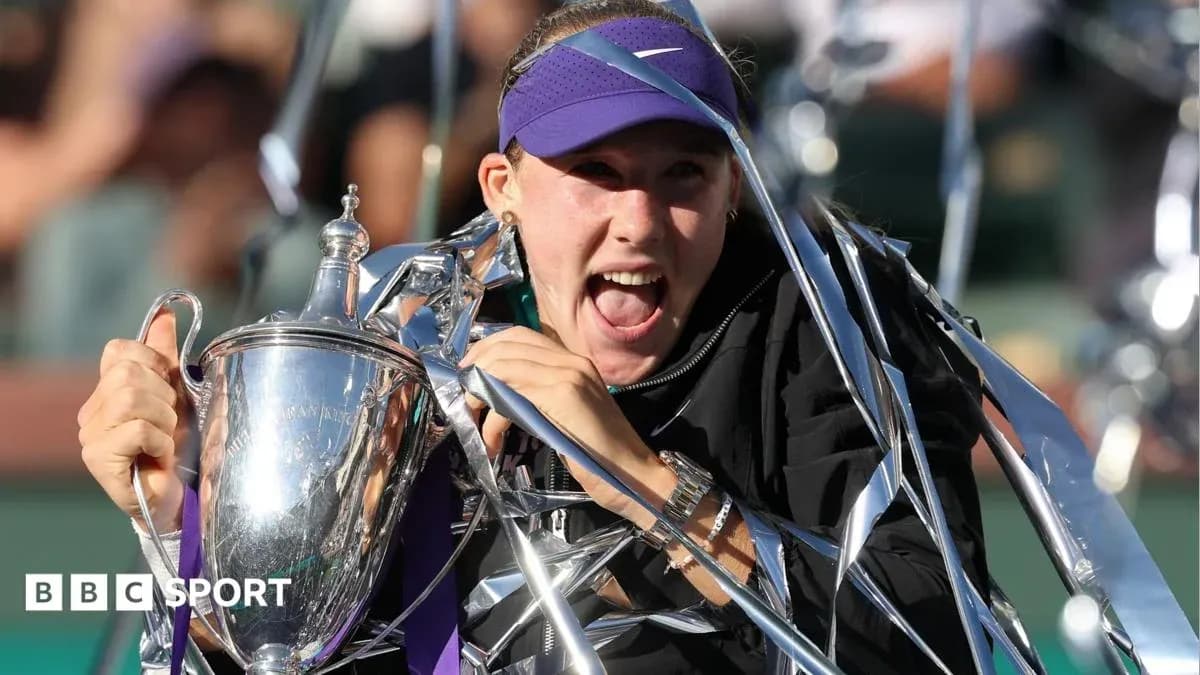
She advanced to the second round when Katie Boulter retired from their first-round match, trailing 6-4, 2-1. From there, the draw sent her straight into the path of Victoria Mboko, who would go on to lift the trophy.
That second-round clash tilted back and forth before Mboko finally wrestled it away, 3-6, 6-3, 6-4. Eala led 4-1 in the deciding set, seemingly on the brink of a statement win over the eventual champion. Then the match flipped. Mboko reeled off five straight games, and with them, the match and the momentum that carried her through the rest of the week.
There was no bad blood, only respect. “She’s such a sweet girl and we have so many great memories together off the court,” Mboko said of Eala afterward. “We’ll go and get bubble tea together, we do the most wholesome things together.”
It was a reminder that the tour is both a battleground and a travelling community. One day you’re trading groundstrokes for a place in the next round; the next, you’re sharing bubble tea with the same opponent.
Eala walks away from Hong Kong without the trophy, but with a new career high, a top-15 ranking, and the realistic prospect of entering a Grand Slam as a genuine seeded threat. The question now is not whether she belongs at this level.
It’s how far, and how fast, she plans to climb from here.