Coco Gauff Advances as American Hopes Dwindle at US Open
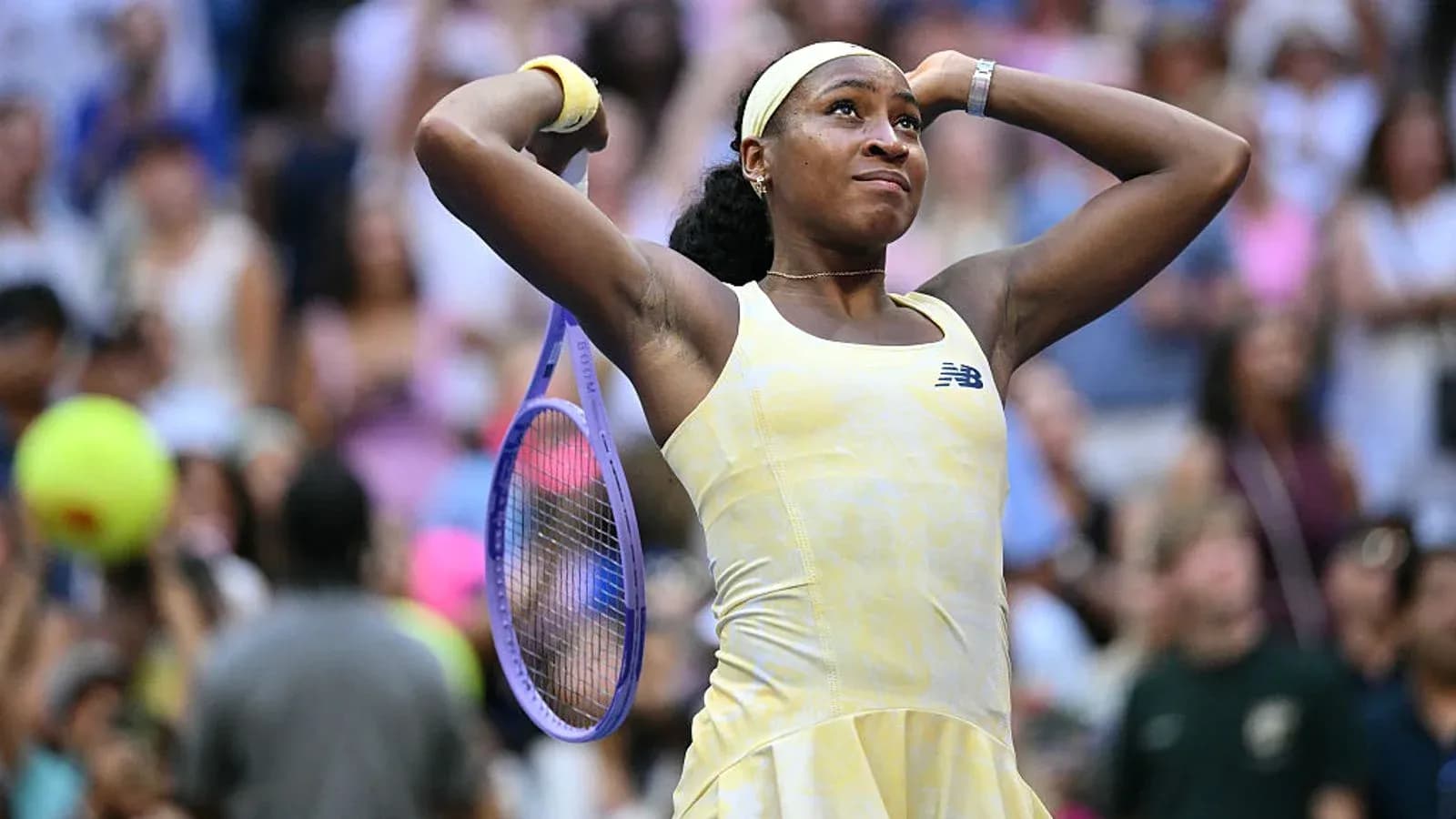
Coco Gauff walked into a jittery Arthur Ashe Stadium carrying more than just her racket. On a bruising day for the home contingent at the US Open, the defending champion became the one reliable note in a discordant American chorus.
She was not spectacular. She did not need to be.
Against world No 40 Cristina Bucsa, Gauff’s level flickered, but her resolve did not. The 22-year-old pushed through a scratchy performance to win 6-3 6-4 and reach the last 16, keeping alive the prospect of a deep home run in a draw that suddenly looks far less red, white and blue.
Day session, different feel. Different Coco, too.
“I think it was way different playing in the day than at night. Once I was down that break I just told myself I need to accelerate through my shots,” she said, offering a neat summary of the match’s turning point. Bucsa’s change of pace, her ability to mix and disguise, disrupted rhythm and dragged errors from Gauff’s racket, but the American stayed in the fight.
“She’s a tricky player and sometimes she can pick it up and slow it down, so it was tough for me to get a rhythm but I’m just happy with how I fought through even when I wasn’t playing my best.”
It was enough. Not pretty, not flowing, but enough.
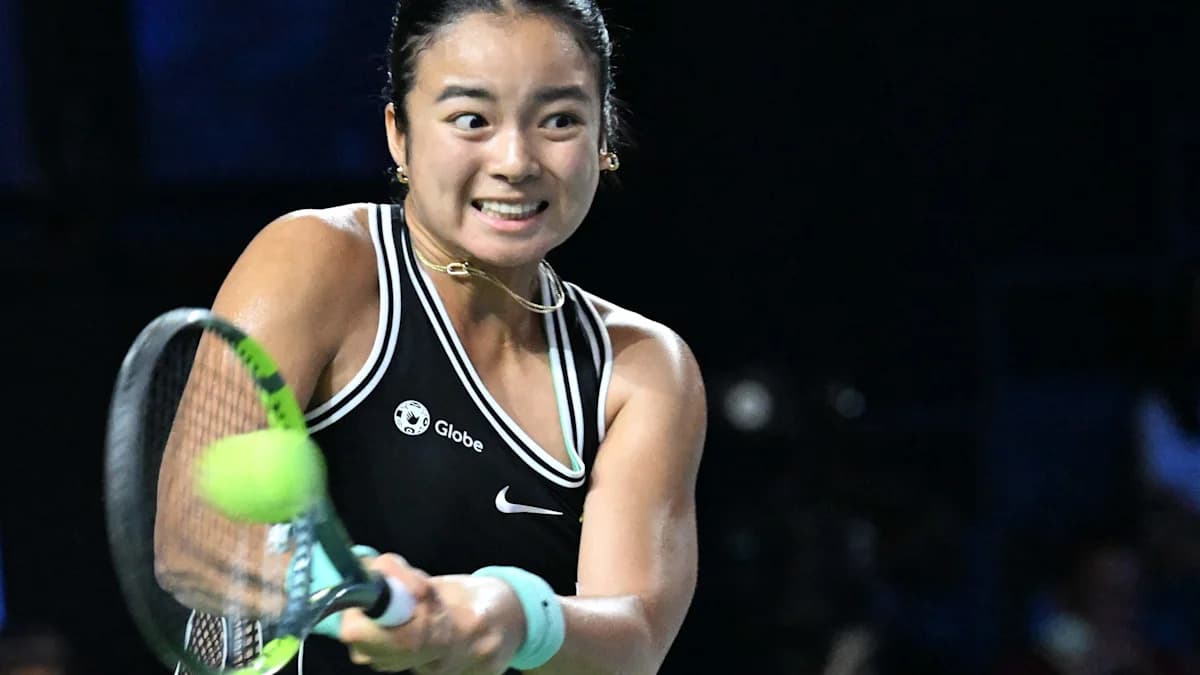
Gauff now waits for the winner of an all-teen clash between compatriot Iva Jovic and Alexandra Eala of the Philippines, with a quarter-final berth on the line. The path is open. The pressure will only grow.
Fritz crumbles from two sets up
While Gauff survived, Taylor Fritz imploded.
The ninth seed looked to be on cruise control against Federico Cerundolo, two sets to the good, apparently marching towards the second week without having dropped a set all tournament. A runner-up in New York two years ago, Fritz seemed on course to join Ben Shelton, Frances Tiafoe, Tommy Paul and Alex Michelson in the last 16.
Then the match turned messy. And then it turned on its head.
Cerundolo, the surprise grass-court champion at Queen’s Club earlier this summer, dug in. The Argentine began to scrap, to stretch rallies, to force Fritz into tighter margins. Errors poured from the American’s racket as Cerundolo dragged the contest into the kind of dogfight Fritz never wanted.
From there, the scoreline told the story: 3-6 4-6 6-3 6-4 6-4.
The upset deepens a long-standing frustration. The host nation is still searching for its first men’s singles champion in New York since 2003, when Andy Roddick beat Juan Carlos Ferrero. Another year, another big name falling short of the second week.
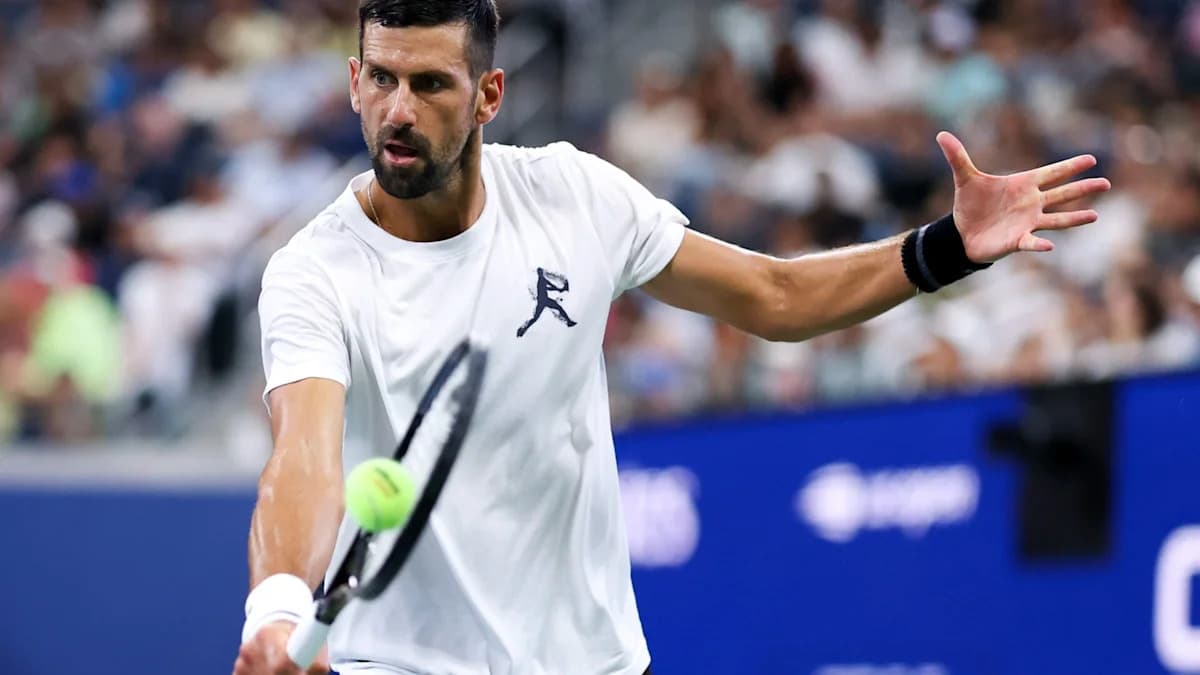
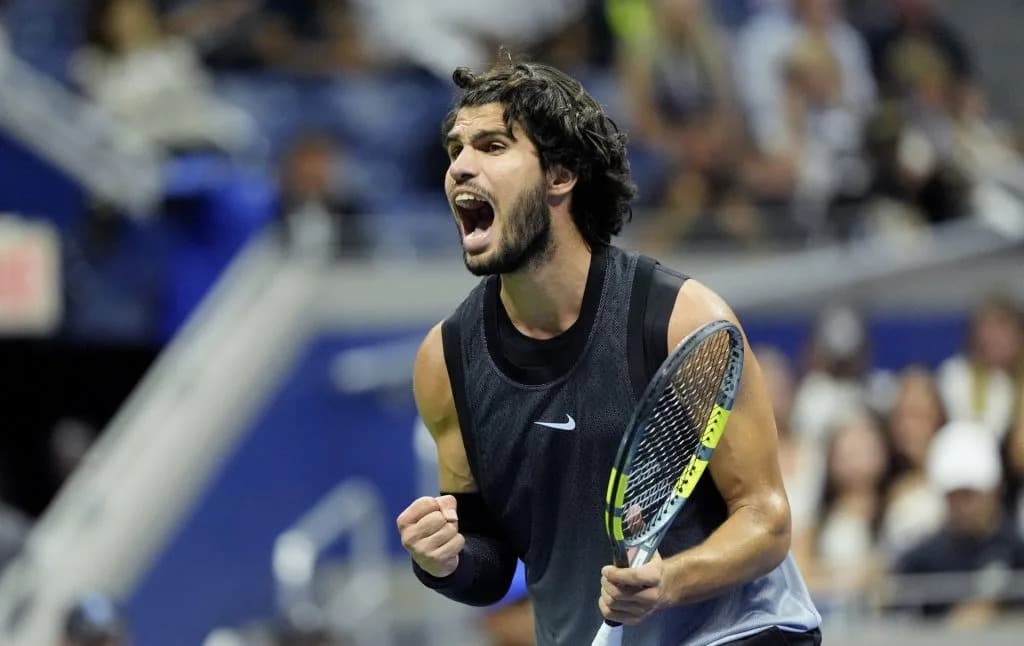
Tommy Paul now steps into the spotlight. The 20th seed faces defending champion Carlos Alcaraz in what shapes up as the Spaniard’s first serious examination since returning from injury.
“I think I played Carlos more than anybody on tour, for me, which is kind of crazy,” Paul said. “We’ve had some good matches.
“But, I mean, he’s the test, him and [Jannik] Sinner. They have been playing great, and I guess Carlos we haven’t really seen too much, but he’s obviously doing pretty well coming right back to competition.”
On the other side of the draw, Belgian 28th seed Alexander Blockx produced another jolt to the seeding chart, ousting Italian fifth seed Flavio Cobolli 6-7 (4-7) 6-3 6-0 6-3. His reward is a fourth-round meeting with Cerundolo, the man who sent Fritz home.
Keys’ nightmare collapse
If Fritz’s defeat hurt, Madison Keys’ loss will linger.
The 2017 US Open runner-up led Qinwen Zheng 5-0 in the deciding set. The match was in her hands, the finish line in sight. Then panic walked onto the court.
Keys, 31, unravelled in brutal fashion as Zheng clawed her way back to a 1-6 7-6 (7-3) 7-5 victory, turning what looked like a routine American win into one of the most startling comebacks of the tournament.
“I feel like I obviously got off to a really good lead, and then I just got really scared, like I couldn’t swing,” Keys admitted afterwards. “I don’t know. Tennis just feels really hard right now, so I feel like that kind of took over.”
It showed. The forehand that had been dictating suddenly shortened. The serve lost its bite. Zheng, sensing the fear, played freer, hitting through the court and flipping the script point by point until Keys’ lead, and then her tournament, disappeared.
The American exodus continued with Amanda Anisimova, last year’s beaten finalist, who sprayed 46 unforced errors in a 6-2 7-5 defeat to Austrian Anastasia Potapova. Anisimova’s power came without control, and Potapova did not need a second invitation.
French Open champion Mirra Andreeva, one of the sport’s most compelling young forces, also marched on. The Russian fifth seed handled Czech player Nikola Bartunkova 6-2 7-6 (7-5) to reach the fourth round in New York for the first time. Potapova awaits in a match-up that promises clean ball-striking and very little compromise from the baseline.
Swiatek digs in, Zheng looms
On a day of collapses and comebacks, Iga Swiatek’s win was about stubbornness.
The six-time Grand Slam champion, seeded eighth here, had to work for everything against Czech 25th seed Marie Bouzkova. Both sets went to tie-breaks, both demanded full physical and mental engagement, and both ended 7-6 (7-3) in Swiatek’s favour.
“It got pretty physical, many long rallies,” the 25-year-old said. “It wasn’t easy.”
Nothing about this fortnight will be. Her next opponent is Zheng, fresh from that wild turnaround against Keys, carrying confidence and a booming baseline game into a clash that feels like it belongs in the latter stages of a major.
Williams sisters avoid fine after media no-show
Away from the singles drama, the Williams sisters briefly stepped back into the New York spotlight, then stepped straight out of the media glare.
Serena and Venus Williams, playing their first match at Flushing Meadows in four years, lost a tight three-set doubles encounter to Maya Joint and Chan Hao-ching on Friday night. They did not speak to the press afterwards, a move that usually triggers a fine under tournament regulations.
This time, they will not be punished. No official explanation, no sanction. Just a quiet exception for two players whose names are woven into the fabric of this stadium.
So the day ends with Gauff still standing, Keys and Fritz gone, and Swiatek and Zheng now on a collision course. For the American fans filing out into the Queens night, the question lingers: is Gauff’s grind the start of another title run, or the last line of resistance in a tournament slipping away from home hands?