Djokovic’s Influence on Men’s Tennis: Legacy or Overreach?
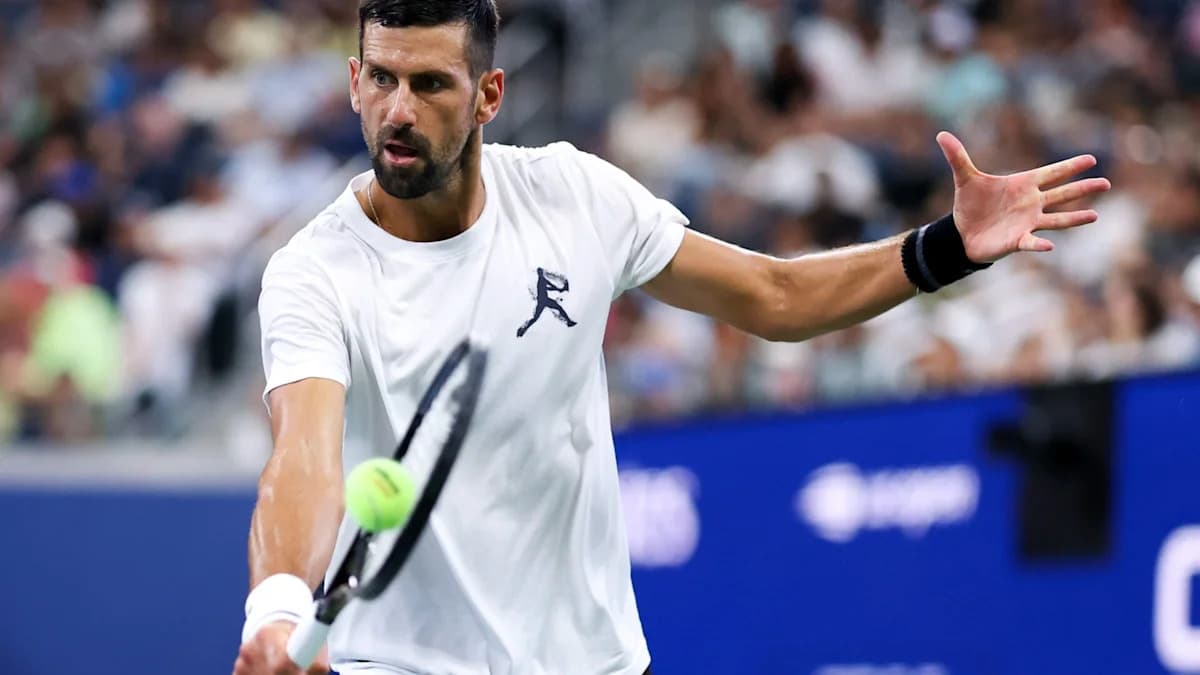
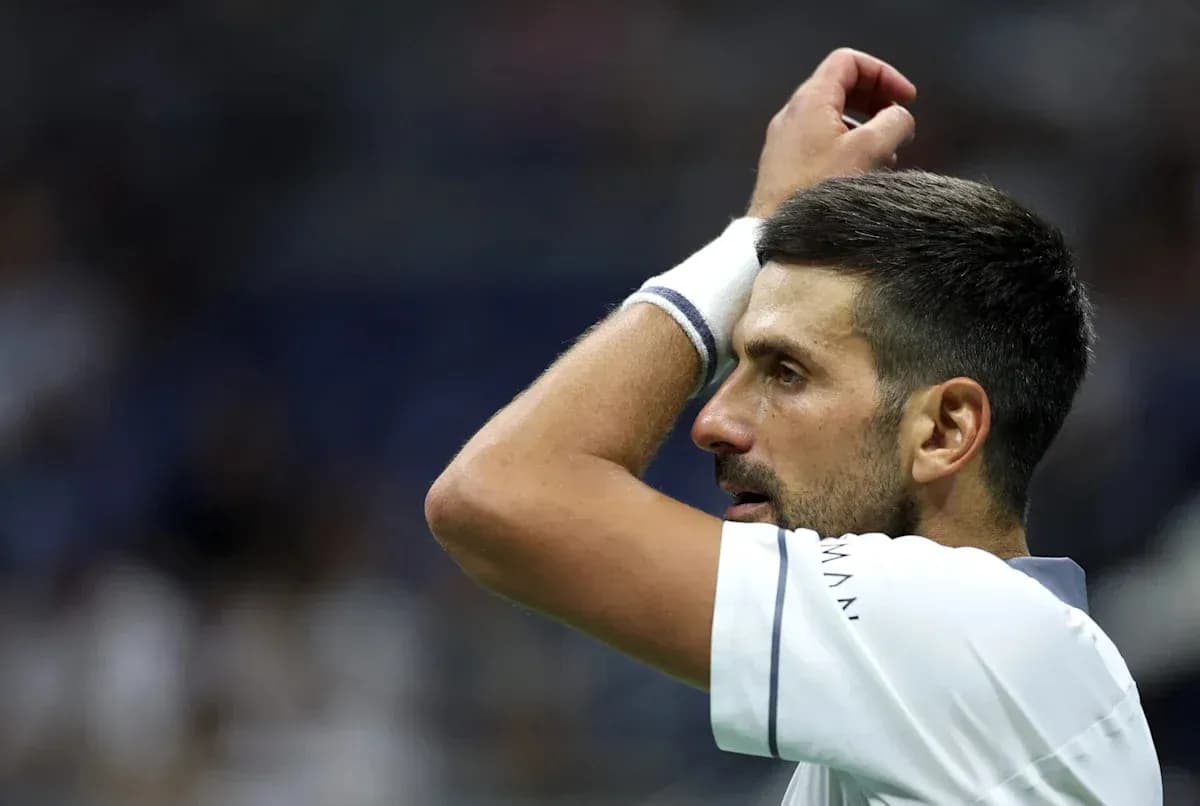
Novak Djokovic has spent two decades bending men’s tennis to his will. Records, rivalries, reinventions – his fingerprints are everywhere. Even now, at 39, with his dominance finally starting to fray at the edges, he is still trading blows with players young enough to have grown up watching him on television.
He has the results to prove it. A win over Jannik Sinner in 2026. A tight Australian Open final against Carlos Alcaraz that slipped away only in the margins. On paper, that’s a veteran refusing to fade quietly.
But it isn’t a forehand, a backhand or a trophy that has Djokovic under the spotlight this week. It’s his tongue.
Djokovic’s claim of influence
Speaking with Kevin Hart in a snippet from the comedian’s podcast, Djokovic stepped into more controversial territory. He suggested that Alcaraz and Sinner had effectively borrowed from his game, arguing that his style had shaped the way they now play.
He framed it as a point of pride, not a put‑down. This was Djokovic the statesman, talking about legacy, about how the sport evolves and how the next generation absorbs what came before.
The message was clear: if you see echoes of his movement, his elasticity in defense, his ability to turn defense into attack, that’s no accident. In his eyes, they are part of his tennis lineage.
Sinner comparison accepted, Alcaraz sparks backlash
Plenty of observers can see the Sinner link. The Italian’s balance from the baseline, his ability to redirect pace, his improved return game – there are shades of Djokovic in there. Sinner himself has spoken often about learning from the Big Three, and the resemblance doesn’t feel far‑fetched.
The Alcaraz comparison is where the mood shifts.
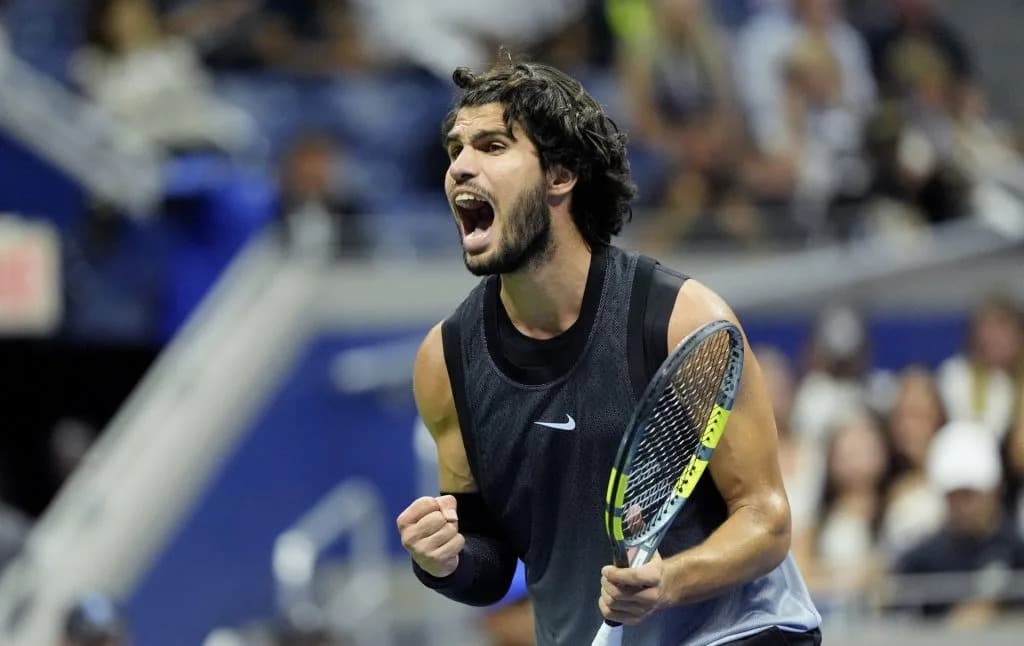
Alcaraz’s game is a whirlwind: heavy topspin, explosive acceleration, drop shots from nowhere, a willingness to rush the net. He looks like a fusion of several eras rather than a direct descendant of one player, and that is exactly where many fans have drawn the line with Djokovic’s comments.
One supporter on X captured the disbelief, writing: “I'm genuinely lost for words at this point. I'm being totally serious here. I don't know what to say.”
It was a snapshot of a wider reaction – not outrage at an insult, but exasperation at what some view as Djokovic overreaching in his bid to define his own influence.
Legacy, ownership and the next generation
Djokovic has every right to talk about legacy. His numbers demand it. Grand Slam titles, weeks at No.1, longevity that now includes wins against opponents almost half his age – the resume is beyond dispute.
The tension comes when legacy turns into ownership.
Fans see Alcaraz as something new, a player who has smashed through the template rather than refined it. To them, suggesting he has “copied” Djokovic feels like trying to box in a talent that thrives on unpredictability.
Sinner? That’s evolution with a clear family tree. Alcaraz? That’s a different branch altogether.
And so, even as Djokovic keeps extending his career at the sharp end of the sport, the debate around his words underlines a simple truth: the next generation may carry his influence, but they are determined to write their own story – and fans are just as determined to protect that distinction.