Eala's Filipino Fans Transform Tennis Atmosphere
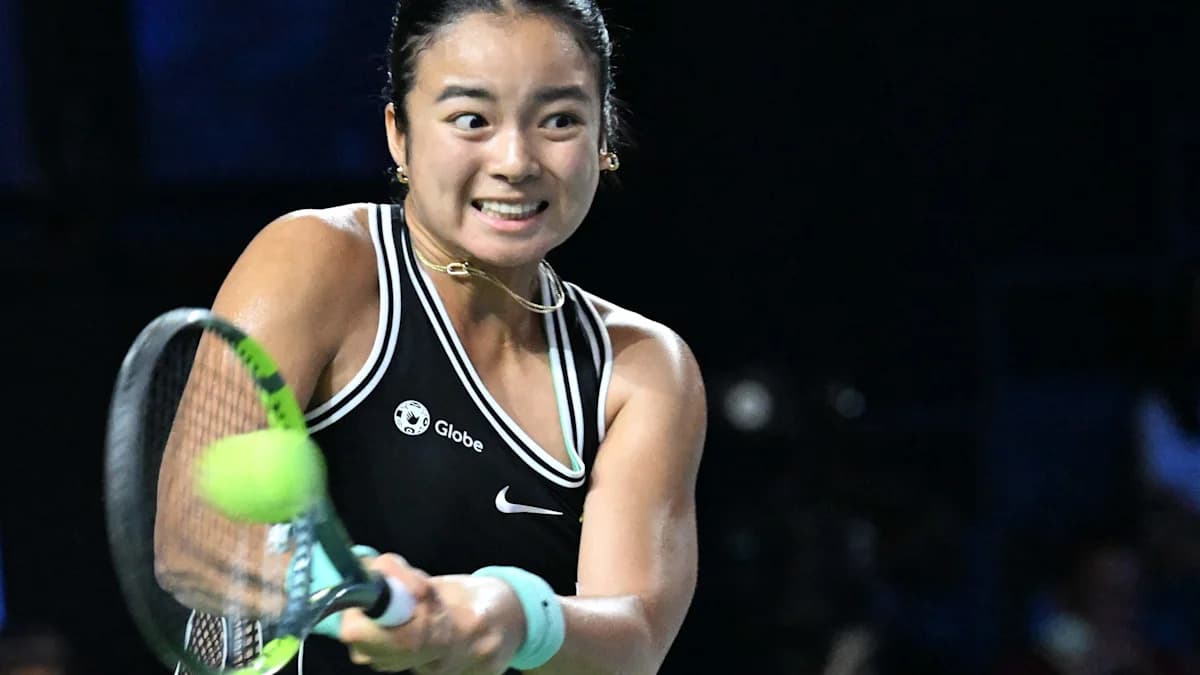
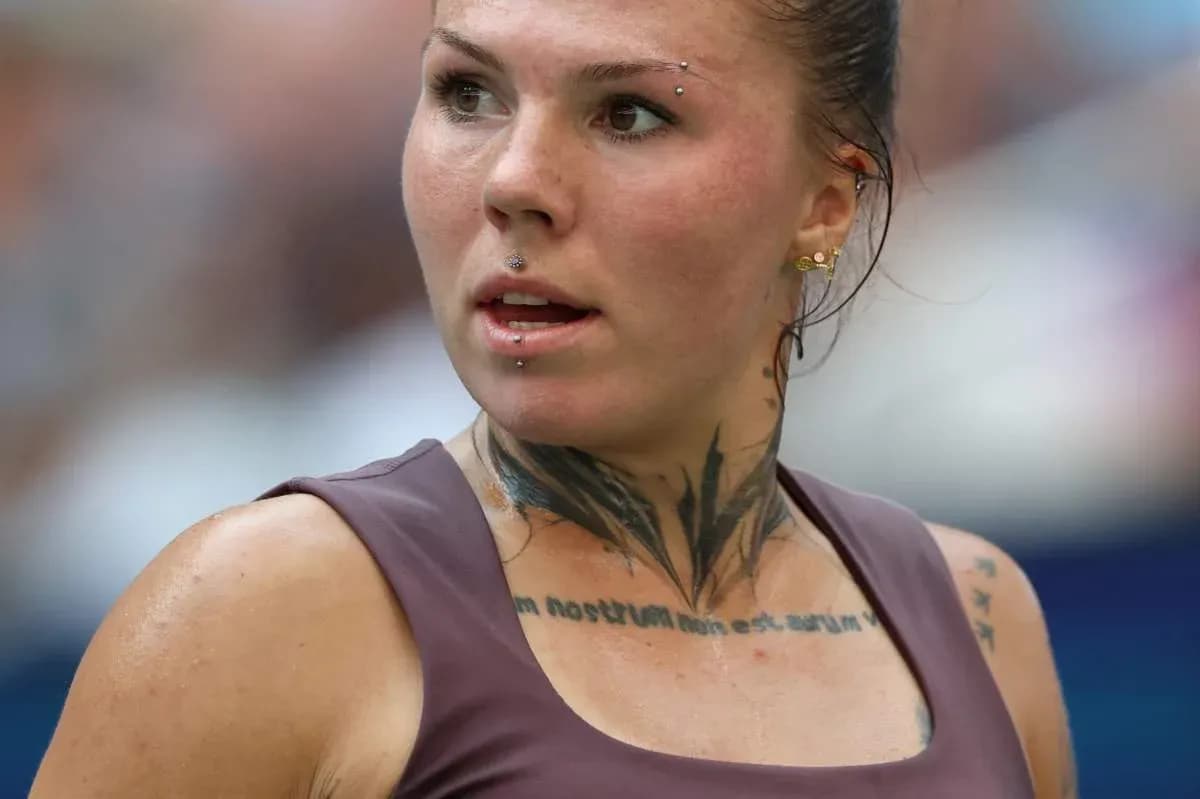
On Thursday inside Louis Armstrong Stadium, Oleksandra Oliynykova walked into a cauldron. Not just a second‑round match at the US Open. A wall of sound.
Alex Eala’s Filipino fans had already been branded loud, rowdy, out of step with tennis etiquette. Oliynykova got the full experience from the harshest vantage point: across the net from their hero.
She lost 6-1, 6-4. She left with something else.
Hours later, there was no complaint about noise, no pointed remark about distractions. Instead, the Ukrainian opened Instagram and sent a message — not only in English, but in Filipino.
“Mahigpit na yakap sa aking mga tagahanga sa Pilipinas! Napakainit ng inyong pagmamahal, napakatapat, at talagang kahanga-hanga kayo!”
A tight embrace for her supporters in the Philippines. Praise for their warmth, loyalty and kindness. A small gesture on a social platform, but a telling one in a larger debate swirling around Eala and the people who follow her.
A New Soundtrack for Tennis
Eala’s rise has dragged a different kind of crowd into one of sport’s most tradition-bound arenas.
The Washington Post detailed the tension this week: fans cheering double faults, calling out mid-point, needing ushers and announcements to explain when silence is expected. At this year’s US Open, one sign in the stands distilled the cultural clash into six unapologetic words:
“Sorry we’re loud. We’re Filipino.”
For long-time tennis watchers, that volume can feel like sacrilege. The sport has long prized hushed concentration, polite applause, reverent quiet during serves and rallies. Philippine media outlets have even begun publishing guides to tennis etiquette as Eala’s popularity pulls in fans raised on the roar of basketball arenas, not the murmur of show courts.
There is a line, and it matters. Players deserve a fair environment to perform, free from deliberate interference.
But something else is happening around Eala that is harder to dismiss with a wagging finger.
She is opening the gates to people who never saw themselves in this sport.
At Flushing Meadows, that has meant families draped in Philippine flags, kids in Eala shirts, and supporters streaming in from Filipino communities in Queens and New Jersey. The US Open’s own coverage called Thursday’s scene a “Filipino party,” as Louis Armstrong filled for a second-round match that, on paper, might have blended into the schedule.
One woman told USOpen.org her granddaughter picked up a racket because of Eala.
That is not a breach of etiquette. That is growth.
The Opponent Who Felt the Warmth
Oliynykova’s Instagram story pulled back the curtain on what the atmosphere felt like once the last point ended.
“I went for a little walk around the US Open grounds, and it was incredibly heartwarming to see how many people came up to me with kind words,” she wrote.
She described an “incredible number” of messages and comments. She thanked fans for making her feel supported.
This came from the player the crowd had spent the afternoon roaring against.
The same voices that had surged for Eala’s winners and Oliynykova’s errors apparently turned, after the handshake, into open-armed hospitality. Enough for her to answer in three languages, including Filipino.
That duality — fierce during the contest, generous the moment it ends — is deeply familiar to anyone who knows Filipino sporting culture. It is not always neat. It is always passionate.
A Different Audience, a Different Future
Eala’s ascent has unsettled some corners of tennis because the faces in her section do not mirror the sport’s usual demographic.
That does not give anyone a free pass to shout during serves or celebrate double faults. Fans can, and should, learn the rhythms and unwritten rules of tennis.
But to reduce this movement to “bad manners” is to miss the scale of what is unfolding.
On Thursday, Armstrong became one of the loudest arenas on the grounds. Reuters noted Eala feeding off a crowd thick with Philippine flags and Tagalog signs. The noise wasn’t just volume; it was identity.
The ripple effects stretch far beyond New York. The Wall Street Journal has outlined how Eala’s success has stirred fresh interest in tennis across the Philippines, a country of more than 100 million where basketball courts and boxing gyms have long dominated the sporting landscape.
For years, tennis has chased a younger, more diverse, more global audience. It has experimented with formats, tweaked schedules, reimagined marketing campaigns.
In Eala, and in the people singing and shouting for her, the sport may already have what it claims to be looking for.
Her fans are still learning when to clap, when to fall silent, when to hold their breath. That will come.
Oliynykova’s response on a humid New York evening suggested something else: tennis, too, might have a few things to learn from the people now banging on its doors.