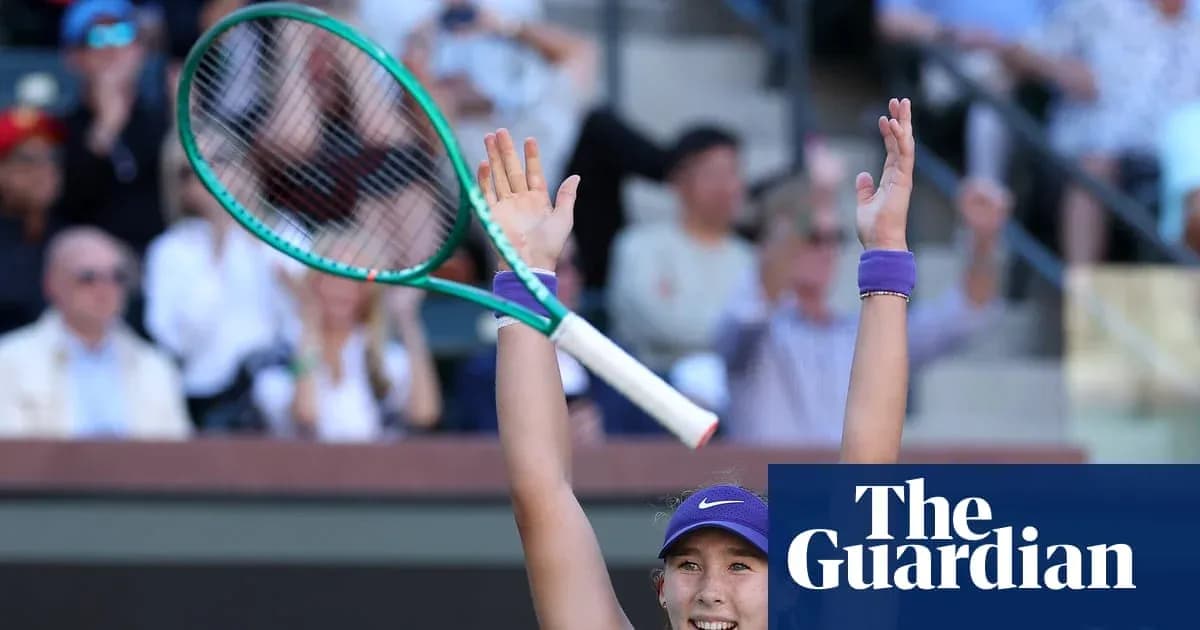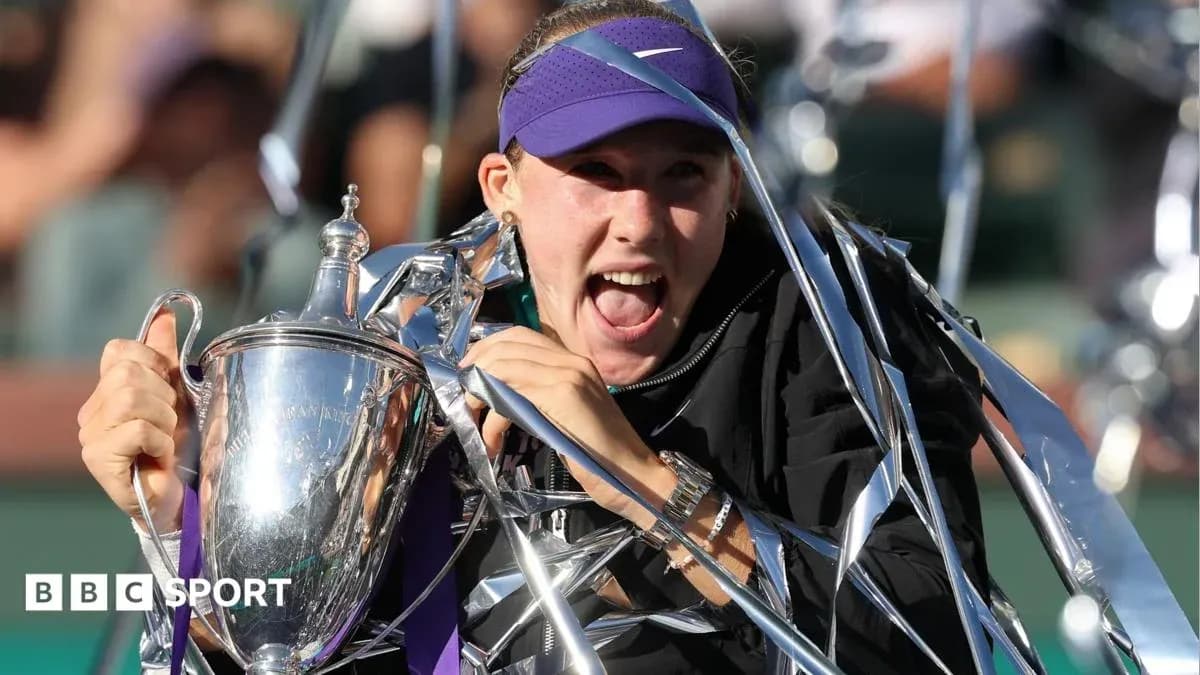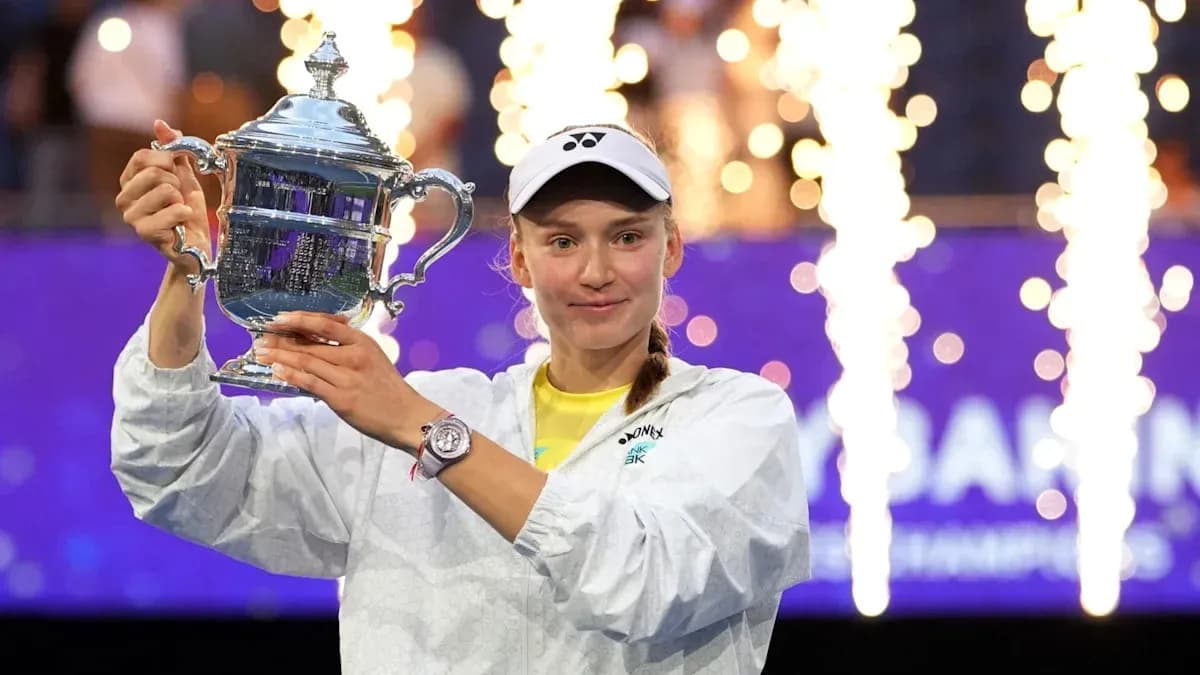
Elena Rybakina Withdraws from 2026 WTA Finals
Elena Rybakina’s season of dominance has ended not with a final statement in the spotlight, but with a withdrawal form and a quiet promise to come back stronger.
The World No. 1 and defending champion has pulled out of the 2026 WTA Finals, a late twist that reshapes the season-ending showpiece and underlines the physical toll of a year in which she pushed herself to the edge.
Rybakina had already raised alarms on Friday when she postponed her press conference, citing illness. The confirmation came soon after: she would not defend her crown. Instead, she will shut it down and look ahead.
"I'm going to spend some time resting and recovering at home and getting myself ready for the 2027 season," she said in her announcement, drawing a clear line under a career-defining campaign.
A brutal, brilliant year
If any player had earned the right to stop, it was Rybakina.
She put together the best season of her career, winning two Grand Slam titles and adding two more WTA trophies, including a successful title defence at the Ningbo Open. Across 68 matches in 2026, she compiled a 54–14 record, a workload and level of consistency that powered her to the year-end World No. 1 ranking.
The run through the US Open and the Asian swing proved decisive. Those hard-court weeks, with their pressure and volume, finally pushed her beyond everyone else in the rankings. They may also have pushed her body close to breaking point.
Rybakina has never hidden the fact that she plays only when she believes she can compete properly. This year, that belief often meant playing through pain.
She arrived in New York unsure she would even start the US Open because of a nagging foot injury. In Japan, at the Japan Open, she was forced to withdraw with a neck issue. The pattern was clear: she kept showing up, kept winning, but the warning lights were flashing.
At some stage, the body calls time, even on a champion.
Kostyuk steps in, draw reshaped
The immediate consequence in Cancun is that Marta Kostyuk steps into the field as the first alternate and will face Linda Noskova in Sunday’s opening round-robin match.
For Kostyuk, it is both an opportunity and a test. Like Rybakina, she has ridden the highs of a career year while managing her own injury concerns. Now she moves from standby to centre stage, dropped straight into the Finals cauldron against one of the tour’s rising hitters.
Diana Shnaider remains second alternate, waiting in the wings should the tournament claim another casualty. Recent history suggests that possibility cannot be dismissed: Madison Keys withdrew mid-event last year due to illness, a reminder that the WTA Finals are as unforgiving physically as they are competitive.
A field chasing history
Rybakina’s absence removes the defending champion and the season’s standout force, but the draw still carries pedigree.
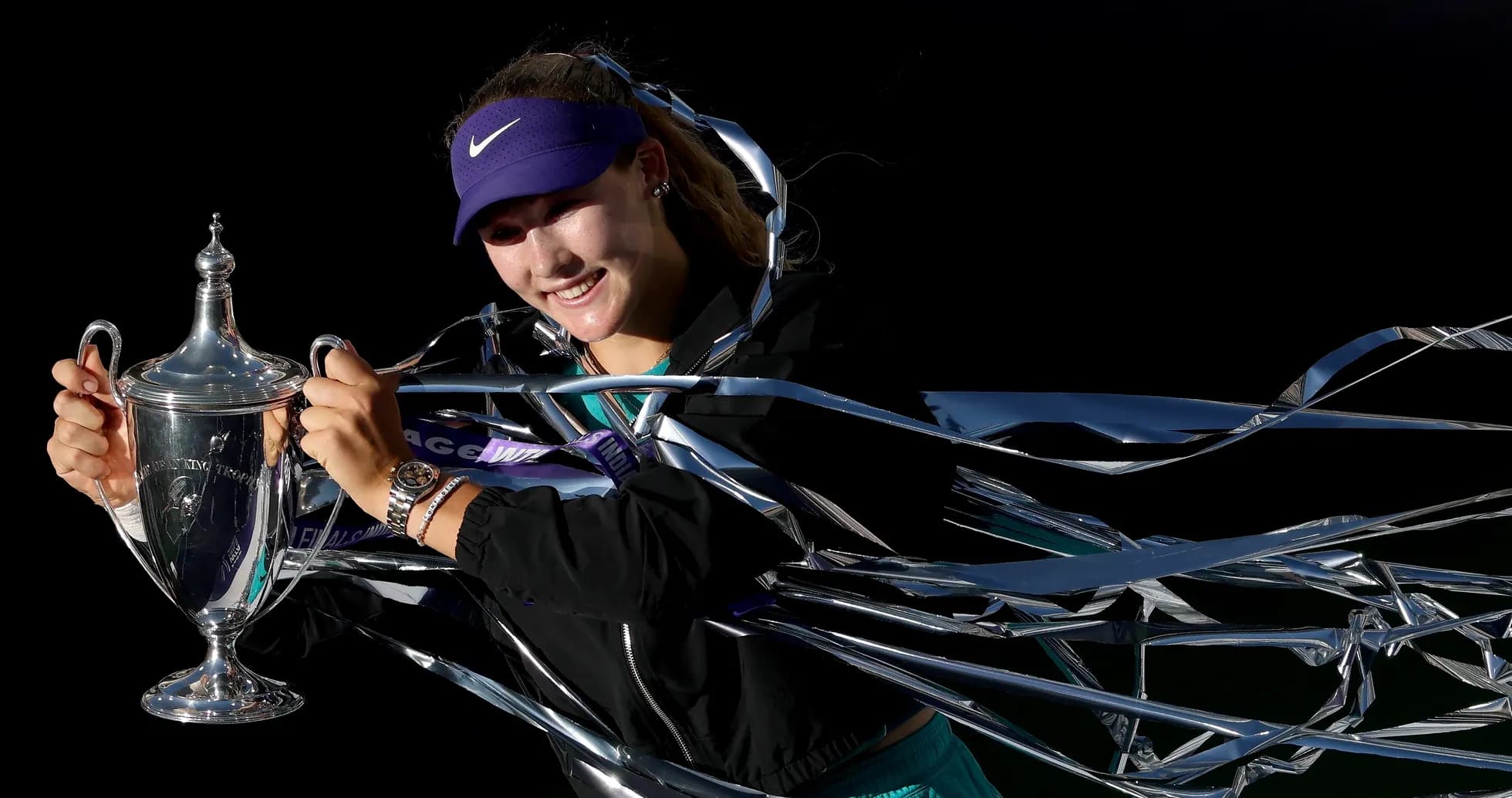
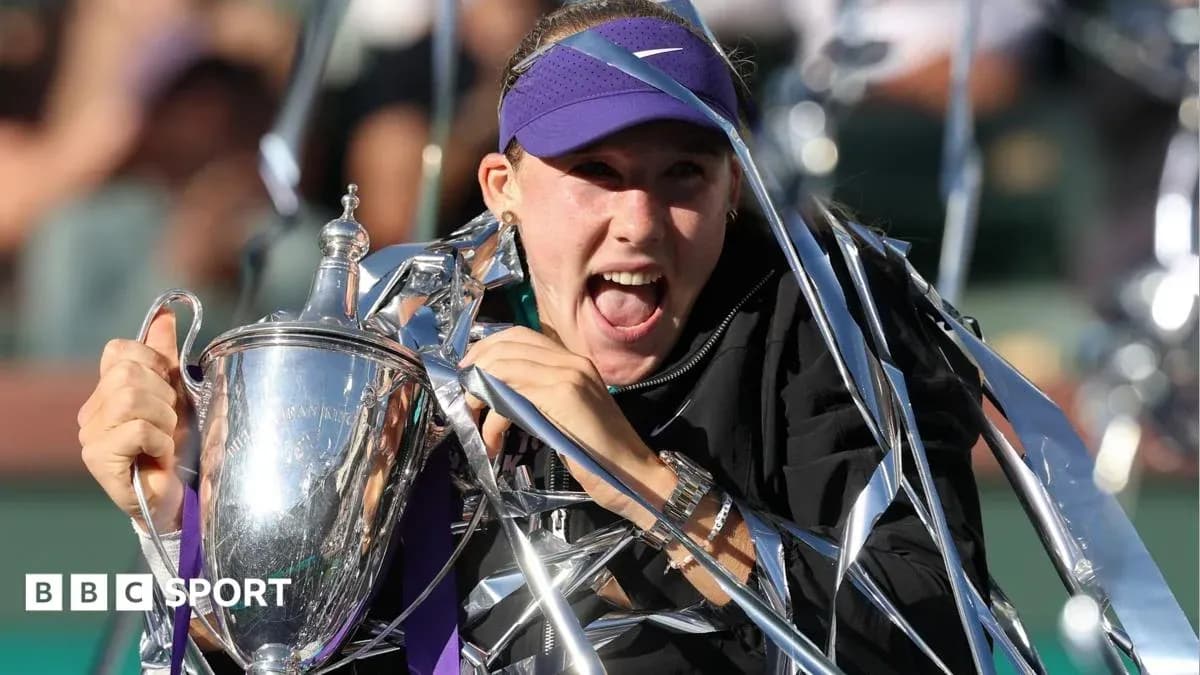
Elina Svitolina, the 2018 champion, and Coco Gauff, who lifted the trophy in 2024, are the only former WTA Finals winners left in the field. Both now see a path that no longer runs through the current World No. 1.
The bar for true Finals greatness remains daunting. Serena Williams was the last player to collect more than one WTA Finals crown, stacking up five titles between 2001 and 2014. Since then, the event has belonged to the moment, not to dynasties.
Rybakina had a chance to start changing that narrative this week. Instead, her statement comes in another form: a dominant season banked, a top ranking secured, and a clear choice to protect the body that carried her there.
The Finals will go on without the year’s defining player. The question now is who seizes the gap she leaves—and whether 2027 brings Rybakina back not just as No. 1 on paper, but as the woman to beat all over again.