Florentino Pérez's Vision for Real Madrid's Future
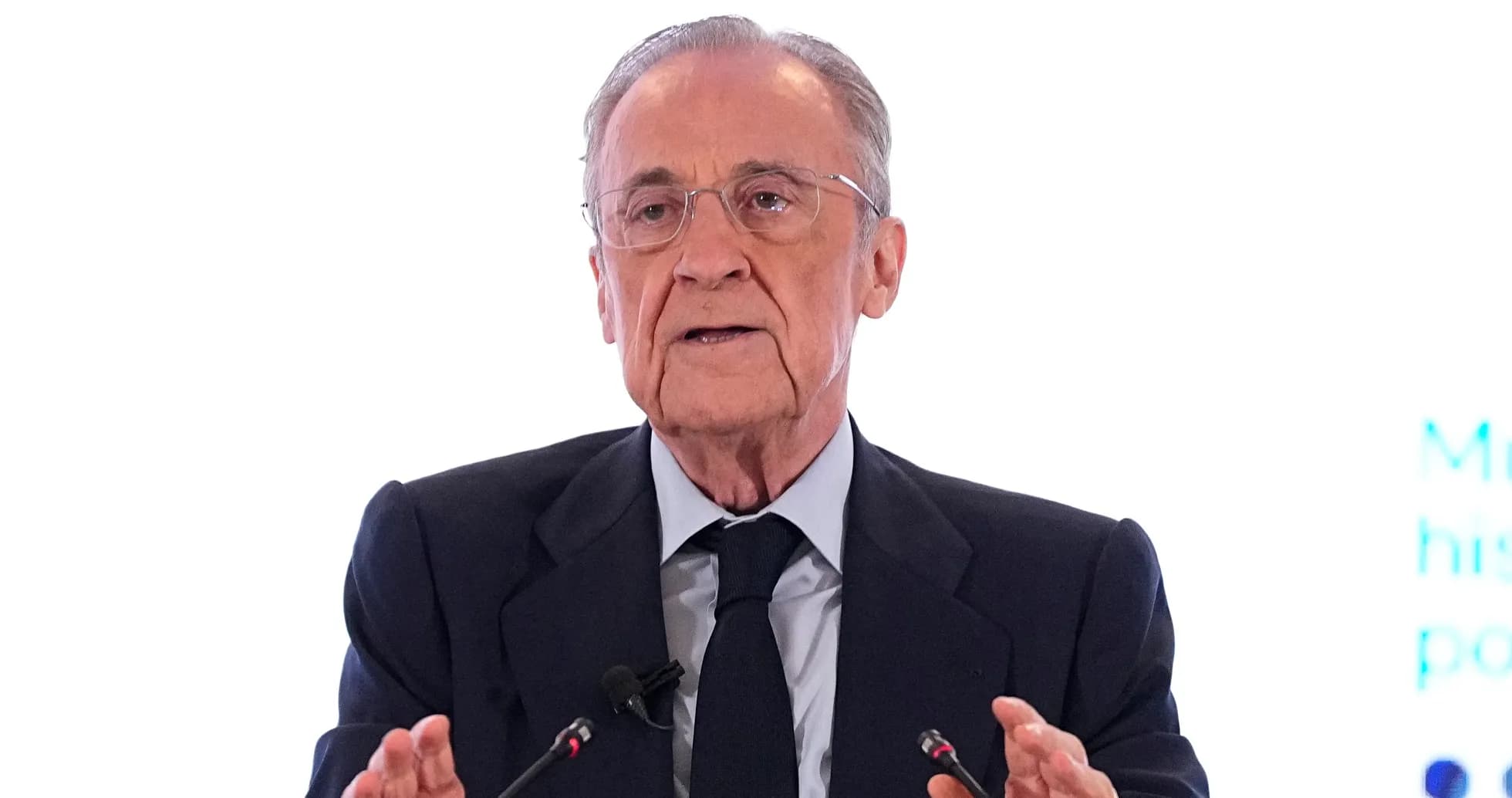
Florentino Pérez is already writing Real Madrid’s next chapter, and he intends it to run long after he has left the president’s box at the Santiago Bernabéu.
This is not just succession planning. It is empire management.
Nadal enters the box seat
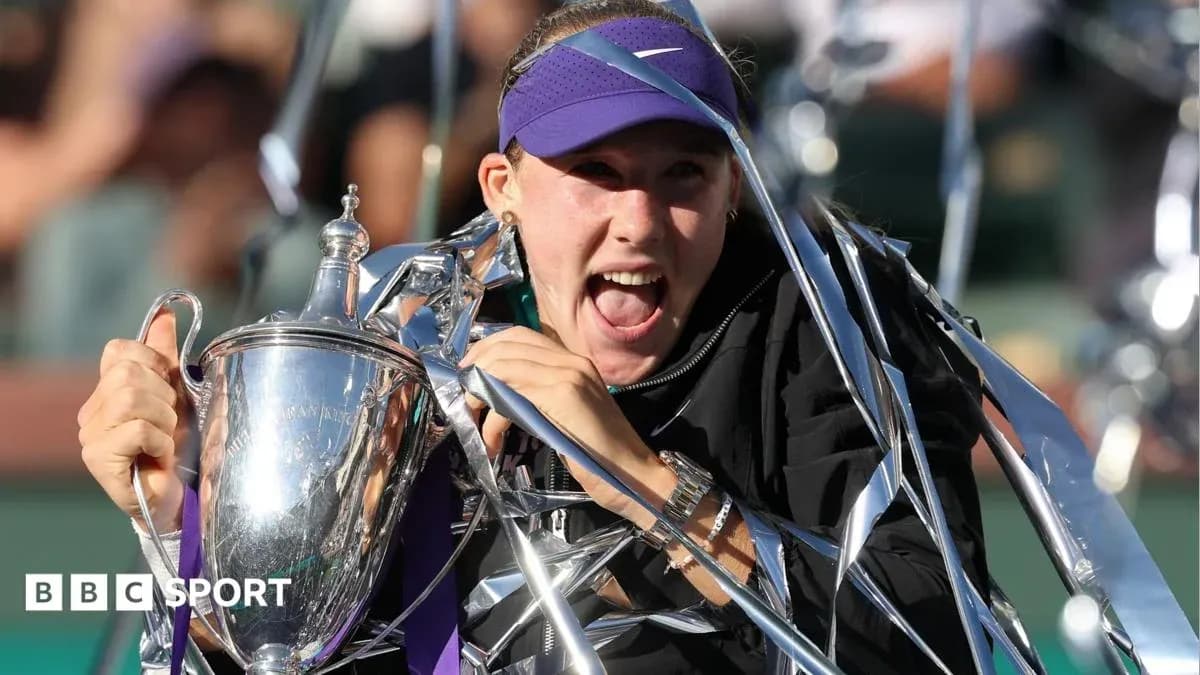
The headline move is as bold as any Galáctico signing: Rafael Nadal, the Spanish tennis icon and lifelong Real Madrid fan, is being ushered into the club’s inner sanctum.
According to Catalan daily Sport, via El Periódico, Pérez privately described the decision to bring Nadal onto the Real Madrid board on 4 November as a “brilliant move” — a phrase that speaks as much to timing as to symbolism. The appointment still needs to be ratified at the general assembly on 21 November, but the direction of travel is clear.
Nadal is not just a famous face. He is a potential heir.
Under Real Madrid’s statutes, any presidential candidate must have been a club member for at least 20 years. Nadal will hit that mark in 2031, one year after the end of Pérez’s new term. Any ticket running for the presidency must also put down a bank guarantee of at least 15% of the club’s expenditure budget. The bar is high, the circle small, and Pérez is clearly shaping who stands closest to the door of power.
A blow to rival ambitions
Nadal’s arrival carries a direct political consequence. It weakens the prospects of Enrique Riquelme, the businessman who collected 35% of the votes in the last elections and had positioned himself as a future challenger to Pérez.
Riquelme had looked like the most credible alternative. Now, with Nadal being groomed inside the structure and Pérez tightening his grip on key positions, that path looks far steeper. The current president is not leaving a vacuum; he is preparing a controlled handover to someone he trusts to preserve his model.
The message is unmistakable: Real Madrid’s future will be decided by those already sitting at the table.
Power around Pérez: Laghrari, Reichart and family
Inside that table, one name has become indispensable: Anas Laghrari. The Moroccan executive has emerged as a central figure in Real Madrid’s strategic and financial operations, particularly around the massive redevelopment of the Santiago Bernabéu. The stadium is no longer just a venue; it is the cornerstone of the club’s economic future, and Laghrari has been one of the architects.
On the commercial side, Bernd Reichart has taken on a prominent role. He oversees global sponsorships and the exploitation of the revamped stadium and related business activities, operating under the supervision of general director José Ángel Sánchez, Pérez’s long-time right-hand man.
The circle does not end with trusted executives. Pérez’s own family is increasingly present in the club’s inner workings. His grandson Eduardo Pérez Ortiz is involved in investments and strategic operations. His son, Florentino Junior, and his brother Enrique, who serves as vice-president of the board, also sit close to the levers of power.
Real Madrid remains a members’ club on paper. In practice, the Pérez network has never looked more entrenched.
One billion reasons: the institutional restructuring
If the political game is about who runs Real Madrid, the financial game is about how they will fund the next era.
At the heart of Pérez’s project lies an institutional restructuring designed to bring in up to one billion euros in fresh liquidity. The plan, as reported, would see the club sell a minority stake to financial investors while retaining control and avoiding conversion into a sporting joint-stock company.
The names floated are heavyweight: “Sixth Street” and entities linked to Bernard Arnault, one of the world’s richest men. The idea is clear — unlock massive capital without surrendering Real Madrid’s identity as a members-owned institution.
Pérez had pledged to convene an extraordinary general assembly to debate this restructuring. That promise remains unfulfilled. The upcoming 21 November assembly is expected to focus on Nadal’s appointment rather than the financial overhaul, a shift in priorities that has unsettled some members who want clarity on the future ownership structure and the price of that billion-euro injection.
The tension is obvious: how far can Real Madrid go into financial partnerships before the members feel the club slipping from their hands?
A timely windfall from Madrid City Hall
While the long-term project stirs debate, the short-term balance sheet has just received a significant boost.
The Madrid city council has admitted an error in the reclassification of land related to the club’s sports city. The correction sends Real Madrid’s profits from that operation soaring from 1.46 million euros to 98.6 million euros.
It is a huge windfall, perfectly timed for a president pushing major investment and restructuring. Extra cash, less pressure, more room to manoeuvre.
So Pérez moves on two fronts at once: consolidating political power and engineering financial muscle. Rafael Nadal’s looming presence on the board gives the project a recognisable, almost untouchable public face. The billion-euro plan and the growing influence of his closest allies and family give it structure.
The question now is not whether Florentino Pérez has a vision for Real Madrid’s future. It is whether the members will accept that the future has already started being written — and by whom.