Fran Jones Calls for Inquest into British Tennis's US Open Failure
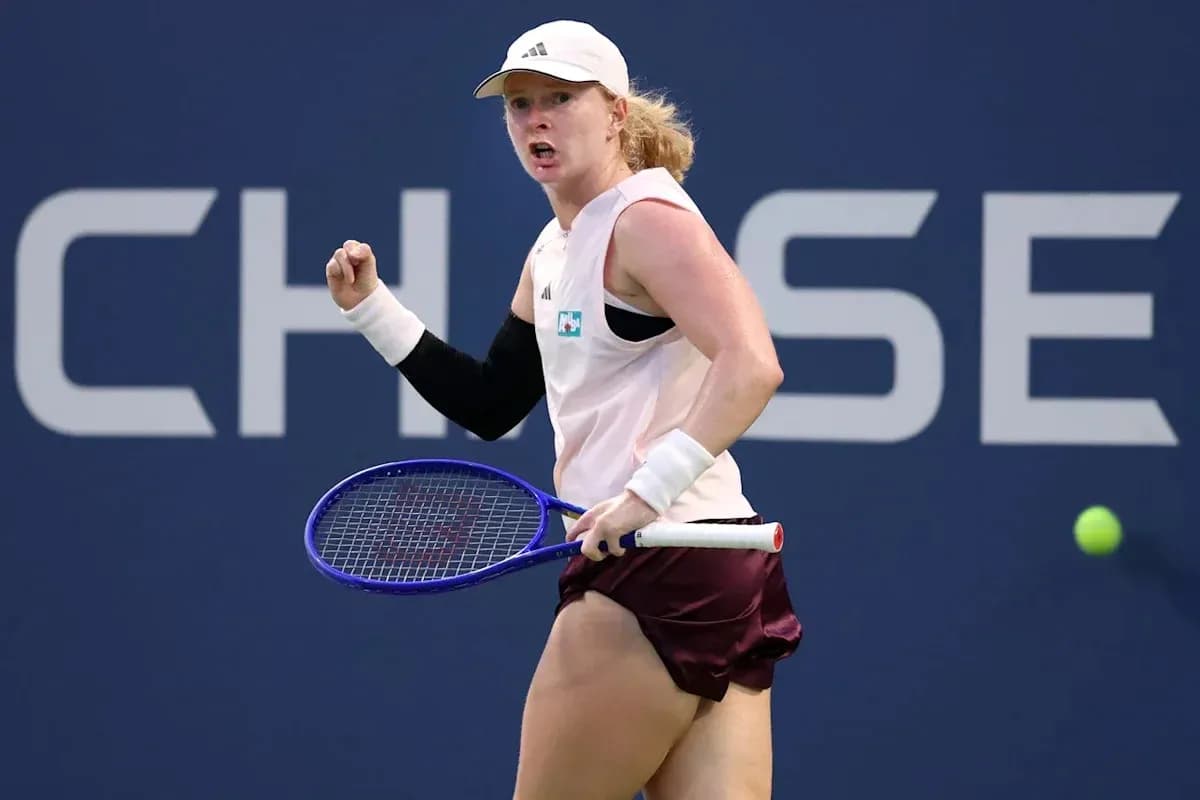
Fran Jones walked out of Flushing Meadows as the last Briton standing. She left on Thursday night with the same fate as the rest of them – out before the tournament had even started to breathe.
Her defeat to 14th seed Iva Jovic in the second round completed a bleak picture for British tennis at this US Open: nine players in the main draw, not one surviving beyond round two.
Jones did not try to sugarcoat it. She backed calls for an inquest into where the sport is going wrong in the UK, even while insisting there is no need for panic.
“You want to see people get to the back end of tournaments,” she said. The problem was simple. Nobody did.
A campaign unravels
On paper, Britain arrived in New York with a mix of promise and experience. On court, that promise evaporated quickly.
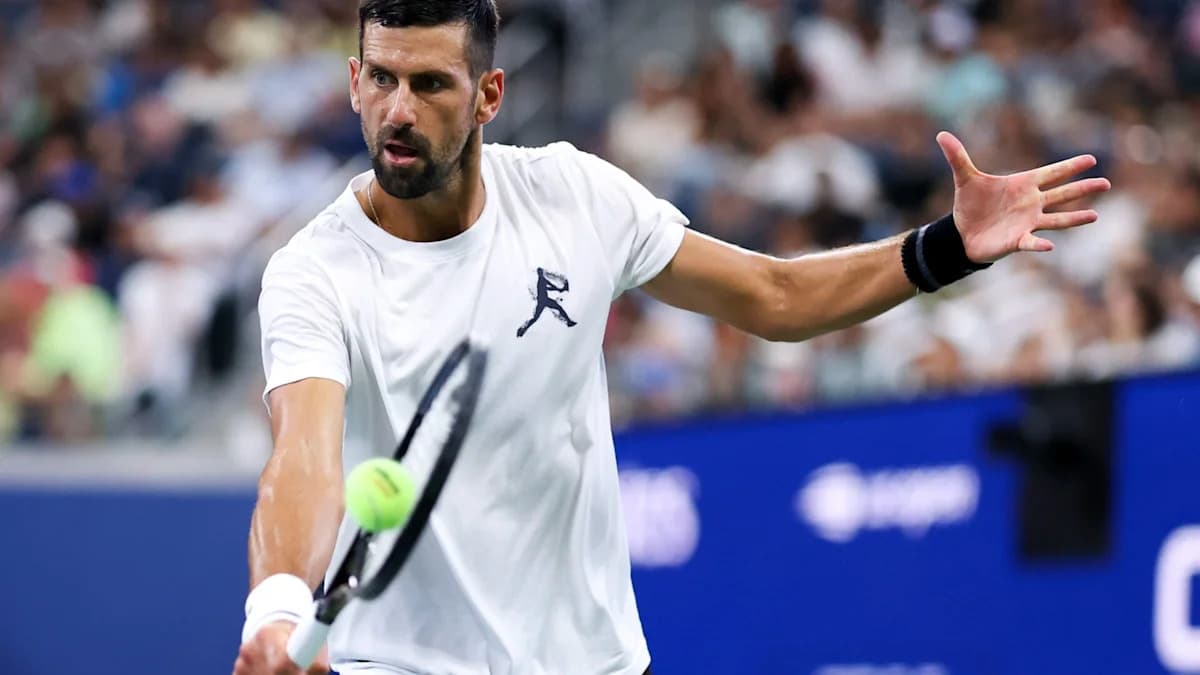
Arthur Fery, the Wimbledon semi-finalist and perceived standard-bearer for the British challenge, ran straight into 13th seed Lorenzo Musetti in the first round and went no further. A tough draw, yes, but these are the matches elite players are expected to turn into statements.
Cameron Norrie, Jan Choinski and Henry Wendelken all went out at the first hurdle as well, the British contingent thinning before it had time to build any momentum.
The second round brought no rescue act. Jacob Fearnley, Toby Samuel, Katie Boulter, Harriet Dart and finally Jones all departed. Samuel at least left with credit, coming through qualifying and winning his first grand slam main-draw match. Progress for him, but not enough to lift the wider story.
“It was good to see everyone win the matches they probably should be winning,” Jones said. “But you’ve got to be able to beat the seeds.”
That, in the harsh light of a grand slam, is the dividing line. Britain never crossed it.
Missing stars, nagging questions
Jones did highlight one major caveat: the absences of Jack Draper and Emma Raducanu, the country’s two most established stars.
“The top players aren’t here. Jack and Emma are our best players,” she said. Without them, the British challenge lacked the kind of firepower that can drag a nation’s fortunes deep into the second week.
Draper’s story has become a grimly familiar one. A recurring bone bruising injury has stalked his last 18 months, wrecking several attempted comebacks and sending his ranking into a steep slide. Every restart has seemed to end in the same place – on the treatment table.
Raducanu’s path since that astonishing 2021 US Open title has been equally bruising, if in a different way. A stress fracture in her leg ruled her out of both Wimbledon and this US Open, another chapter in a long run of physical setbacks since her breakout triumph.
The British No 1 in waiting has spent more time rehabbing than building on that victory. For British tennis, it means the player most capable of igniting a fortnight in New York is once again watching from afar.
Jones accepts that context. She also refuses to let it become a crutch.
“Do I think there could be an inquest? I always think there’s things that British tennis could do better. So yes, definitely,” she said. “Do I think it’s something that’s concerning? No, not at all.”
The message was nuanced. Look hard at the system, demand more from it, but don’t mistake one bad slam for total collapse.
“The level is getting better and everyone is dangerous on their day,” she added. “People might lose (in the) second round but you might see someone reach semis, like Arthur.”
Raducanu urged to wait
Across the net from Raducanu in that 2021 final was Leylah Fernandez, now seeded 31st and back in New York with her own scars and lessons.
The Canadian has watched Raducanu’s injury troubles from a distance and offered a blunt warning: do not rush back.
“It’s hard. You are sidelined and there is always that internal battle of ‘ah, let me get back earlier than expected’,” Fernandez said.
“But that doesn’t help in the long run. You always have to see the short-term gains and long-term gains. It’s that continuous battle.”
Her words cut to the heart of Britain’s wider dilemma. The country’s two brightest talents are fighting their bodies. The rest are struggling to make a dent in the second round of majors. Somewhere in between sits the question Jones is now pushing into the open: what, exactly, is British tennis building towards?
For now, the US Open moves on without a British player in sight. The inquest Jones wants will have to start from there.