Jannik Sinner's Dilemma: Asia's Heat or Indoor Safety?
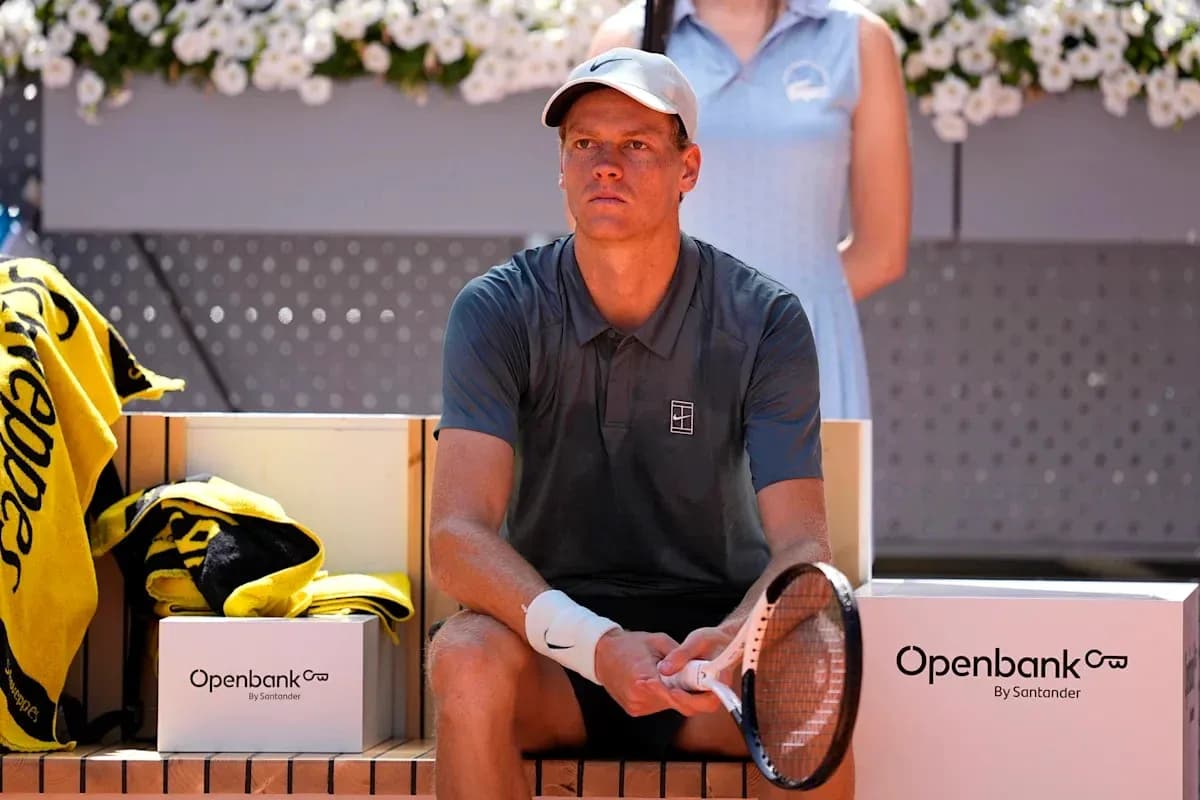
Jannik Sinner hasn’t struck a ball in anger since lifting the Wimbledon trophy on July 12, a grin on his face and grass stains on his shirt. For more than two months, the World No. 1 has disappeared from the match court, leaving the tour to move on without him and fans to circle dates on the calendar, waiting for the Asian swing.
They may have to wait a little longer.
Former ATP pro Stefano Pescosolido believes Sinner should think beyond Beijing and Shanghai and instead look to the cool, controlled world of indoor hard courts.
“He’s a little more careful from a physical standpoint. He wants to avoid relapses,” Pescosolido told Tuttosport, framing the debate that now hangs over the autumn schedule of the game’s leading man. “The Slams are his main goal, and I imagine he wants to be at his best next year to try to win as many as possible. There are two options: Beijing and Shanghai, or starting with the indoor tournaments.”
A Body That’s Been to the Limit
This is not idle speculation. Sinner’s relationship with heat and humidity has become one of the defining subplots of his rise.
He has struggled in the furnace of the Australian Open in each of the past two seasons. Similar problems have flared up in Europe. The most brutal episode came on the clay of Roland Garros this year, a day that should have been routine but turned into a warning.
Facing Juan Manuel Cerundolo in the second round, Sinner stood one game from victory. Then his body simply shut down. Full-blown cramps. Energy gone. The World No. 1, usually a model of control, could barely offer resistance as the match slipped away. The defeat shocked the draw, but the manner of it alarmed the people around him.
That collapse did not arrive in a vacuum. In the lead-up to Paris, Sinner had played all five Masters 1000 events. He collected titles, points, and prestige, but also fatigue. The French Open exposed the bill for that relentless schedule.
Pescosolido has not forgotten, and neither has Sinner’s camp.
Last year’s Asian swing offers more evidence. At the Shanghai Masters, Sinner again battled the conditions. Even under the lights in a night session, he retired against Tallon Griekspoor, the humidity suffocating his game and his body. Those memories will be fresh as he weighs up whether to step back into similar conditions this autumn.
The Temptation of Asia vs. the Safety of Indoors
On paper, skipping Asia is a hard sell. Sinner has history there. He owns two titles in Beijing and one in Shanghai. These are not fringe events for him; they’re happy hunting grounds, arenas where he has proved he can dominate.
That is exactly what makes the decision so delicate.
The Asian swing offers ranking points, rhythm, and the chance to reassert himself after a long break. It also brings heat, humidity, and travel miles at a time when his team is trying to protect a body that has already shown its limits in extreme conditions.
The alternative is cleaner: draw a line through Asia, and restart indoors.
Indoors, Sinner is a different animal. No blazing sun. No oppressive humidity. Just controlled conditions and a surface that rewards his clean ball-striking and aggressive baseline patterns. His record under a roof is staggering: ten titles from twelve finals. That’s dominance, not coincidence.
Vienna, in particular, has become one of his strongholds. He is a two-time champion there, and Pescosolido floated the idea that the Austrian capital could serve as the perfect runway for Sinner’s return. From Vienna to Paris-Bercy to the ATP Finals, the entire closing chapter of the season could be played under lights, not sun.
For a player thinking about the next decade, not just the next month, that is a compelling route.
The Ranking Squeeze
There is, however, a price. Skipping Asia would not just be a medical decision; it would be a ranking gamble.
Sinner may be sitting at No. 1, but the chair is not nailed to the floor.
He is the defending champion in Beijing. If he chooses not to play there, he automatically surrenders 500 points. Even if Alexander Zverev also stays away, the gap between them shrinks. That’s before Shanghai even starts.
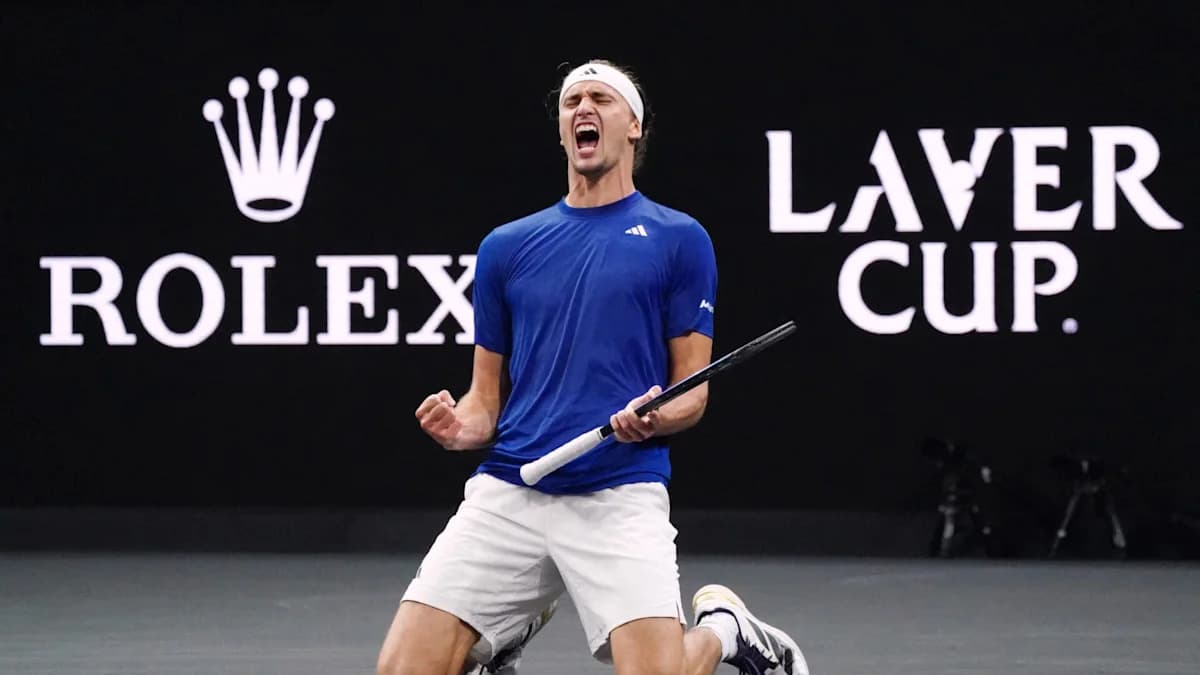
Zverev, who has already claimed two Majors this season, arrives at this stretch with relatively little to defend from last year’s Asian swing. Any deep run in Shanghai would cut further into Sinner’s lead. The German has not hidden his ambition to reach the top spot, and the mathematics of the calendar will only sharpen that focus.
The pressure would then shift onto the indoor season. Sinner’s comfort zone becomes his tightrope.
He has a heavy stack of points to protect: title runs in Vienna, Paris-Bercy, and a triumphant ATP Finals campaign last year. Every early loss would bite. Every off day would echo in the rankings.
Zverev is not without his own obligations. He reached the final in Vienna and the semifinals in Paris last season, so he, too, has points to defend. Yet his room for growth is still greater than Sinner’s if the Italian voluntarily hands back Beijing and possibly more.
Turin on the Horizon
There is another layer to this: Turin.
With the ATP Finals set once again for Italy, Sinner has already secured his place. He knows the stage. He knows the roar that greets him there. Playing in front of a home crowd in one of the sport’s showpiece events is not something he will risk lightly.
That makes the calculus even more complex. Protect the body now to arrive in Turin fresh and firing? Or fight through Asia to guard the No. 1 ranking and then hope there is enough left in the tank for a homecoming worthy of his status?
Zverev will be watching closely. He has been careful not to overhype his own Grand Slam haul this year, aware that some will point to the absence of Sinner and Carlos Alcaraz at key moments. But he also knows that rankings do not come with asterisks. If Sinner leaves openings in the schedule, Zverev will try to run through them.
So the tour waits.
Does Jannik Sinner chase the heat and defend his turf in Asia, or does he step away from the sun and trust that the long game—indoors, and into 2025—matters more than clinging to every point of his current reign?