Jordan Clarkson Supports Alex Eala at US Open
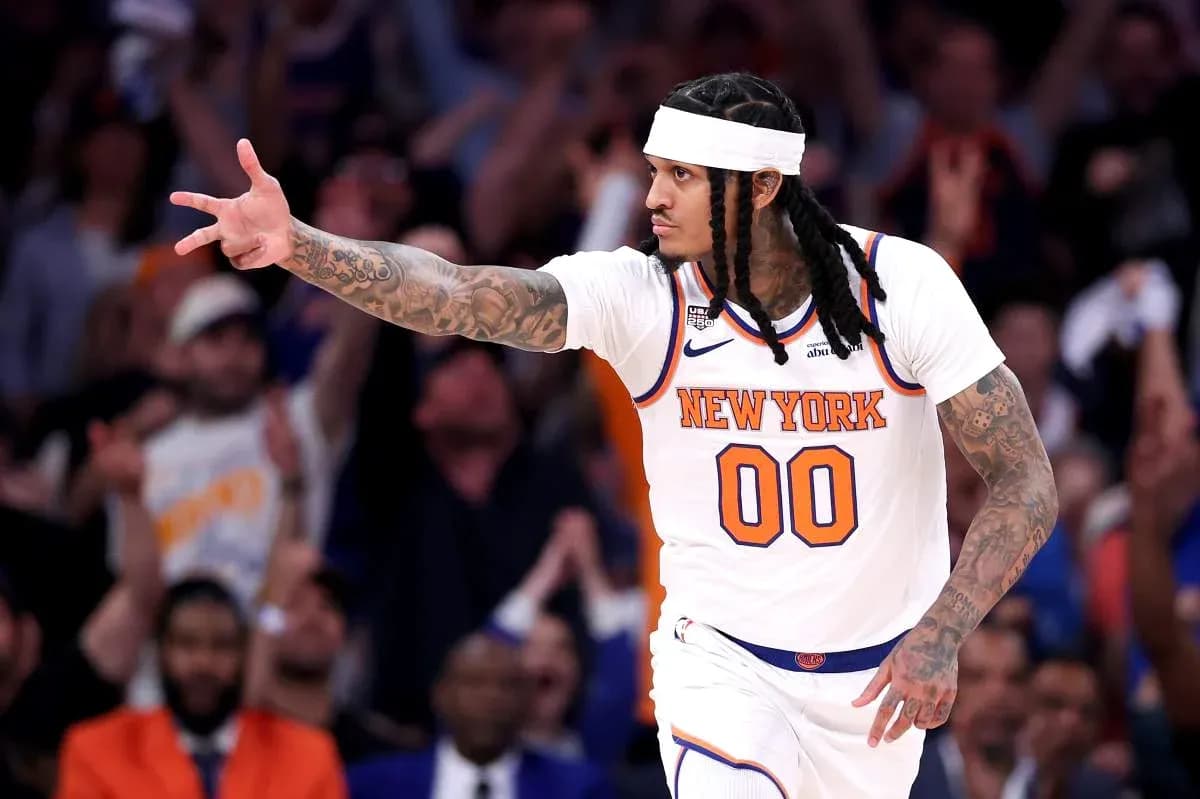
Jordan Clarkson has a new favorite in New York, and she doesn’t play basketball.
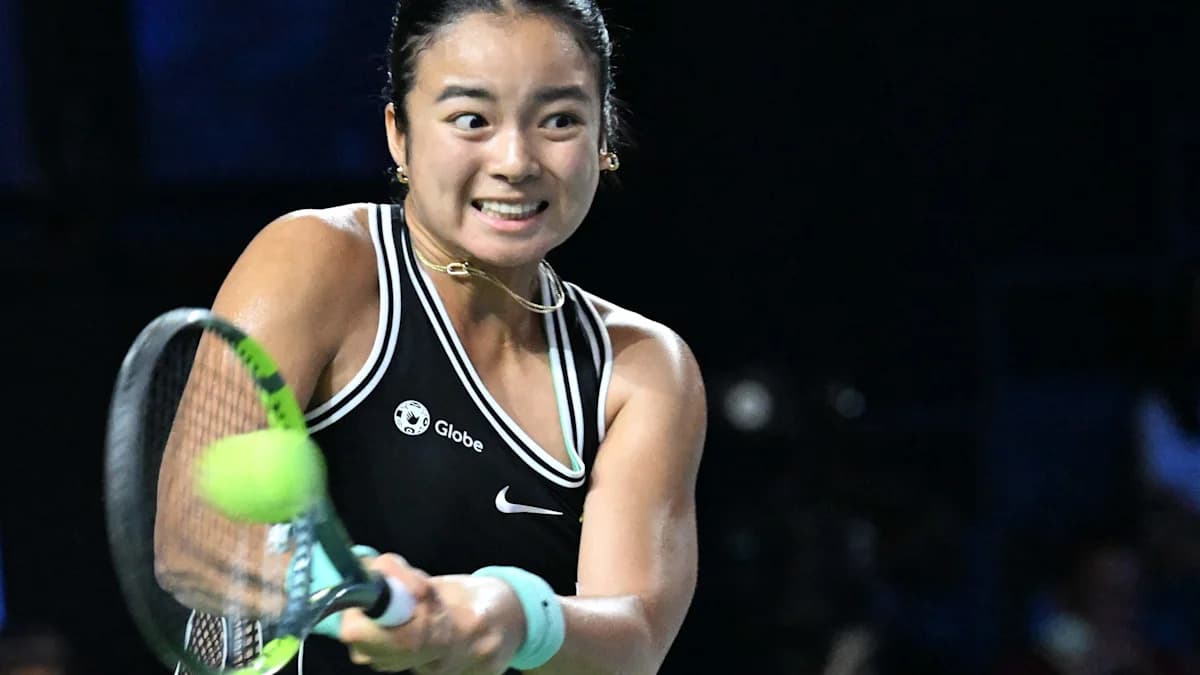
Days after crossing paths with Alex Eala at the US Open and trading stories about their shared Filipino roots, the New York Knicks guard watched her take apart Mary Stoiana, 6-1, 6-2, on Louis Armstrong Stadium. Then he reached for his phone.
“Alex Eala! Let’s goooooooo,” he posted on X.
Short, loud, and straight from someone who knows exactly what it feels like to carry a flag, not just a name.
A Former Sixth Man, A New Role
Clarkson’s message didn’t come from a casual fan swept up by a fun run in Queens. His connection to Eala runs deeper than a courtside meet-and-greet.
He has worn the Philippines across his chest, heard the noise, felt the pressure. He’s also spent the last year learning what it means to shrink his own spotlight in the biggest basketball market in the world.
When Utah bought out the final year of his contract last summer, Clarkson walked away from a starring role. In his last season with the Jazz, he put up 16.2 points, 3.7 assists and 3.2 rebounds in 26.0 minutes a night. Across six seasons there, he averaged 17.5 points in 28.2 minutes and claimed the NBA’s Sixth Man of the Year award in 2020-21.
In New York, that version of Clarkson disappeared by design.
He signed for the veteran minimum and slid into a smaller lane. His numbers told the story: 8.6 points, 1.8 rebounds and 1.3 assists in 17.8 minutes over 72 games, with just one start. Fewer shots. Fewer minutes. A reduced role in a deeper rotation that ended the season with the ultimate payoff — an NBA championship.
Clarkson traded volume for a ring. The gamble worked.
The Knicks noticed. This summer they brought him back on another one-year veteran-minimum deal worth $3.9 million, a clear sign they valued his willingness to adapt as much as his scoring.
For a player long wired to be the primary gun off the bench, that shift wasn’t a tweak. It was a reinvention. He accepted it, the Garden embraced him, and somewhere in that journey from go-to scorer to trusted role player, Clarkson found a different kind of satisfaction.
One Crowd, Two Courts
That perspective colors the way he watches Eala.
When they met during US Open week, Clarkson didn’t talk about jump shots or rankings. He talked about identity.
“When you got Filipino blood, you take the whole country with you,” he told her.
Eala is starting to feel exactly what he meant.
Her straight-sets win over Stoiana unfolded in front of a crowd that looked and sounded like a slice of Manila dropped into Queens. Filipino flags dotted Louis Armstrong Stadium. Every point she won seemed to pull another voice into her corner.
Clarkson is now part of that chorus, just a subway ride away.
The contrast between them is stark. Eala is at the beginning, carving out a name that’s already stretching beyond tennis. Clarkson is 34, past the phase of chasing bigger numbers, now chasing more banners. He has moved from focal point to glue piece, the veteran who knows how fragile a title window can be.
Yet their careers intersect at one powerful point: a country watching every move.
Clarkson has lived with that responsibility for years with the Philippine national team. He understands the weight behind every appearance, every possession, every photo that beams back home. Now, as Eala drives deeper into one of tennis’ biggest stages in the same city where he plays, he has shifted seamlessly into another role — vocal supporter, big brother in the background.
The message he sent after her win was only three words and a string of o’s. The subtext ran longer. A champion who learned to thrive by accepting less is urging a rising star to keep grabbing more.
Keep going.