Katie Boulter's US Open Defeat: A Harsh Reality Check
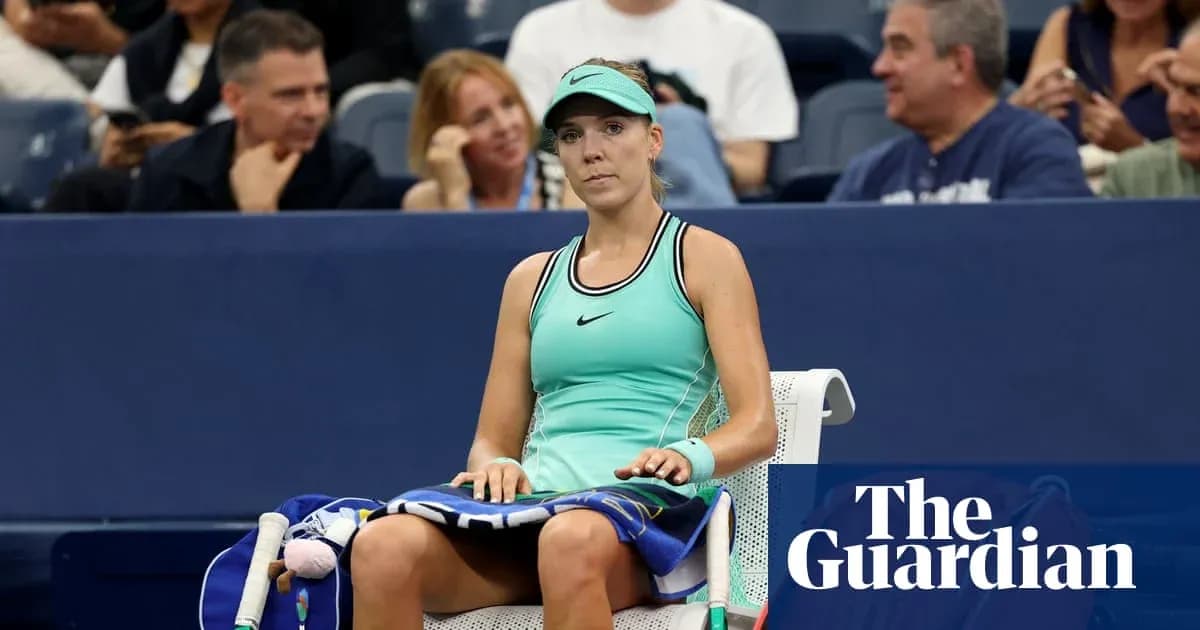
The rain hammered down on Flushing Meadows, play stopped on almost every outside court, and thousands of restless fans ducked for cover. Under the closed roof of Louis Armstrong Stadium, though, there was no hiding place for Katie Boulter.
Her grand slam season ended in brutal fashion: a 6-1, 6-0 dismantling by the No 7 seed, Karolina Muchova, in the second round of the US Open. It was as harsh on the scoreboard as it felt in real time.
Boulter blown away under the roof
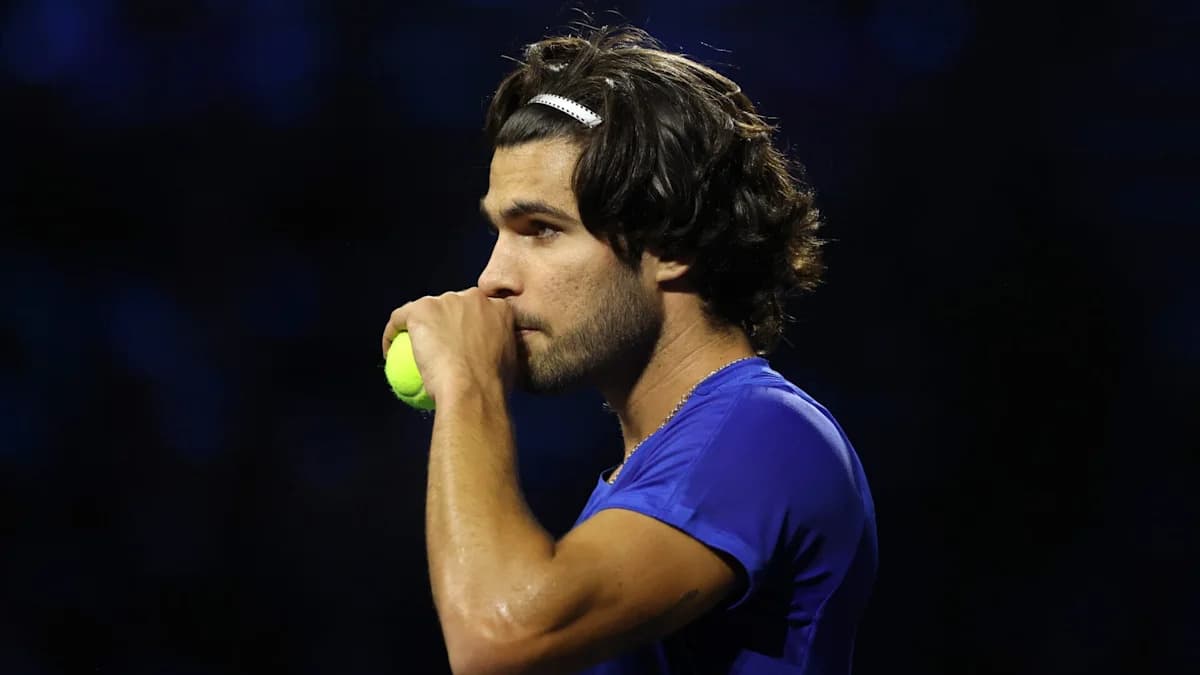
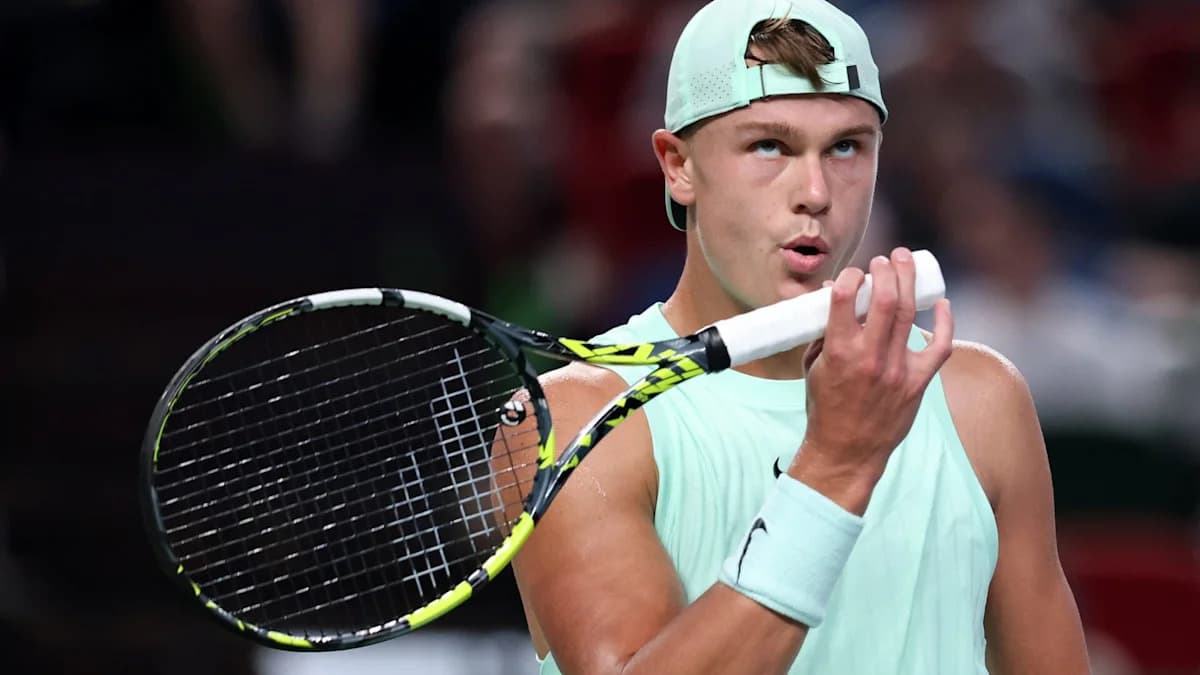
Boulter and Muchova had been pencilled in for Court 17, following the men’s first-round match between Rafael Jodar and Yunchaokete Bu. When the downpour arrived and play was suspended across the grounds, their contest was upgraded to Armstrong, one of only two courts in action.
The upgrade felt more like an ambush.
Muchova, a French Open finalist this year and one of the most complete players on tour, glided through the match with her familiar blend of variety and precision. She carved angles, feathered drop shots, and redirected pace with effortless timing. Boulter, by contrast, never found a foothold. The gulf in class on the day was stark.
“She was better than me today for sure,” Boulter admitted afterwards, still processing the manner of the defeat. She did not sugarcoat it: “Ultimately, at the end of the day, it was a bad day at the office.”
The Briton spoke candidly about how the late switch and the environment had thrown her off. She struggled with the echoing noise under the roof, the constant murmur of a distracted New York crowd, the sense that the match never quite settled into the rhythms she knows.
“I struggled with the conditions. I struggled with the roof, I struggled with the noise. I kind of let these little things distract me a little bit,” she said.
For a player who usually feeds off atmosphere, that was a jarring experience. Boulter had only trained once on Louis Armstrong and expected, as at most grand slams, that the crowd would hush once the points began.
“I actually expected it to kind of die down a little bit, but it didn’t,” she said. “From the first point of the match I was expecting the crowd to go silent, which is normally how it works. But it never changed.”
She tried to adjust on the fly, telling herself to adapt, to work it out as she went. It never happened. Muchova raced through the first set, then tightened the screw. Boulter’s shots lost their depth, her serve its bite. The scoreline turned ugly in a hurry.
For someone who usually relishes the noise, the dissonance was striking. “I always want to have an atmosphere. I always want to have noise. I love that,” she said. “So for me today it’s a very different feeling to feel slightly distracted from that. It was a little abnormal for me.”
A breakthrough year stalls
The defeat lands at the end of a summer that has changed Boulter’s life off the court, and tested her on it. She married Alex de Minaur in July, a personal high in a year that began with real momentum in her tennis.
Earlier in the season she collected her fourth WTA title in Ostrava and surged back into the top 60. The highlight came on grass, with a statement win over world No 2 Elena Rybakina at Queen’s that suggested she was ready to push deeper into the sport’s upper tier.
Then the run dried up. Before her first-round win in Cincinnati last month, Boulter had lost five matches in a row, including a flat, straight-sets exit in the opening round of Wimbledon. Confidence, that fragile currency, has been in short supply.
New York offered a chance to reset. Instead, she leaves with one of the heaviest defeats of her career, under the brightest lights she has yet faced here. This was her first appearance on a stadium court at the US Open. It will not be one she remembers fondly.
Jones digs in and steps forward
While Boulter tried to make sense of a bruising afternoon, another British player quietly took a sizeable step forward on the outside courts.
Francesca Jones, a qualifier, battled through a wild, weather-scrambled contest to defeat former world No 19 Magda Linette 6-4, 1-6, 6-3 and reach the second round in New York for the first time.
The match stretched over two days and multiple interruptions. On Tuesday, Jones came out firing, taking the first set with sharp, proactive tennis before the rain halted play for the night. When they resumed on Wednesday, the skies intervened again, forcing the players off court right after their warm-up.
Once they finally settled, it was Linette who surged. The Pole tore through the second set and surged ahead in the third, striking the ball with the authority of a seasoned campaigner. Jones had to absorb it all and refuse to blink.
“It was incredible how she was playing until about 4-0 and then started to equal out,” Jones said. “I just tried to show my northern grit, stick in there and do what I can.”
That grit has been tested all year. After breaking into the top 100 last season, Jones spent long stretches of this campaign on the sidelines, battling a series of injuries and a freak concussion. Only in July did she finally string together a proper training block and rediscover her rhythm.
The results followed. Back-to-back titles at WTA 125 events on clay restored belief and match toughness. She arrived in New York with a body that could finally withstand the workload and a game sharpened by weeks of winning tennis.
Three qualifying victories pushed her into the main draw. Beating Linette, given the context of her year, ranks among the most important wins of her career so far.
Mixed fortunes for the Brits, shock for rising star
Elsewhere, British fortunes flickered and faded.
Jan Choinski exited in straight sets, beaten 6-3, 6-1, 7-6(5) by Botic van de Zandschulp. Jacob Fearnley, in the draw as a lucky loser, mounted a brief fightback but fell 6-3, 6-3, 3-6, 6-3 to the No 27 seed, Tomas Etcheverry.
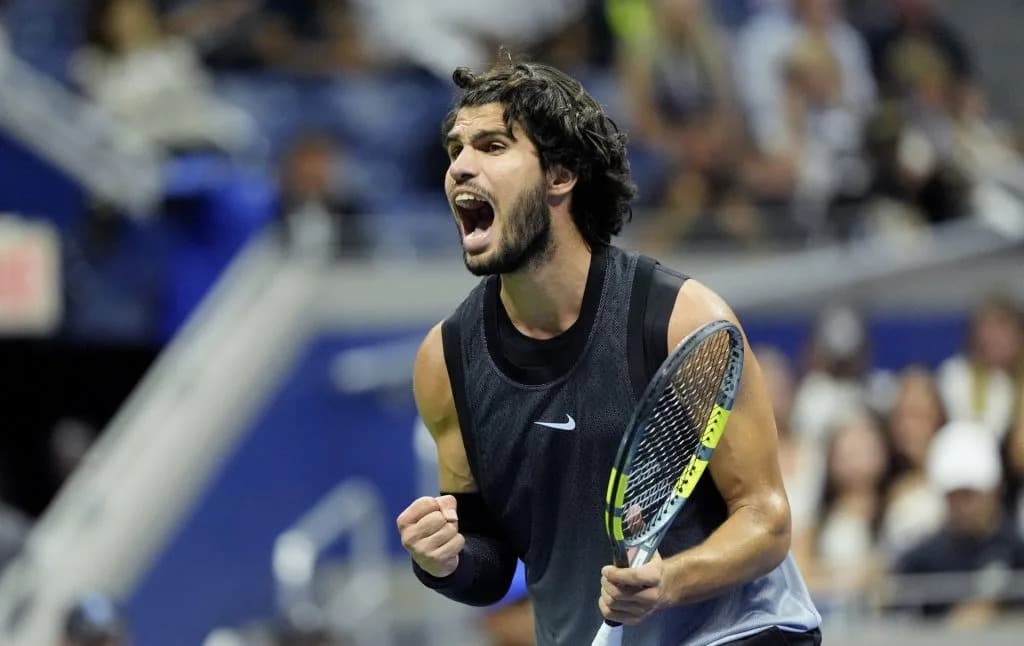
The day’s biggest jolt, though, came back on Court 17, the stage Boulter and Muchova had been due to share. Rafael Jodar, the 19-year-old heavily touted in the build-up to the tournament, was taken apart 6-2, 6-1, 6-1 by Yunchaokete Bu. The scoreline left a hush in the air that not even the New York noise could quite disguise.
For Boulter and Jodar, the storm in Queens brought hard lessons. For Jones, it brought validation. The US Open has a habit of exposing players or elevating them. The question now is who can turn this chaotic, rain-soaked week into a launchpad rather than a line in the sand.