Laver Cup: The Bold Evolution of Team Tennis
Tennis has never moved quickly. White clothes, quiet crowds, same four majors, same calendar. Tradition is a selling point and a straitjacket all at once.
In 2017, the sport tried something different.
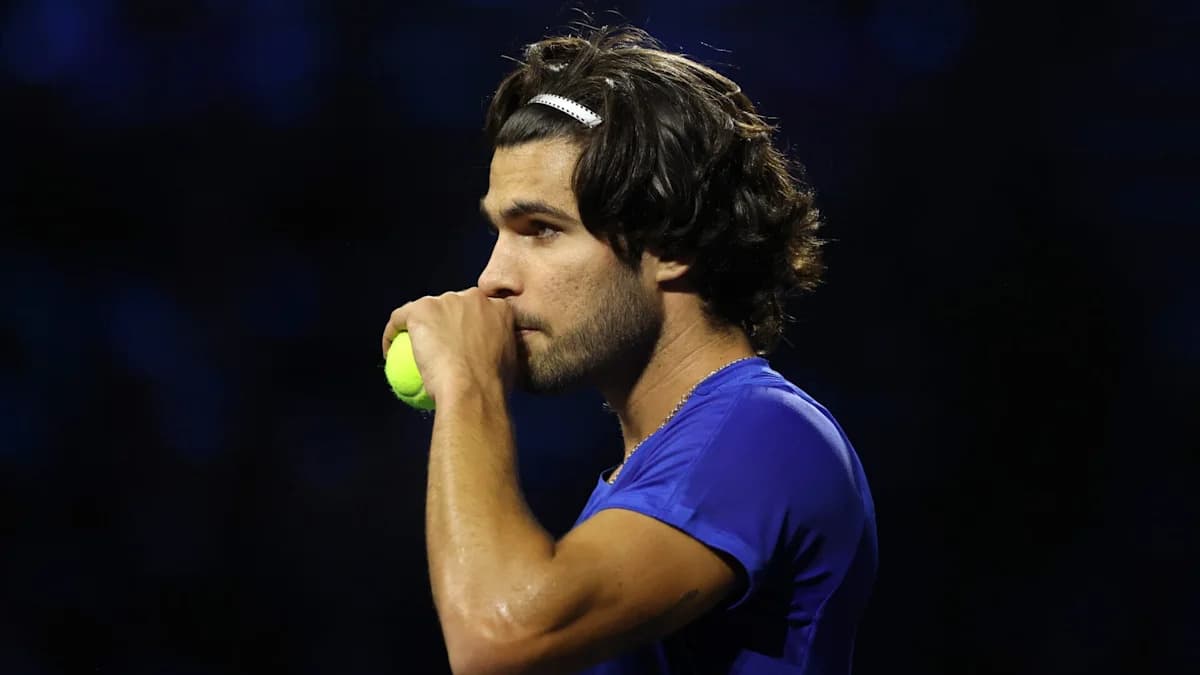
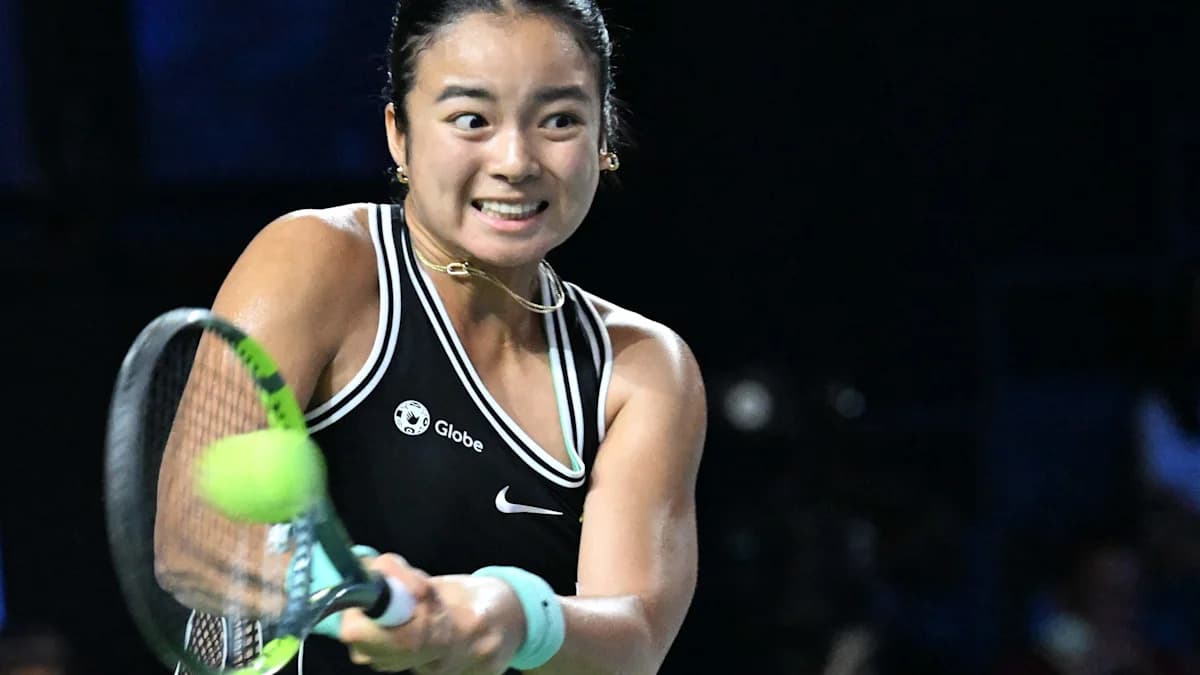
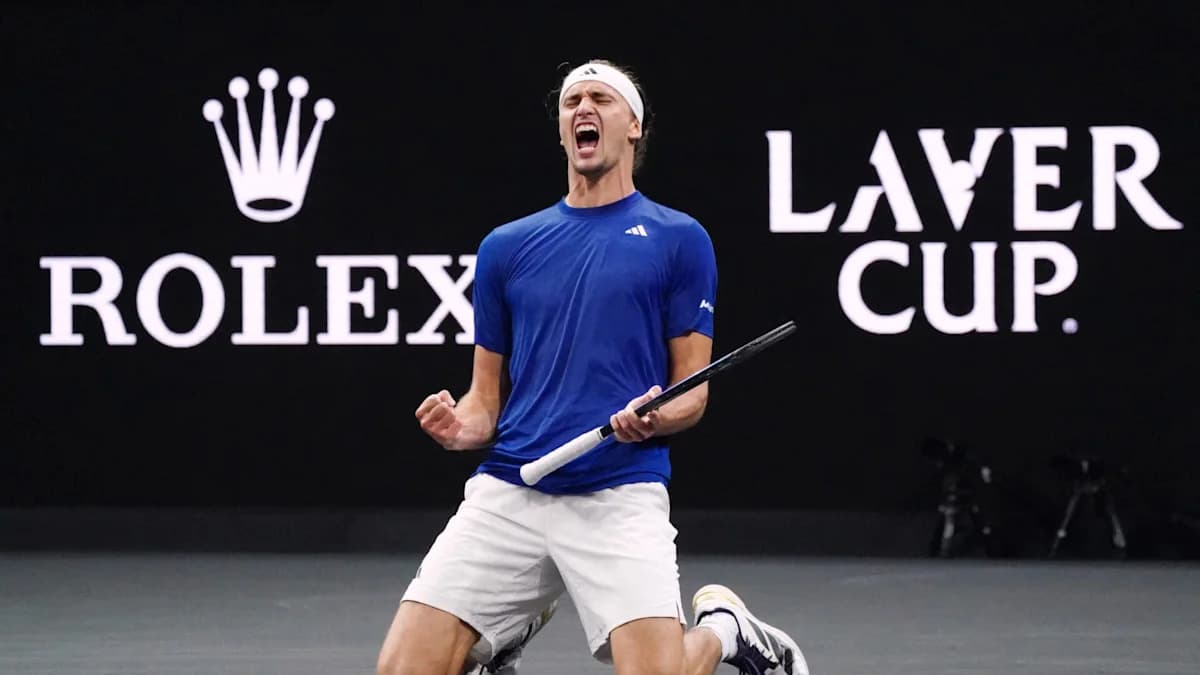
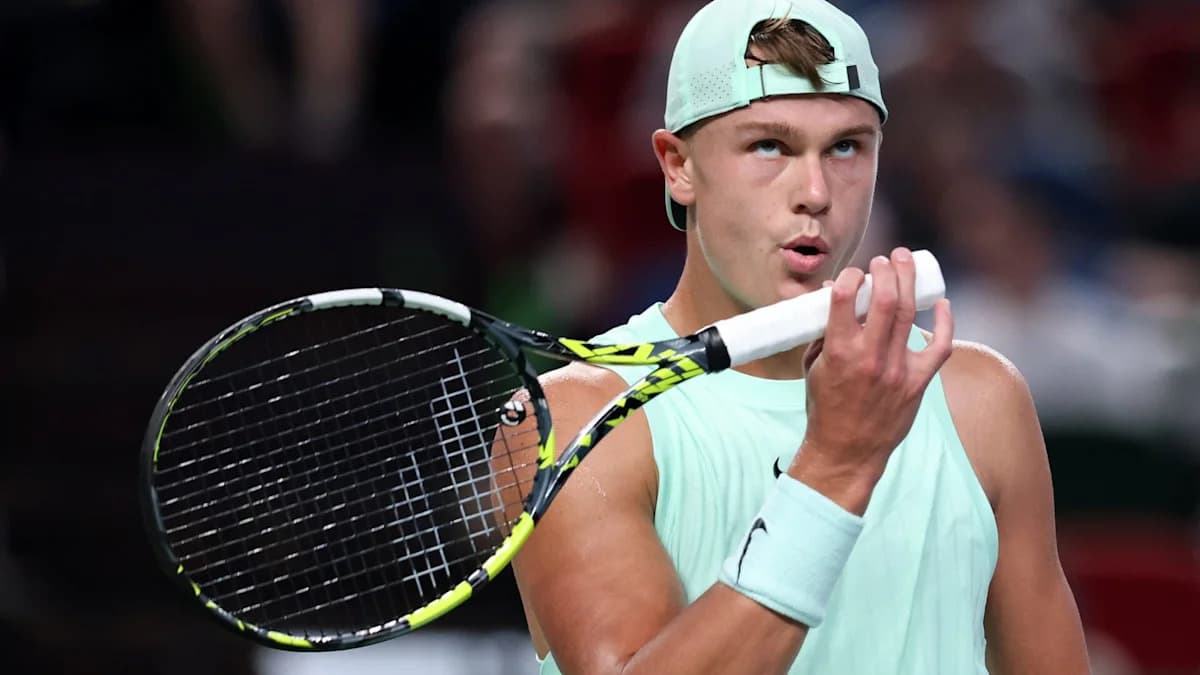
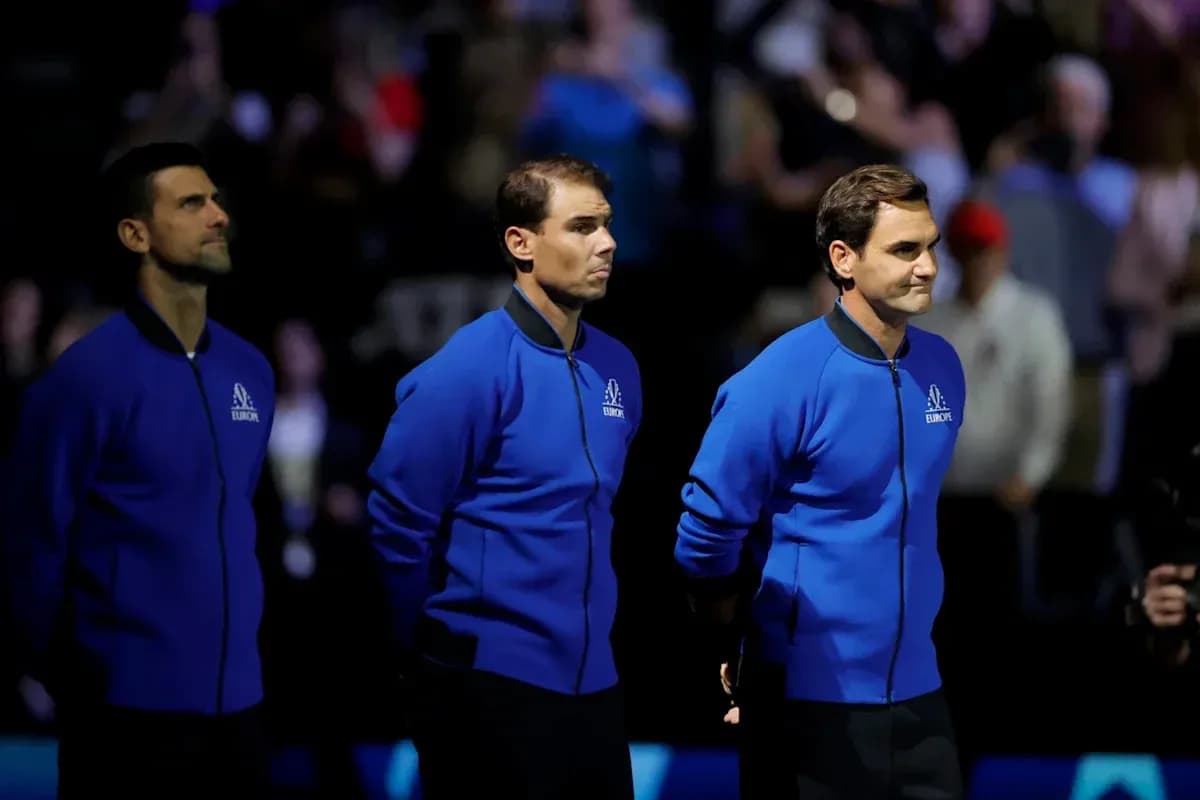
Roger Federer helped launch the Laver Cup, a three-day team event styled as tennis’s answer to golf’s Ryder Cup. Six players from Europe against six from the rest of the world, singles and doubles, points ramping up over the weekend, all dressed in team colours and huddling on the sidelines like it was a Davis Cup tie crammed into a long weekend.
It was a clear attempt to shake the sport awake.
A bold idea, a cold reception
Seven editions later and heading into its ninth staging next week, the Laver Cup has carved out a place on the calendar and continues to lure some of the biggest names in the game. The format is slick, the presentation polished, and the star power rarely lacking.
Yet a large slice of the tennis public still files it under one word: exhibition.
The criticism has been sharp. Not just from fans, but from inside the locker room. Former French pro Julien Benneteau went on the Grandes Gueules du Sport podcast earlier this year and dismissed the competition entirely, saying the Laver Cup had “no sporting value” and that players only turned up “because the cheque is huge.”
The numbers are not small. The total prize pot for the 2026 edition stands at $1.5 million. Each player on the winning team will collect $250,000. The losers go home with nothing.
For some, that only reinforces the idea that this is a made-for-TV show, not a sporting pillar.
Federer and Nadal push back
That perception is exactly what Federer and Rafael Nadal tried to fight from day one.
On the eve of the inaugural event in 2017, both were pressed hard about whether this was just a glossy exhibition with a legend’s name attached. Nadal bristled at the suggestion.
“No, is not an exhibition at all. No, no, I don't think,” he said. “No, we are here to try our best, no? I woke up today at 4:00 in the morning to practice. An exhibition match, I don't practice before an exhibition match normally, no.
“We are here to try our best. We are here to try to win. Not at all like a friendly match, no? We are here to really play with passion and to play for our continent.
“We have a great team behind us. We want to do it well for all of them. Let's see if we are able to do it.”
Team Europe backed those words with a result, beating Team World 15-9 in that first edition. The benches roared, players leapt over barriers, and the images – Federer and Nadal chest-bumping like teenagers – were exactly what the organisers had hoped for.
What lit the fuse for Federer
Federer, speaking that same week, made it clear that passion was the non‑negotiable ingredient.
Asked how important it was to recreate the Ryder Cup’s fire, he didn’t hide his excitement.
“Well, I think it's going to be vital. That's why I'm very excited to see that the guys all arrived a day early,” he said. “You know, they were supposed to arrive on Wednesday. They all came in on Tuesday. Everybody seems really eager to play, to win.
“But of course we have to give it the passion and the energy. Without that, the fans are just going to sit there and maybe enjoy some tennis, but they're not going to get into it.
“I hope that while we are playing on home soil, the fans are going to understand how much we need their support and how lovely it would be if everybody got really excited and make this event something very unique and special for years to come. But it's clearly crucial.”
That early arrival, that eagerness, was what “excited” him most: proof, at least in his eyes, that this was more than a paycheque and a photo opportunity.
Exhibition or evolution?
And so the Laver Cup moves towards its 2026 edition, starting on 25 September, still straddling that line between show and sport.
The format is familiar now. The branding is strong. The prize money is serious. The debate is even more serious.
Federer and Nadal framed it as a competition players care deeply about. Benneteau calls it empty of sporting value. The stands will be full again, the benches loud again, the cameras trained on every fist pump.
The question lingers over all of it: is this the future face of team tennis, or just the most glamorous exhibition the sport has ever built?