Madison Keys Wins in Rainy New York at 15th US Open
On a day when the rain turned Flushing Meadows into a waiting room, Madison Keys didn’t have to wait for anything.
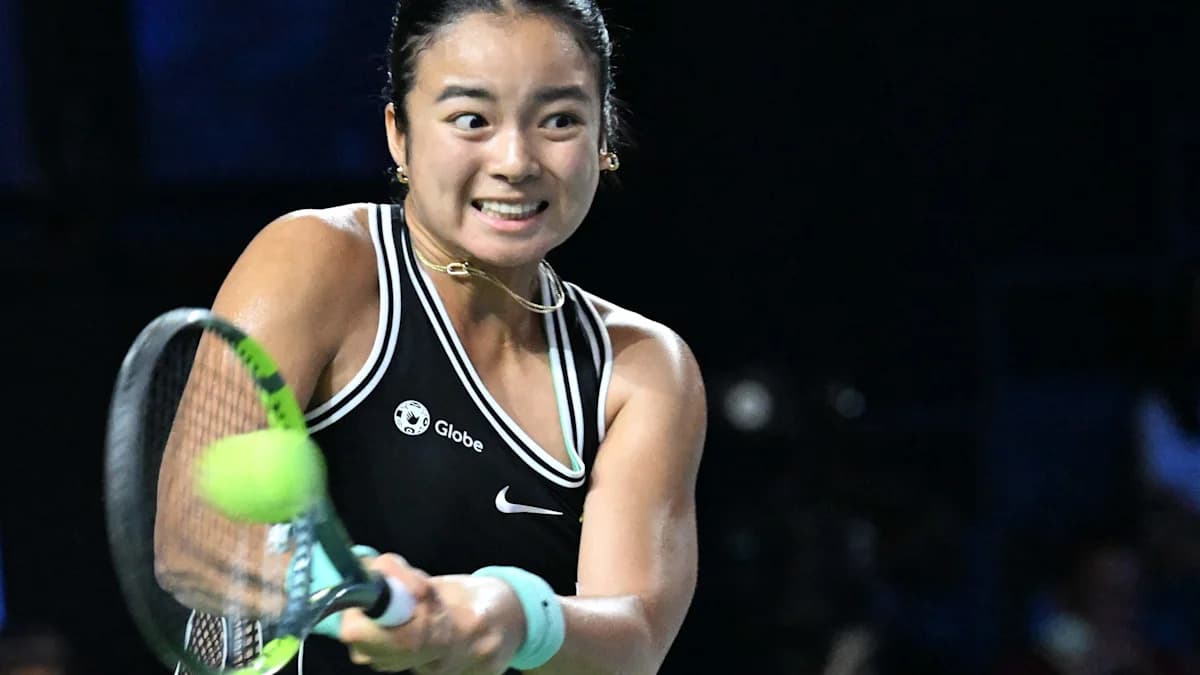
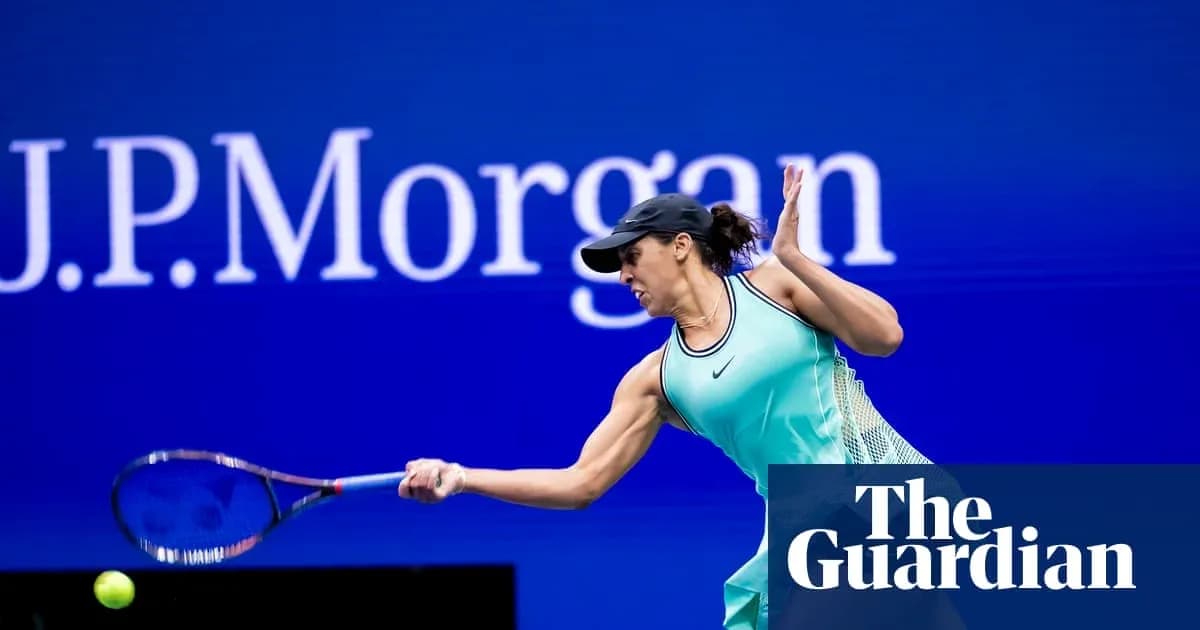
While players paced locker rooms and stared at radar maps, the 31‑year‑old walked into Arthur Ashe Stadium, shut the roof on the chaos and quietly took care of business. A 7-5, 6-4 win over Alina Korneeva, a place in the second round, and a reminder that this stage still belongs to her as much as anyone.
Fifteen US Opens. That number hung over this match almost as heavily as the storm clouds outside. Keys turned professional on her 14th birthday back in February 2009; this fortnight, she crosses the line where she has officially spent more of her life as a tennis pro than not.
Everyone has been reminding her.
“I was thinking a little bit more about it just because the last couple of days everyone keeps reminding me that it’s my 15th US Open, which doesn’t feel possible because I’m so young,” she said with a laugh.
The smile masks a grind most people never see. Keys has grown up on this tour, with all the scars and perspective that come with it. She called starting so young “a huge blessing”, talking about how she was able to throw herself into the sport before she truly understood the weight of it. Over the years, the job stayed the same, but the person doing it has changed.
That evolution was written all over this first round.
A year ago, this tournament opened with one of the most bruising defeats of her career: a first‑round exit to world No 82 Renata Zarazúa. On these courts, where she once thundered into the 2017 final, she walked out early and stunned. That kind of loss lingers.
So this time, there was no sense of easing in. Against Korneeva, Keys played with the kind of controlled aggression that has always defined her best days – heavy first strikes, but with just enough margin to keep the errors from spiralling. The match never quite turned into a procession, but she held her nerve in the tight moments, edging a tense first set 7-5 and closing the second 6-4 before the anxiety of last year could creep in.
If the tennis looked composed, the build-up was anything but. Keys pulled back the curtain on those pre‑tournament days, describing a locker room thick with nerves as first rounds loom.
“You can kind of feel [the tension] as the days are getting closer,” she said. “Everyone gets here, you have a week, everyone is excited to be here, and then as the days are slowly getting closer to first rounds, rackets are maybe getting a little slippery, you can hear more yelling happening, and you can kind of feel the tension.
“I think collectively we all just get really anxious. We’re probably feeding off of each other as well, but we all want to do well. It all feels like I think the buildup is always so hard, just because you’re so in it and you’re anticipating the tension that’s going to happen and the anxiety that’s going to happen. So it’s definitely very relevant and very real.”
On this sodden New York afternoon, she cut through that tension, and the weather, with a win that felt steadier than the scoreline.
Rybakina’s quiet march toward No 1
On the outside courts, when the rain finally relented, Elena Rybakina began her own campaign with a different kind of statement.
The Kazakh, chasing the No 1 ranking for the first time, brushed aside 17‑year‑old American wildcard Thea Frodin 6-3, 6-2. No drama, no sign of the foot injury that forced her to retire from her Cincinnati quarter-final against Iga Swiatek, no real opening for a teenager trying to make sense of the biggest stage of her life.
Rybakina moved cleanly, served with her usual authority and never allowed Frodin to settle. It looked exactly like what it was: an experienced major champion against a player still learning what it means to belong at this level.
The stakes for Rybakina stretch far beyond the second round. She currently sits at No 1 in the live rankings and will officially become world No 1 for the first time if she reaches the semi-finals and Aryna Sabalenka, Jessica Pegula and Coco Gauff all fall short of the title. Every round, every set, every service game now carries a little extra weight.
On day one, she handled that weight with ease.
Cobolli digs himself out of a hole
The men’s draw delivered its own piece of theatre courtesy of Flavio Cobolli.
The fifth seed and French Open finalist looked on the brink of a quick, ugly exit against Francisco Comesaña, trailing by two sets and struggling to find any rhythm. On a day filled with interruptions and uncertainty, his tournament seemed to be ending before it had even begun.
Then the match flipped.
Cobolli clawed back the third set 6-3, found a foothold, and refused to let go. The Italian’s level rose as the pressure shifted to Comesaña, and the fifth seed rode that surge all the way through a 6-4, 6-4 finish in the fourth and fifth sets to complete one of the best comebacks of his career: 3-6, 2-6, 6-3, 6-4, 6-4.
On a rain‑soaked opening day, with players scattered between practice courts, treatment rooms and television screens, Keys’ composure under the Ashe roof, Rybakina’s efficient stride toward the top ranking and Cobolli’s refusal to fold offered an early snapshot of this US Open: different ambitions, same unforgiving stage.
The weather will clear. The draw will tighten. The question now is whose nerve will hold when the roof is open and there is nowhere left to hide.