Marion Bartoli Reflects on Wimbledon Triumph and Insensitive Comment
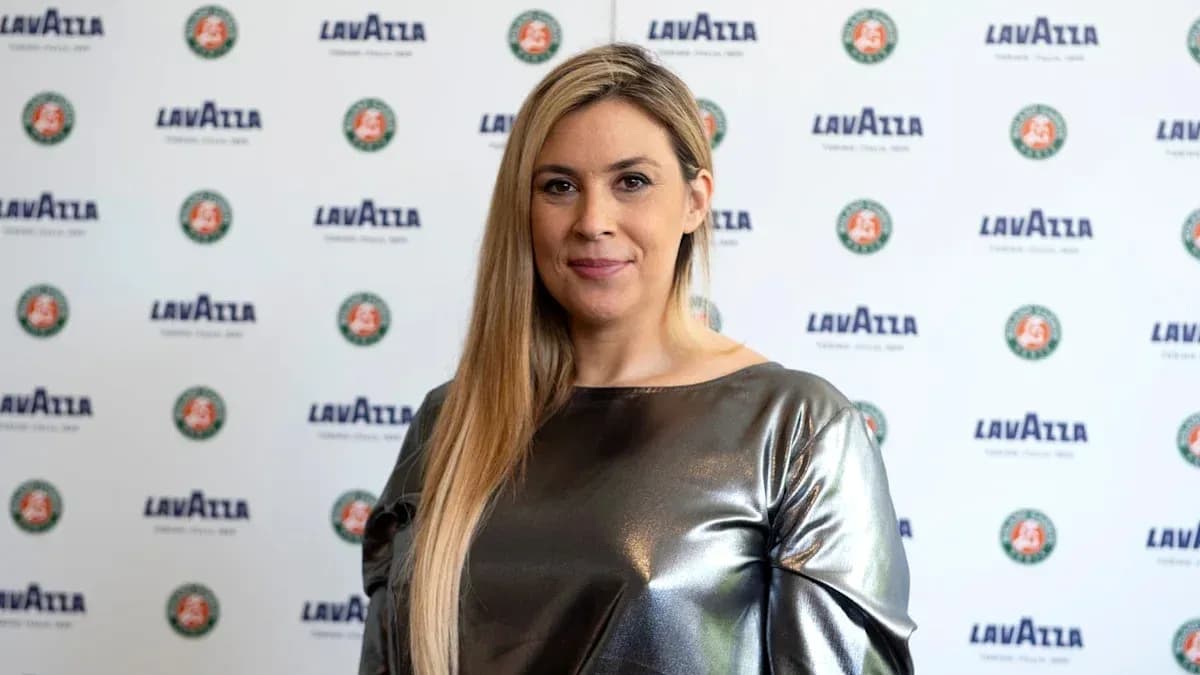
Marion Bartoli still cannot quite believe it.
Eleven years on from the greatest day of her professional life, the 2013 Wimbledon champion says she "still can't understand" how, in the immediate aftermath of her triumph, a live BBC commentator chose to question her looks rather than celebrate her achievement.
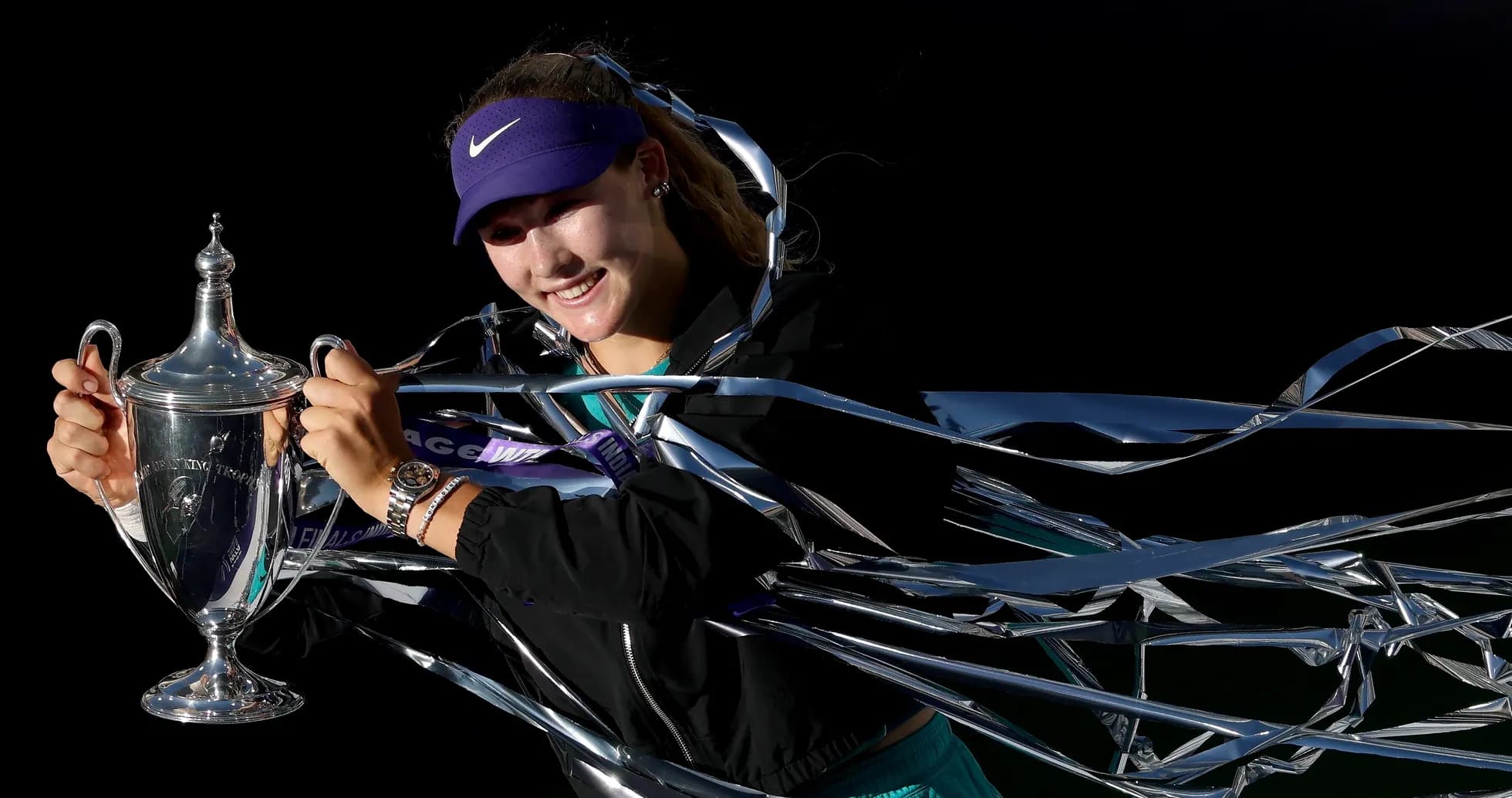
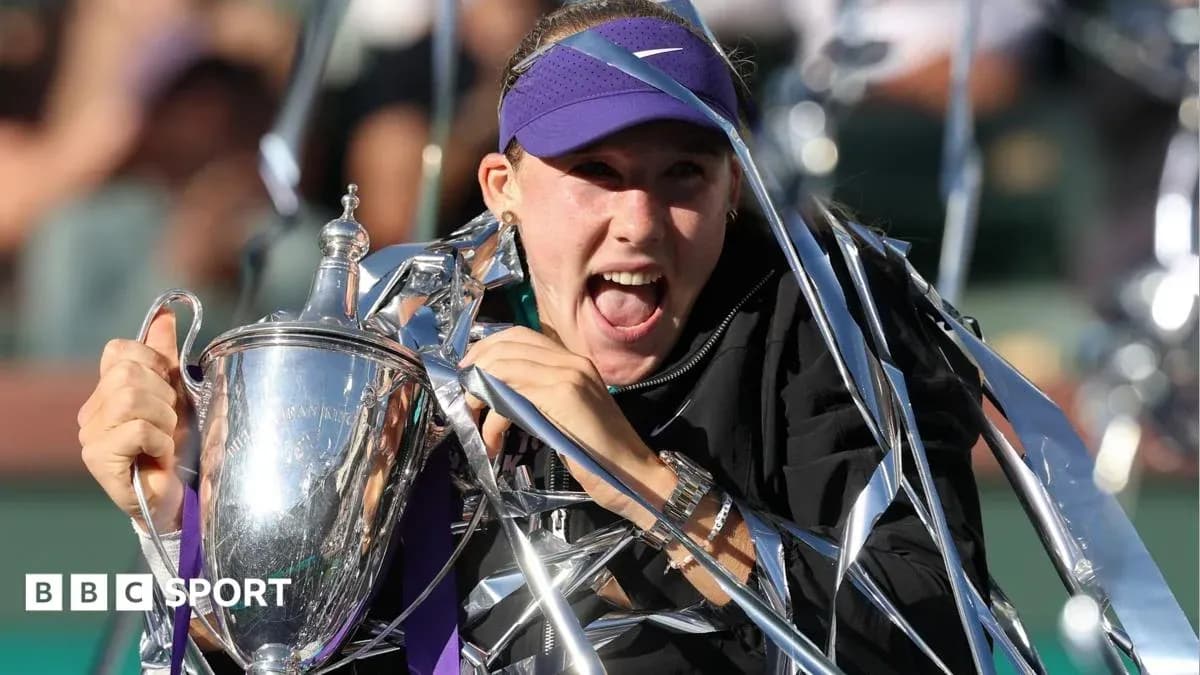
Bartoli had just outplayed Sabine Lisicki on Centre Court, lifting the Venus Rosewater Dish at the end of a career built on awkward strokes, relentless work and a stubborn refusal to listen to those who doubted her ability, her technique, or her body. It was the summit. The moment every lonely training session and every painful rehab had been aimed at.
And then came John Inverdale’s line on BBC Radio 5 Live.
He suggested that Bartoli’s father and coach, Walter, might have told his daughter when she was young that she would need to "be scrappy and fight" because she was "never going to be a looker" like Maria Sharapova. A throwaway remark in his mind, perhaps. For Bartoli, it attached itself to her defining moment and never quite let go.
The reaction was swift and furious. The BBC issued an apology and accepted the comment was "insensitive". The damage, though, was already done.
Speaking to The Times, Bartoli still sounds stunned. "I still can't understand the comment he made. How on earth, when someone just achieved a childhood dream, can you say that?" she said. "It is just absolutely disgusting, so yes, unfortunately it's been a constant pressure. And it's only on female [players]. A male would never be treated that way."
Those words land heavily because they come from someone who has already paid a high physical and emotional price for her career. Bartoli retired just 40 days after her Wimbledon win, her body too battered to continue, her daily existence dominated by pain. A brief comeback in 2018 flickered, then faded, again smothered by injury.
What followed her first retirement was far more alarming than any tennis setback. Bartoli spiralled into a severe, life‑threatening battle with anorexia. By Wimbledon 2016, she had lost 30kg. Her appearance shocked the sport. She ended up in hospital for months as she tried to claw her way back from a place she now admits she could barely see clearly at the time.
The turning point came, unexpectedly, at the place that had once defined her greatest joy. That summer, then-All England Club chairman Philip Brook pulled her aside. He told her she was too unwell to play in the Wimbledon legends’ invitational event.
It hit harder than any groundstroke.
"That's when I really hit the lowest of the low, because you can take everything away from me, but not tennis," she told The Times. "Tennis is my true passion. When the racket is in my hand, that's when I'm happiest, so that's when I thought, 'I have to get myself back up somehow. I can't let this destroy me.'
Brook’s intervention cut through a denial that had become a shield. She credits him with forcing her to confront the reality she had been avoiding.
"I will be forever thankful to Philip because I was in such denial that I think otherwise I would have kept hurting myself. He was strong enough to tell me and that got me to understand that I had to recover."
Today, Bartoli is back in the sport in a different role, coaching British player Harriet Dart and offering the kind of guidance forged not just in finals and practice courts, but in hospital rooms and harsh public glare. She carries a Wimbledon title, scars from a fight with illness, and the memory of a comment that never should have been made.
The trophy remains hers. So does the last word on what that day should have represented.