Mirra Andreeva Dominates Aryna Sabalenka at WTA Finals
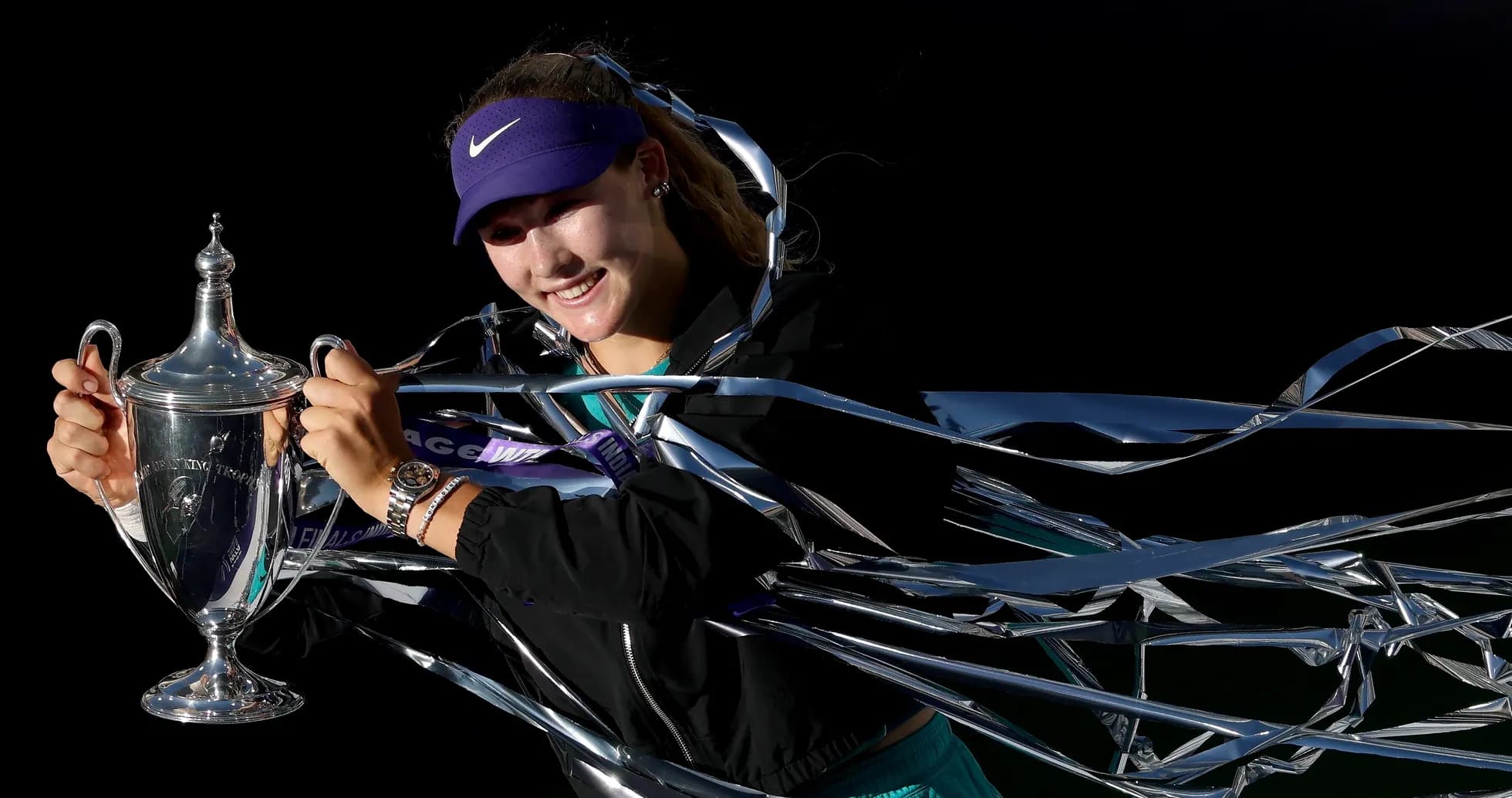
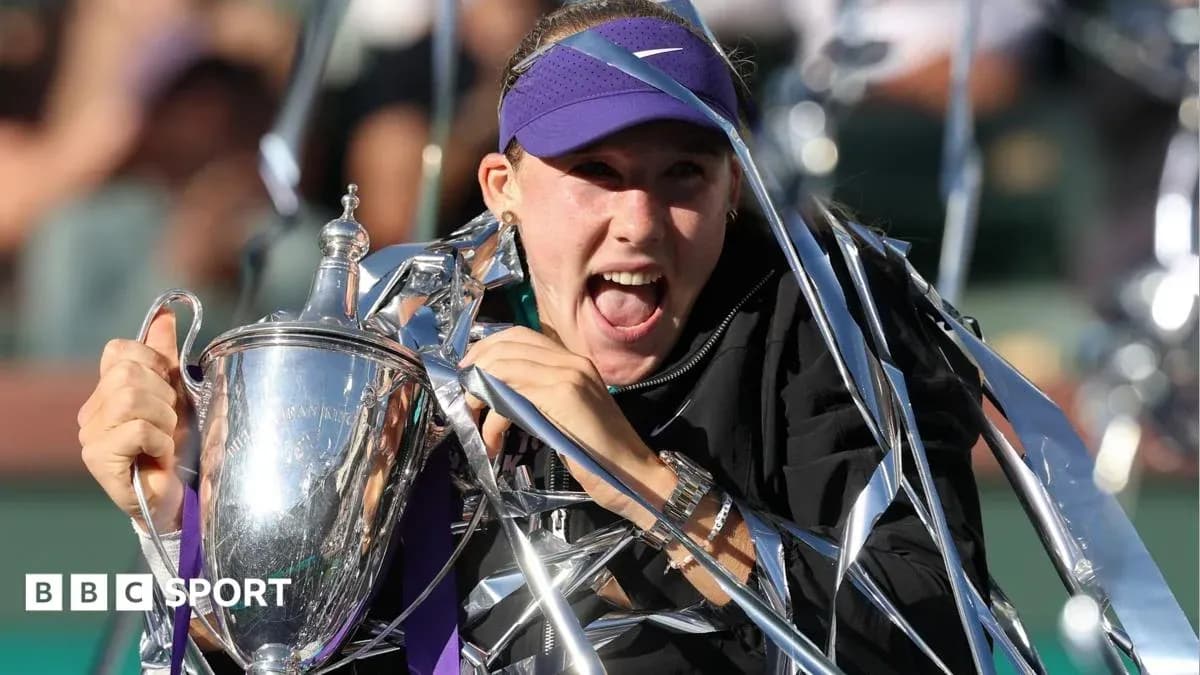
Mirra Andreeva didn’t just win her group on Wednesday. She tore it away from Aryna Sabalenka.
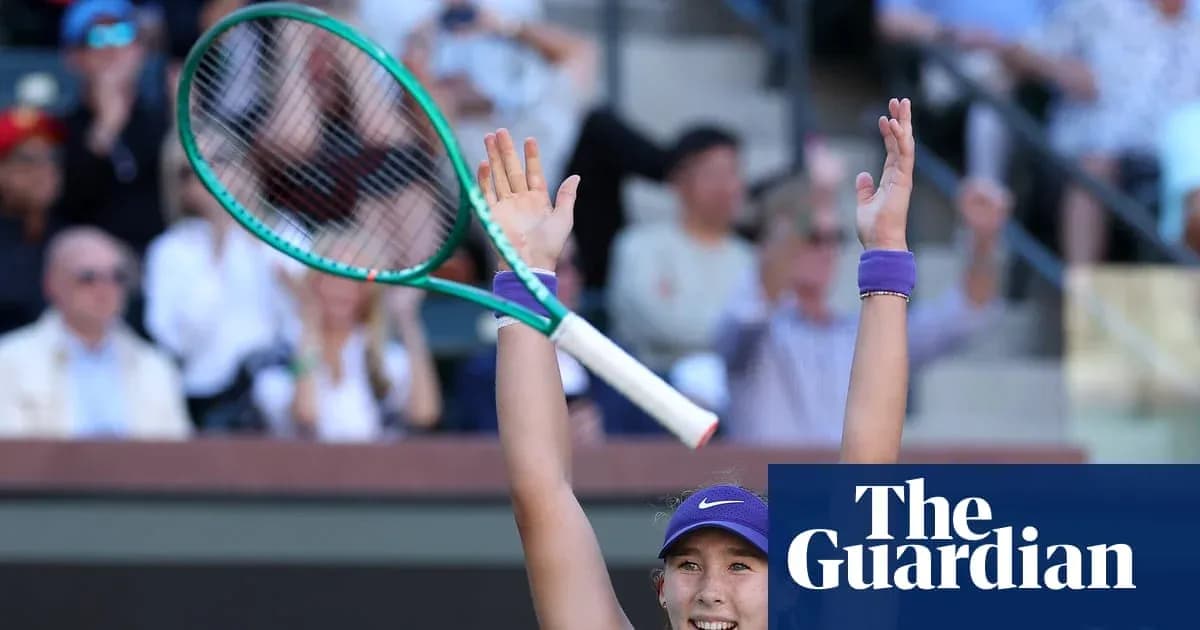
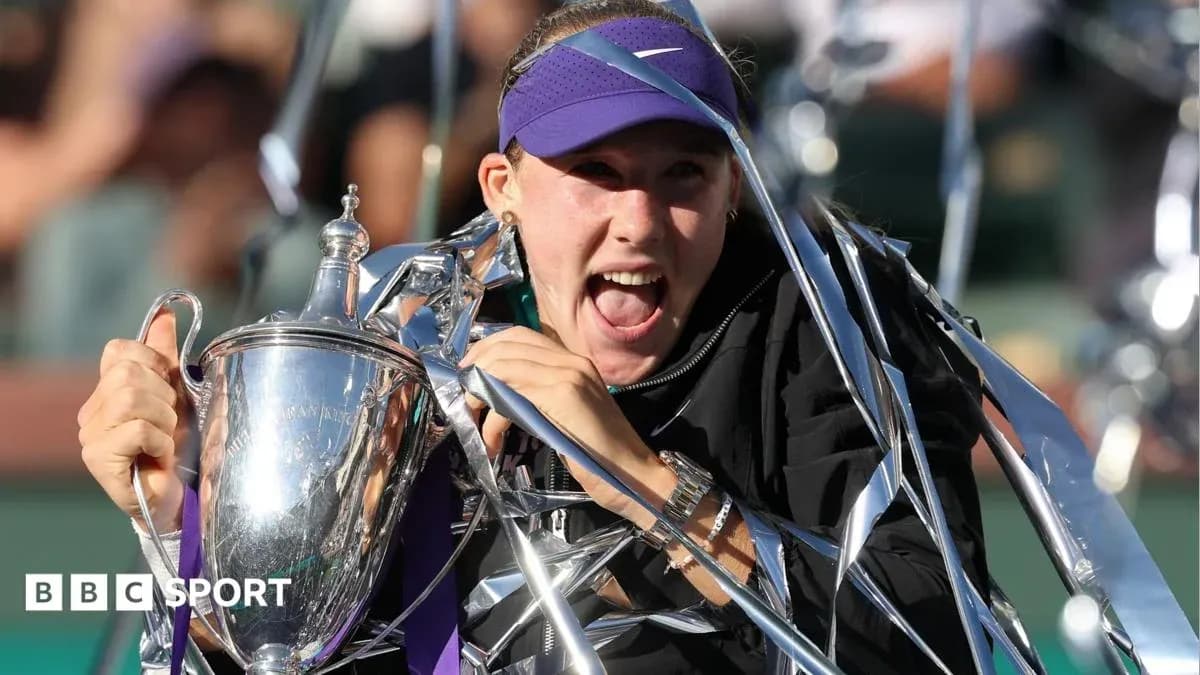
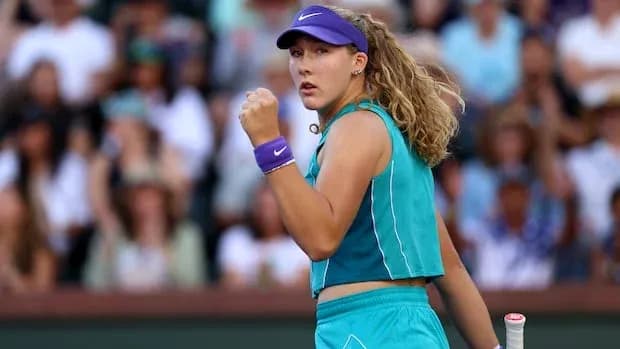
The 19-year-old Russian produced a ruthless 6-4, 6-0 victory at the WTA Finals, storming back from 1-4 down in the opening set and then running away with 20 of the next 23 points. In 62 minutes, she turned what looked like Sabalenka’s statement night into her own.
“I feel like I could play another two matches. I'm so pumped up and full of energy,” Andreeva said afterward, handing coach Conchita Martinez “82% of the credit” for a post-warmup pep talk that she believes lit the fuse.
From 1-4 Down to Total Control
For five games, Sabalenka had the match exactly where she wanted it. The No. 2 seed, taped above her right knee but moving freely, backed up her authoritative opening win over Karolina Muchova with more heavy hitting and an early break. Andreeva looked rushed, a step late, vulnerable.
Then the match flipped.
The teenager tightened her patterns, found depth, and started taking Sabalenka’s pace and sending it back with interest. The errors began to spill off the Belarusian’s racket. Rallies that had belonged to Sabalenka suddenly turned into Andreeva’s playground.
Once Andreeva reeled off five straight games to steal the first set, the contest barely resembled a contest at all. The second set was a demolition: 6-0, Sabalenka pinned behind the baseline, Andreeva dictating with the authority of a seasoned major champion rather than a first-time Finals contender.
This is not a one-off surge. Since arriving at the WTA Finals under the cloud of a pre-tournament hot-mic controversy — Jessica Pegula was heard calling her a “diva” before later apologizing — Andreeva has answered with the only currency that matters here: games won. She has dropped just eight in two matches.
At 2-0 in round-robin play, she walks away as Group 2 winner and the first to punch her ticket to the semifinals.
Sabalenka Left to Fight for Survival
For Sabalenka, the loss carries more weight than a bad day at the office.
She came into the event still adjusting to life without the No. 1 ranking, which she surrendered after 99 consecutive weeks when Elena Rybakina lifted the U.S. Open trophy. Her opening straight-sets win over Muchova hinted at a reset, a return to the relentless, front-foot tennis that made her the tour’s benchmark.
Against Andreeva, that resolve held only until 4-1.
From there, the former top-ranked player struggled to win even routine points. Her opponent, who claimed her first Grand Slam title at the French Open in June and beat Sabalenka to win the 2025 BNP Paribas Open at Indian Wells, again proved a terrible matchup. Once Andreeva found her range, Sabalenka’s power became a liability rather than a weapon.
Yet her tournament is not over. The No. 2 seed still has a clear path: beat Elina Svitolina on Friday and she reaches a fifth consecutive WTA Finals semifinal. Lose, and the year ends abruptly.
Svitolina’s Response
Svitolina will not make that easy.
The Ukrainian, the only mother in this elite eight-woman field, returned to the Finals for the first time since 2019 and was handed a harsh reminder of the new order: a 6-4, 6-0 defeat to Andreeva in her opener. It could have lingered. It didn’t.
Against Muchova in the first match of the afternoon, Svitolina dropped the opening set 3-6 and looked in danger of sliding out of contention. Then the old resilience resurfaced. She tightened her serve, stepped into returns, and began to drag Muchova into long, punishing exchanges.
The turnaround was decisive. Svitolina swept through the next two sets 6-2, 6-2, eliminating Muchova and setting up a straight shootout with Sabalenka for the remaining semifinal berth from Group 2.
A New Force at the Top
While Sabalenka and Svitolina prepare for a high-stakes clash, Andreeva can breathe, at least for a moment.
Her body language suggested she didn’t need the rest. “I could play another two matches,” she said, buzzing with adrenaline. The numbers back up the feeling: two matches, two wins, eight games lost, and a trail of seasoned opponents left searching for answers against a teenager playing with nothing to lose and everything to prove.
The pre-tournament noise, the labels, the “diva” tag — all of it has been drowned out by the sound of cleanly struck winners and one-sided scorelines.
She arrived in this field as the new Grand Slam champion from Paris, the player who had already cracked Sabalenka’s code in Indian Wells. She leaves the group stage as something more imposing: the player everyone here will want to avoid when the knockout rounds begin.
The question now is simple: can anyone stop her when the stakes rise again?