Mirra Andreeva Dominates Sabalenka to Reach WTA Finals Semis
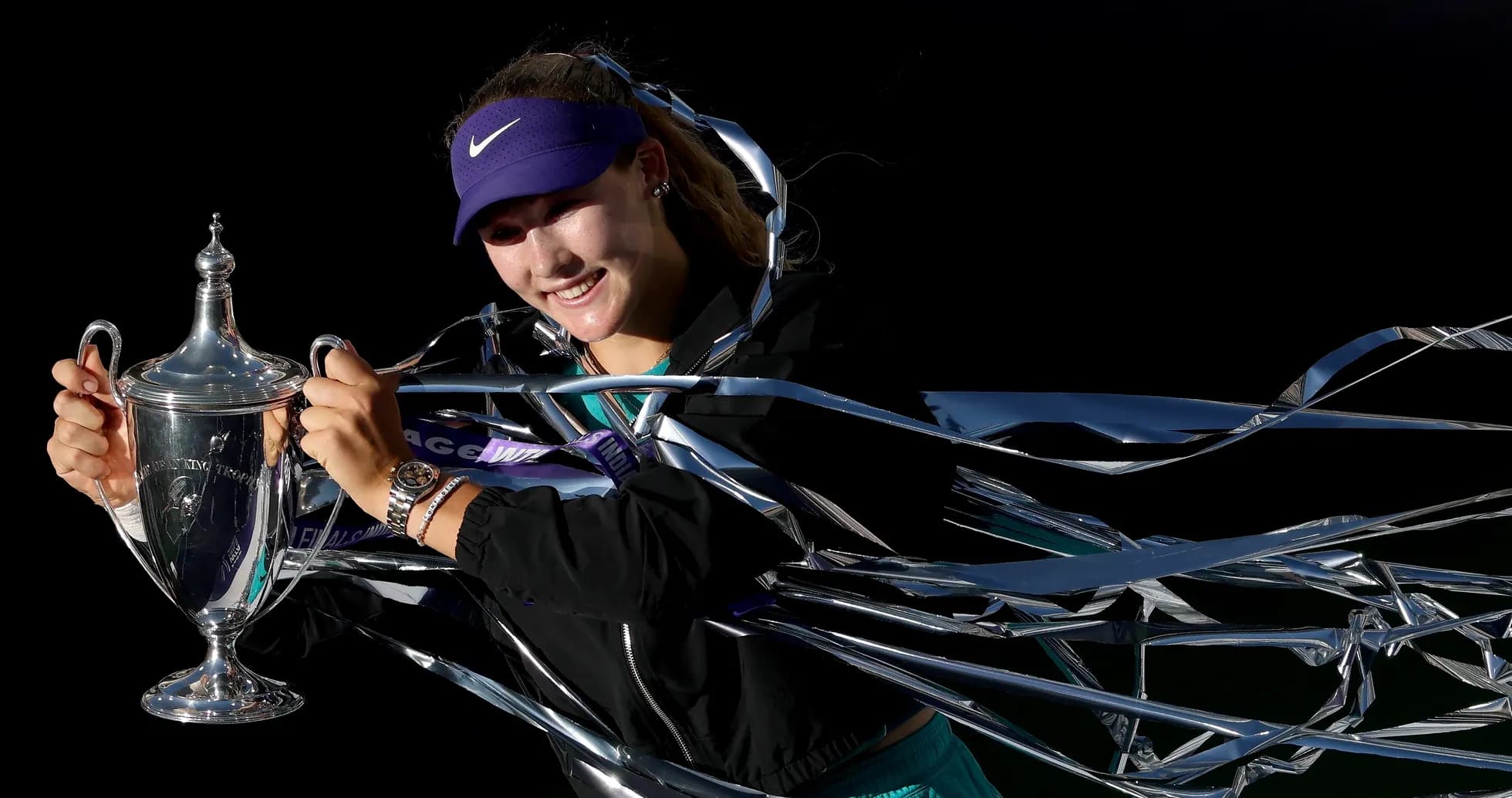
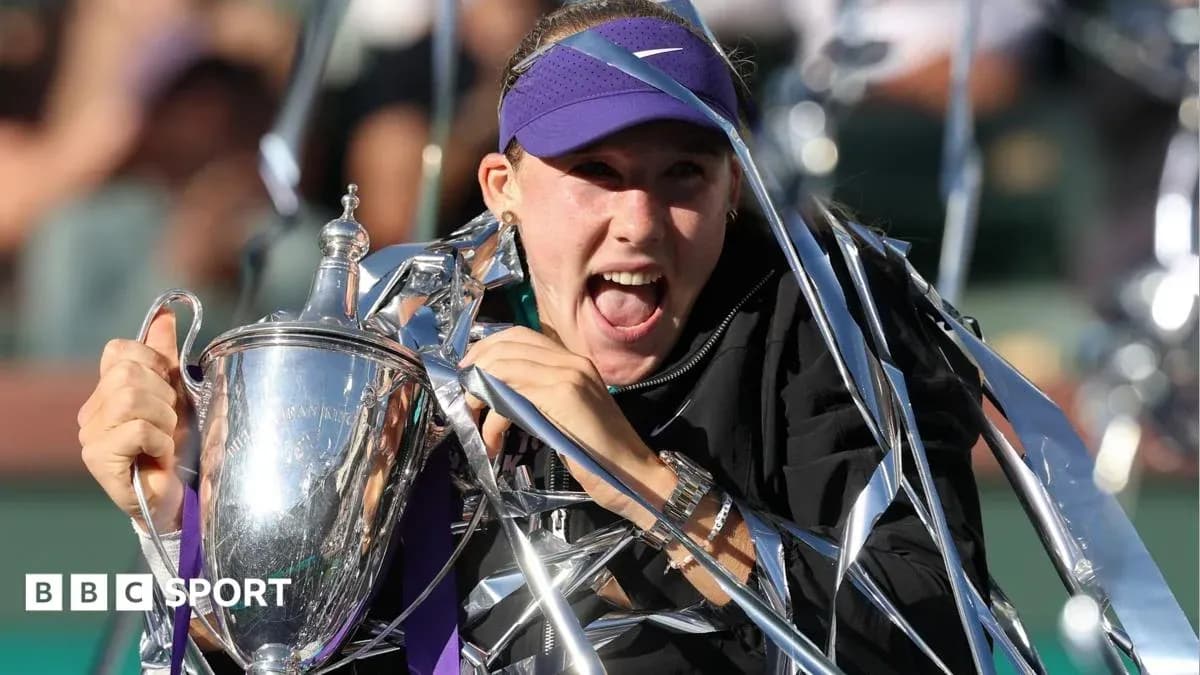
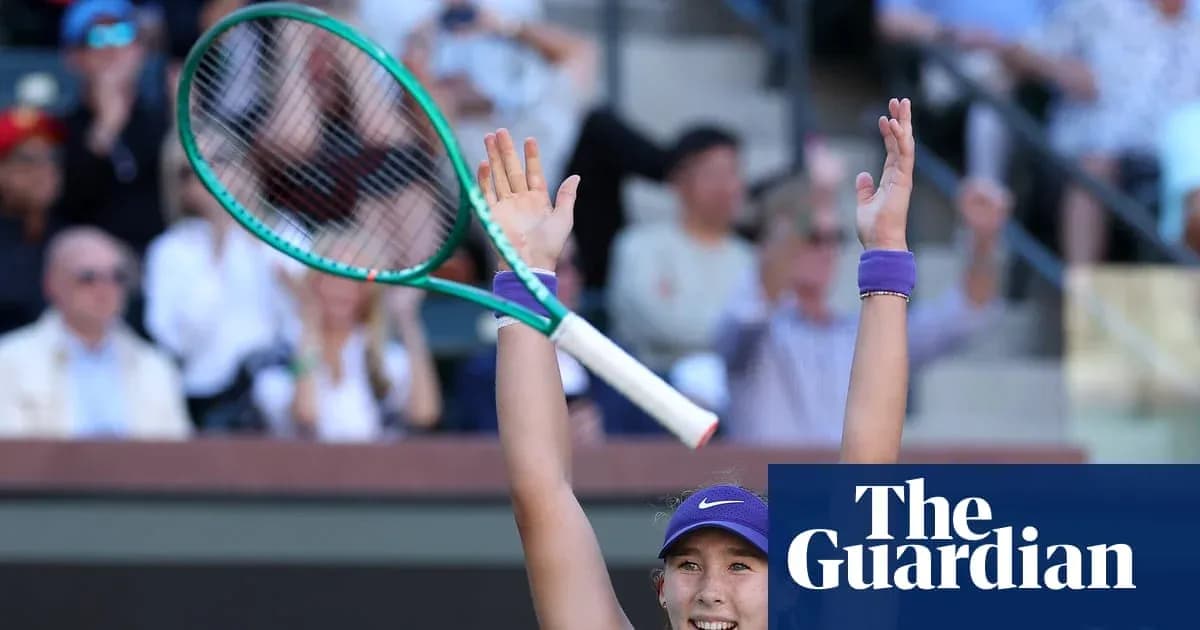
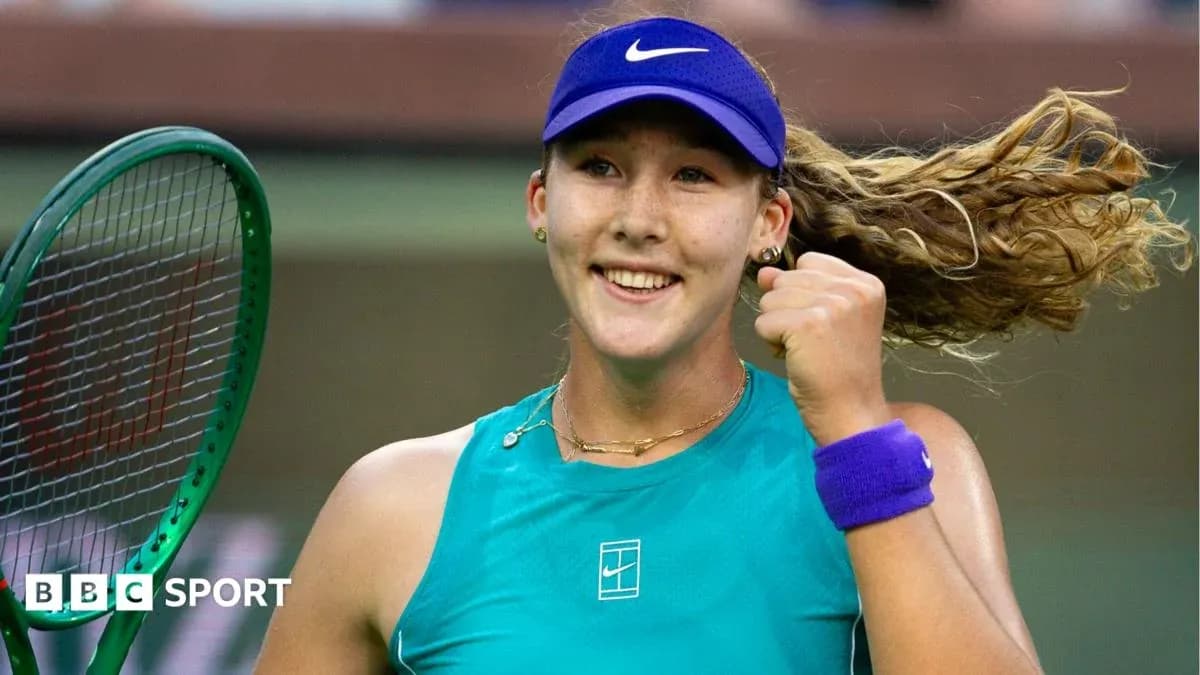
Mirra Andreeva walked into Indian Wells as a rising star. She walked off court on Thursday looking every inch a genuine powerhouse of the women’s game.
Down 4-1 to Aryna Sabalenka, the world number two and a four-time major singles champion, the 19-year-old Russian rattled off 11 straight games to crush the Belarusian 6-4 6-0 and reach the semi-finals of the WTA Finals as group winner.
What began as a test of survival turned into a rout.
From double-break down to total control
For the first 20 minutes, this looked like Sabalenka’s match. She bullied her way to a double-break lead, stepping inside the baseline, unloading on returns, and pinning Andreeva back with the kind of raw power that has carried her to the top of the sport.
Then the match flipped.
Andreeva started throwing up those loopy, high, teasing balls, dragging Sabalenka out of rhythm and out of patience. The French Open champion mixed height and spin, then suddenly accelerated through the court with easy, uncluttered power. Sabalenka’s feet slowed; her swings didn’t. The errors began to spill.
From 1-4 down, Andreeva tightened the screws. She broke once. Then again. Suddenly it was Sabalenka who looked rushed, the teenager who looked like she had been here a hundred times before.
Serving for the set at 5-4, Andreeva faced her only real wobble. At 15-30, the door creaked open for Sabalenka. Andreeva slammed it shut with three consecutive aces, a cold-blooded statement of intent that underlined the composure behind the talent. Set in the bag. Match firmly in her hands.
She never let go.
Sabalenka unravels, Andreeva steps up
Sabalenka had tape on her knee, but this collapse was all too familiar for a player who has seen matches spiral away from her this season. From that 4-1 advantage, she collected only 10 more points in the entire contest. Ten.
Her numbers told the story. Twenty-three unforced errors, no aces, and a complete loss of shape from the baseline on the same Indian Wells courts where she had lifted the WTA Tour title earlier in the year.
Andreeva, by contrast, played with a clarity that belied her age. Sixteen winners, just six unforced errors, and a constant ability to carve angles from the back of the court. She used height to disarm Sabalenka, then flattened out her groundstrokes to finish points. Intelligent patterns, ruthless execution.
“I will be honest, I feel like Aryna did not have the best day,” Andreeva told Sky Sports afterwards, reluctant to turn the spotlight fully on herself. “I feel like I cannot really take all the credit today – I feel like that is not very fair in some ways. I’m just happy. I had a goal in front of me to commit no matter what and control the things I can control.”
That commitment showed most starkly in the second set. There was no let-up, no lapse, no sense of a teenager protecting a lead. She blanked the second seed 6-0, adding another brutal chapter to Sabalenka’s run of lopsided final sets this season. The Belarusian has already endured deciding-set bagels at the French Open and Berlin Open; this time the collapse came even faster.
Semi-final secured, pressure shifts
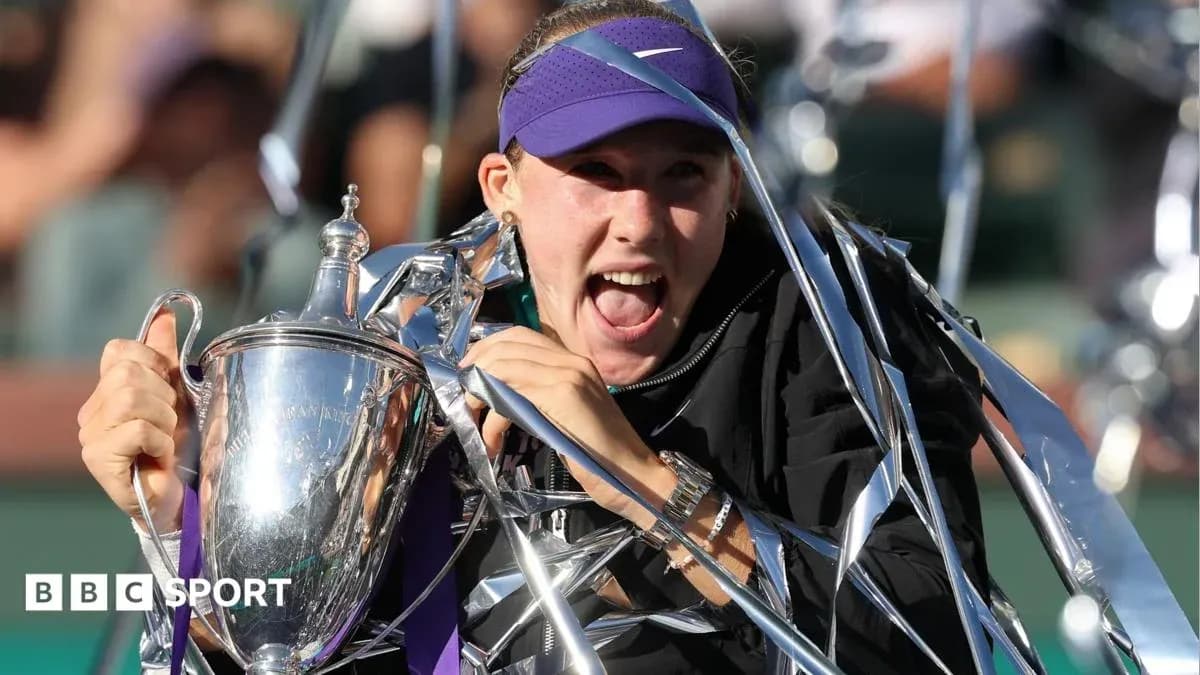
With this win, Andreeva not only marches into the last four but does so as group winner, underlining her status as far more than a one-tournament wonder after her Roland Garros breakthrough.
Sabalenka’s fate now hangs on Friday’s final group match against Elina Svitolina. The equation is simple: the winner joins Andreeva in the semi-finals, the loser goes home.
For Sabalenka, it’s a chance at redemption after one of the most jarring defeats of her season. For Andreeva, already through, it’s something else entirely: proof that the next wave is not just coming. It has arrived.