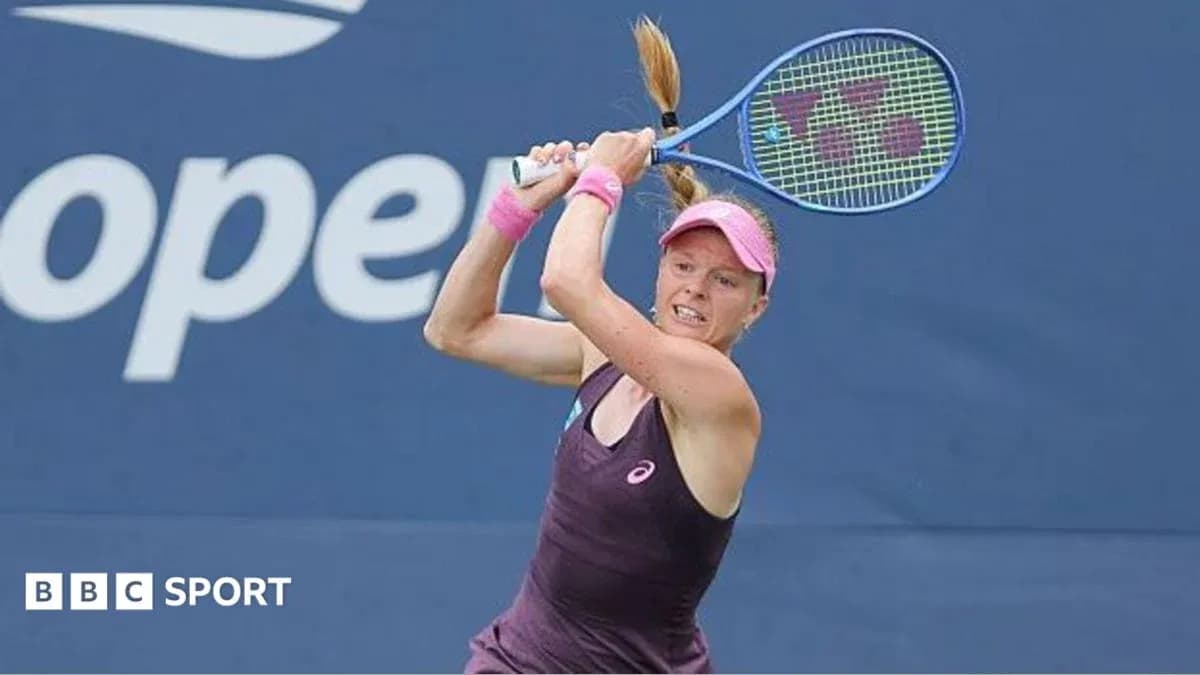
Naomi Osaka Advances with Confident Win at US Open
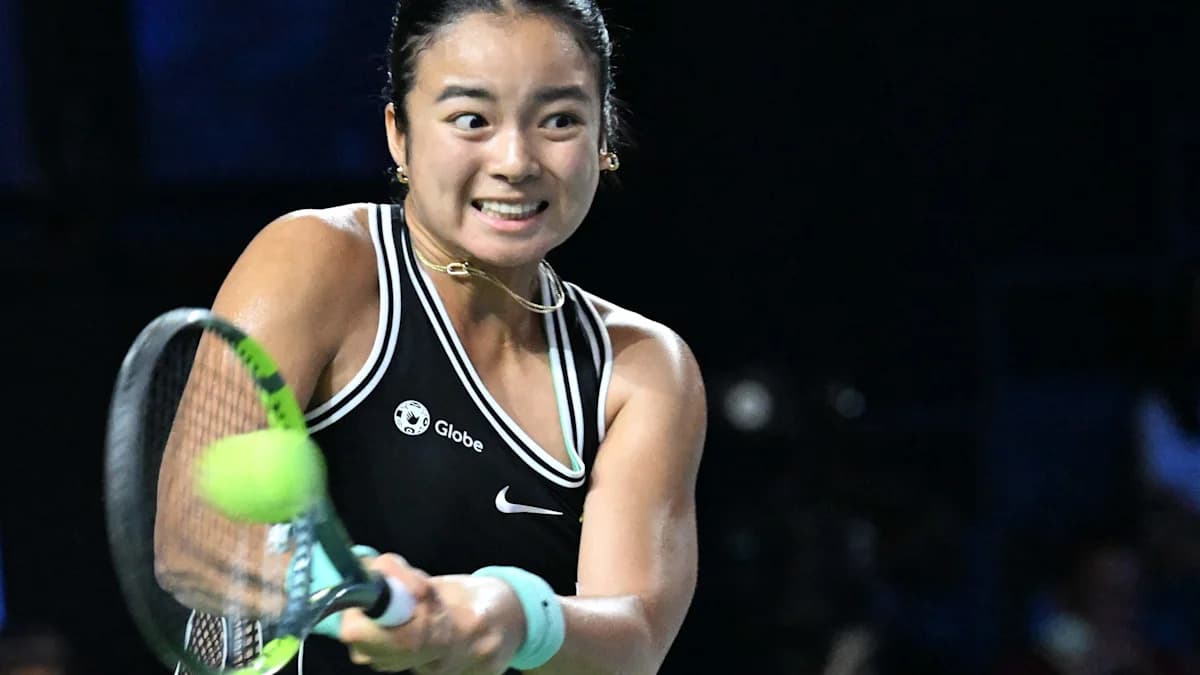
Naomi Osaka bends but does not break. On a scratchy, sun-splashed afternoon on Arthur Ashe Stadium, the two-time US Open champion rode out a flurry of nerves and resistance from Katerina Siniakova to close out a 6-2 6-3 win and book her place in the third round.
For an hour, Osaka looked every bit a former champion rediscovering her old rhythm. The serve had bite, the forehand dictated, and she controlled the baseline rallies with the kind of authority that once made this court her personal stage. Siniakova, a fine doubles player with plenty of grit, spent long stretches scrambling from side to side, dragged into Osaka’s patterns and forced to react rather than create.
The first set raced away from the Czech. Osaka struck early, broke, and never looked back, locking in behind her first serve and brushing aside any half-chances Siniakova tried to create. The scoreboard read 6-2, but the feel of it was more one-way than the numbers suggested.
The second set, though, refused to follow the script.
Osaka opened it with another solid hold, even as the chair umpire had to again hush a restless crowd that struggled to stay quiet during points. The noise didn’t rattle her. She kept her head down, kept swinging, and soon enough she had Siniakova under pressure again, pushing the Czech into double faults and rushed swings.
Siniakova clung on at 1-1, saving a break point in a draining service game that could easily have broken her belief. Instead, it gave her a sliver of it. She let out a roar after a double fault, then steadied behind a first serve to escape. Osaka, though, still looked the sharper player, the one seeing the court more clearly.
That edge told at 3-2. Siniakova, frustrated with a faltering forehand, slipped to 0-30 and then watched Osaka carve out three break points. One disappeared with a net-cord bounce that Siniakova pounced on, but Osaka refused to let the moment slide. In the very next game, she stretched the Czech from corner to corner, dictating with heavy, deep groundstrokes before drilling a winner to seize control of the set at 4-2.
From the stands, it felt like the finish line had swung into view.
Siniakova, though, refused to fold. She finally earned her first break point of the match at 4-2, helped by Osaka going long under the glare of the sun. A second chance followed after a long, tense game. Osaka, who had been so clean for most of the afternoon, suddenly bled unforced errors. Siniakova grabbed the opening, broke back for 4-3 and, for the first time, the match felt alive.
The Czech’s fightback didn’t last.
Serving at 3-4, she again slipped into trouble. Osaka surged, stepping inside the baseline and ripping returns to reach three more break points. Siniakova saved one with a bold strike, but the second went begging as Osaka pinned her back and forced another error. It was a gut punch for Siniakova, who had waited so long to make a breakthrough only to hand it straight back.
At 5-3, Osaka stepped up to serve for the match in what turned into a messy, anxious game that mirrored the late chaos of the set. Siniakova carved out two break points, desperate to extend the contest, but Osaka steadied herself just enough, resetting between points and trusting the patterns that had carried her for most of the day. One last surge, one last clean strike, and the door slammed shut. Third round secured.
While Osaka advanced, British interest flickered into life on the outside courts.
On Court 11, Harriet Dart, one of only two remaining Britons in the singles alongside Fran Jones, opened with real intent against 25th seed Marie Bouzkova. Dart, who beat the Czech in three sets at Eastbourne earlier this year, settled quickly, trading confidently from the baseline and then stepping forward at the right moment. She sealed the opening game by moving in behind her groundstrokes, closing at the net as Bouzkova failed to find a passing shot.
Inside the grounds, another heavyweight quietly sent a message. Iga Swiatek, a six-time Grand Slam champion, dismantled Nadia Podoroska 6-3 6-2 on Grandstand with a performance built on discipline and heavy spin. She stepped around the ball late in the match to crush one of the shots of the day, a forehand winner flashed across court, then forced an error on match point to seal her progress.
“I am here with a better feeling probably than any other Grand Slam this year,” Swiatek said on court afterwards, content, composed, and already thinking ahead. She spoke of preparing for Podoroska as seriously as any other opponent and of unwinding with Lego sets off the court, a small but telling glimpse into the balance behind her dominance.
On the men’s side, Felix Auger-Aliassime and Karen Khachanov locked into the kind of bruising, baseline battle that suits both their games. The Canadian, a former US Open semi-finalist like his opponent, let a break advantage slip but dug deep in the tie-break, edging it 7-5 to claim the opening set. Courtside, Mark Woodforde noted that you can’t feed Khachanov the same ball over and over and suggested the backhand slice as a key variation for Auger-Aliassime to lean on.
By the time Osaka walked off Ashe, the picture of the tournament had sharpened a little. Swiatek is purring. Auger-Aliassime is grinding. Dart is swinging freely again. And Osaka, back on the stadium that shaped her career, is not just winning. She is starting to look dangerous.