Naomi Osaka's Bold Fashion Statements at the US Open
Naomi Osaka has never blended in. She has never tried to.
At this US Open, the four-time Grand Slam champion has turned the walk from tunnel to baseline into a runway, using her outfits as loudly as some players use their forehands. The reaction has been split, and she knows it. She also says it is "worth it".
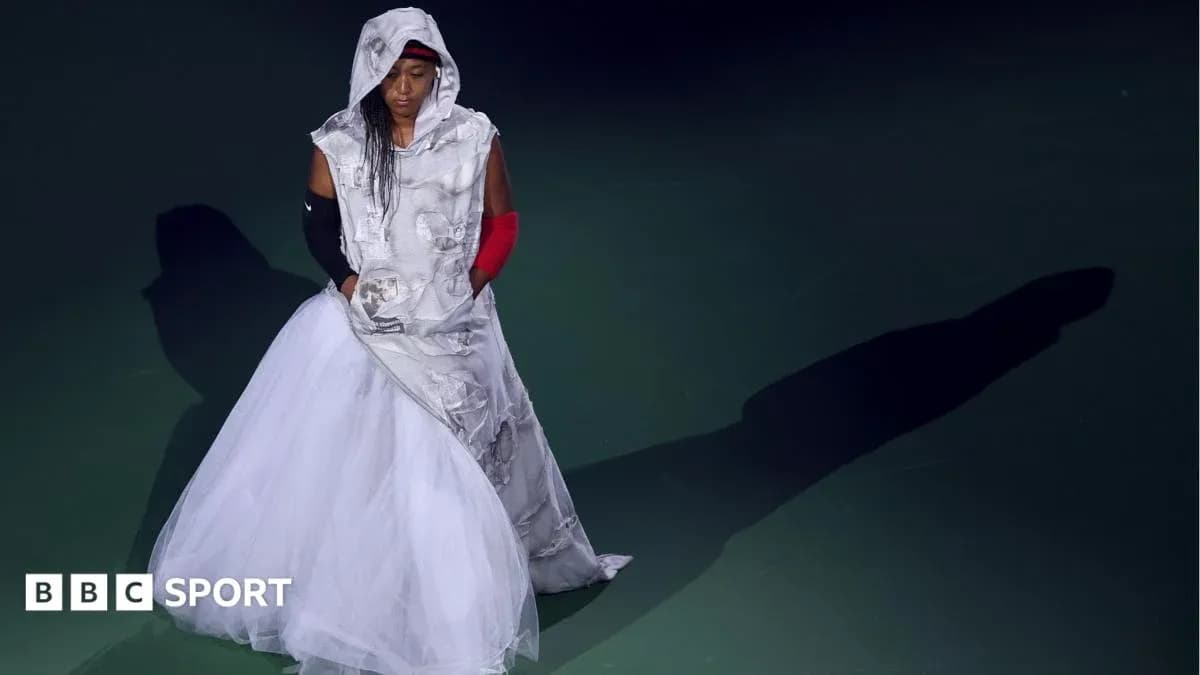
Osaka, 28, arrived for her first-round win over Anastasia Zakharova in a hooded white gown that looked more gala than Grand Slam. Underneath, she revealed an all-black, basketball-style kit, the kind of look more at home on an NBA court than on Arthur Ashe Stadium. Her hair was braided, a headband sat across her forehead, and the tribute was clear: Allen Iverson.
She called Iverson a "trailblazer", pointing to the way he shifted culture and fashion in basketball, "whether it's on purpose or not". Osaka has taken that cue and walked straight into tennis’ most conservative spaces dressed like she belongs to a different sporting universe.
The latest chapter came in the last 16, where she lost to Elena Rybakina. Osaka stepped onto court in a decorated coat before shedding it for the match, another deliberate statement that the stage is hers from the first camera flash, not just the first ball.
The clothes have drawn criticism. They usually do when they push against tennis tradition. Osaka is not backing down.
"I don't mind being the first to do something and getting trashed for it," she wrote in a social media post, directly addressing the noise around her style. "This happened when I talked about mental health and for some reason it's happening with my clothes lol."
That reference goes back to 2021, when she refused to speak to the media at the French Open, citing mental health reasons, and then withdrew from the tournament. Her stance sparked a global conversation, brought backlash, and forced the sport to confront how it treats its stars. She took the hits then, too.
Now, she folds that experience into a broader picture of who she is and where she comes from. Osaka, whose father is Haitian-American and mother is Japanese, pointed straight to her roots as she defended her choices.
"I'm literally Haitian it's in my blood to be this way, as long as the people after me have an easier path it's worth it."
That is the thread that runs through her career: a willingness to stand in the storm so the next generation doesn’t have to. Whether it’s speaking about mental health or turning centre court into a canvas, Osaka is betting that the criticism aimed at her now will feel outdated by the time the players who grew up watching her step into the spotlight.
The scoreline against Rybakina will fade. The images of Osaka in that white gown, that black kit, that decorated coat? Those might linger a lot longer.