Naomi Osaka Overcomes Challenge to Advance at US Open
Naomi Osaka flirted with trouble, then slammed the door.
On a bright Thursday afternoon in New York, the two-time US Open champion rode out a sharp mid-match slump to beat Katerina Siniakova 6-2, 5-7, 6-1 and book her place in the third round at Flushing Meadows.
Fast start, sudden wobble
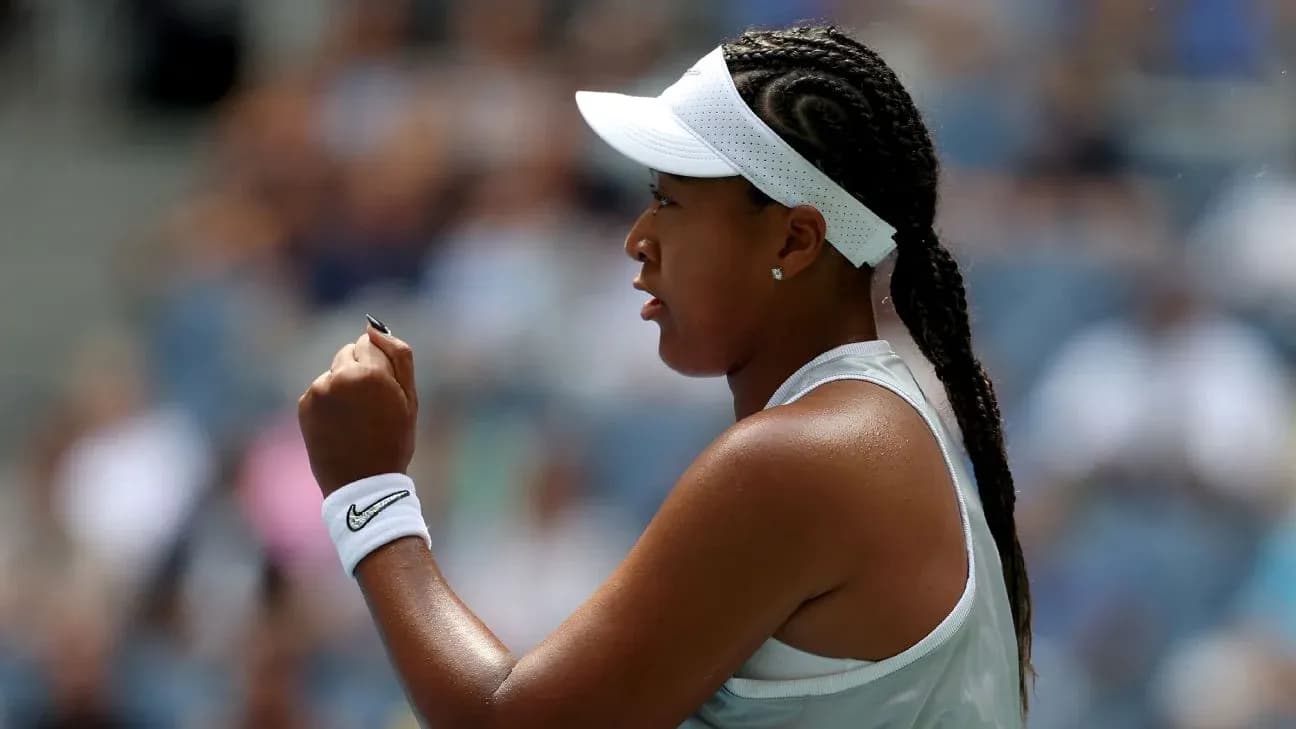
Osaka walked into Arthur Ashe Stadium dressed for the occasion: silver and white beneath a long white jacket, white visor pulled low. A stark contrast to her opener, when she stepped under the lights in black, hair in cornrows, a clear nod to Allen Iverson. Different look, same intent.
The No. 13 seed started like a player with four majors in her pocket and somewhere to be. She ripped through the opening set in 30 minutes, bossing rallies off both wings and keeping the ball clean — just four unforced errors as Siniakova struggled to match her pace and depth.
Siniakova, the world No. 1 in doubles, knows her way around a court, but singles against Osaka on Ashe is a different problem. At 6-2, 4-2, it looked solved.
Then Osaka blinked.
Serving at 4-2 in the second, she got dragged into a long, bruising game. Siniakova dug in, extended points, and finally broke. That crack in the door widened quickly. Osaka’s timing slipped, her footwork followed, and the errors flooded in — 20 of them in the second set alone, a jarring jump from the control of the first.
Siniakova sensed the opening and refused to go away. Osaka, suddenly tight, let the set escape 5-7. The match, which had seemed routine, now had a story.
Reset and response
Osaka left the court for a bathroom break, a pause she later admitted she badly needed.
"The match was definitely really tough and I don't know, I just felt like I had to fight," she said. "I definitely had a couple opportunities in the second set and I think I was a little bit too hard on myself. So I took the bathroom break, regrouped a little, came back and just tried to have no regrets."
The reset worked.
She stepped back on court with sharper intent, tightened her margins, and immediately broke for 2-0 in the decider. The Osaka from the first set returned: heavy first serves, early strikes off the return, no freebies.
The point that captured the shift came early in the third — a 19-shot rally that dragged both players corner to corner. Osaka finally moved forward, cut off the angle, and finished with a crisp volley winner. No roar, no fist pump. Just a quiet exhale, the look of someone more relieved than thrilled to feel the ball sitting on her strings again.
From there, Siniakova’s resistance faded. Osaka rolled through the set 6-1, closing out a match that had veered dangerously off script but ultimately reinforced what she already knows about herself: when the rhythm goes, the fight has to take over.
A busy day at Flushing Meadows
Osaka’s escape came on a day stacked with star power in New York.
On the same schedule sat Iga Swiatek, the 2022 US Open champion, who avoided any drama. The Pole dismissed Nadia Podoroska 6-3, 6-2, a clean, efficient win that underlined her comfort on these courts.
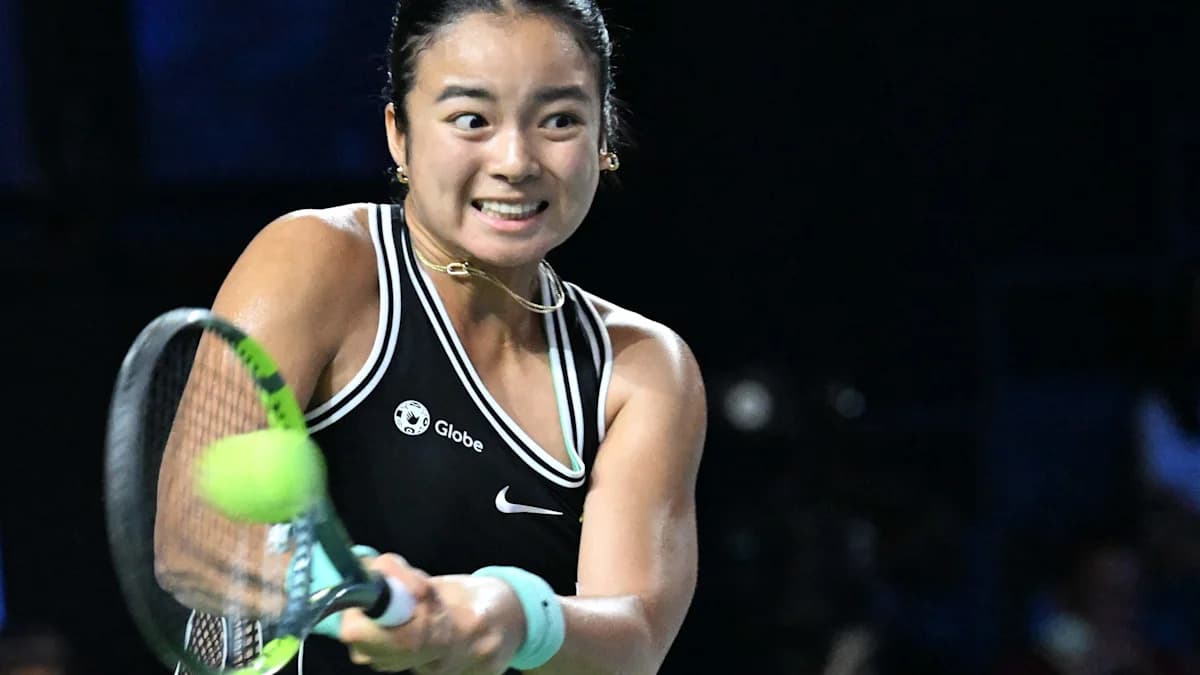
Alex Eala, the No. 17 seed from the Philippines, had to wait. Her match followed Felix Auger-Aliassime and Karen Khachanov, and the Canadian’s four-set grind against the No. 3 seed stretched deep into the afternoon, pushing Eala’s start back.
Night belonged to Coco Gauff. The 2023 champion at Flushing Meadows returned to Arthur Ashe for a marquee clash with Paula Badosa, who had already been forced into back-to-back days of work after rain delays pushed the end of her first-round match to Wednesday.
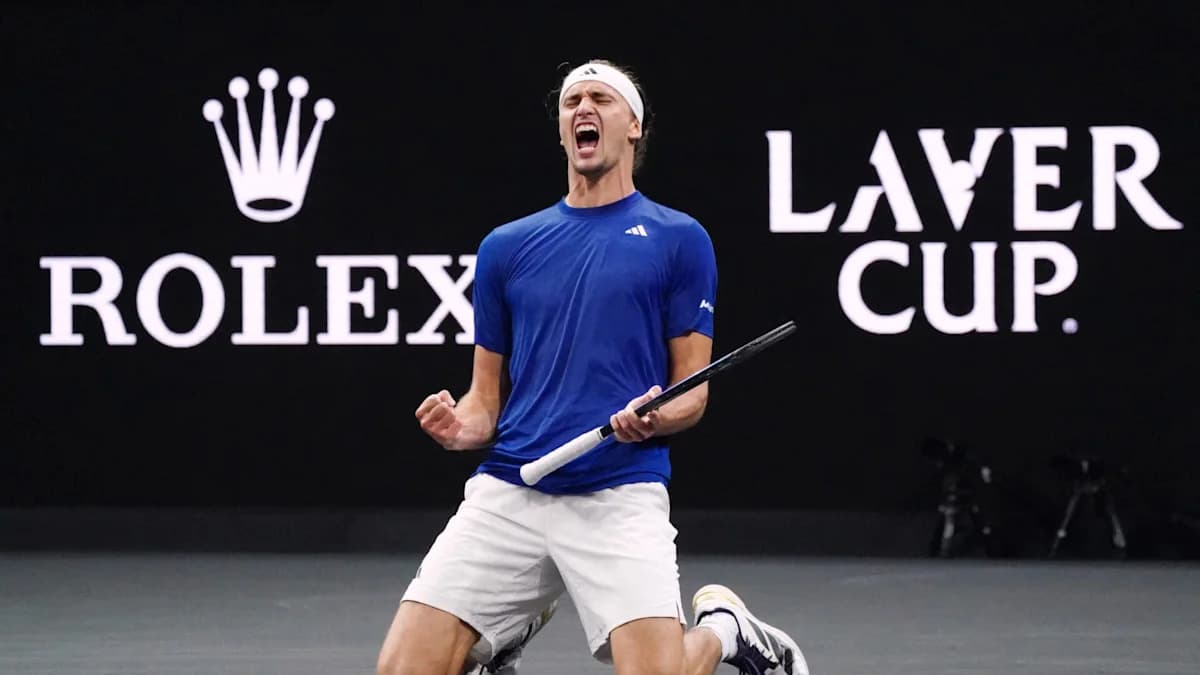
After Gauff and Badosa, No. 1 seed Alexander Zverev was due on court, hoping for a smoother ride against Quentin Halys. On Tuesday, he flirted with unwanted history, needing five sets to scrape past Lorenzo Sonego and avoid becoming the first top seed to fall in the opening round of a men’s major since 2003.
Doubles also finally stirred to life on Thursday. The draw began without Serena Williams and Venus Williams on court, but the sisters are slated to open their campaign on Friday against Hao-Ching Chan and Maya Joint — the same Joint who beat Serena in singles at Wimbledon this summer, adding a sharp little edge to an already intriguing matchup.
The rain that had soaked and stalled the tournament for days cleared out, leaving the sun to dry the courts and speed up the pace. Osaka took full advantage of the conditions, even if she made it harder than it needed to be.
She’s through, though. The questions now shift from whether she still has the grit to survive a bad patch — she answered that — to how far that resilience can carry her in a draw that grows more dangerous with every round.