Novak Djokovic's Stunning First Round Exit at US Open
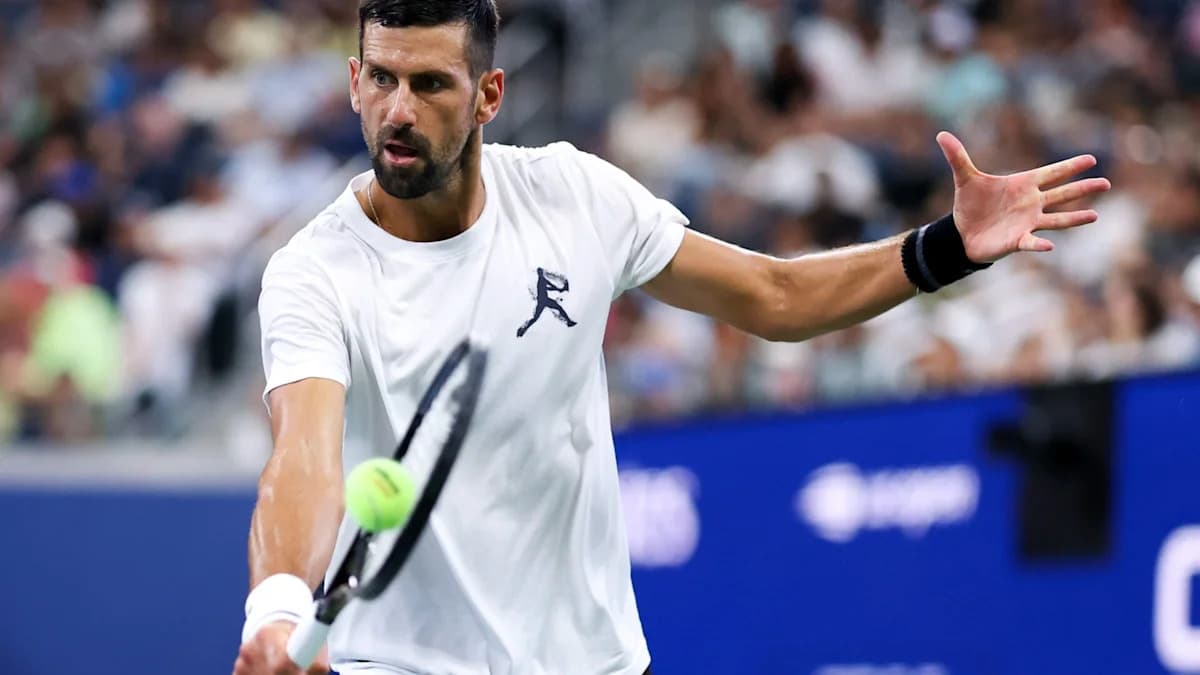
Novak Djokovic stood on Arthur Ashe Stadium, eyes glazed, chest heaving, and for once there was no escape route, no late twist, no familiar act of defiance. At 39, the sport’s great escape artist finally ran out of road in the first round of the US Open.
Mariano Navone, ranked 49 in the world and playing with the freedom of a man with nothing to lose, sent him out in five sets: 7-6 (7-5) 5-7 4-6 6-2 6-1. The scoreline tells of a comeback that never came. The images told an even starker story.
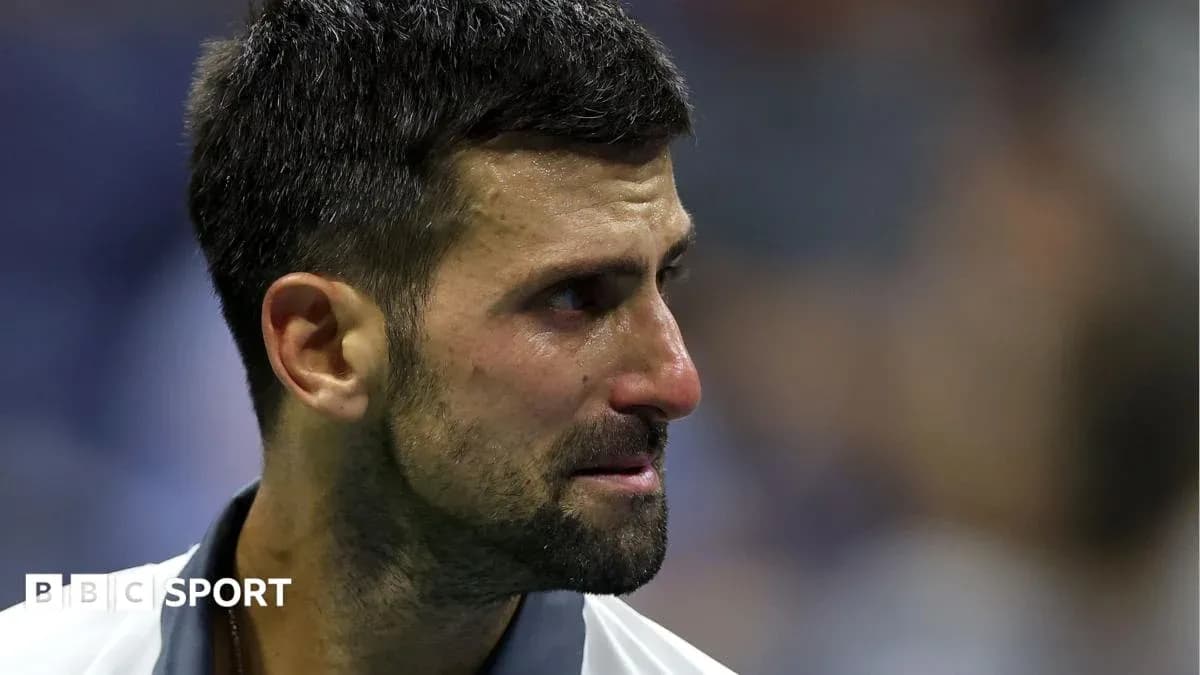
Djokovic vomited into a towel bin. He bent double between points. He called the doctor, took tablets, wiped sweat from his face as the New York humidity wrapped itself around him like a lead blanket. By the deciding set, the 24-time Grand Slam champion was in tears.
This was uncharted territory. Never before had Djokovic lost in the opening round at Flushing Meadows. Not since 2006 had he gone out in the first round of any Grand Slam. For two decades, he has turned crisis into fuel. On this night, crisis turned into a wall he could not climb.
It had started so promisingly. Seeded fourth, Djokovic broke Navone at the first attempt, raced into a 2-0 lead and looked ready to impose the old order. Then came the seventh game, and with it a long, punishing rally that seemed to drain him in an instant.
From that moment, the match shifted.
His serve lost bite. His groundstrokes lost depth. The shoulders sagged. He looked flustered, almost dazed, as he trudged to his chair and summoned the doctor after the ninth game. Tablets arrived. Relief did not.
Navone, 25 and playing the biggest match of his career, held his nerve as the first set edged into a tie-break. Djokovic bowed his head between points, hands on knees, trying to draw breath and energy from somewhere. The Argentine stayed steady, took the breaker 7-5 and, after 73 minutes, landed the first heavy blow.
Arthur Ashe Stadium felt it. The noise dipped, replaced by an uneasy hush. This was not the familiar script. This was not the indestructible Djokovic they had come to watch.
The question hung in the air: would he find a way again?
For a while, it looked like he might. The roof closed, the temperature eased, and with it Djokovic’s game sharpened. His movement improved, his eyes cleared. He carved out the only break points of a tight second set, missed early chances, then finally dug in at 5-5 to break for 6-5.
He served it out to love. One set all. The crowd roared, sensing the old pattern returning.
Djokovic’s body language changed in the third. He grew more animated, more vocal, more like the champion who has bullied opponents off courts for years. At 3-3, though, the legs betrayed him again. He looked unsteady, his steps heavier, his recovery slower.
Still, he pounced when Navone faltered, breaking for 5-4 and holding to take the set. Two sets to one up. Historically, this is where Djokovic closes the door, even when he’s hurting. Especially when he’s hurting.
Not this time.
The fourth set unravelled quickly. Navone sensed the drop, stepped inside the baseline and began to dictate. Djokovic’s resistance thinned. The Argentine ran away with it 6-2, and suddenly the match felt less like a contest and more like a countdown.
By the fifth, the scene had turned uncomfortable. Djokovic, chasing a standalone 25th major title and the chance to move clear of Margaret Court’s all-time mark, could barely summon his usual intensity. His face creased, eyes reddened, he fought on instinct rather than conviction.
Navone, to his credit, did not blink. He kept hitting, kept running, kept believing. The final set flashed by 6-1, a brutal closing act for a player who has so rarely been on the wrong side of such a scoreline on a Grand Slam stage.
At the net, Djokovic managed a smile, embraced the younger man and offered warm congratulations on what will stand as one of the defining wins of Navone’s career. Grace, even in defeat, has always been part of his armour.
But as he turned away and walked towards the locker room, the mask slipped. The tears came back. The shoulders slumped. The four-time US Open champion looked every bit his age.
Thousands remained inside Ashe as midnight approached, hoping for one last surge, one last Djokovic miracle. Instead, they watched a great champion finally trapped by the limits he has spent a career denying.
For years, the question has been how long he could keep bending time to his will. After a night like this, the question changes: how many more of these battles can he win, and how many more can his body bear?