Novak Djokovic's Historic Loss to Mariano Navone at US Open
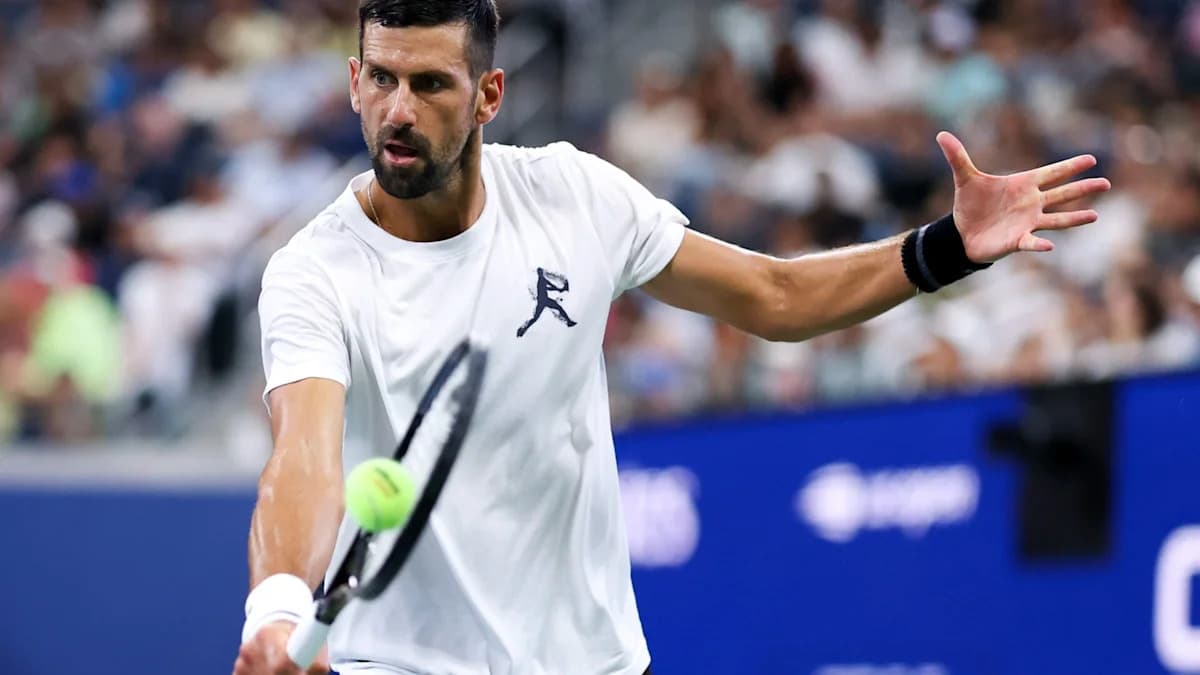
Novak Djokovic walked into Arthur Ashe Stadium chasing history. He left it bent over a courtside towel box, emptied by the New York night and beaten by a man who had never before won a five-set match.
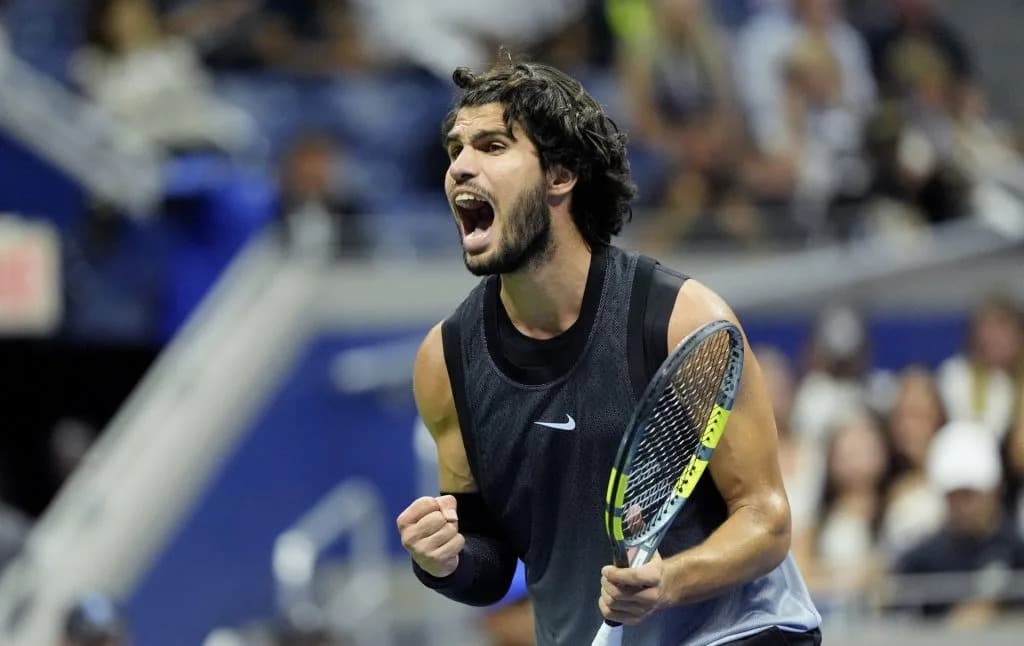
Mariano Navone, world No 49 and a debutant on this stage, tore up the script. The 25-year-old Argentine outlasted a visibly ailing Djokovic 7-6 (7-5) 5-7 4-6 6-2 6-1 in four hours and 36 minutes, ending the Serb’s bid for a record 25th Grand Slam and a fifth US Open crown.
It was the longest opening match of Djokovic’s Grand Slam career. It might also prove the most symbolic.
A giant falls, slowly
From the start, something looked off.
Djokovic burst to a 3-0 lead in the first set, but his face was already flushed, his shirt soaked. The humidity clung to the court, and to him. By the time the set reached its tie-break, the authority had drained from his game. Navone hung in, swung freely, and stole it 7-5.
Djokovic, who came in with a 42-12 record in five-setters, was supposed to own the long night. Navone was 0-4 in matches that went the distance. The numbers said one thing. The body said another.
Having successfully pushed for the roof to be closed, Djokovic tried to reset. With his wife Jelena and their children watching from the stands, he clawed back in the second set. Even that came with a cost. He vomited by the towel box, then returned to break for 6-5 and serve out the set. The crowd roared; the champion was level and seemingly turning the screw.
The pattern repeated in the third. More sickness. More strain. Yet when a chance appeared, he took it, grabbing a single break and edging ahead two sets to one. One set from the second week. One set from restoring order.
The pressure should have crushed Navone. It didn’t. It freed him.
Body breaks before the game
At the start of the fourth set, Djokovic vomited again. He still found a break for 2-1, but the movement was gone. The legs stiffened, the stride shortened. After firing a shot wide later in the set, he landed awkwardly, dropped his racket and, in that moment, almost dropped the fight.
His description afterwards was stark.
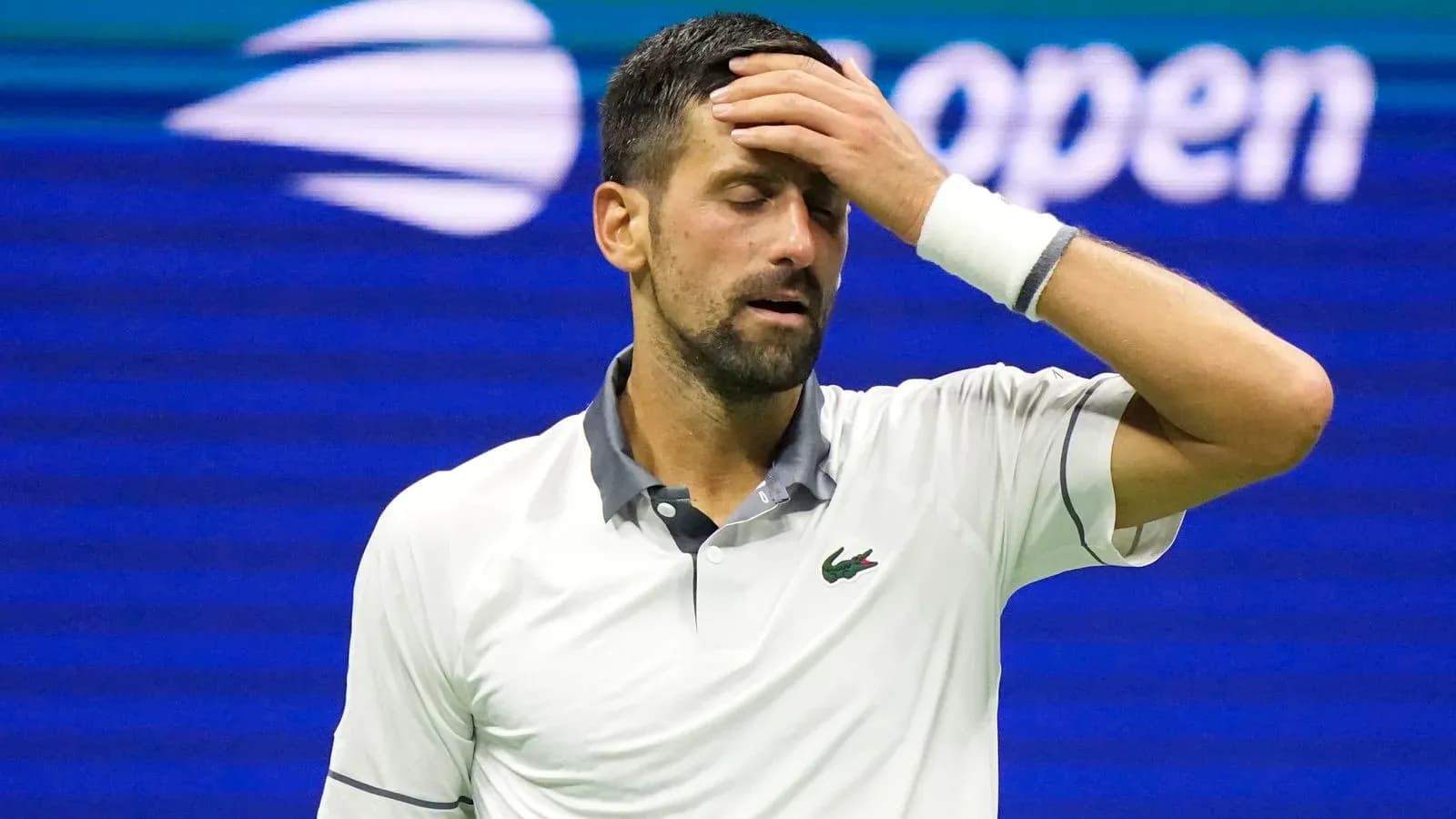
"I didn't enjoy myself," he said. "I think it was obvious that it was an awful feeling on the court for me.
"It's something that I've been carrying, unfortunately, pretty much every match this year. Vomiting, throwing up, a serious issue there. Then my whole body started to collapse, basically cramping and pain.
"The back just gave up in the end and shoulder, and I couldn't close it out.
"I was a break up in the fourth, but just struggled all the way since the fourth game of the match.
"I don't want to take too much out of his win. Congrats to him. He's a nice guy, a fighter. But I didn't enjoy myself."
The warning signs had been there. Two weeks earlier in Cincinnati, Djokovic had ended his match against Thiago Tirante on his knees, sick into a towel. He later spoke of a “health issue” that has troubled him for years, particularly in heat and humidity.
New York was not as brutal as Cincinnati, yet it was still too much. Despite the air conditioning under the closed roof, his body rebelled. Cramp, pain, a back that “gave up”, a shoulder that wouldn’t cooperate. The match turned from contest to endurance test, and he could no longer endure.
Navone sensed it. The Argentine, who claimed his first ATP singles title earlier this year, surged through the fourth set 6-2 as Djokovic’s footwork disintegrated. The fifth was brutal. Djokovic, barely able to move, won just one more game. He finished with 70 unforced errors, a number that told its own story.
Minutes before midnight, it was over. Not with a flourish, but with a man who has defined an era reduced to survival mode.
Navone’s night, Djokovic’s question
For Navone, this was the breakthrough of his life.
"It was very tough for me because you are playing with the 'GOAT' on this court," he said, having grown up idolising Djokovic. "For sure it's the best thing I've had on court. This is an amazing court and the biggest stage. It's amazing, the way we play. I mean, five sets. I'm very happy. I don't know. What can I say?"
What he had said with his racket was enough. He stayed present while the favourite battled his own body. He kept the ball deep, made Djokovic bend, stretch, suffer. He refused to be overawed by the name across the net or the noise pouring down from Ashe.
This was not a fluke. It was a young player refusing to let a wounded giant off the hook.
For Djokovic, the consequences run deeper than a single defeat. This is his earliest exit at a major since the 2006 Australian Open. He will fall out of the top 10 of the ATP rankings for the first time in eight years.
More unsettling is the lingering doubt he himself allowed into the night air: was this his final match at this, or any, Grand Slam?
On a humid New York evening, the man who has outlasted a generation finally ran out of answers. The record chase pauses at 24. The questions about what comes next do not.