Novak Djokovic's Heartbreaking US Open Exit: A Turning Point
By the end, it wasn’t just a match slipping away from Novak Djokovic. It was something far bigger.
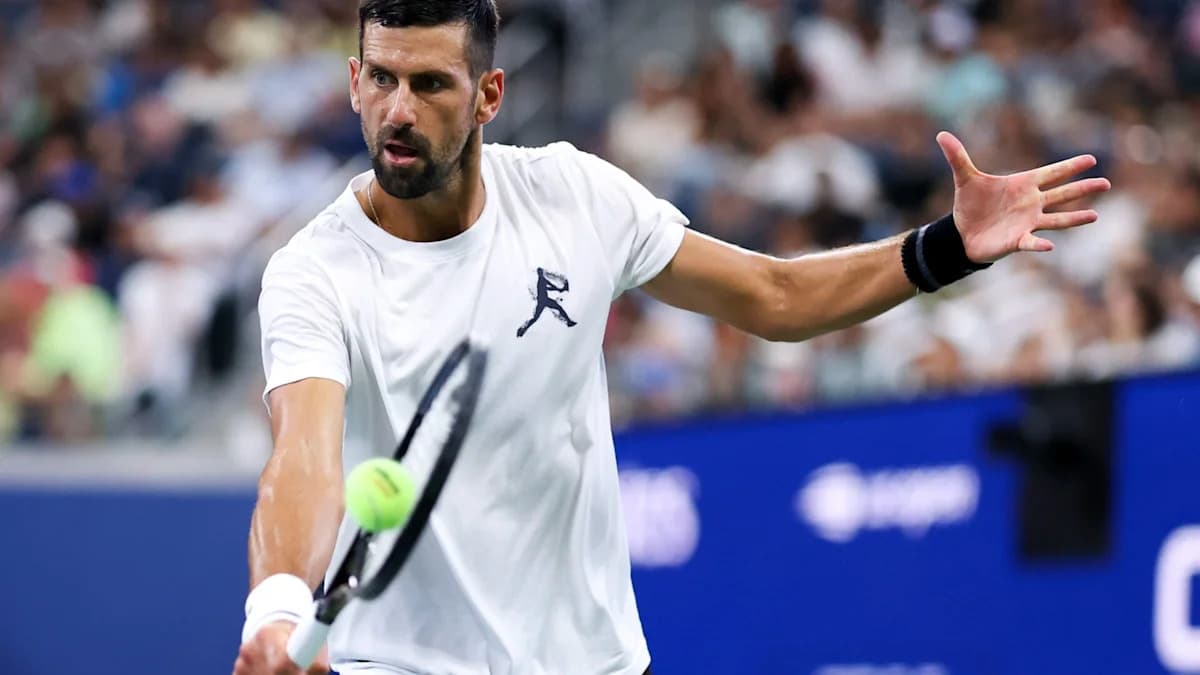
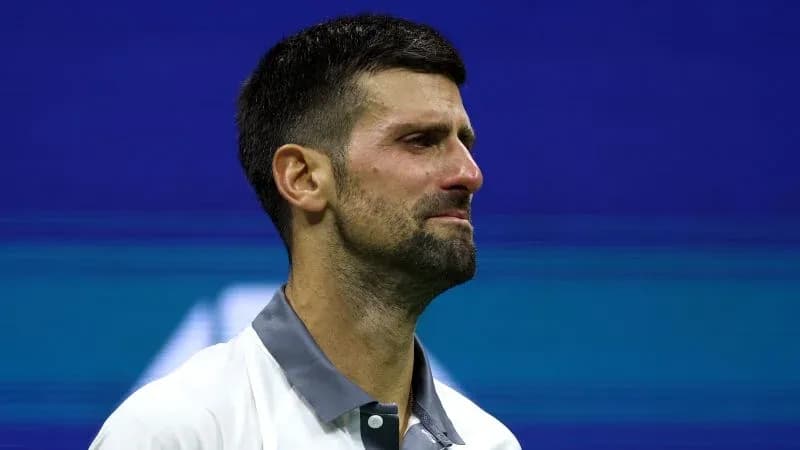
On a sweltering Sunday in New York, his body buckled, his eyes glazed with tears, and a first-round exit to Mariano Navone – a player making his main-draw debut at the US Open – landed like a thunderclap. For a man who has bent time and logic to his will for two decades, this felt different. It felt like a line being crossed.
Djokovic had not lost this early at a grand slam in 20 years. He has survived hostile crowds, impossible scorelines, and the rise of multiple generations. Yet on Arthur Ashe, the familiar certainty in his movement was gone. His legs no longer carried the same authority. His body looked rigid, heavy, unresponsive. The warrior who so often stared down the storm suddenly looked like he was standing in the middle of it.
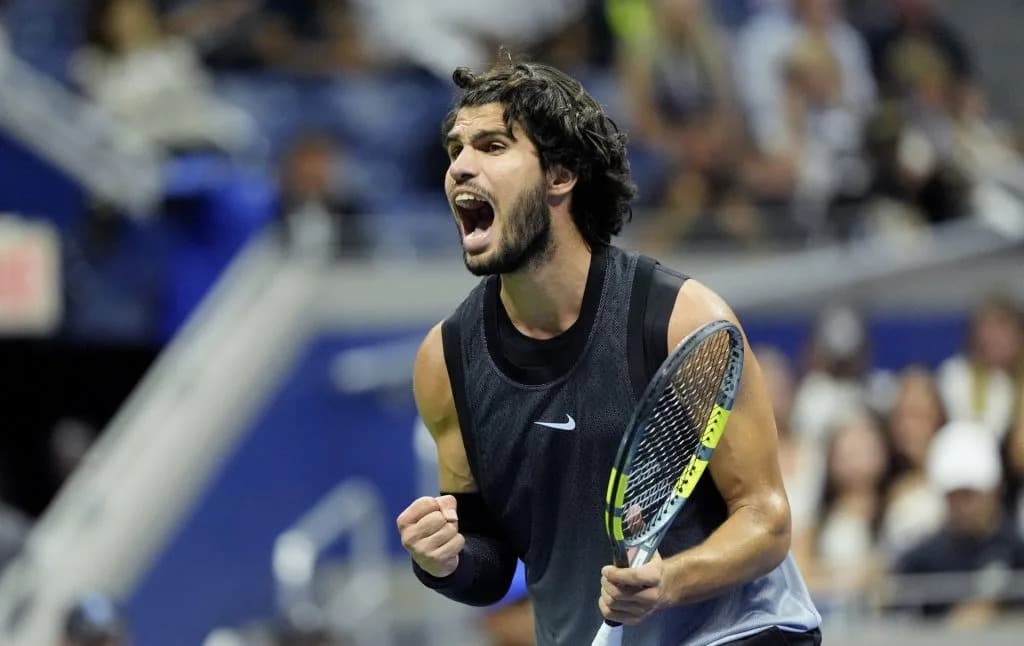
Seven months ago, he was in the Australian Open final. In July, he was a Wimbledon semifinalist. At 39, he was still the veteran gatekeeper, the one man who consistently threatened to disrupt the coronation of Carlos Alcaraz and Jannik Sinner. Talk of a record 25th major was not fantasy; it was a live, looming possibility.
Now that target feels as distant as it has ever been.
Djokovic is no longer a week-in, week-out road warrior on tour. He has chosen his battles carefully, conserving himself for the four majors, using selected events as little more than tune-ups. For years, that strategy looked like a masterstroke, extending his reign while others faded. On Sunday, it looked like a shield that could no longer hold.
Earlier this month, he revealed he has been fighting an underlying health issue, one that flares under heat and humidity. In New York’s suffocating conditions, it roared back. Cameras caught him vomiting between points, staggering through service games, his movement reduced to a grim shuffle. By the closing stages, he could barely bend, his body seemingly rebelling against every demand.
The tears in that final set told their own story. This wasn’t anger at a bad day or frustration at a missed chance. It looked like a man confronting the possibility that his body, his greatest ally, was finally turning on him.
“I didn’t enjoy myself,” he admitted afterward. “I think it was obvious that it was an awful feeling on the court for me.”
He didn’t hide the scale of the problem.
“It’s something that I’ve been carrying, unfortunately, pretty much every match this year: vomiting, throwing up, a serious issue there.
“Then my whole body starts to collapse, basically cramping and pain. Yeah, the back just gave up in the end and shoulder.”
Those are not the words of a player nursing a minor niggle. They are the words of a champion staring at a hard decision.
Djokovic left New York saying he needed time to think about his future, to decide whether he can keep asking this much of a body that keeps saying no. After the scenes on Sunday, how could retirement not be on his mind?
Yet this is Novak Djokovic. He has built a career out of tearing up scripts like this.
In 2017, an elbow injury left him a shadow of himself. Questions about his future swirled then too. A year later, he won two of the four grand slams and reset the entire conversation. Each time the sport has tried to write his epilogue, he has grabbed the pen back.
The whispers have never really stopped. Every January is framed as the start of his final chapter. Every defeat is cast as the last missed chance at another major. Each time, he has pushed back, tweaking his game, sharpening his patterns, finding just enough brilliance to remind everyone who he is. The five-set epic against Sinner at this year’s Australian Open felt like another of those defiant statements, a night when he dragged himself into the past and made it look like home.
But the numbers do not lie. Djokovic has not lifted a grand slam trophy since 2023. His two great rivals, Roger Federer and Rafael Nadal, both claimed their last majors at 36. The sport has only grown more brutal since then – more physical, more explosive, the margins thinner, the rallies heavier. At 39, asking his body to go toe-to-toe with Alcaraz, Sinner and the wave behind them is not just a question of desire. It is a question of biology.
That is why this loss felt so heavy. It might yet prove to be another false alarm, another moment that ages badly when he resurfaces to prove everyone wrong. But the odds have shifted. The expression on his face as he tried to summon one last surge against Navone suggested he knew it. For once, he did not look like the master of his surroundings. He looked like a man trapped inside them.
He has spoken of playing on until the LA Olympics in 2028, of one final lap in national colours before hanging up the racket. After what the world saw in New York, that dream looks far away. Not impossible – not with this player, not after everything he has done – but distant enough to feel almost abstract.
Whatever comes next, his place in history is secure. Twenty-four grand slam singles titles. Years spent bending an entire era around his will. He may be the greatest player the sport has ever seen, and he will not be the last great champion to cling to the game a little longer than his body would like.
Maybe the path forward lies in redefining success: fewer tournaments, different goals, a career measured not by majors but by moments. The question is not whether that version of Novak Djokovic is good enough for the sport.
It is whether that version is good enough for him.