Rain and Criticism at Court 7: Tiebreak Tensions
Rain, tension and a storm of criticism. Court 7 had all of it.
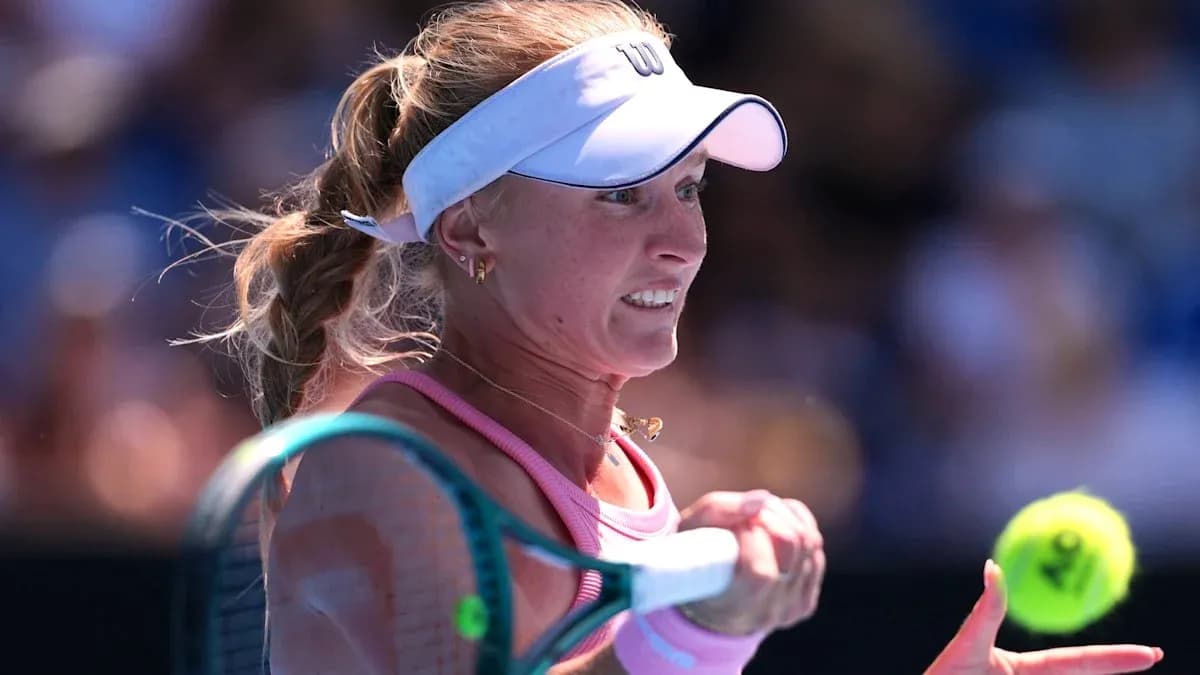
Kim Birrell and Petra Marcinko were locked at 3-3 in a second-set tiebreak when the sky finally joined the contest. A few drops at first, then enough to send both players back to their chairs, umbrellas up, nerves on hold.
“Some rain drops coming down here, just to add to the drama,” Brenton Speed said on Nine, as the camera panned across a court frozen in suspense. Birrell trailed by a set and had to win this breaker to force a decider. Every point mattered. Every pause cut a little deeper.
“What a time to stop play here,” Jelena Dokic said, summing up what every player has felt at some stage in a career interrupted by weather and worry. She didn’t sugarcoat the stakes either.
“It’s tough for both players,” Dokic added. “If you play a couple of loose points here, the tiebreak is basically done.”
That’s the cruelty of a tiebreak. Blink once and it’s over. Now both women had to sit, wait and somehow restart at full throttle the moment the umpire called them back.
The match had already been shuffled forward on the schedule because of the grim forecast. Organisers tried to dodge the showers. The showers found them anyway.
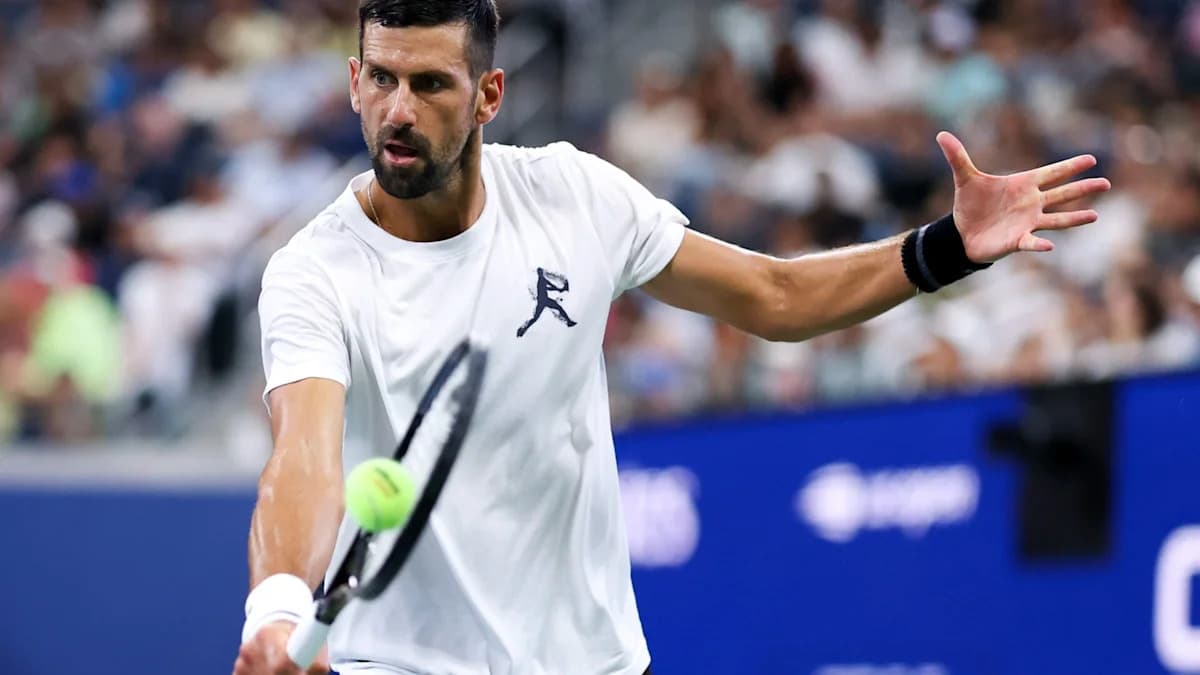
On Arthur Ashe Stadium, Novak Djokovic’s match suffered its own pause, but only briefly. Play stopped, the roof closed, and the world No. 1 was soon back in motion on the sport’s biggest stage. Court 7, with no such luxury, sat idle.
While the rain disrupted the tennis, another storm gathered off the court.
Craig Tiley, the former long-serving Australian Open boss now in his first US Open as tournament director, is under fire before his new era has properly begun. Just months after crossing from Melbourne to New York, he has put his stamp on the event by stretching the first round over three days instead of two.
It’s a familiar move. The Australian Open made the same shift years ago, starting on a Sunday. Tiley argued then that the change would ease the pressure on scheduling and reduce those marathon early-round finishes that dragged on well past midnight.
New York, though, is a different beast. Thousands of fans poured through the gates expecting a packed program. With the draw spread over an extra day, there is simply less tennis on show at any given time, and patience is wearing thin.
One critic, James Denman, didn’t hold back on social media, writing that “the USTA seems to have genuinely f---ed the US Open. I know it’s always busy but this just reads... awful”.
Tiley, for his part, has talked up a grand vision. At his Sunday press conference, he outlined his dream of turning the US Open into “tennis Disneyland” — a sprawling, immersive experience where the sport shares top billing with entertainment, attractions and spectacle. He has already backed that up with a boost in prize money, a clear signal of his intent to keep players onside as he reshapes the tournament.
But on a damp afternoon, with Birrell and Marcinko stranded mid-tiebreak and restless crowds wandering in search of action, the question hung in the New York air: does “tennis Disneyland” still work when the rides are closed and the courts are quiet?