Serbia vs Germany: UEFA Nations League Clash Preview
On 13 November 2026, under the floodlights of Rajko Mitić Stadion in Belgrade, Serbia face Germany in a UEFA Nations League night that feels like a crossroads. For the hosts, bottom of their group and staring at relegation danger, this is about pride and survival. For Germany, still chasing a possible play-off spot, it is about turning control on paper into a statement result on the pitch.
Season Context
Serbia arrive in deep trouble. They sit 4th in League A - Group B with 0 points from 4 matches, having lost every game so far (LLLL). Their defence has been exposed repeatedly, conceding 8 goals while scoring just 3, and a goal difference of -5 underlines how costly each mistake has been. With no wins and no draws, even a point here would feel like a lifeline in a campaign labelled “Possible Relegation.”
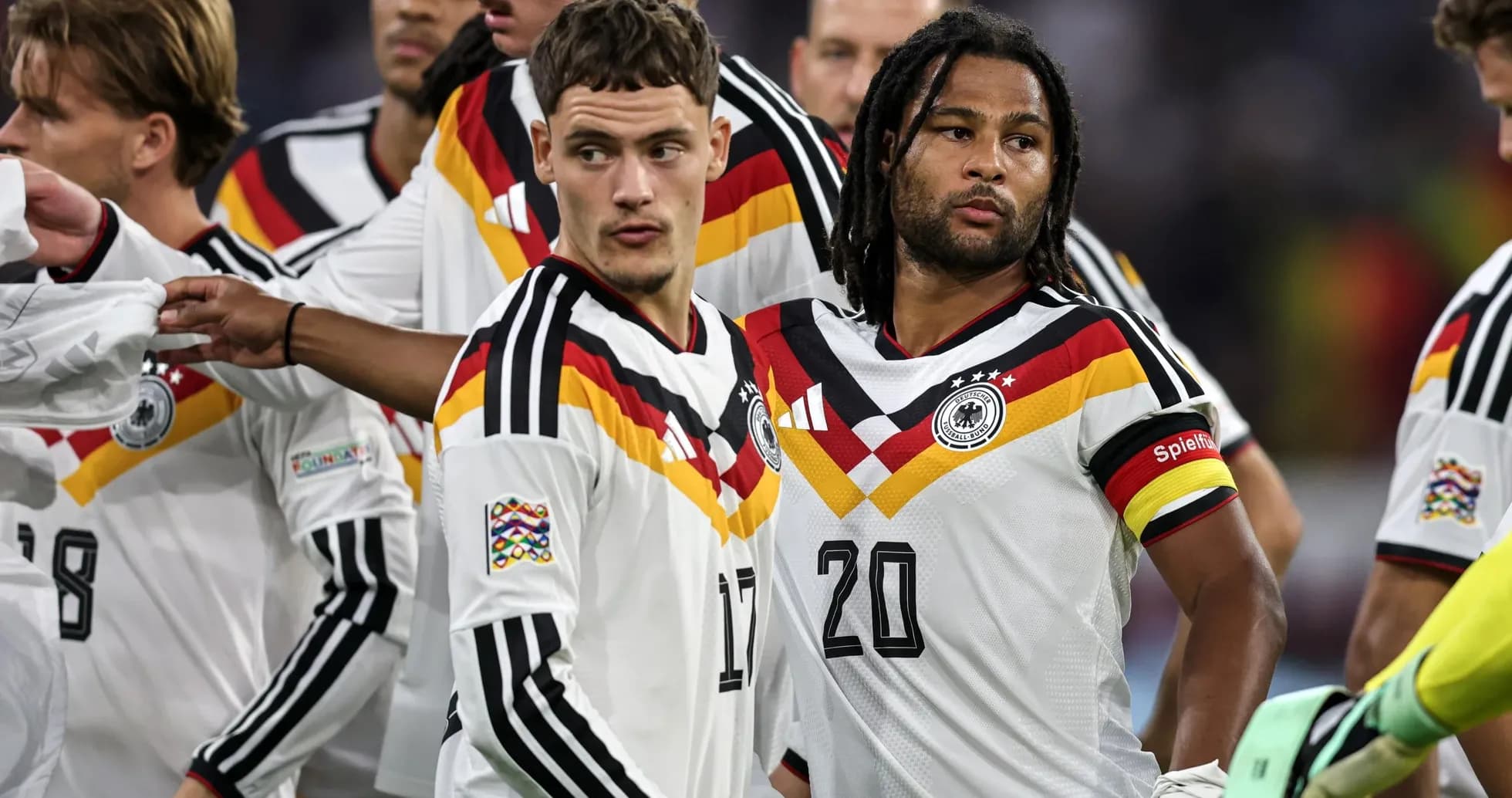
Germany are in a far more stable position, though still short of dominance. They are 3rd in League A - Group B with 5 points from 4 matches, having recorded 1 win, 2 draws and 1 defeat (goal difference +1). They have scored 3 and conceded only 2, a defensive record that supports their “Possible Play-off” status. A positive result in Belgrade would keep them firmly in the conversation for top honours in the group.
Form & Momentum
Serbia’s recent form is brutally clear: LLLL. Across those 4 group matches they have averaged 0.8 goals scored and 2.0 conceded per game (3 for, 8 against), a ratio that explains why every outing has ended in defeat. The attack has flickered but not sustained pressure, while the back line has been regularly overwhelmed, especially once they fall behind.
Germany’s pattern, by contrast, is more balanced: DLWD in the standings. Over their 4 matches they also average 0.8 goals scored per game (3 in total) but crucially concede only 0.5 per match (2 in total). That defensive solidity has allowed them to grind out results even when the attack is not free-flowing. The comparison model heavily favours their overall shape and resilience, with Germany leading the total index 61.2 to Serbia’s 38.8.
Head-to-Head Patterns
Recent history between these sides has been tight but instructive. The most immediate reference point is Germany 2-0 Serbia (UEFA Nations League, season 2026, October 2026) in Munich, where Germany’s control and clean sheet set the tone for this return fixture. Going further back, there was Germany 1-1 Serbia (Friendlies, season 2019, March 2019) in Wolfsburg, a more even contest but in a non-competitive context that carries less weight here. The standout competitive shock remains Germany 0-1 Serbia (World Cup, season 2010, June 2010) in Port Elizabeth, a reminder that Serbia can hurt Germany on the big stage when discipline and concentration are perfect.
Tactical Preview
Serbia’s Nations League campaign suggests a reactive, often deep setup. Their most-used systems have been 5-4-1 and 5-3-2, each appearing multiple times, pointing to a back five designed to protect a vulnerable defence that still concedes 2.0 goals per match across 4 group games. With only 3 goals scored, they rely heavily on moments from forwards like Dušan Vlahović and creative sparks from wide players such as Filip Kostić or Dušan Tadić. Midfielders like Nemanja Maksimović and Saša Lukić, both among the most active and combative players (multiple yellow cards and strong tackling numbers), will be tasked with breaking up German possession and launching counters quickly.
Germany, meanwhile, have alternated between 4-2-3-1 and 4-4-2, both used twice in this Nations League run. Their numbers tell a story of balance: 3 goals scored and just 2 conceded in 4 matches, with 2 clean sheets and only 1 defeat. A likely double pivot anchored by someone like Joshua Kimmich provides control in midfield, while the attacking band can feature talents such as Jamal Musiala and Kai Havertz, supported by pace and width from players like Karim Adeyemi or Serge Gnabry. With Serbia struggling to keep clean sheets (0 in 4 matches) and Germany’s defence rated far stronger by the comparison model (defensive index 80 to 20), the visitors are expected to dominate territory and possession, probing patiently rather than playing end-to-end.
Discipline could also shape the rhythm. Serbia have shown a tendency to collect yellow cards across all phases of the match, and with Germany’s technical players drawing fouls, set pieces might become a key German weapon. If Serbia are forced to abandon their back-five caution to chase the game, the space behind their wing-backs could be exactly where Germany’s wide forwards thrive.
Statistical Snapshot
- Competition: UEFA Nations League, season 2026 — 13 November 2026.
- Venue: Rajko Mitić Stadion, Belgrade.
- Prediction: Win or draw for Germany — Combo Double chance : draw or Germany and -3.5 goals.
- Win Probabilities: Home 10% / Draw 45% / Away 45%.
- Model: Serbia 38.8 — Germany 61.2.
Betting Verdict
The prediction model strongly leans towards Germany avoiding defeat, and the market agrees. Away odds between roughly 1.25 and 1.30 imply an away-win probability in the region of 77–80%, while Serbia’s home odds between about 6.86 and 10.00 translate to only around 10–15%. Germany’s superior defensive record (2 conceded in 4 matches) and steadier form (DLWD) contrast sharply with Serbia’s LLLL run and 2.0 goals conceded per game, reinforcing the case for the “draw or Germany” angle. With both sides averaging just 0.8 goals scored per match in this group, the under 3.5 goals element of the advised combo also fits the statistical trend. Taken together, “draw or Germany and under 3.5 goals” aligns closely with both form lines and head-to-head evidence from the recent 2-0 German win.