Serena and Venus Williams' Emotional Return at the US Open
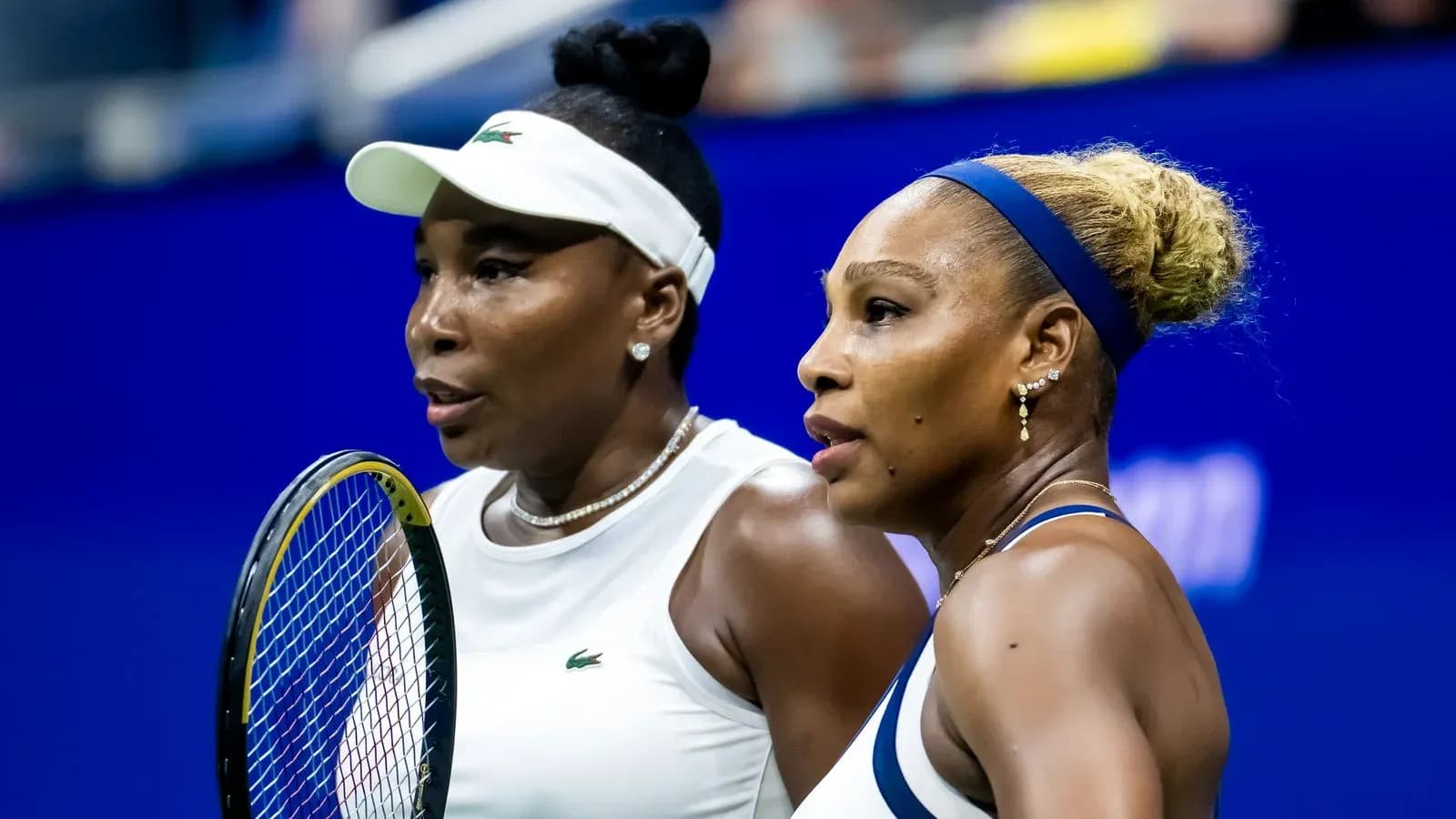
Serena and Venus Williams walked back into Arthur Ashe Stadium on Friday night and, for long stretches, time did exactly what they wanted. It bent.
For three hours and two minutes, the sisters who changed tennis turned a first-round US Open women’s doubles match into a rolling tribute, a contest, and at times a roar of defiance. The scoreline says they lost: 6-3 6-7 (8-6) 7-6 (10-7) to Maya Joint and Chan Hao-Ching. The noise inside Ashe tells a different story.
A comeback built on history
This was their first Grand Slam together since the 2022 US Open, 27 years after they first won the doubles title in New York. Wild cards on paper, icons in reality, they walked out to a reception that belonged less to a first round and more to a coronation.
Between them: 14 Grand Slam doubles titles, two US Open doubles crowns, three Olympic gold medals, and another 30 majors in singles. The comeback, Serena revealed, began with a suggestion from her daughter. The stage, though, felt like it had been waiting for them all along.
Every clean strike from Serena, every crisp volley from Venus, drew a surge from the 23,000 packed into Ashe. At 44 and 46, they still know exactly how to grab a stadium by the collar.
One point in particular summed it up. Venus knifed a penetrating volley deep, forcing a scrambling reply. Serena stepped in, coiled, and unloaded a swinging winner. Ashe erupted, a sound they’ve heard a thousand times, but one that still seemed to hit them square in the chest.
The match: drama, then heartbreak
The scoreline hides how close they came to making this a full-blown fairytale.
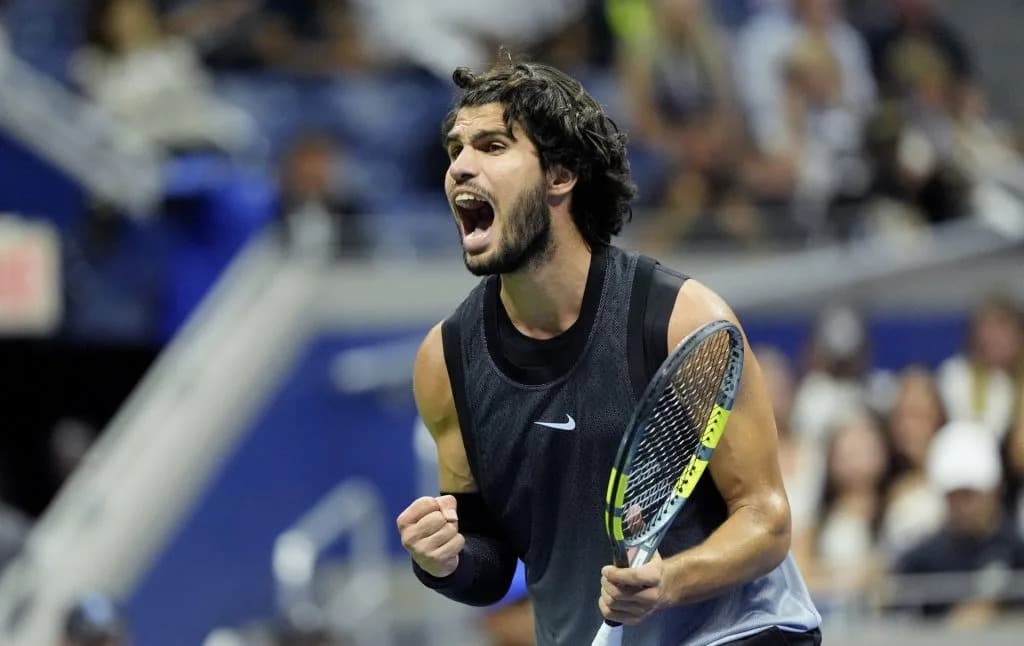
Serena’s serve, sharp at Wimbledon and in her mixed doubles run with Carlos Alcaraz last week, wobbled at key moments. Two breaks in the opening set gave Joint and Chan the foothold they needed, and they closed it out 6-3.
The response from the sisters was pure muscle memory. They tightened the returns, hunted at the net, and dragged the second set into a tie-break. Even then, the drama refused to let go. They squandered four set points before finally landing the fifth when Joint pushed an overhead long. The stadium exhaled, then roared.
The decider turned into a test of nerve and lungs. For the first time since 2001, Serena and Venus found themselves beyond 5-5 in a third set. The tension grew with every hold. And then came the super tie-break.
They raced to a 5-0 lead. Vintage aggression, sharp angles, the old swagger. Ashe sensed the finish, the perfect script, the story tennis has told itself about these sisters for more than two decades.
Then it all slipped.
Joint and Chan refused to fold. Point by point, they climbed back, the scoreboard tilting from improbable to inevitable. The Williamses, so close to a statement win, suddenly looked human again. At 9-7, Chan closed the door with a volley, sealing a win that will live with the pair forever.
The US Tennis Association later confirmed the sisters would not be available for comment. The noise they left behind said enough.
Joint’s summer of a lifetime
For Maya Joint, this is turning into a season she may spend the rest of her career trying to match.
The 20-year-old Australian had already stunned Serena on Centre Court at Wimbledon in singles. Facing her again, this time alongside Venus, under the lights at Arthur Ashe, felt like something out of a childhood fantasy.
“Being able to play against such legends of the game is super special,” she said on court, still trying to process what had happened. “I’m lost for words to think of it. She’s my idol, both of them. I grew up in Michigan so I always looked up to them. Being able to play them twice is amazing.”
On this stage, against these names, Joint and Chan did far more than just show up. They absorbed the atmosphere, survived the surge, and found the composure to close out two tie-breaks against the most decorated doubles team of their era.
Serena’s future, and a lingering question
There may be more to this story. ESPN commentator Caroline Wozniacki revealed on air that she believes Serena wants to return to singles next year. Nothing is official, but the idea alone sends a shiver through the sport.
If this doubles run was a test, she passed the eye exam. The movement, the serve, the competitive fire — all still there, if not quite as relentless as before. The crowd reaction left no doubt: tennis, and New York in particular, is not ready to let her go.
For now, the record books will show a first-round exit for Serena and Venus Williams at the 2024 US Open. They will not show the 5-0 lead in the deciding tie-break, the collective gasp as it slipped away, or the standing ovations that rolled down from the upper deck.
They will not show the way a packed stadium clung to every swing, desperate for one more miracle.
If this was a farewell, it was brutal, beautiful, and utterly fitting. If it was only a prelude to one last singles charge from Serena, then Friday night felt less like an ending and more like a warning shot.
Tsitsipas breaks new ground, Tiafoe cruises
Away from the Williams circus, Stefanos Tsitsipas quietly ticked off a milestone of his own.
The Greek star recovered from a flat start to beat 18th seed Jiri Lehecka 2-6 6-1 7-6 (7-3) 6-1, booking a place in the US Open fourth round for the first time in his career. After being outplayed in the opening set, Tsitsipas flipped the match with heavier hitting and smarter court positioning, dominating the second and fourth sets and holding his nerve in a pivotal third-set tie-break.
American 11th seed Frances Tiafoe delivered a more straightforward performance. He brushed aside Valentin Vacherot 6-4 6-2 6-4, feeding off home support and never truly looking in danger.
Results, milestones, routine wins — they all matter in the grand scheme of a Slam.
But on a humid New York night, under the lights of Arthur Ashe, everything else felt like background noise to a single, lingering question: have we really seen the last great act of Serena Williams, or is this just the start of one final, audacious twist?