Serena Williams Eyes Singles Return as Comeback Gains Momentum
Serena Williams is not done yet. Not with tennis. Not with singles. Not with the idea that, even at 44 and after four years away, she can still step back into the loneliest, loudest arena in sport and make it matter.
Speaking on ABC’s “Good Morning America” on Monday, Aug. 31, the 23-time Grand Slam singles champion said she “probably will” play singles again as she continues her return to the tour.
“I probably will play again. I have to,” she said, explaining that this latest chapter has been driven as much by motherhood as by competitive instinct. She wants her daughters, Olympia and Adira, to see the full picture. To see that “anything is possible.”
A bruising first step back
Williams’ official comeback began in doubles earlier this year, a softer re-entry into a world she once dominated. The real test, though, came on the grass of Wimbledon, where she played her first singles match since her long absence.
Across the net stood 20-year-old Maya Joint, barely older than some of Serena’s earliest Grand Slam memories. Williams pushed the match to three sets before bowing out, a reminder that timing and sharpness don’t return on command, even for legends.
The price of that effort was steep. She left Wimbledon injured.
“I injured myself at Wimbledon. And I just didn’t have time to recover, unfortunately,” Williams told interviewer Malika Andrews. The competitor in her bristled at the idea of taking a place in a draw she couldn’t honor. “And I just didn’t want to take any opportunities away from someone in terms of getting a wild card if I wasn’t able to compete at a way that I knew I could.”
So she waited. Healed. Watched. And plotted.
“I probably will play again”
For Serena, singles is not a box to tick. It is the purest expression of who she’s been for nearly three decades. That’s why her hint at a return carried more weight than a casual throwaway line.
“I probably will play again. I have to,” she said. “After some of those returns, I think I need to play at least once.”
Those “returns” have come in flashes—moments in practice and in matches that tell a great champion the tools are still there, even if the body needs more time. Williams isn’t promising a full schedule or a run at the rankings. She is promising that the competitive fire hasn’t gone out.
US Open: a new stage, familiar stakes
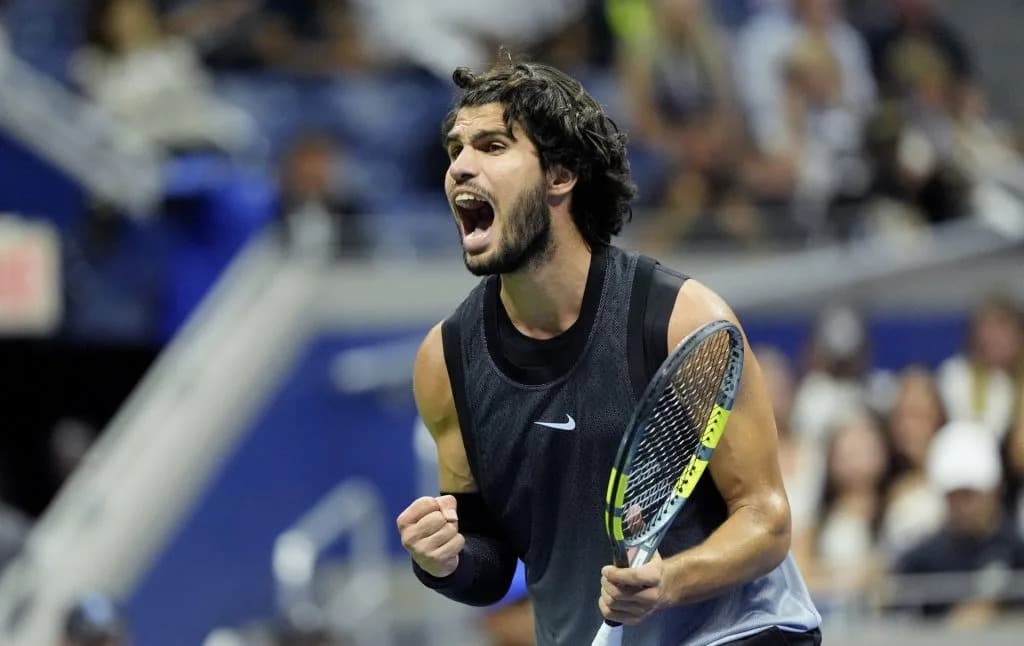
In New York this year, the comeback took a different form. Williams entered the revamped mixed doubles competition at the US Open, partnering Spain’s Carlos Alcaraz at his request. It was a pairing made for prime time: one of the greatest players of all time alongside the sport’s current men’s superstar.
They won their opening match, a glimpse of Serena’s instincts and hands still cutting through the noise of Arthur Ashe Stadium. Their run ended in the quarterfinals against Belinda Bencic and Flavio Cobolli, a reminder that rhythm and repetition still matter, even for icons.
But Serena’s work in New York isn’t finished.
Unfinished business with Venus
There is one partnership in tennis that still stops time: Serena and Venus Williams on the same side of the net.
Earlier this month in Cincinnati, the sisters played together for the first time since 2022, losing their opening match. The result stung, but the response from New York was swift. Tournament organizers handed them a wild card into the women’s doubles draw at the US Open.
Serena called it “unfinished business” in New York. She and Venus have built some of their most enduring memories on these courts, lifting trophies and redefining what sisterhood in sport can look like. Now they return not as the unstoppable force of old, but as legends playing for something more personal: closure on their own terms.
Their opening match comes later this week. The stadium will be full, the noise will be familiar, and the questions will hang in the air.
If this is the prelude to one more singles appearance, one more walk into the spotlight alone, Serena Williams is giving herself—and her daughters—the chance to see how far “anything is possible” can really go.