Star Exodus Transforms Hong Kong Into High-Stakes Opportunity
One week before the WTA Finals, Hong Kong was supposed to be a late-season showcase. Instead, it has become something else entirely: a revolving door of withdrawals, a scramble of alternates, and a last-chance stage for players chasing momentum and ranking points before the lights go out on 2026.
Thirteen players have pulled out of the WTA 250 event. Not because of long-term injuries. Not in crisis. Mostly by choice. Most of them are satisfied, tired, or already looking at 2027.
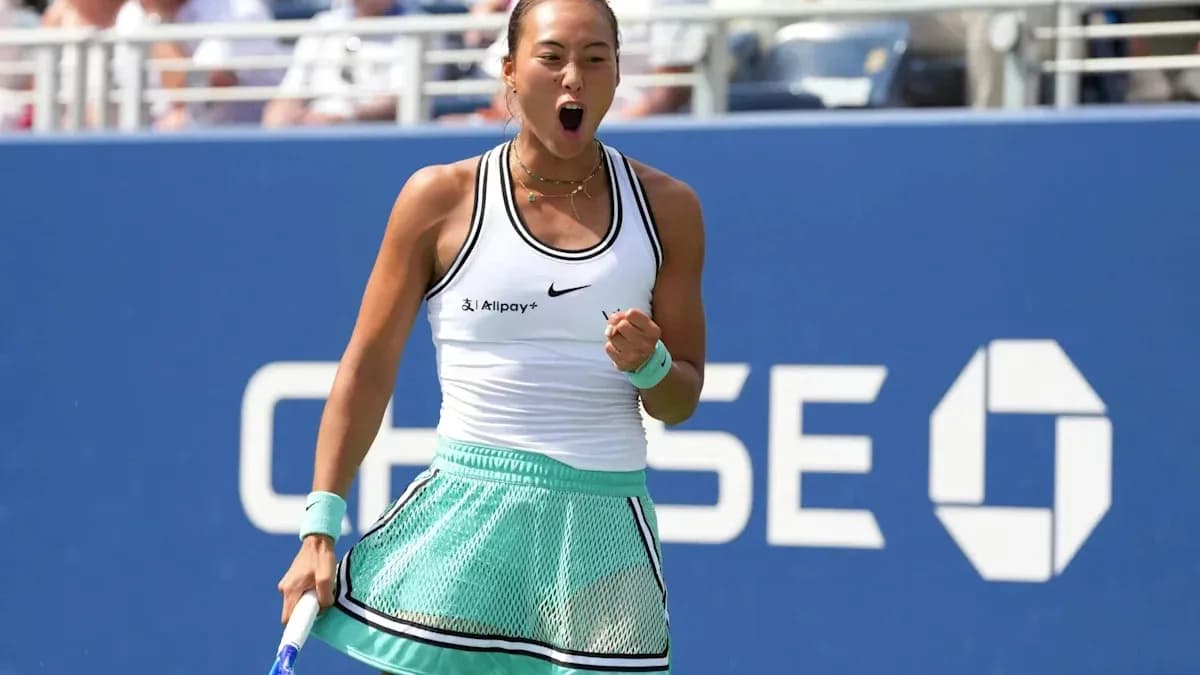
At the top of that list sits Qinwen Zheng.
Zheng Shuts It Down on a High
Zheng hasn’t struck a ball in anger since her breakthrough title run in Beijing, a monumental week that confirmed her as one of the faces of the new WTA guard. Hong Kong was on the schedule. Her ranking and her form mean it no longer has to be.
She ends the season inside the top 25, a position of strength that lets her pick her spots. The decision to skip Hong Kong underlines how far she has come: from grinding for every entry list to now managing her calendar like an established contender.
Her withdrawal opened the door for Tereza Valentova, a name that had started to bubble up during the North American hard-court swing before injury halted her progress. Valentova only recently returned in Osaka. Now she walks straight into a main draw without the usual qualifying grind, a welcome shortcut at the end of a stop-start year.
Asian Swing Heroes Call Time
Zheng is far from alone in deciding enough is enough.
Sonay Kartal, who rode a superb run to the Wuhan final, won’t extend her Asian swing. She’s out of Hong Kong, her season closed on that surge of form.
Kimberly Birrell did her winning a little earlier, lifting a title in Seoul to launch this part of the calendar. The weeks that followed flattened out, her results stalling after a lucky loser appearance in Tokyo. She, too, has chosen to pack it in rather than squeeze one more event out of a long year.
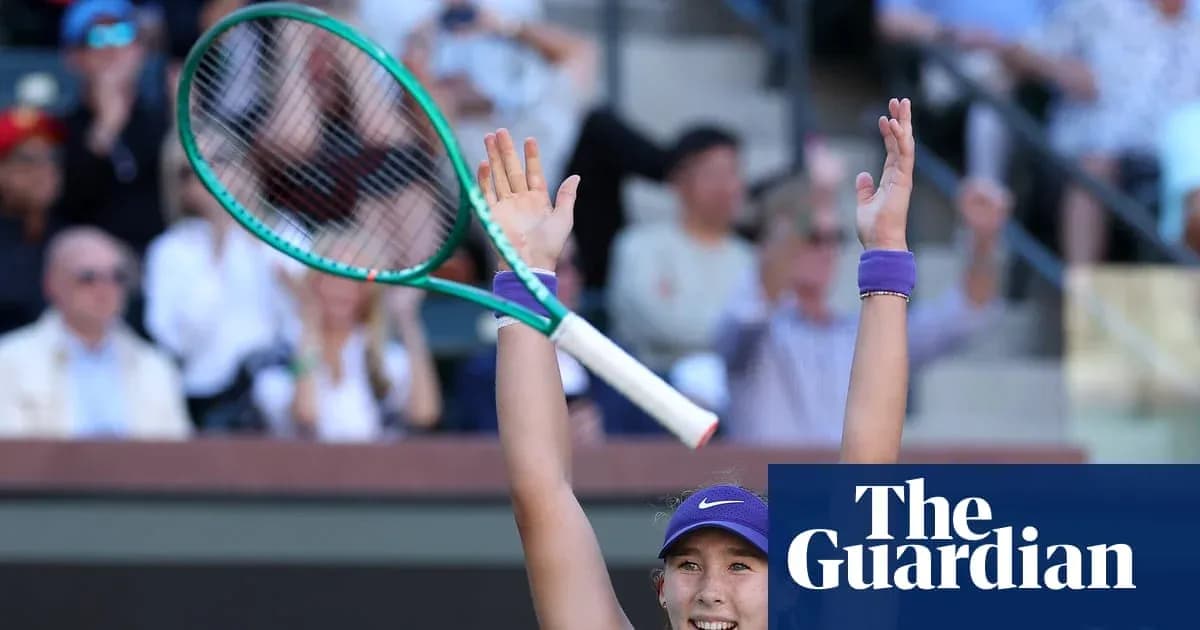
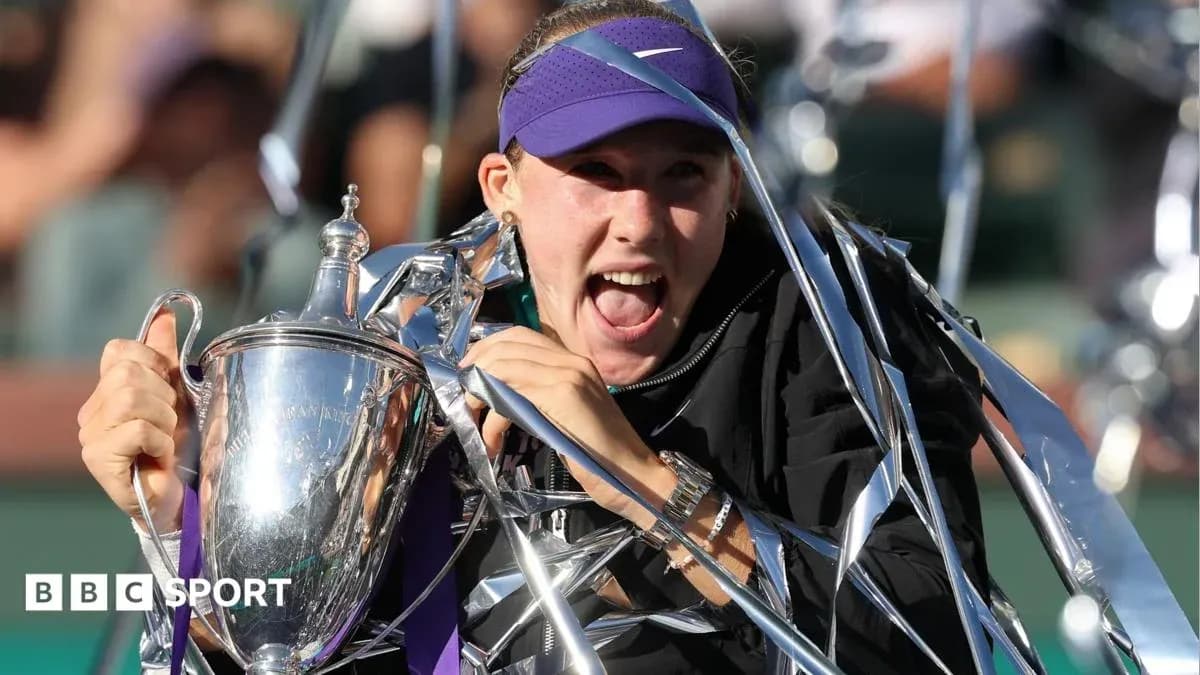
Diana Shnaider, by contrast, is pulling out at full speed. Fresh off a title in Tokyo and riding one of the hottest streaks on tour, she skips Hong Kong rather than risk an exhausting turnaround. She’ll finish the season knocking on the top-10 door, a remarkable climb that makes the conservative call easy to understand.
Her withdrawal hands a main-draw spot to Mary Stoiana, a quieter mover up the rankings. Stoiana’s reward? A first-round date with Venus Williams, in on a wildcard. It’s not a marquee matchup by ranking, but by name, by history, by stage, it’s enormous. Stoiana gets a shot in prime time, the kind of match that can fast-track a reputation.
Teen Sensation Steps Aside
One of the most eye-catching late pull-outs comes from 16-year-old Xinran Sun. The teenager lit up Guangzhou with a semifinal run, vaulting herself to a career-high No. 303. That surge alone would have made Hong Kong a compelling follow-up.
Instead, she withdrew late, her season effectively sealed by that breakthrough. In her place, Carol Young Suh Lee sneaks back in as a lucky loser, a second life after a heavy straight-sets defeat in qualifying. Elena Pridankina joins her in the main draw the same way, rebounding from a tight three-set loss to replace Kartal.
Two players who left the qualifying event empty-handed now find themselves with a shot at real points and real prize money. Hong Kong’s revolving cast has its beneficiaries.
Paolini Turns to Finals, Not Hong Kong
Jasmine Paolini’s withdrawal comes with a different twist. Her singles results haven’t driven this decision; her doubles have.
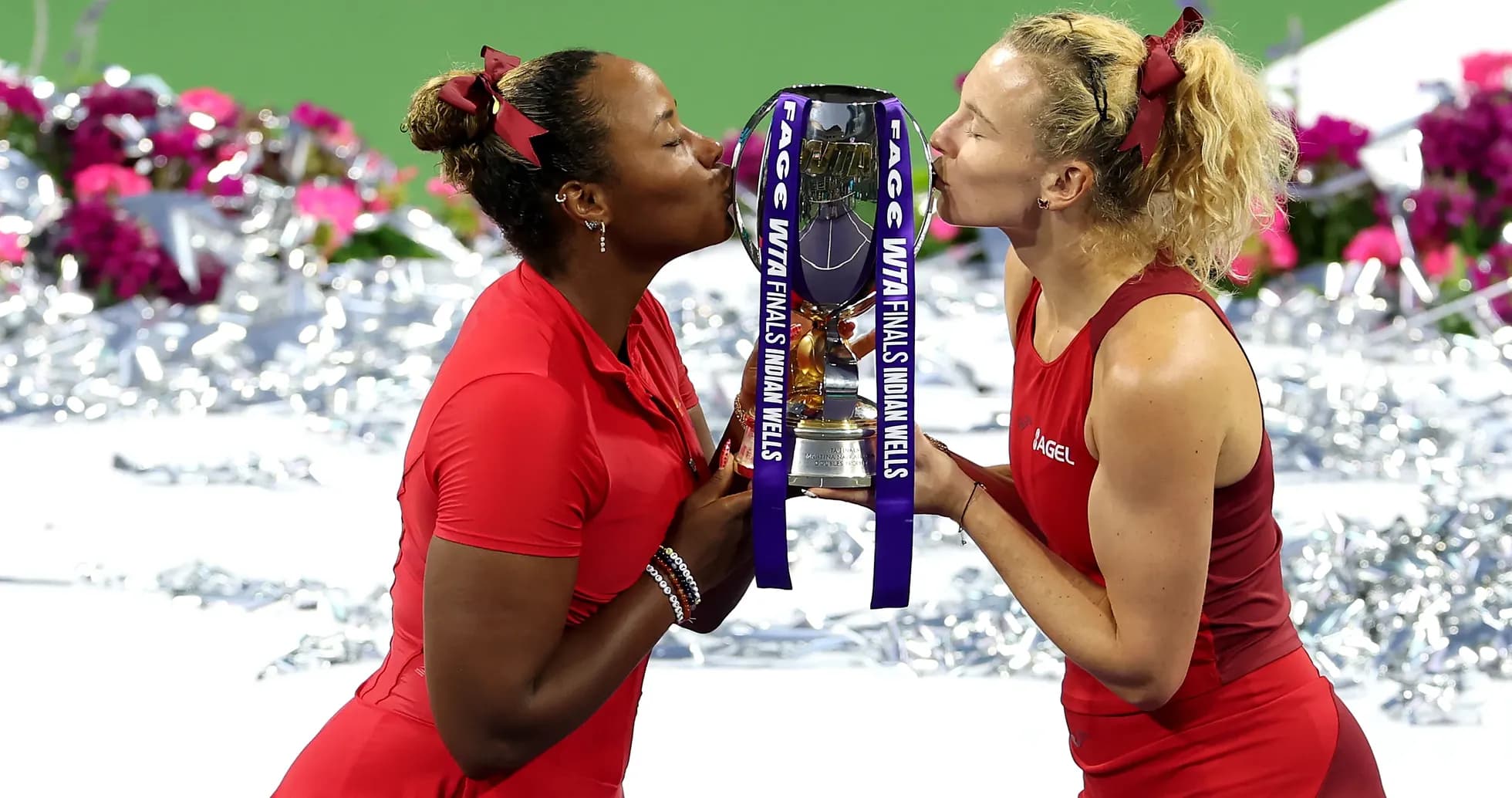
Paolini and Sara Errani captured the doubles title in Tokyo, a run that locked in their place at the WTA Finals. With that ticket punched, the Italian has no space left for Hong Kong in a calendar that now points squarely at the tour’s showpiece event.
Her absence hands Claire Liu a timely opening. Liu, sitting at No. 102, steps in with a clear target: crack the year-end top 100. A solid week in Hong Kong could nudge her over that line and reshape how she enters 2027.
Upset Artists and Early Holidays
Ann Li has spent the closing weeks of her season collecting big upset wins and reminding the locker room of her danger level. She won’t test that form in Hong Kong. Her campaign is over a week early, and her spot passes to Maya Joint, another player who suddenly finds herself with late-season upside.
The rest of the withdrawals are less dramatic but no less influential to the draw. Anna Bondar, Cristina Bucsa, Anhelina Kalinina, Mayar Sherif, Daria Snigur, and Yuliia Starodubtseva all played recently. None are dealing with long-term injuries. They simply didn’t go deep enough in recent events to demand more, and they’ve chosen the early offseason.
Their exits trigger a cascade of alternates:
- Dayana Yastremska comes in for Bondar.
- Viktorija Golubic replaces Bucsa.
- Joint takes Li’s place.
- Katie Volynets steps in for Sherif.
- Antonia Ruzic fills the gap left by Starodubtseva.
For all of them, Hong Kong is no longer an afterthought. It’s a platform.
Brutal Openers for the Newcomers
Not every late entrant gets a soft landing.
Maria Timofeeva, one of the higher-ranked alternates at No. 70, slipped into the main draw when Snigur pulled out. Her reward? Top seed Sorana Cirstea in the first round. No easing in. No gentle introduction. Just a seasoned, dangerous opponent from ball one.
Alycia Parks faces something similar. Replacing Kalinina, she runs straight into second seed Alexandra Eala. Parks has the firepower to trouble anyone, but Eala has been building a reputation as one of the most composed young competitors on tour.
Sofia Kenin, taking Birrell’s place, doesn’t have it any easier. She opens against third seed Leylah Fernandez, who has been outstanding in recent weeks. It’s a clash of former Grand Slam finalists trying to finish the year with a statement, squeezed into the first round of a late-season 250.
Hong Kong may have lost some headline names, but it hasn’t lost edge.
A Different Kind of Tournament
Strip away the withdrawals, and Hong Kong could have been a tidy, predictable stop before the WTA Finals. With them, it becomes something far more intriguing: a tournament of second chances, late surges, and players daring to believe that one more good week can change the tone of an entire season.
For Zheng, Shnaider, Paolini and the rest, the work is done. For Valentova, Stoiana, Liu, Kenin, Parks, and the long list of alternates now in the spotlight, the question is simple.
What will they do with this unexpected stage in the final days of 2026?