Tara Moore’s £15m Legal Battle Against WTA Dismissed
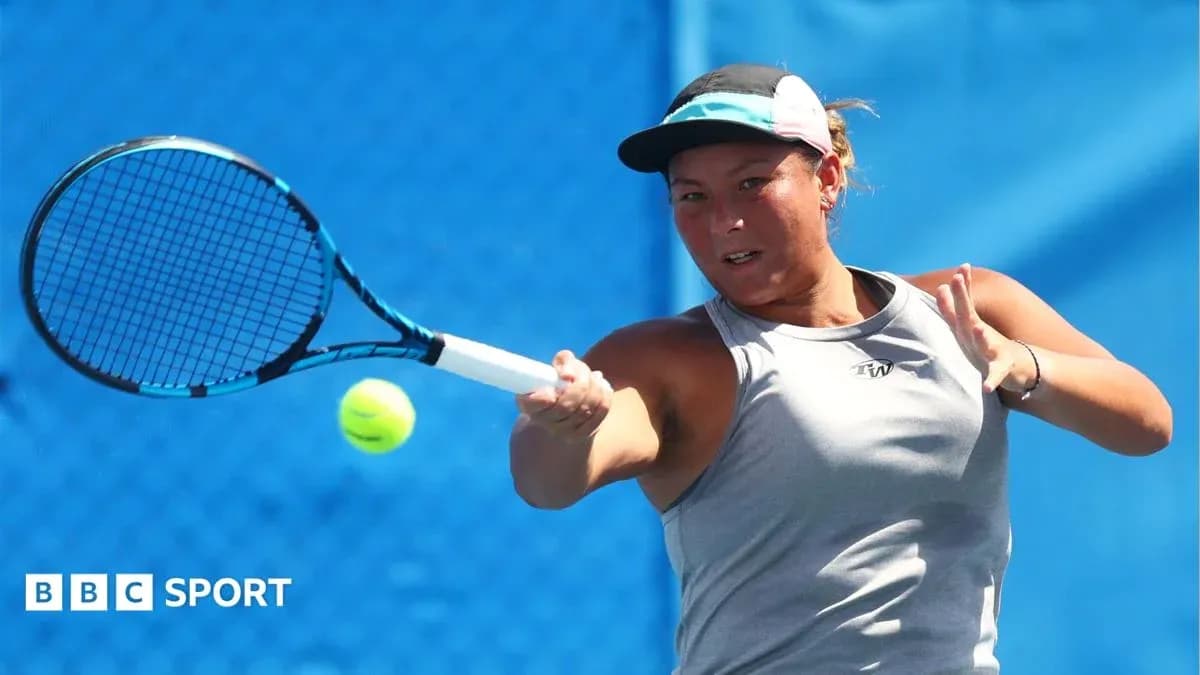
Tara Moore’s £15m legal fight with the Women’s Tennis Association has been shut down in a New York court, closing another door in a saga that has already cost her career years and, in her words, turned into a “nightmare”.
The 34-year-old British doubles specialist had sought at least $20m (£15m) in damages, arguing the WTA failed in its duty of care by not warning players about the risk of contaminated meat at a 2022 tournament in Bogota, Colombia. She said that failure led directly to her positive test and the ruinous fallout that followed.
The United States District Court in New York disagreed. Judge Andrew Carter dismissed Moore’s motion and ordered the case closed, ruling that her legal challenge to the earlier arbitration decision was “not justified” in law.
For Moore, once Britain’s leading women’s doubles player and ranked as high as 77 in the world in 2022, it is another brutal blow in a sequence that began with a test she has always insisted did not reflect intentional cheating.
Positive Test and Vindication
In April 2022, at a WTA 250 event in Bogota, Moore tested positive for the anabolic agents nandrolone and boldenone. An independent tribunal later accepted that contaminated meat was the source and found she bore “no fault or negligence”. It was a rare and powerful vindication in anti-doping terms: the panel agreed she had not set out to gain an unfair advantage.
That should have been the end of it. It wasn’t.
International Tennis Integrity Agency Appeal
The International Tennis Integrity Agency appealed to the Court of Arbitration for Sport. Cas sided with the ITIA last year, overturning the earlier ruling and imposing a four-year ban that runs until 2028. In one stroke, Moore’s career at the top level was effectively frozen.
She did not accept that as the final word. Moore turned to the American Arbitration Association, accusing the WTA of negligence. Her claim: the tour knew, or should have known, about the specific risk of meat contamination in Colombia and stayed silent, then “shifted the blame for its own negligence” onto the player when the test came back positive.
The arbitrator rejected her case and backed the Cas decision. Moore then escalated again, filing a motion in the US District Court in New York, arguing she had been denied a fair hearing in arbitration and renewing her bid for at least $20m in compensatory damages.
That route has now closed as well.
The court’s dismissal does not alter the ban. It does, however, harden the lines of a dispute that has come to symbolise, for Moore, what she calls a “broken” anti-doping system in tennis: a player ruled blameless for how a substance entered her body, yet still serving a four-year suspension and unable to win damages from the sport’s main organising body.
The WTA and ITIA have been approached for comment. Moore, 34 and sidelined until 2028, is left to weigh whether there is any legal path left to fight—or whether this is the point where a once-rising doubles career meets an abrupt, unforgiving stop.