Tennis Scheduling Controversies: Late Matches and Player Frustrations
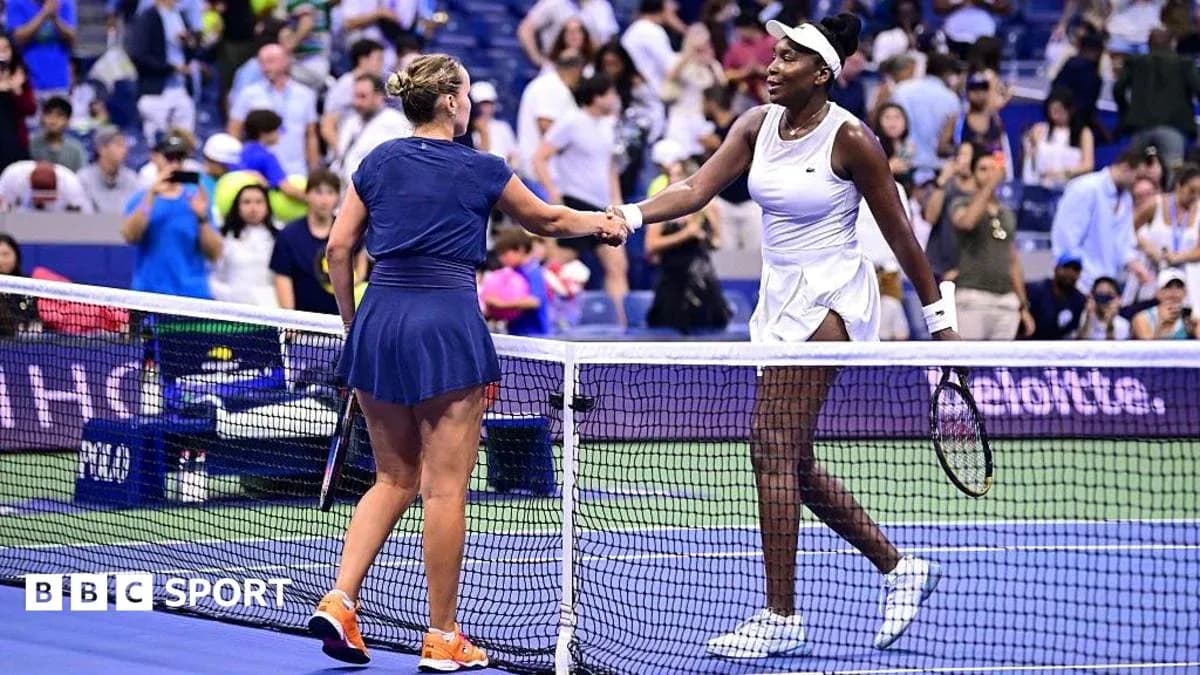
By the time Venus Williams struck her final forehand into the night, Arthur Ashe Stadium was almost empty and New York was half asleep.
This was supposed to be a primetime tribute: a Sunday evening showcase under the lights, a possible last singles appearance at the US Open for a 46-year-old legend, against fellow American Sofia Kenin, on the sport’s biggest stage. Instead, Williams and Kenin walked on court just after midnight on Monday. Kenin walked off with a straight-sets win a little after 2am. The moment, and much of the crowd, had slipped away.
Williams did not hide her frustration. The schedule, she said, was “not ideal” and “wasn't great” for either player physically. It was her 15th consecutive singles defeat, softened only slightly by the knowledge she will still partner Serena in doubles. The timing left a sharper sting than the scoreline.
Her complaint is not new. It sits on a long charge sheet players have drawn up against Grand Slam scheduling, where the chase for revenue collides with the limits of human bodies.
Why tennis keeps playing into tomorrow
Three of the four majors – the Australian Open, Roland Garros and the US Open – now lean heavily on split days: one ticket for the daytime grind, another for the night-time show.
In New York, that means two matches picked out for the evening on Arthur Ashe: one men’s, one women’s, from 7pm. By then, hours of tennis have already been played across the grounds. The day session has paid its way. The night session is where the money swells.
The business case is brutally clear. Two sessions mean two sets of tickets for the same seats. A fan buys a spot for the afternoon; another pays again for that same chair once the lights come on. Night tickets cost more, sold as a premium experience – easier for people finishing work, stocked with star names, packaged as “can’t-miss” entertainment.
Behind the turnstiles, the real engine is television. ESPN’s domestic deal to show the US Open, signed in 2024, runs to 2037 and is worth $2.04bn – about $170m a year. Primetime in the United States stretches late, with flagship talk shows starting around 11pm. The later the tennis, the more valuable the advertising slots. The tournament feeds that window. The window feeds the tournament.
Wimbledon stands apart. Play starts at 11am and, crucially, stops at 11pm, even if a match hangs on a knife-edge. The players come back the next day. The public knows they can catch the last train. Centre Court does not drift into the small hours.
That clarity is helped by a different financial reality. The BBC, which broadcasts Wimbledon, does not rely on advertising in the way commercial networks do. There is no built-in need to guarantee late-night epics for sponsors. The All England Club has its own pressures, but it does not chase 2am finishes.
When the clock, not the opponent, beats you
The problem for the other Slams is not that night sessions exist. It is that tennis refuses to fit neatly into a grid.
Tournament director Stacey Allaster has previously defended the US Open’s stance, saying that after the 2022 event, organisers did debate changes – starting the evening at 6pm instead of 7pm, or cutting the session to a single match. Both ideas were pushed aside.
Starting earlier, she argued, makes it even harder for New Yorkers to get to Queens after work. One match at night, she said, would short-change fans who pay for a full session. And the sport itself is unpredictable: a match can end in 70 minutes or drag past five hours. You don’t know until it’s too late.
That uncertainty is exactly what keeps burning players.
A five-set men’s match can easily run beyond four hours, sometimes five. A women’s match that goes the distance can push past three. Put one after the other in a night session, add a short break, and the second match is suddenly finishing closer to breakfast than bedtime.
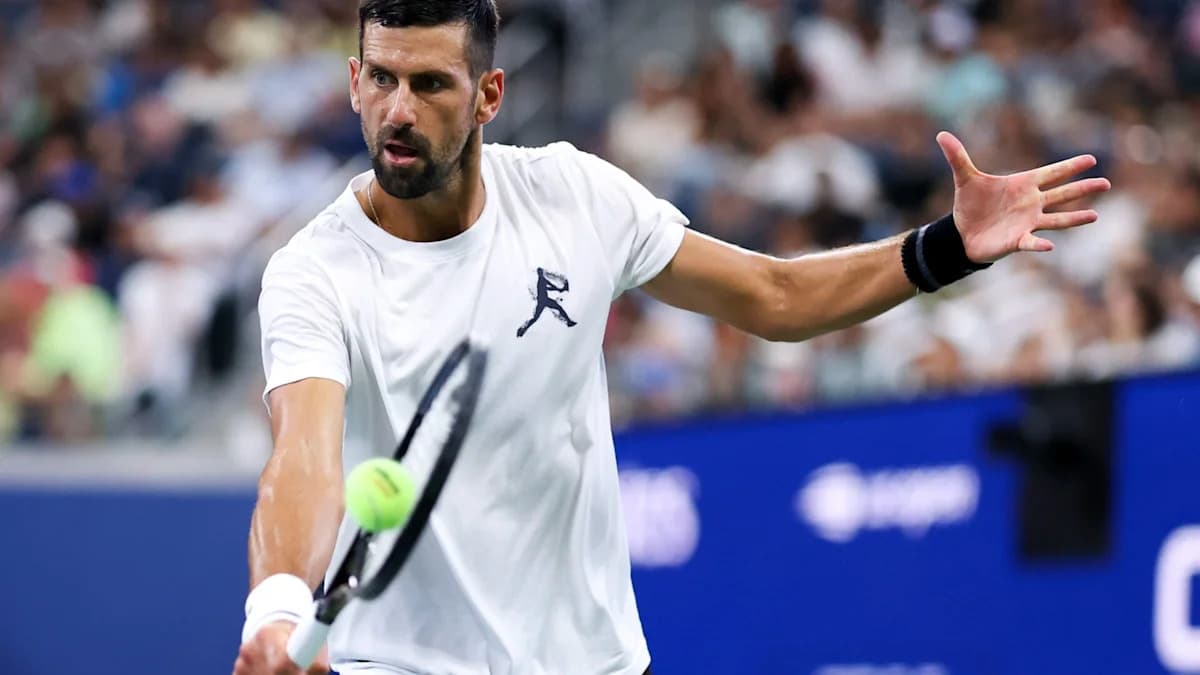
Williams and Kenin found themselves in that exact trap. Novak Djokovic’s five-set loss to Mariano Navone ran long, past the four-hour mark. The second act of the evening became a graveyard slot. By the time Kenin sealed victory, the 23,933-seat stadium was a patchwork of empty blue chairs.
The spectacle that had been sold on paper – a legend under the lights, a packed Ashe, a celebration – turned into a test of stamina for everyone left in the building.
A wider battle over power and pay
Late finishes are not just an irritation. They are a symbol.
Players have been pushing back at the Grand Slams for years, demanding a greater share of revenues and a stronger voice in how the sport is run. Scheduling is one of the flashpoints, alongside recovery time, expanding media duties and long-term benefits such as pensions.
At Roland Garros and Wimbledon this year, high-profile names including Coco Gauff, Aryna Sabalenka and Jannik Sinner limited their media commitments in protest at what some see as lopsided demands: more obligations, more exposure, more late nights – not always matched by what they receive in return.
The standoff has already forced movement. Wimbledon and the US Open have agreed to increase prize money in 2026. A Grand Slam players advisory council is set to launch after this US Open, giving players a formal platform to influence decisions at the majors.
Whether that group will go directly after late-night finishes remains to be seen. But it is clear where most players stand. They do not want to be walking off court at 3am, then expected to perform again a day or two later as if nothing happened.
There is a catch. If the Slams bow to pressure and move away from deep-into-the-night scheduling, broadcasters may be less willing to pay top dollar for TV rights. The revenue pool shrinks. Prize money, which players are fighting to raise, could fall.
That is the tension at the heart of the sport: the tug-of-war between the spreadsheet and the locker room.
For now, the money keeps the lights on and the matches rolling into tomorrow. The players keep talking. And somewhere in the quiet of a half-empty stadium at 2am, a 46-year-old champion walks off court wondering how much longer tennis can pretend this is sustainable.