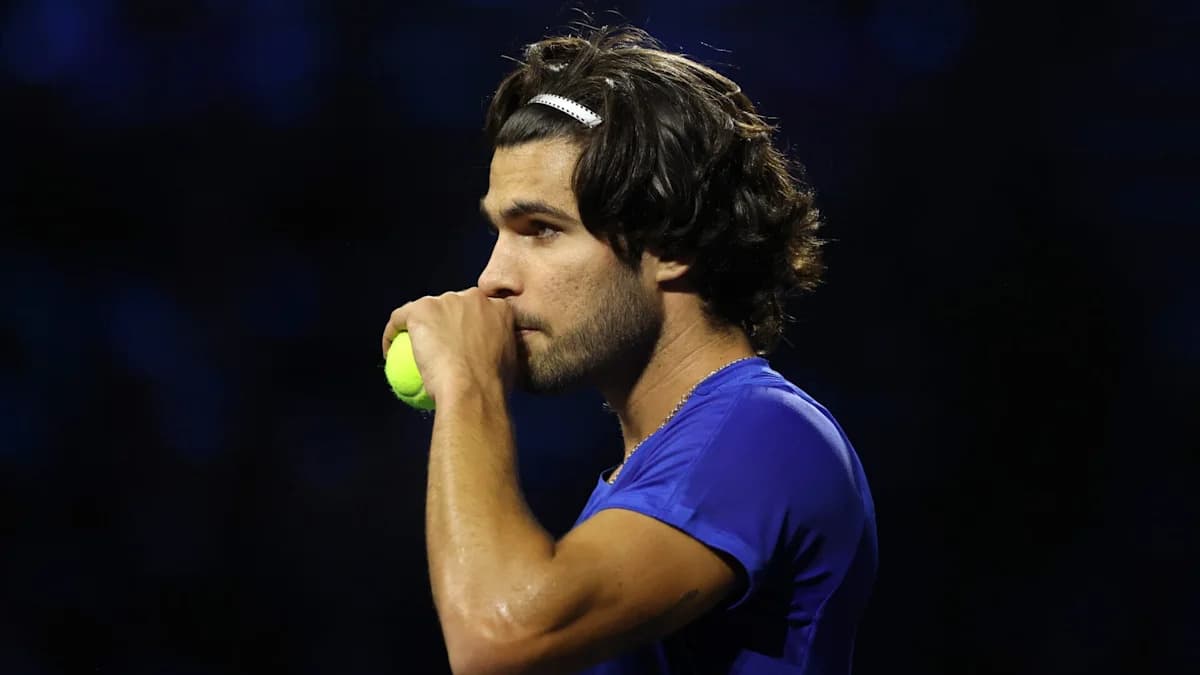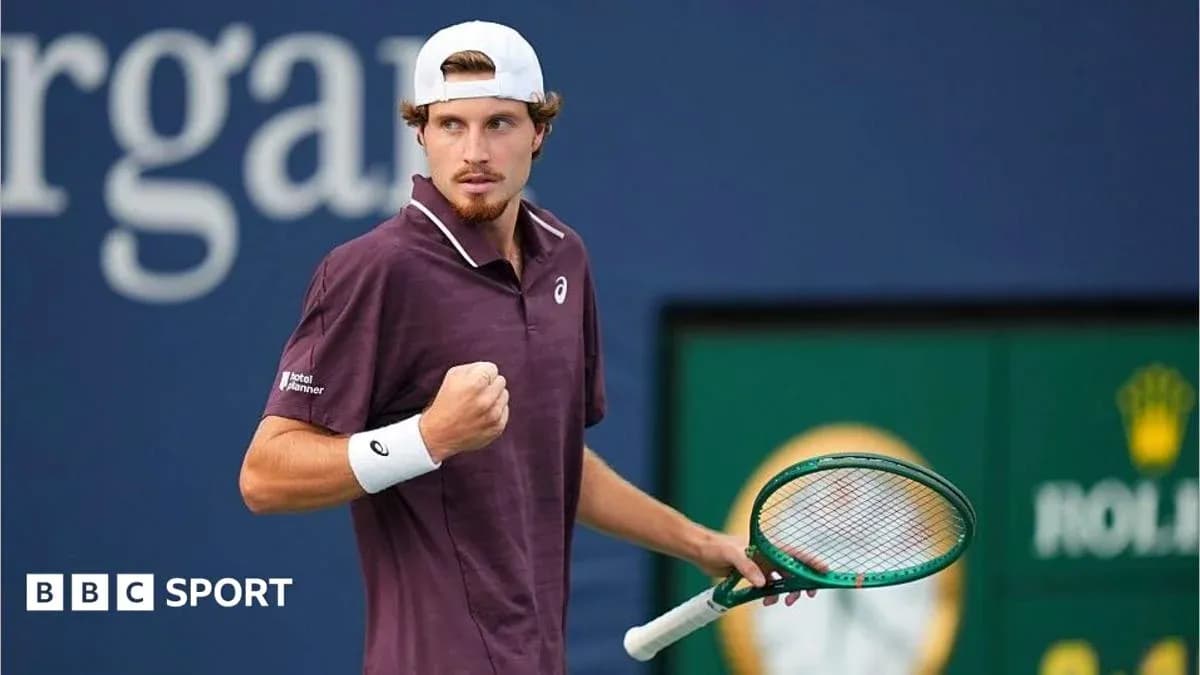
Toby Samuel's Journey from Challenger to Davis Cup
Toby Samuel was wandering the streets of New York when his phone rang. On the other end, Leon Smith. On the line, a sentence every British tennis player dreams of hearing.
“Congratulations, you’ve been selected.”
In an instant, a year that already felt like a blur snapped into sharper focus. The 23-year-old from Winchester, who only months earlier had been hoping just to squeeze into Challenger events, had been called into Great Britain’s Davis Cup squad to face Ecuador.
“Surreal,” he called it. It’s hard to argue.
From Challengers to the Davis Cup bench
Samuel joins Arthur Fery, Cameron Norrie, Henry Patten and Lloyd Glasspool as the fifth man in Smith’s team, a role that often goes unseen but never unvalued. For a player who has only just cracked the top 100 and tasted his first Grand Slam wins, the elevation is striking.
Eight or nine months ago he was plotting a route into the Challenger circuit, fighting for ranking points and relevance. Now he sits inside a Davis Cup team room, part of a national squad with real expectations. The jump has been steep, and he has taken it at full sprint.
He trains in Bath, grew up in Winchester, and has built his game far from the glare that follows the sport’s biggest names. That anonymity did not last long.
A year of firsts on the biggest stages
The breakthrough came in waves.
In New York, at the US Open, Samuel claimed his first main-draw win at a Grand Slam with a dominant performance against Tomas Machac. That victory didn’t just put his name on the board; it announced that he could not only qualify for the sport’s biggest events but compete in them.
The run ended against 18th seed Jiri Lehecka in the next round, but the message was already out.
Before that, Roland Garros had offered a different kind of test. Samuel fought through three rounds of qualifying to reach the French Open main draw, then ran into world number eight Alex de Minaur in the first round proper. No fairy tale upset, but another hard marker laid down: he could survive the grind of qualifying and stand across the net from a top-10 player.
Then came Wimbledon. A wildcard into the main draw, a grass-court stage every British player grows up imagining. Samuel pushed Czech 15th seed and French Open semi-finalist Jakub Mensik to five sets, refusing to fold in the biggest arena of his life.
Those matches did more than move his ranking. They hardened him.
“At first it was a completely new experience,” he admitted. Walking into locker rooms filled with players he had watched on television, then seeing them on the other side of the net, rattled him. He spoke of nerves, of shaking a little on court in those early appearances. The stage felt enormous, the lights too bright.
Then repetition did its work. Second, third time around, the awe faded. The game returned. Calm followed.
He started to look like he belonged.
Learning to live with the long haul
The shift from the Challenger Tour to the Grand Slams isn’t just about names and stadiums. It’s about distance. Challenger matches are best-of-three; Slams demand the stamina and steel to last five sets, sometimes five hours.
For Samuel, that has been a new kind of education. The body must hold, the mind must not wander. A lapse in focus over a long afternoon can cost everything.
He calls playing three, four, even five hours “a new thing” and speaks about the adjustment without dressing it up. This is the climb. This is what the next level feels like.
What has helped him survive that climb is the sharpening of his weapons. He points to his serve and forehand as the shots that have transformed his game over the past year.
“Before they were good but they weren’t really scaring people,” he said. Now he believes they do. Now they are “my biggest weapons and I can take matches with them.”
That change matters. On the tour, plenty of players can rally. The ones who rise tend to have something that forces opponents onto the back foot from the first strike. Samuel is starting to sound like a man who knows what his edge is.
A new chapter in GB colours
All of that feeds into this week. Great Britain against Ecuador. Samuel in the team room, on the practice court, in the huddle. Whether he plays or not, he has crossed a threshold.
He calls his Davis Cup call-up “one of the best moments” of his tennis life, and you believe him. Representing your country is not a line in a CV; it’s a marker in a career, a moment that divides the before and the after.
For now, he is the fifth man, the newcomer, the one soaking it all in. If his past 12 months are any guide, that label won’t last long.
The question now is simple: how far, and how fast, can this rise go?