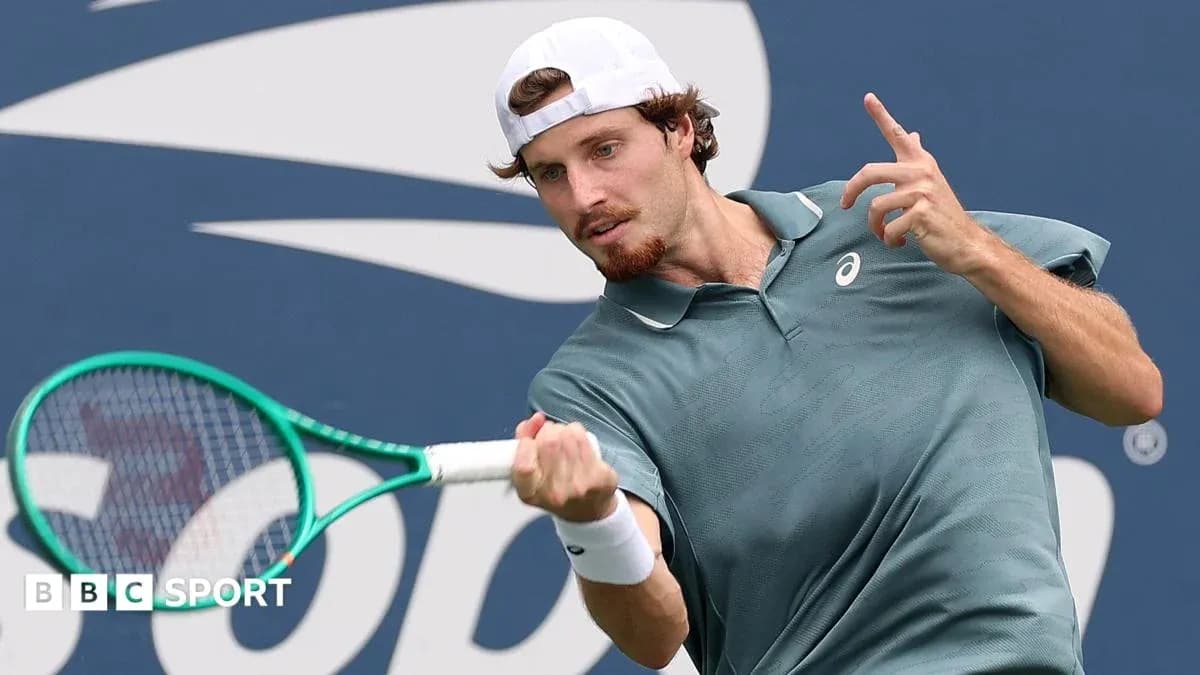
Toby Samuel's Statement Win at US Open
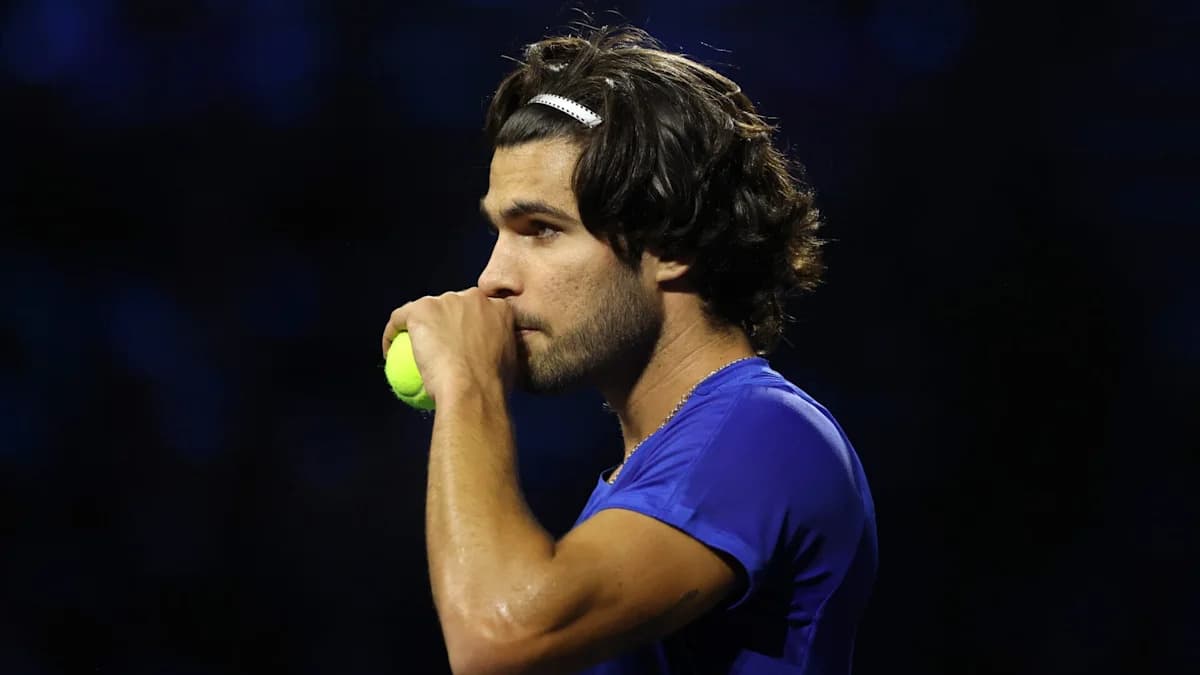
Toby Samuel walked into his first US Open main draw match with the miles of qualifying still in his legs and the weight of a breakthrough season on his shoulders. Ninety-odd minutes later, he walked off Arthur Ashe’s outer courts with something far heavier in his hands: a statement win.
The 23-year-old Briton, who had spent the week in New York clawing back from a set down in all three qualifying rounds, didn’t need any heroics this time. Against Tomas Machac, a former world number 20 with real pedigree at this level, Samuel was ruthless.
He didn’t just win. He dismantled him.
The scoreline – 6-2 6-3 6-2 – barely flattered him. Samuel controlled the match from the start, bossing the baseline, serving with icy clarity, and stripping Machac of time and confidence. On his US Open main-draw debut, in his first ever Grand Slam victory, he looked like he’d been here for years.
“It means everything to me. It’s what I dreamt of as a kid watching these big tournaments,” he told BBC Radio 5 Live afterwards. “Being able to win my first Grand Slam match is unbelievable.”
Two years ago, this would have sounded like fantasy.
Back then, bone bruising in his right arm had wrecked his 2024 season. His ranking collapsed, tumbling towards 2,000 in the world, his career seemingly drifting into the shadows of the sport’s vast middle ground. Players sink there all the time and never come back.
Samuel refused to join them.
He rebuilt on the Challenger circuit, one week, one match, one point at a time. He won 36 of 39 matches at that level last year, grinding his way back into the top 300 and re-establishing his name in the margins of the main tour. It was the kind of relentless, unglamorous work that rarely makes headlines but often underpins careers.
Now, the payoff is unmistakable. With this win over Machac, Samuel has pushed himself inside the live ATP top 100 and secured the biggest payday of his career so far – $140,000 in prize money. The number is nice. The symbolism is bigger.
This is no longer a story about survival. It’s about arrival.
His rise in 2026 has been steep and sudden. He came through qualifying to make his Grand Slam debut at Roland Garros, having never played a single ATP Tour main-draw match before that. From there, the steps came quickly: a semi-final run at Eastbourne, a Wimbledon wildcard, a third Challenger title of the year on the hard courts of Winnipeg.
Each result nudged him closer to the sport’s front door. New York has kicked it open.
Against Machac, Samuel’s tennis had the clarity of a player who knows exactly what he wants to do and trusts his body to do it. Across the first two sets, he dropped just five points in nine service games. At one stage he reeled off seven games in a row, including three consecutive holds to love. Machac chased. Samuel dictated.
Even when he did wobble, the response was sharp. Trailing 2-0 at the start of the third set, he could have let Machac back into the contest. Instead, he tightened his grip. He reeled off six straight games, saved two break points along the way, and shut the door with a kind of composure that belied his inexperience at this level.
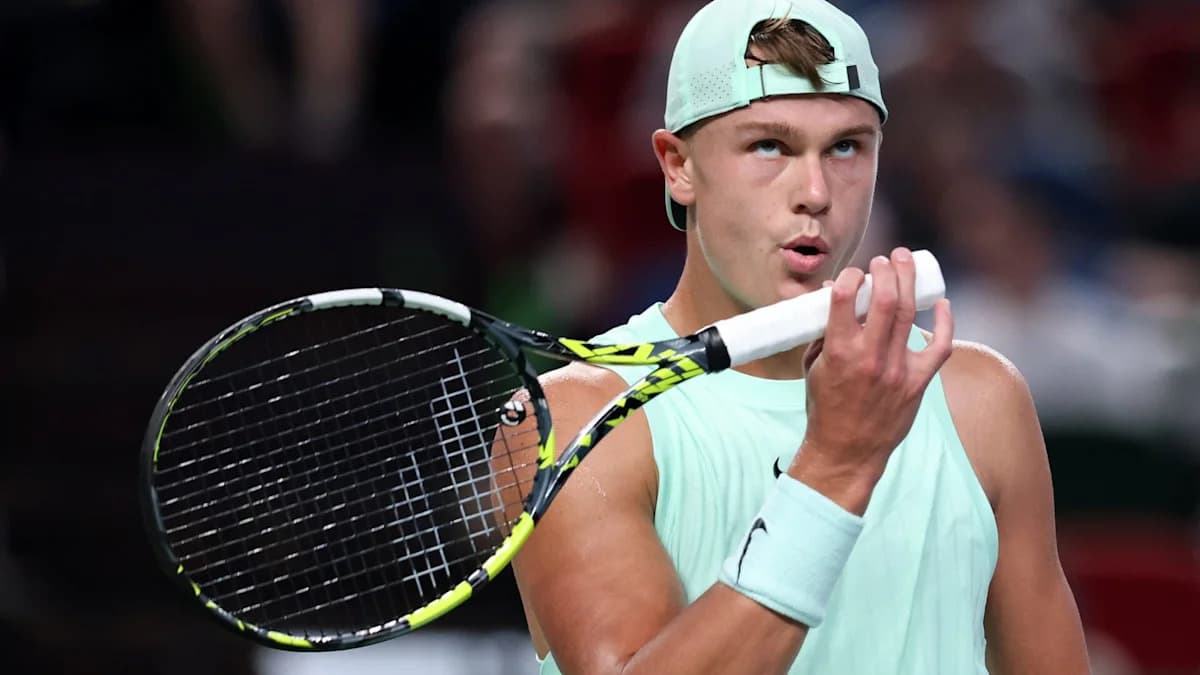
The reward is a second-round meeting with Czech 18th seed Jiri Lehecka – the kind of opponent who, not long ago, Samuel would have watched on TV from his college dorm or a Challenger locker room.
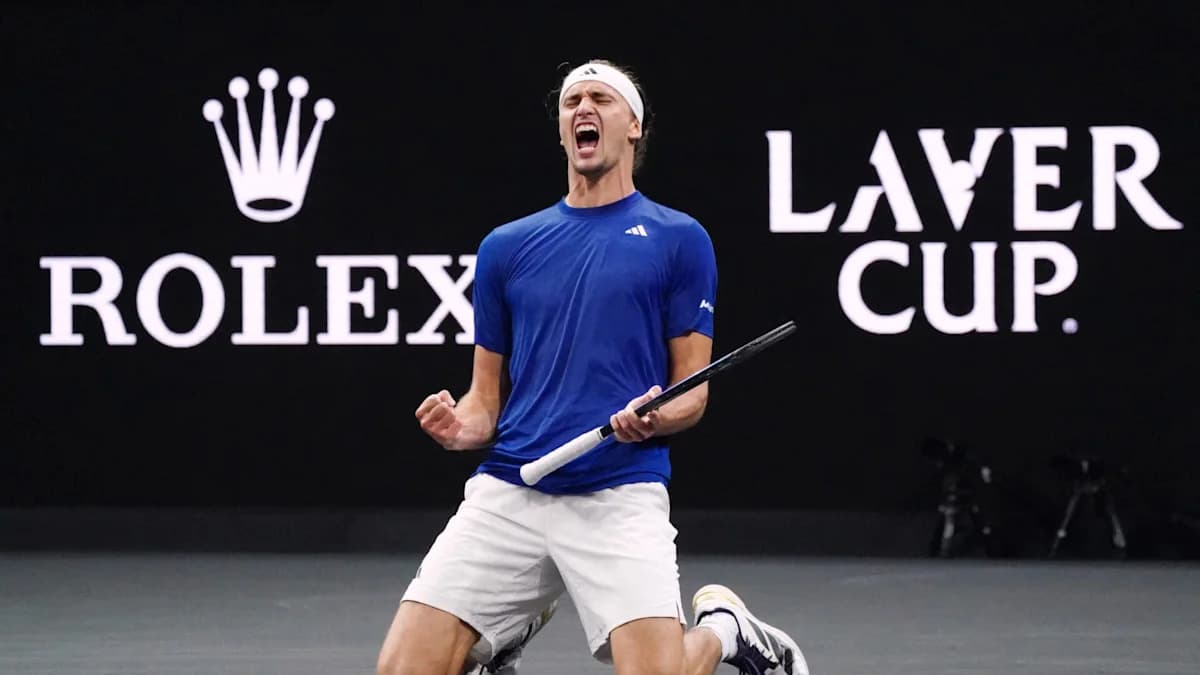
Those locker rooms have changed, but the sense of awe hasn’t completely disappeared. At Roland Garros, he admitted he was starstruck sharing space with the likes of Alexander Zverev. The boy who used to watch them is now warming up next to them, plotting ways to beat them.
“I’m still a little bit but I’m definitely more comfortable being around those top guys because I could be playing them the next day,” he said. “I have to start thinking of them not as stars but people I can play against.”
That shift in mindset might be as important as any technical tweak.
Samuel’s journey has also been shaped by a route that once carried a faint stigma in British tennis: the American college system. Like his 2019 Wimbledon boys’ doubles partner Arthur Fery, who surged up the rankings after his own breakout run to the semi-finals at SW19 this year, Samuel has used US college tennis as a launchpad rather than a detour.
Encouraged by his parents, the former junior world number 57 went to the University of South Carolina, where he collected an All American doubles title and learned to thrive in front of “super lively” crowds. The noise, the energy, the intensity of dual matches – all of it now feels like useful rehearsal for nights like this in New York.
Several of his Carolina team-mates were courtside for his first-round win, and he was quick to credit them for the edge he showed against Machac. Their “fighting energy,” he said, helped him “get the job done”.
Not everyone close to him could be there this time. His parents, who had watched him battle through qualifying, were on another mission: supporting his brother as he starts his own college journey in the United States.
“My brother’s just started university in America so they flew out to help him settle in, and I think my dad will fly back out for the second round,” Samuel said.
Family split across states, friends flying in, rankings surging, prize money spiking. This is what a life changing in real time looks like.
His new standing should secure automatic entry into next January’s Australian Open. If that holds, Samuel will complete the set of Grand Slam main-draw appearances barely a year after cracking the top 250 for the first time. The climb has been swift, but not accidental.
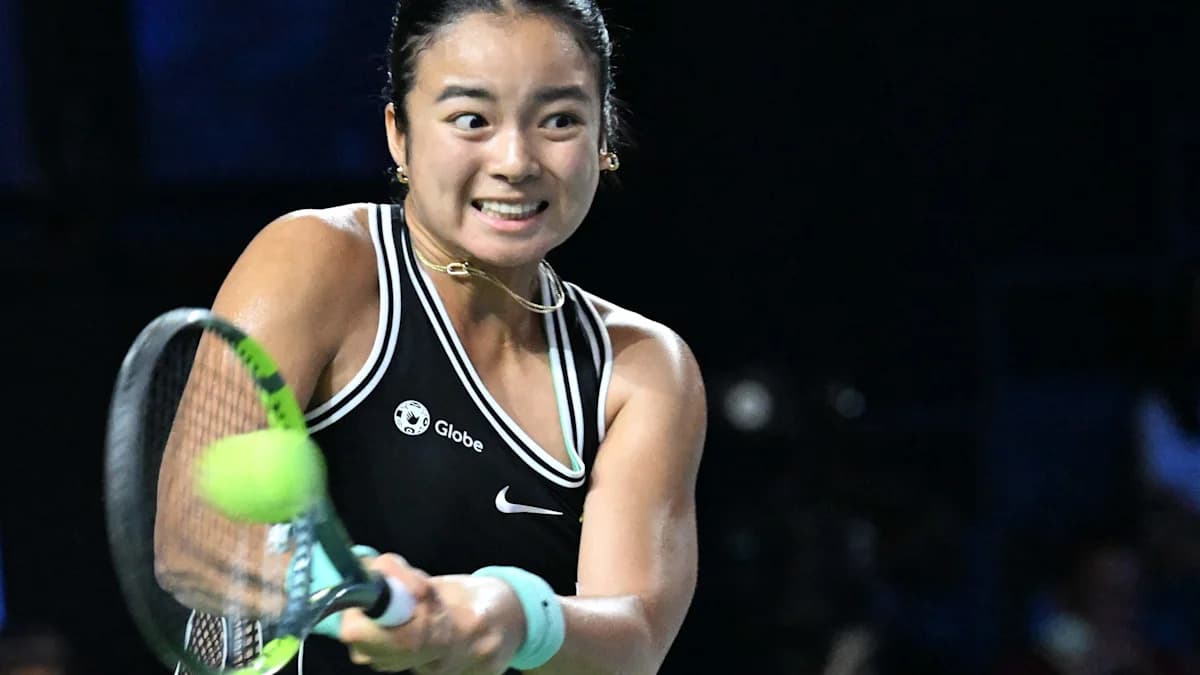
He is not the only British name moving forward in New York. Katie Boulter joined him in the second round after a gritty three-set win over American wildcard Carol Young Suh Lee, recovering from a dip in the second set to close out a 6-4 3-6 6-0 victory. British tennis, so often reliant on a single standard-bearer, is beginning to look a little deeper, a little broader.
For now, though, this night belongs to the qualifier from Winchester who once stared at the rankings list from somewhere near 2,000 and refused to accept that as his ceiling.
Next up is Lehecka, a seeded player with weapons and experience at this level. It is a step into a different kind of match, a different kind of scrutiny.
Samuel has spent the past two years proving he belongs on this stage. The question now is no longer whether he does – it’s how far he can push the door he has just kicked open.