US Open 2023: Alcaraz and Sabalenka Defend Titles Amidst Fierce Competition
The lights are up in Queens, the last Grand Slam of the year is in full swing, and the chase for the US Open crown already feels unforgiving.
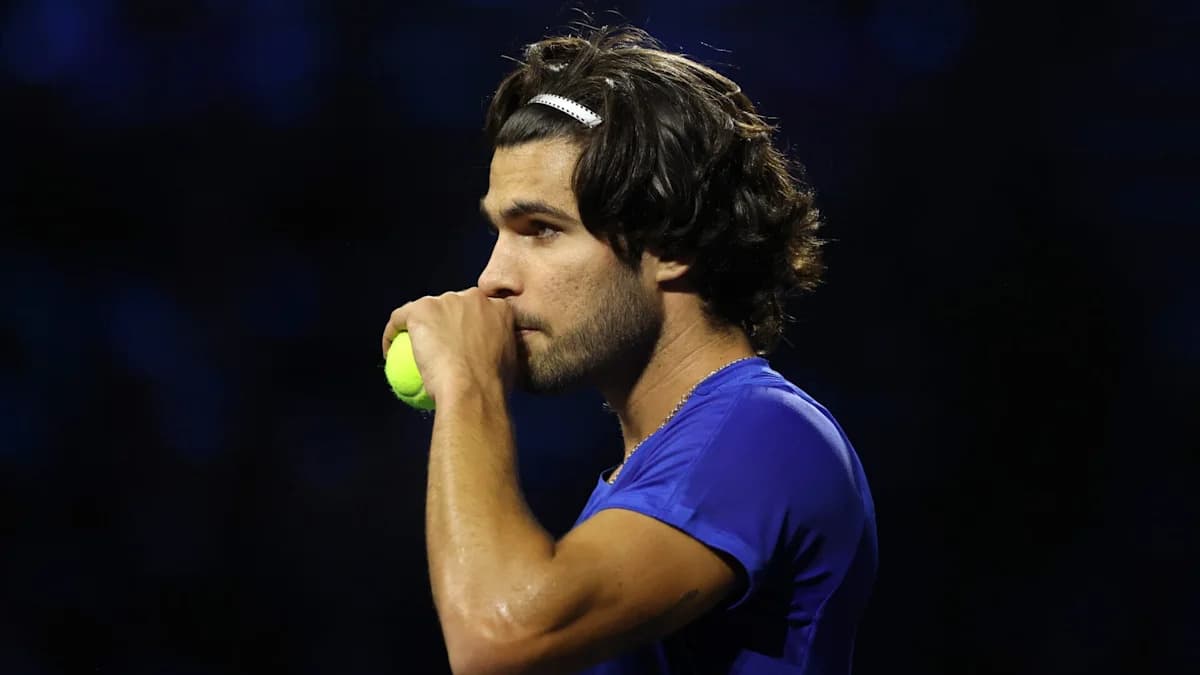
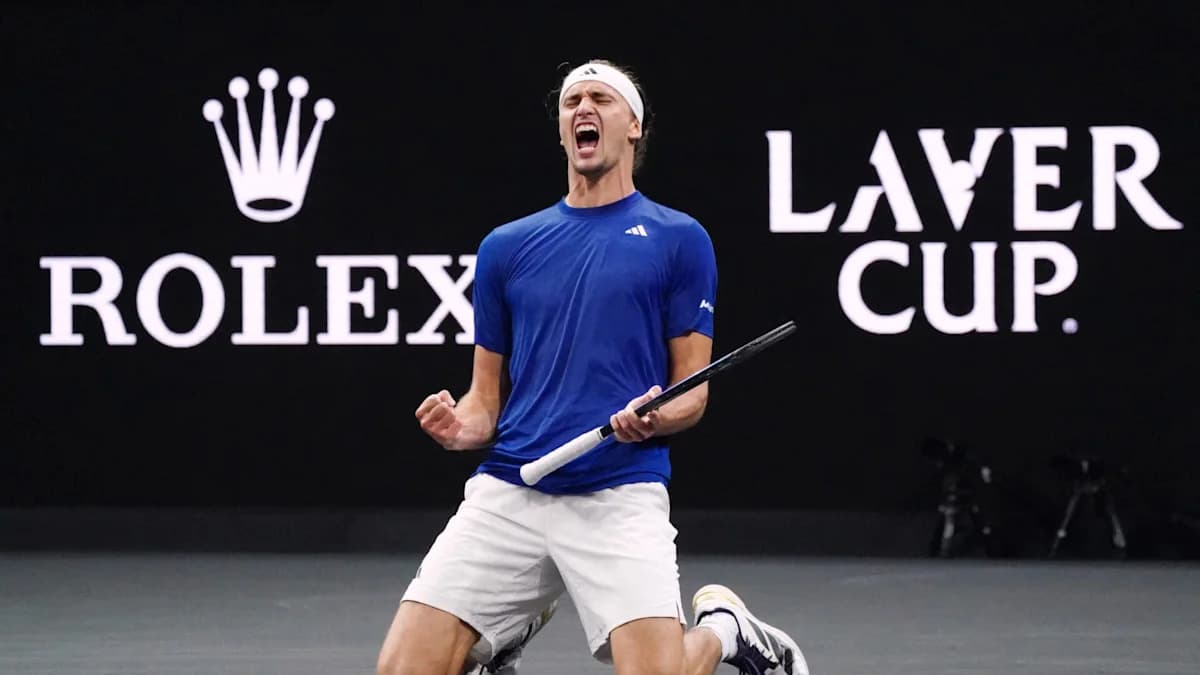
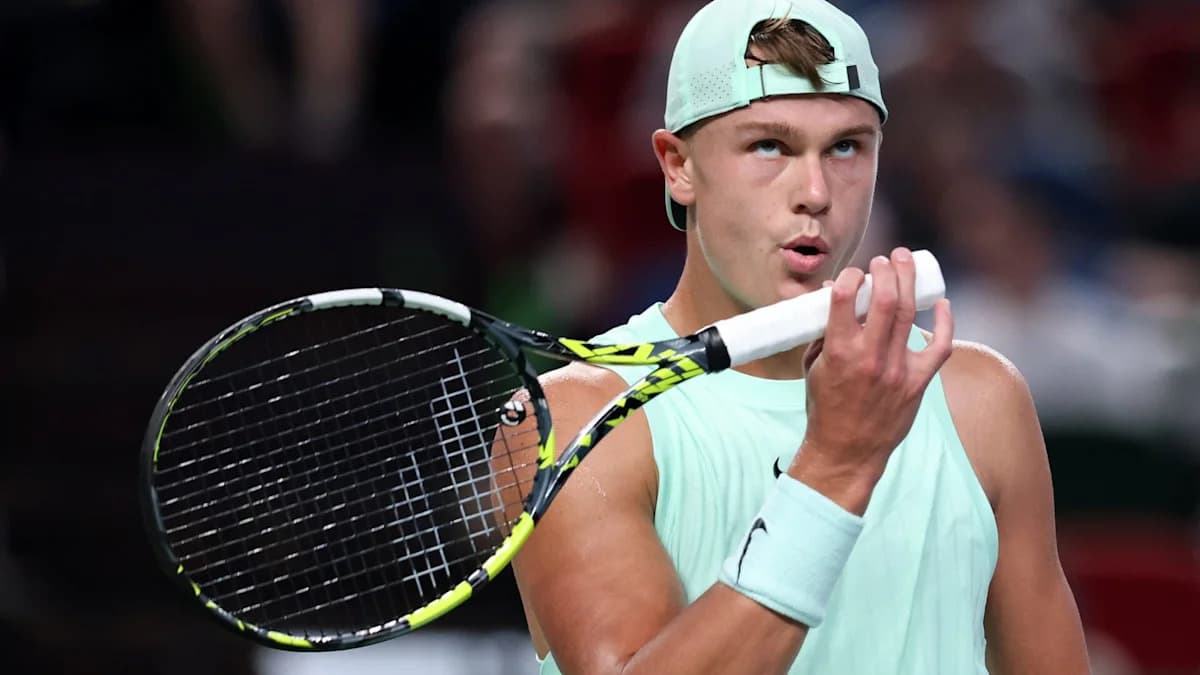
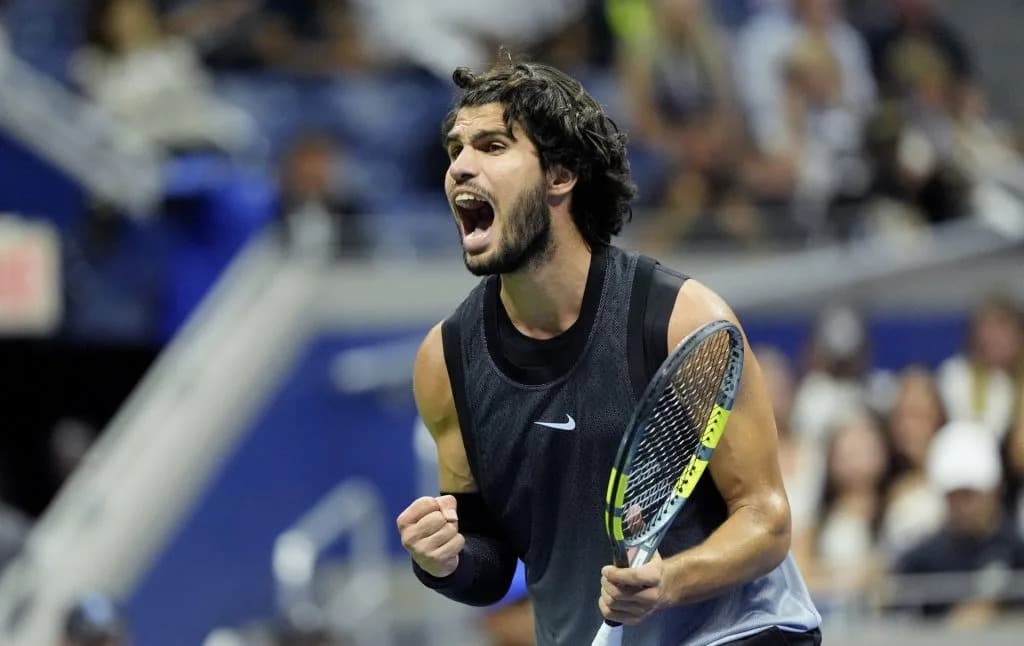
Carlos Alcaraz walks back into Flushing Meadows as defending champion and de facto standard-bearer, his first tournament since injury immediately dropping him into a fortnight of expectation. With Jannik Sinner sidelined, the draw has lost one heavyweight, but it has not lost its edge. Alexander Zverev, Ben Shelton, Flavio Cobolli, Daniil Medvedev and a hungry pack behind them all lurk in his half of the conversation.
The bookmakers are clear. At the start of the tournament, Alcaraz opened as the men’s favorite at +120 on DraftKings. On paper, this is his title to lose. On hard courts in New York, nothing is ever that simple.
Women’s Side
On the women’s side, Aryna Sabalenka is trying to do what so few have managed in this era: defend a US Open title while carrying the burden of being the one everyone else is chasing. Her trophy is on the line. So is her ranking. The No. 1 spot hangs in the balance with Elena Rybakina, Coco Gauff and Jessica Pegula all eyeing the top of the sport and the chance to unseat her.
Sabalenka starts as the favorite at +290, but the story around her is crowded. Iga Świątek, champion here in 2022, cannot reclaim No. 1 this fortnight, yet she has quietly rebuilt her season over the past month. After a rocky spell, the Pole has found rhythm and bite again, and she arrives in New York as a genuine threat rather than a nostalgic name on the draw sheet.
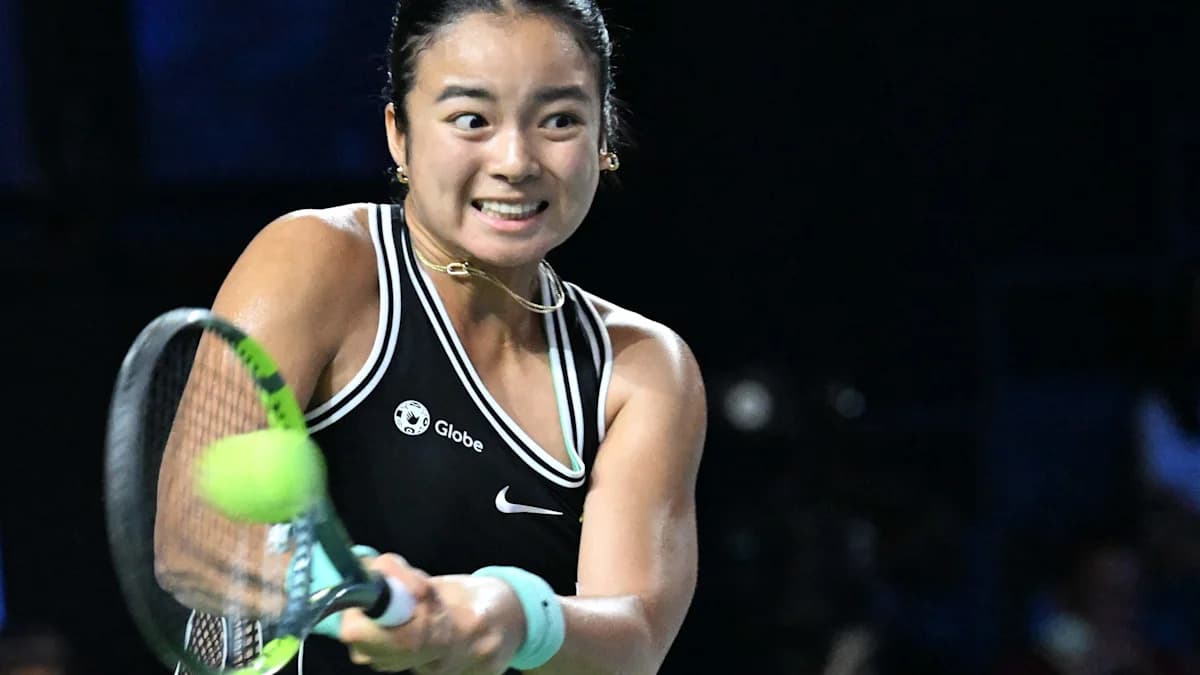
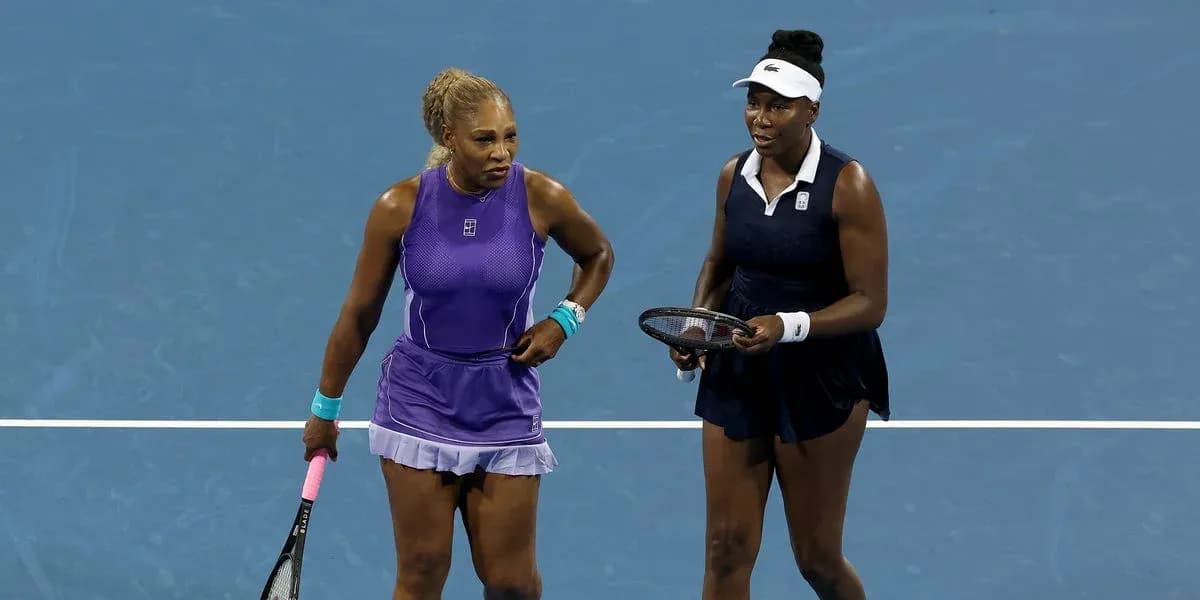
Naomi Osaka returns as a familiar face with unfinished business, while Alex Eala brings fresh intrigue and momentum. Venus Williams has already departed the singles stage, beaten in the first round, but her presence lingers: she links up with Serena Williams in women’s doubles, a pairing that guarantees attention even as the sport moves into a new era.
All of it unfolds at the USTA Billie Jean King National Tennis Center in Flushing Meadows-Corona Park, the sprawling hard-court complex in Queens that turns late summer into a two-week cauldron.
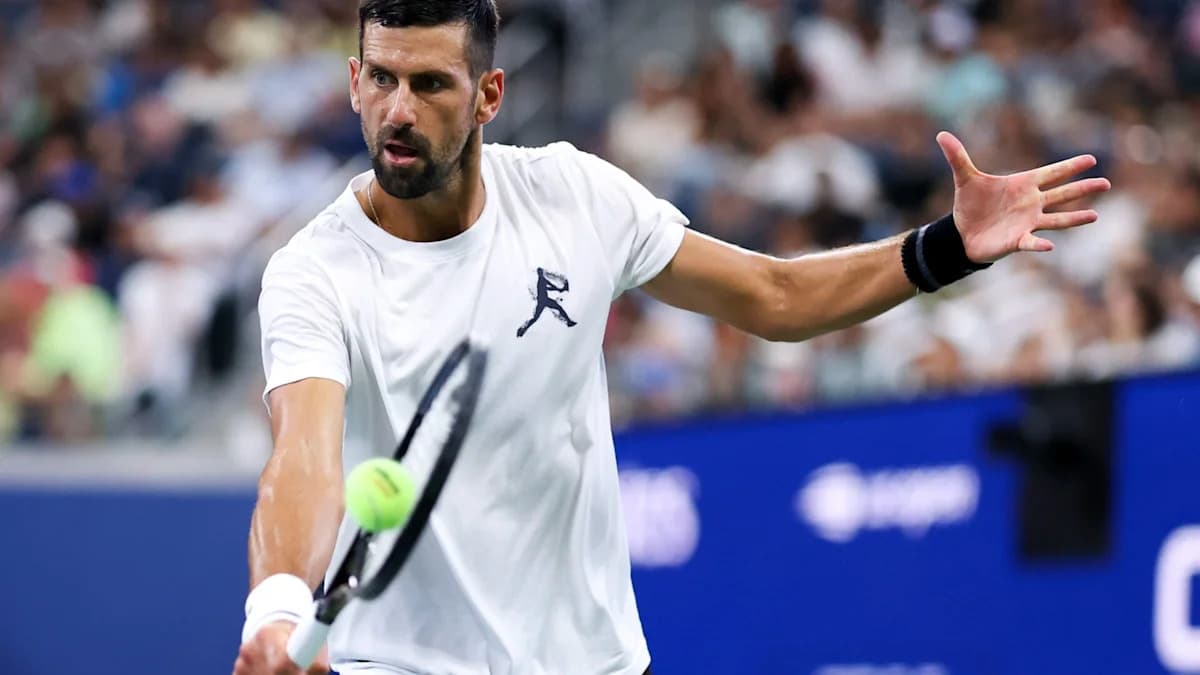
The tournament has already produced its first seismic jolt. Four-time US Open champion Novak Djokovic is out, stunned by Mariano Navone in a brutal, five-set first-round marathon. A giant exit, early and unexpected. Alex de Minaur, Felix Auger-Aliassime and Lorenzo Musetti have joined him on the wrong side of the bracket, notable casualties in a men’s draw that has started to bite. The women’s event, by contrast, has held its nerve so far, with fewer major shocks at the top of the seedings.
Viewing Landscape
For those trying to follow every twist, the viewing landscape is almost as layered as the draw.
In the United States, ESPN, ESPN2 and ABC carry the bulk of the coverage, with everything else tucked behind ESPN+ as streaming exclusives. The most comprehensive route is an ESPN Unlimited subscription at $32 a month, which folds live streams from the flagship ESPN channels, ESPN on ABC content and ESPN+ programming into one package. Live TV services offer another path: Fubo and YouTube TV both include ABC, ESPN and ESPN2, and both dangle free trials for those wanting to sample a month without long-term commitment.
Fubo’s Sports + News plan, at $65 a month, brings around 30 channels including the US Open broadcasters, with new users getting $10 off the first month after a trial. Its Pro and Elite packages climb past 200 channels and, crucially, all three Fubo plans unlock ESPN Unlimited at no extra cost, so those ESPN+ exclusives stay within reach. YouTube TV’s Main plan sits at $83 a month, but a current promotion cuts $15 a month off the first five months. Its Sports plan, usually $65 a month, drops to $45 for the first six months in a limited-time offer, and both plans include a free trial.
Across the Atlantic, UK fans turn to Sky Sports. A Sky TV plan delivers the coverage, with pricing shaped by contract length and bundle choice. For those reluctant to sign up long term, Now steps in: its flexible memberships include a £15 day pass, a one-off ticket to a day at Flushing Meadows without the strings.
In Australia, the picture splits between the die-hards and the casual viewers. Anyone determined to see every ball struck needs Stan Sport, a paid subscription that runs to $30 a month — $10 for a base Stan plan plus $20 for the Sport add-on. Channel Nine and 9Now provide a free window into the tournament with select matches, accessible via a simple account login. Historically, as the event deepens, that free coverage broadens, with a clear focus on top seeds and home hopes. Early signs in 2026 follow the same pattern.
For those on the move or outside their home broadcast region, a different kind of tool comes into play. VPNs — virtual private networks — allow users to change the apparent location of their devices, a workaround many travelers use to keep pace with their usual apps, sites and streaming services. They also carry a security upside, adding a layer of protection to online activity. Proton VPN sits among the leading options, known for a user-friendly interface, a wide spread of global servers and extra security features. That said, the legal and contractual picture is not uniform: some countries restrict VPN use, and accessing region-locked content can breach terms of service. The technology exists; how and where it is used remains a separate question.
Back on court, the questions are sharper. Can Alcaraz shoulder the weight of expectation and his own body after injury? Will Sabalenka hold her nerve with a ranking and a title on the line? Does Świątek’s resurgence turn into something more than form? With Djokovic already gone and the draw opening in unexpected places, this US Open is building toward a hard, unforgiving truth: in New York, reputations arrive with you, but the city decides whether they leave intact.