US Open 2026: A Tournament in Crisis
By the time the last stragglers shuffled out of Flushing Meadows and the clock lurched towards dawn, the US Open looked less like a grand slam and more like a construction site in crisis.
In one of the on-site shops, a small crew of workers huddled beneath a jagged hole in the ceiling, wrestling with a burst pipe and the steady gush of water threatening to destroy thousands of pounds’ worth of merchandise. Buckets, towels, frantic shouts. This was not an isolated mishap. It felt like a metaphor.
Walk into Arthur Ashe Stadium this year and the warning signs literally hung overhead: “Pardon our appearance while we write the next chapter of Arthur Ashe Stadium.” The message tried for charm. The reality was brutal. Corridors and rooms at one of the biggest sporting events on the planet looked and felt as if the main arena was coming apart at the seams.
Leaks sprouted in the media centre with grim regularity, plastic sheeting dangling from the ceiling like emergency art installations, funnelling water into buckets that filled to the soundtrack of constant dripping. In the workers’ restaurant nearby, a violent burst from above forced a full-day closure. Staff joked, only half in jest, that no sensible person would willingly sit under those ceilings every day. Around the courts, photographers complained of nausea after breathing in rancid fumes wafting up from the drains in the photo pits.
It all fed into a growing sense that this was the worst-run grand slam in recent memory. Not just ugly. Dysfunctional.
The Year of the Influencers
If the crumbling infrastructure set the tone, the stands finished the job. Years from now, 2026 will be remembered as the US Open that surrendered itself to the ring light.
Influencers colonised Ashe. They arrived armed with tripods, phones and an ironclad belief that every moment, every point, every silence existed only as backdrop to their content. They filmed TikToks mid-rally. They stood up for selfies during points. They lit up the night with LED halos while the players tried to serve under the glare.
Tennis has spent the past decade preaching about “growing the game”, about welcoming new audiences at almost any cost. This fortnight showed the bill for that open-door policy. Sometimes, gatekeeping isn’t elitist. It’s essential.
The noise on Ashe told its own story. Conversations roared through rallies. Even Aryna Sabalenka’s trademark screams – usually the loudest sound in any stadium she enters – were swallowed by the din.
And then there was the schedule. Between 11.30am on Tuesday and 3.33am on Wednesday, the tournament delivered 16 hours of tennis and four quarter-finals that all went to a deciding set. It was gripping, breathless, high-end sport. It was also a damning indictment of a calendar that still spits out matches finishing in the small hours while organisers shrug and move on.
Women Take Over the Stage
On the court, the women’s event was everything the tournament as a whole pretended to be: elite, ruthless, compelling. The entire top six reached the quarter-finals. For the first time in 51 years, the top four players in the world locked out the semi-finals. No interlopers. No flukes. Just the sport’s heaviest hitters trading blows deep into the second week.
Sabalenka’s run told one story. Her comeback against Linda Noskova, the 21-year-old Wimbledon champion, stood as one of the matches of the season: raw, physical, tense, and decided only when Sabalenka finally dragged herself over the line. After a summer that had spiralled into a nightmare, she still found enough resilience to claw her way into the final. When she looks back, the recovery alone will feel like a minor miracle.
Elena Rybakina’s fortnight told another. She arrived with the No 1 ranking on her shoulders, an achilles problem nagging at every step, and a brutal draw that offered no soft landings. She walked away with the title. Her level on hard courts over the past year has been relentless, a quiet domination that matches her reserved personality. Where Sabalenka explodes, Rybakina absorbs. One rages, the other chills. The contrast only sharpens their rivalry.
Zheng Qinwen lit up the middle rounds with two of the most outrageous turnarounds of the tournament. Down 0-5 in the third set against Madison Keys in the third round, she somehow reeled off seven straight games to win 7-5. Then she did it again in the first set against Iga Swiatek in the fourth round, turning another 0-5 deficit into 7-5. Those comebacks weren’t flukes. They were declarations. Zheng had been away from the biggest stages; now she stormed back onto them.
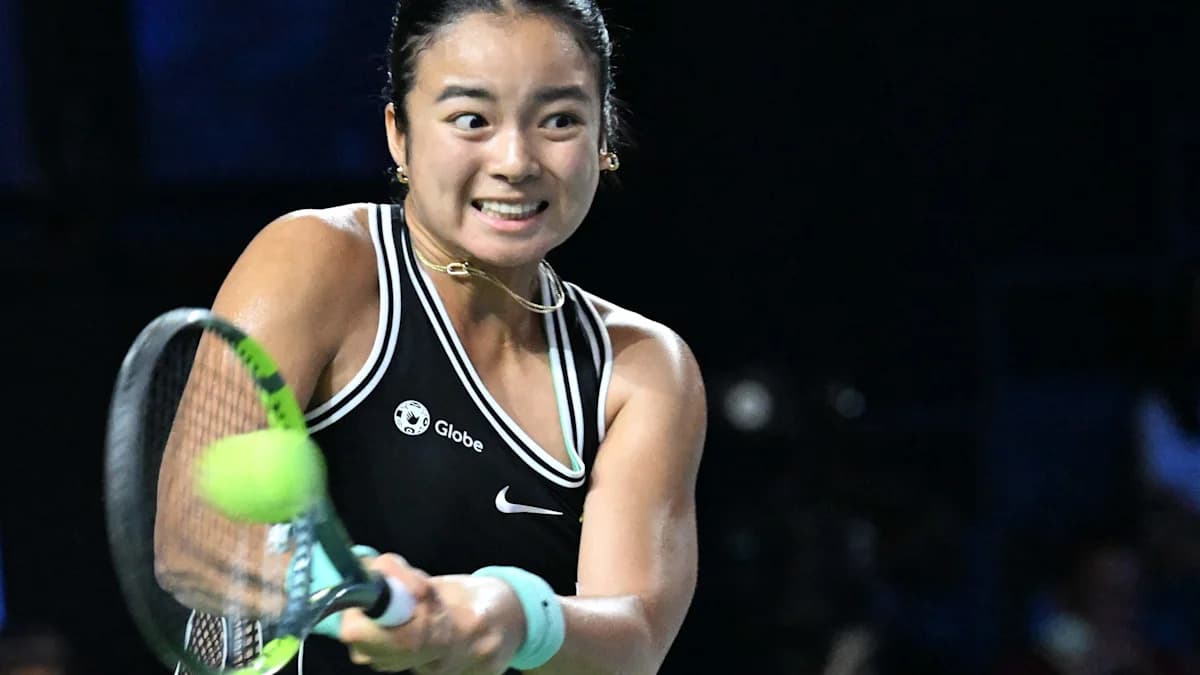
The next generation kept pushing. Iva Jovic and Alexandra Eala fought each other deep into the night, proving that fierce competitiveness can live comfortably alongside close friendship. They shared smiles and glances, then ripped into rallies without mercy. It was a glimpse of the sport’s future, played under a leaking roof.
Coco Gauff offered a different kind of redemption arc. A year ago, her serve disintegrated so completely it left her in tears on court. This time, a semi-final run underlined how far she has come. The motion looked smoother, the belief sturdier. The scars from 2025 are still there, but now they sit beneath a layer of hard-earned confidence.
Men’s Game Under Strain
The men’s side of the draw told a darker tale. Not because of the level on show in New York, but because of who wasn’t there, or who arrived half-broken.
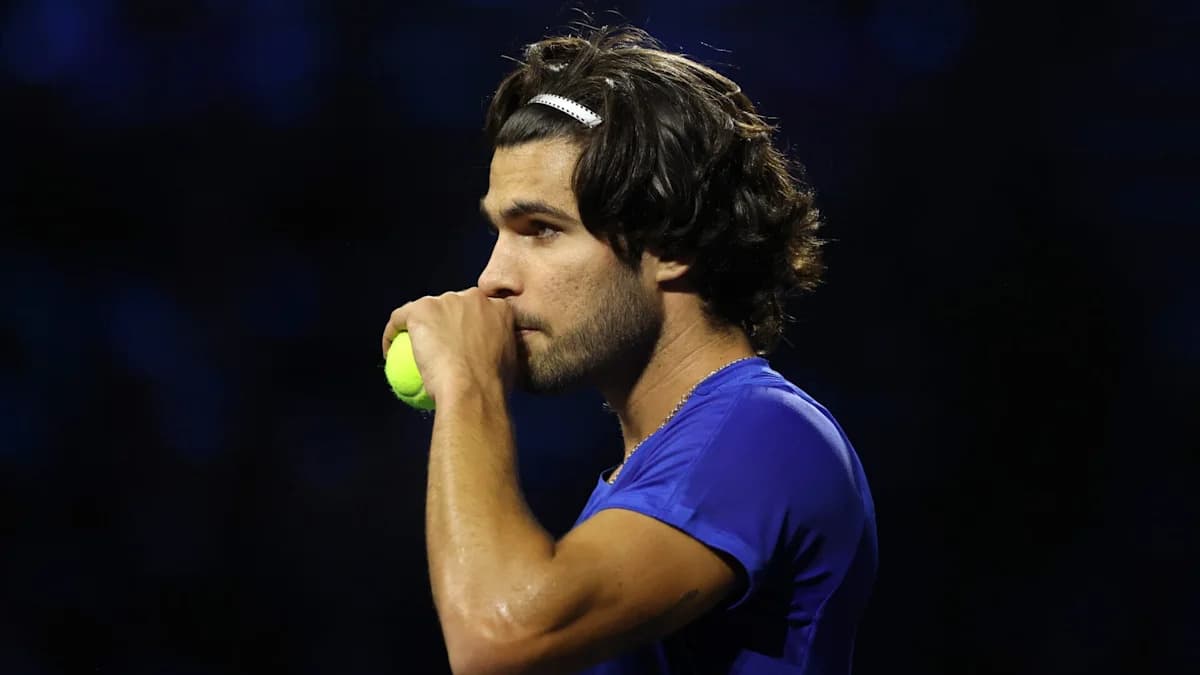
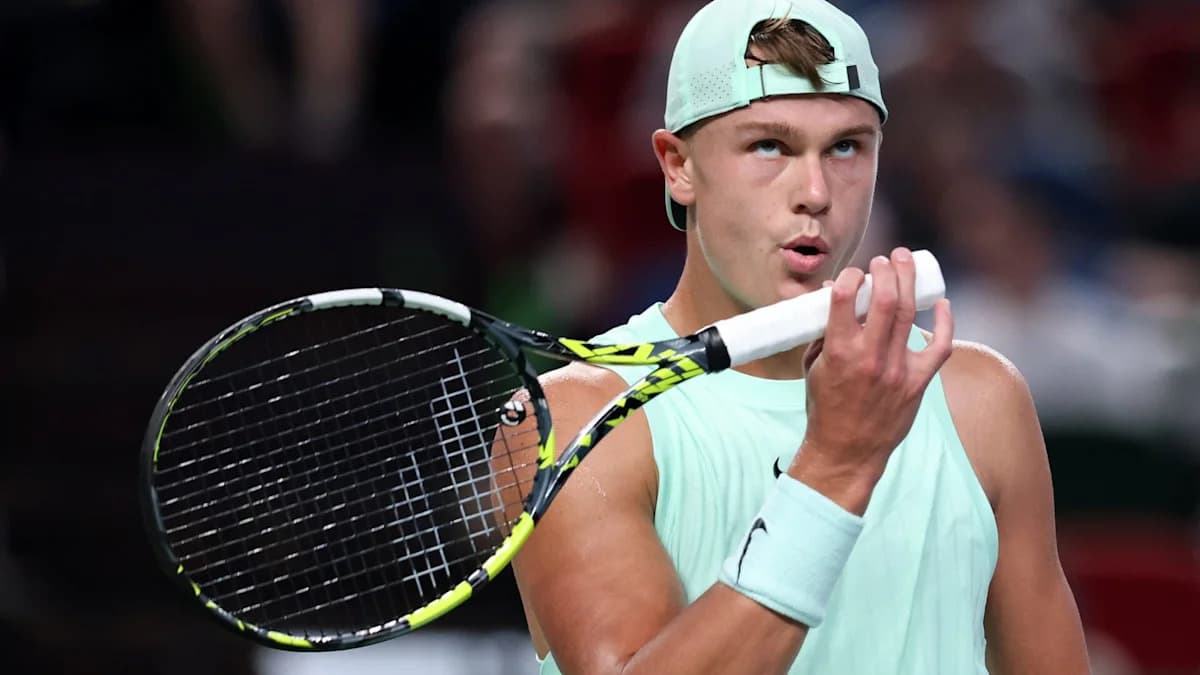
This has been a grim year for men’s tennis, scarred by a wave of injuries among the younger generation who were supposed to be carrying the sport into its next era. Carlos Alcaraz and Jannik Sinner’s struggles have drawn most of the headlines, but they are only the most visible part of a wider problem. Jack Draper, Holger Rune, Lorenzo Musetti, Arthur Fils and João Fonseca have all missed significant chunks of the past 12 months. Those who made it to Flushing Meadows did so while still dealing with the fallout of their absences.
Yet even in a damaged field, the men’s draw still found a way to produce one of the moments of the sporting year.
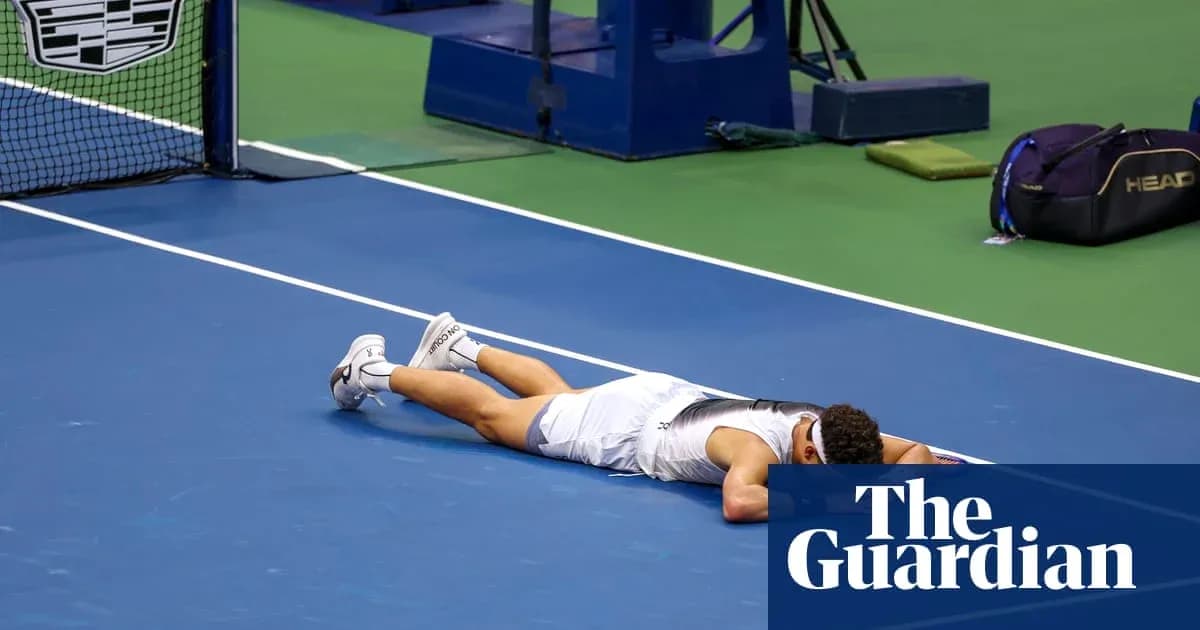
At 3.40am on Wednesday, after four and a half hours of brutal tennis, Ben Shelton finished off a monumental victory over Alcaraz in a fifth-set tie-break. The scoreline said the margins were thin. The scene on court said everything about what it had taken out of the Spaniard.
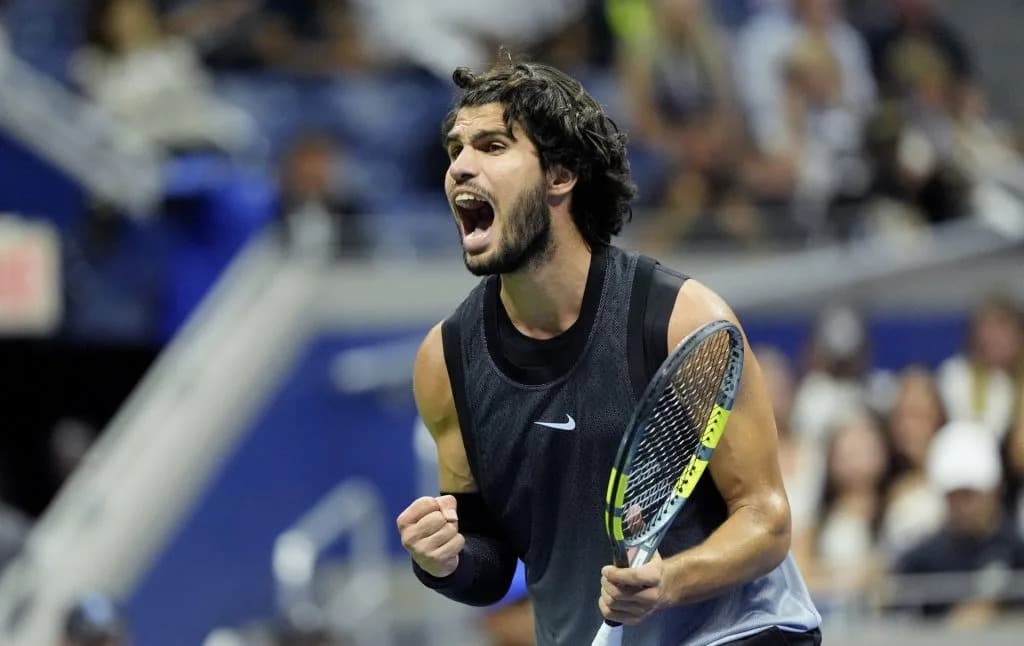
Alcaraz pushed himself until his body rebelled, vomiting repeatedly during the match and still refusing to let go. He lost by inches. But for a player who had spent four and a half months out with a wrist injury, not knowing how his body would respond, simply being back in that kind of fight mattered more than the result.
When he finally left Ashe, the stands almost empty, he walked through the tunnel that has seen so many broken dreams and shattered rackets. This time, his face cracked into a wide, unguarded smile. Not the grin of a winner. The relief of a player who, after months in limbo, felt like himself again.
In a tournament where the ceilings leaked, the drains stank and the schedule bordered on reckless, that image cut through the mess: a battered champion, walking under a crumbling roof, still convinced the sport is worth all of it. The question now is whether the people running this grand slam can say the same.