US Open 2041: The Disneyland of Tennis
The year is 2041, and the first thing you notice is that the USTA grounds don’t feel like a tennis tournament anymore. They feel like an attraction.
You’ve cleared security and stepped into the USTA Liquid Death National Tennis Center, a name that sounds like a parody until you see it printed on every available surface. On Practice Court 23, Myla Rose and Leo Federer knock balls back and forth, the next generation of a dynasty loosening up before their first-round match in the US Open Mixed Doubles sponsored by Botoxxify, the tournament’s official neuromodulator partner. Corporate synergy, meet the family business.
Jake Paul, now the 50th president of the United States, is due a few hours from now, flanked by first lady Jutta Leerdam-Paul and labor secretary Dana White. Venus Williams has just accepted a wildcard into the women’s singles draw, another jolt of nostalgia in a place increasingly built on curated experiences. Somewhere on the grounds, you’re a payment or two away from finally clearing last year’s Honey Deuce tab on Klarna.
Welcome to what Craig Tiley once dreamed of as the “Disneyland of tennis.” It got there.
From gallows humor to business plan
Tiley first floated that phrase before the 2026 US Open, barely a month into his tenure as chief executive of the United States Tennis Association. Regulars already used it as a punchline, muttering it under their breath between expletives on the outer courts during qualifying week, which was still free back then. The fact Tiley meant it as a mission statement told you exactly where New York’s late-summer carnival of sport, fashion and conspicuous spending was heading.
His blueprint was simple: more entertainment, more side shows, more “opportunities” for fans to experience things. At a tournament where a once-humble grounds pass already went for hundreds on resale and $100 Petrossian-flecked chicken nuggets were a thing, the obvious question hung in the air.
More what?
The answer arrived slowly, then all at once: layers of access. Premium seating. Branded activations stacked on top of branded activations. A steady, almost invisible erosion of value-for-money that would have made the Airline Deregulation Act of 1978 blush.
Choose your adventure, pay your price
Before you even walk through the gates now, the US Open Experience app urges you to pick a tier: Grounds Pass, Grounds Pass Plus, Grounds Pass Platinum and Grounds Pass Presented by FTX. Yes, they’re back. Tennis comes included with Platinum. The implication is clear.
If you actually want to watch a match, you can buy a FastPass to bypass the regular queue for the escalator to the 300 level of Blackstone Court at Arthur Ashe Stadium. For an extra $85, FastPass+ upgrades you to a fleeting moment of eye contact with a player. Not a selfie. Not a handshake. Eye contact.
Need a drink? The Emirates Luxury Hydration Pavilion offers bottled water at $31 a pop, each one topped with a commemorative cap shaped like a miniature Anna Wintour in sunglasses. The Grey Goose Food Court pushes the Mega Honey Deuce, a 96-ounce vodka lemonade in a souvenir fishbowl with six melon balls and a month of complimentary credit monitoring, because of course it does.
Food has become content. Viral items are mass-produced, then folded into the “fan experience.” This year’s must-have is a $55 chopped cheese from Hajji’s Blue Sky Deli, now a Wonder property. You’re advised to get there early. For something vaguely healthier, Erewhon sits beneath Mamdani Grandstand, having taken over the space Lululemon left behind after the Great Athleisure Correction of 2037. Nearby merch stands have long since been absorbed into the Fanatics Experience™, where an $80 T-shirt comes with the unspoken warning: wash at your own risk.
Tennis, compressed
On court, the product has been squeezed to fit the modern attention span. All matches are now best-of-three Fast4 sets after market research found spectators preferred “more digestible content windows.” If a final-set tiebreak feels empty without some personal stake, the tournament is ready for that too.
The US Open now sells “immersive second-screen engagement opportunities,” allowing fans to “predict” outcomes on everything from the next game to whether a 19-year-old qualifier ranked 746th will double-fault at 30-all. The language is careful. The reality is obvious.
Tiley was early to this world. During his Australian Open days, it became the first grand slam with an official betting partner. William Hill’s courtside ads lasted one tournament before disappearing under scrutiny over match-fixing. All it needed was a more respectable coat of paint.
By 2026, the USTA had announced Kalshi as the Open’s first Official Prediction Market Partner, hailing it as a way to “pioneer that next generation of fan engagement while ensuring the integrity of our sport,” even as push notifications flooded phones around the grounds. Fans stared at their screens, tracking positions while live tennis unfolded a few feet away.
By 2041, the integration is complete. Every seat in Ashe comes with a small Bloomberg terminal streaming live markets on the match. The chair umpire pauses between points so spectators can lock in their bets – sorry, positions. Players are still barred from partnering with betting companies.
Tennis, after all, has standards.
If you prefer your gambling old-school, a five-minute walk down the boardwalk past the No 7 subway station brings you to the brick-and-mortar Hard Rock casino and sportsbook. Built by compliance-challenged billionaire hedge-fund manager and New York Mets owner Steve Cohen, it’s where your eight-leg parlay can still crash and burn the traditional way.
Shrink the tennis, grow the margins
The main draw now starts on Saturday. Once, the first round spanned two days: 64 matches each day, a delirious noon-to-midnight blur across every corner of the grounds. In 2025, it stretched to three days with a Sunday start. That taste of shrinkflation proved irresistible.
Any shock over ticket prices faded years ago. The grumbling quieted not long after the nonprofit USTA handed its ticketing operation to Ticketmaster, which squeezed every last cent the market would tolerate. Dynamic pricing and digital layaway are all most fans under a certain age have ever known.
The scruffy, democratic charm of the old US Open belongs to the same disappearing New York as Aqueduct and Jimmy’s Corner. Yet traces survive if you know where to look.
Court 17, that bullring carved into the corner of the grounds, remains the best show in the place when you can get in. A fan with a grounds pass on Court 5 can still catch three matches at once with a swivel of the head. A late-night doubles match on an outer court, mercifully free of influencers and ring lights, can still feel like the most important thing happening in the city.
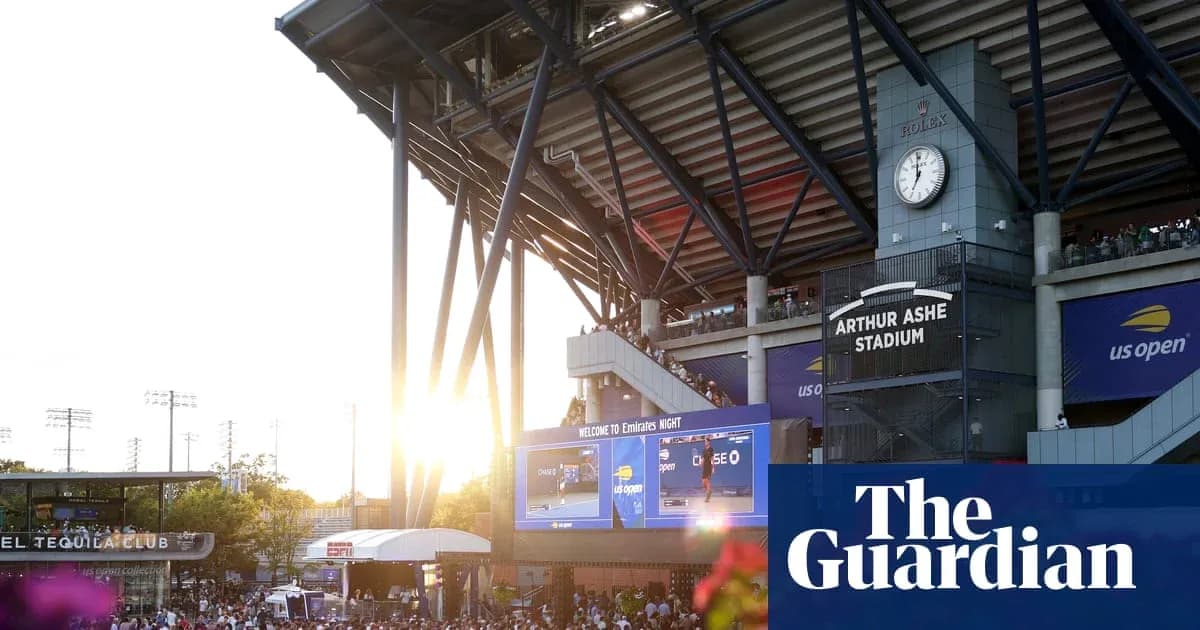
Even Arthur Ashe Stadium, ringed now by hospitality suites and Chase Sapphire lounges that creep ever closer to the rafters, offers a sliver of the old view. The 400 remaining non-premium seats are hardly luxurious – they never were – but from way up there, you can still make out a tennis match, a real one, taking place far below.
Enshittification or evolution?
Some call it enshittification. The industry prefers “premiumization.” The USTA’s own financial reports use a different word: growth. Tournament director Morgan Riddle insists the changes are about meeting fans where they are.
This isn’t a uniquely tennis story. Across the American sports map – Wrigley Field, the Rose Bowl, Belmont Park – ordinary seats have been ripped out and replaced by clubs, suites and hospitality decks because corporations and the ultra-wealthy will pay multiples of what displaced fans ever could. The US Open simply recognized that its fortnight had become one of the hottest tickets in the country and acted accordingly.
Can you blame a governing body, even a nonprofit one tasked with getting more kids to pick up a racquet, for chasing the money? Who wouldn’t cash in when 37-year-old Coco Gauff chases one last title and a sunset farewell? The demand is enormous. The revenue potential even bigger. The executives are handsomely paid to unlock every dollar.
Maybe Tiley was right when he leaned into the Disneyland line. Maybe the logical response to runaway success was to lean harder into it: build more suites, sell more experiences, accept that the US Open belongs as much to the once-a-year visitor chasing a ring-light Honey Deuce selfie as to the diehard who used to spend qualifying week roaming the outer courts for free, scouting the future.
The old place had its time. The question now is whether the sport can keep its soul while everything around it has a price.