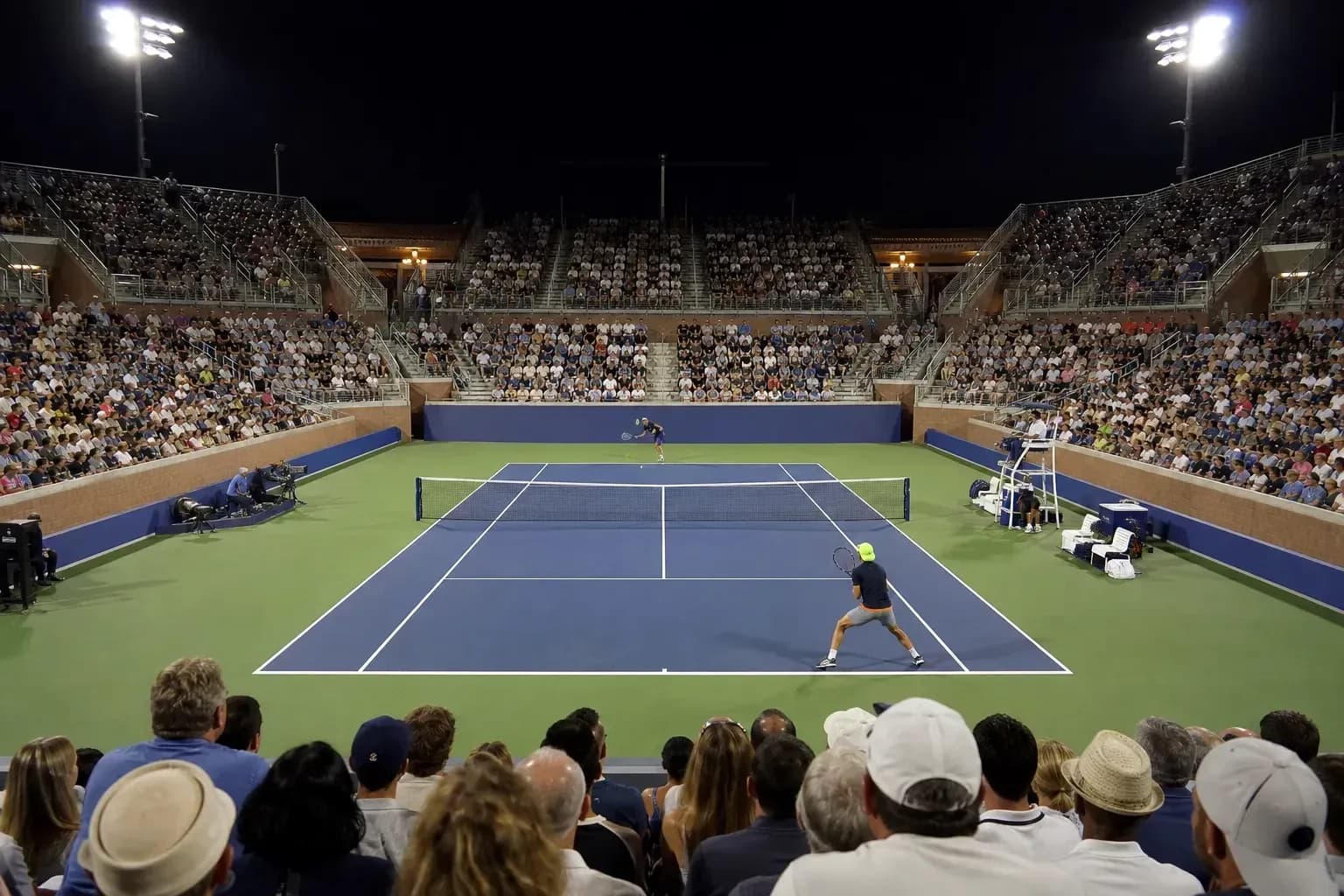
US Open Faces Criticism Over Late Night Matches
The US Open has always sold itself as tennis’ great night show. This year, the curtain is dropping closer to sunrise.
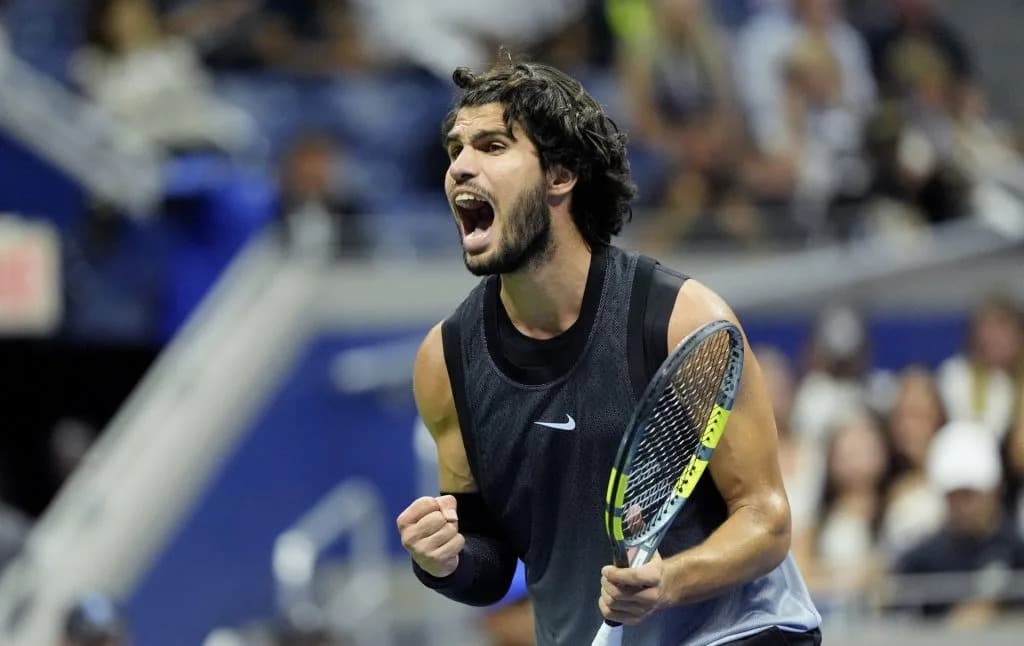
Organizers are facing sharp criticism after Ben Shelton’s stunning quarterfinal win over defending champion Carlos Alcaraz finished at 3:33 a.m. on Wednesday — the latest end in the tournament’s history. By the time Shelton sealed the upset, it was less a night session than an endurance test.
That match was not an isolated outlier. According to The Japan Times, three encounters in the opening week pushed past 2:00 a.m., while two others crept well beyond midnight. The latest start belonged to a match involving Venus Williams, which did not begin until 12:13 a.m.
For a sport obsessed with marginal gains, sleep is suddenly center stage.
Venus Williams: “Less than ideal”
Williams, 46 and one of the sport’s most respected voices, did not sugarcoat it after her first‑round loss to Sofia Kenin.
Starting a match after midnight, she said, was “less than ideal,” pointing out that she could not think of another major sport where athletes are routinely asked to begin competing that late. In her view, the schedule clearly has “room for improvement.”
Her frustration taps into a broader concern among players: late starts distort preparation, recovery, and performance. You can plan for a night match. Planning for one that begins after most restaurants close is another matter entirely.
Pegula widens the lens
American Jessica Pegula, ranked No. 3 in the world, pushed the debate beyond locker-room grumbling.
For her, the issue is not just about sore legs and tired minds the next day. She highlighted the knock-on effect on everyone involved: fans stuck in the stands into the small hours, broadcasters juggling schedules, tournament staff and media working through the night.
Pegula openly questioned the logic of playing into 2:00 a.m. and beyond, and floated a simple adjustment — move the evening session up by an hour. An earlier first ball, in theory, would cut the risk of another 3:33 a.m. finish without tearing up the tournament’s identity.
Organizers walk a tightrope
Tournament officials know Tuesday was not normal. One US Open representative described it as one of the most unusual days in the event’s history and accepted that the schedule needs a hard look.
The problem is New York itself.
Evening sessions currently start at 7:00 p.m., a time designed around the city’s working crowd. Push that earlier and you risk empty seats as fans battle rush-hour traffic to reach the Flushing Meadows complex. Keep it where it is and you gamble on matches that can sprawl well past midnight, especially in the men’s draw.
Organizers also have to juggle the flow between day and night sessions, managing tens of thousands of spectators moving in and out of the grounds. Change one lever and the entire system shifts.
Best-of-three debate gathers pace
One of the more radical ideas on the table targets the format itself.
Among the proposals being discussed is trimming men’s early-round matches from best-of-five sets to best-of-three. Shorter matches would naturally reduce the risk of epic late-night marathons, ease scheduling pressure, and lighten the physical load in the first week.
Not everyone is on board.
American Frances Tiafoe has thrown his support firmly behind keeping the traditional best-of-five format. For him, those long, twisting contests are woven into tennis history, the source of many of the sport’s greatest epics. Take away best-of-five, and you change the character of the men’s game at the majors.
That is the crux of the argument now facing the US Open: how far can it bend to modern demands — player welfare, broadcast windows, fan experience — without breaking what makes it unique?
The lights at Flushing Meadows will stay bright. The question is how often they should still be on when dawn is getting ready to break.