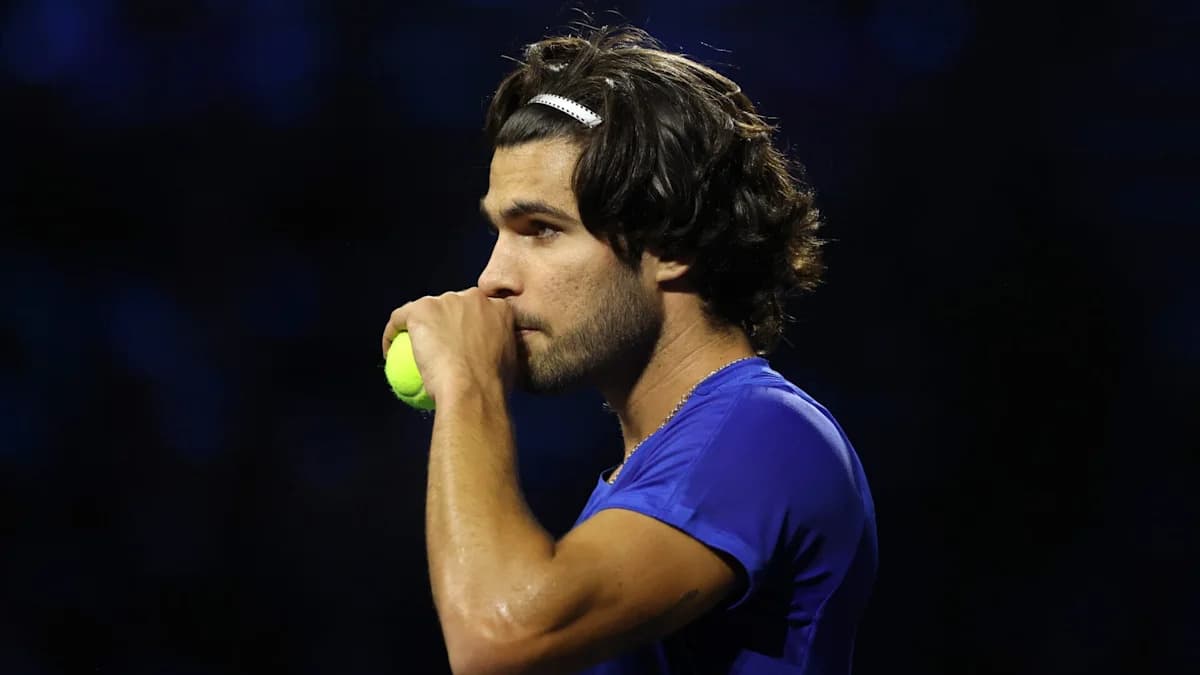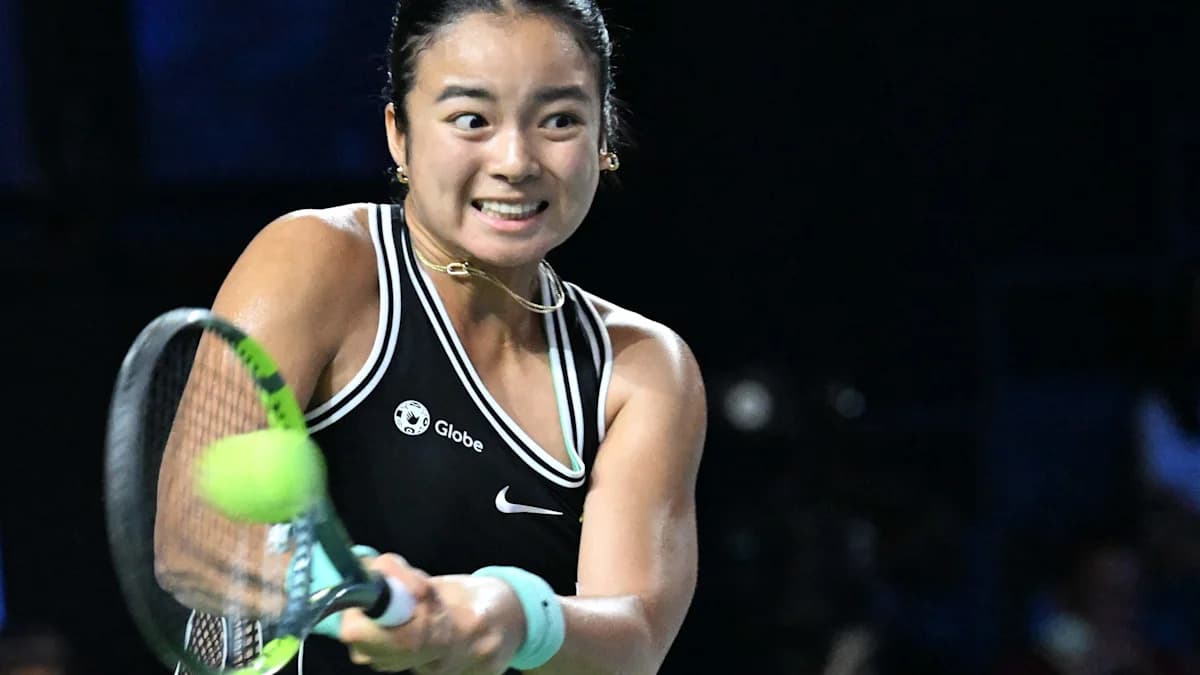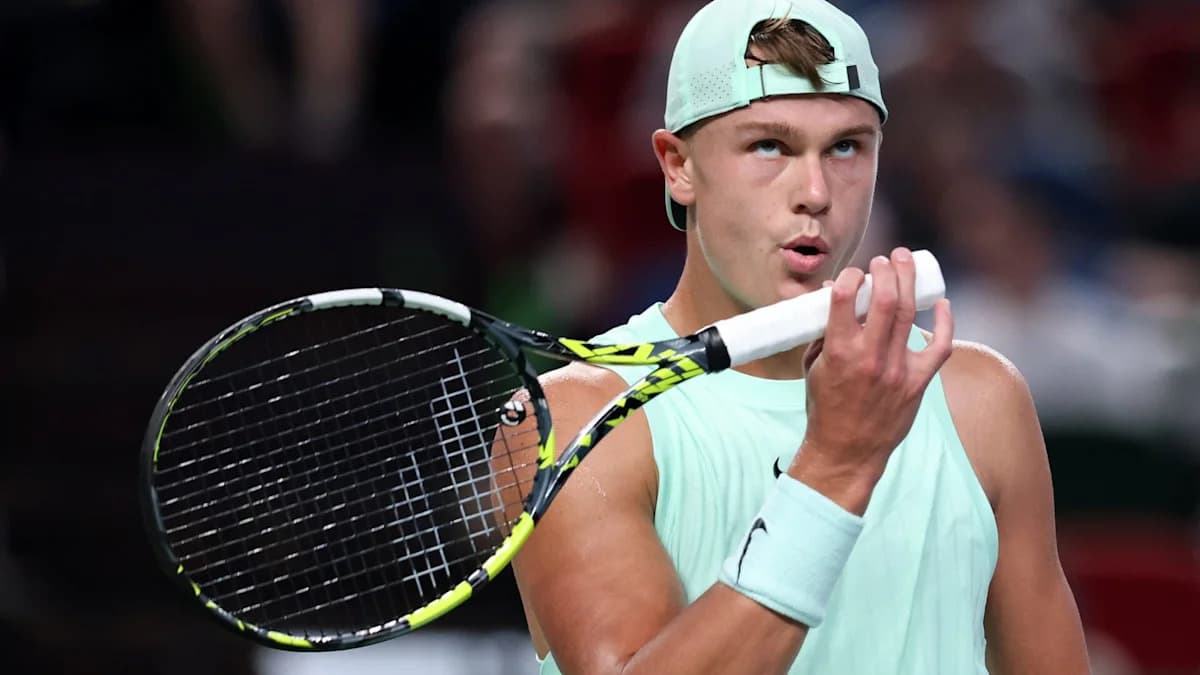
US Open's Midnight Madness: Zverev, Shelton, and the Cost of Night Tennis
New York likes to call itself the city that never sleeps. This year’s US Open is doing its best to prove it.
Night sessions at Flushing Meadows have always carried a certain chaos, but over this fortnight the schedule has tipped from theatrical to borderline absurd. Matches are starting when most of the city is going home and finishing when Manhattan is lacing up for work. Players chasing Grand Slam glory are stumbling into bed as commuters step onto the subway.
At some point, the showpiece has to ask itself: at what cost?
Zverev’s midnight marathon
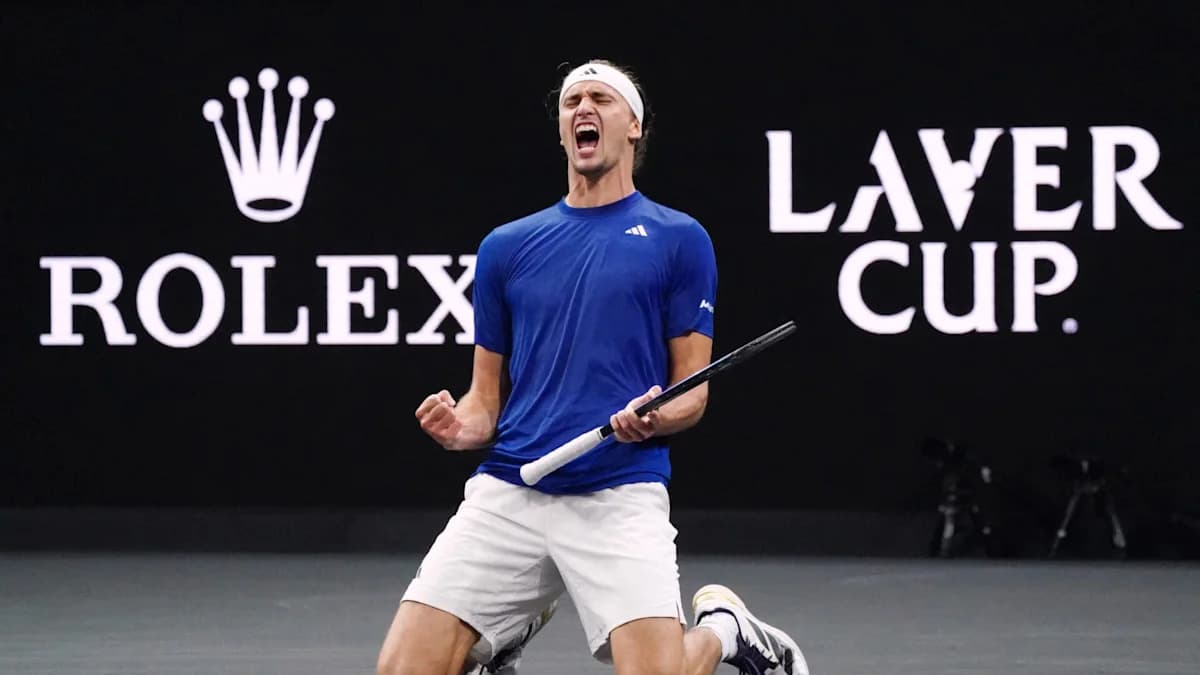
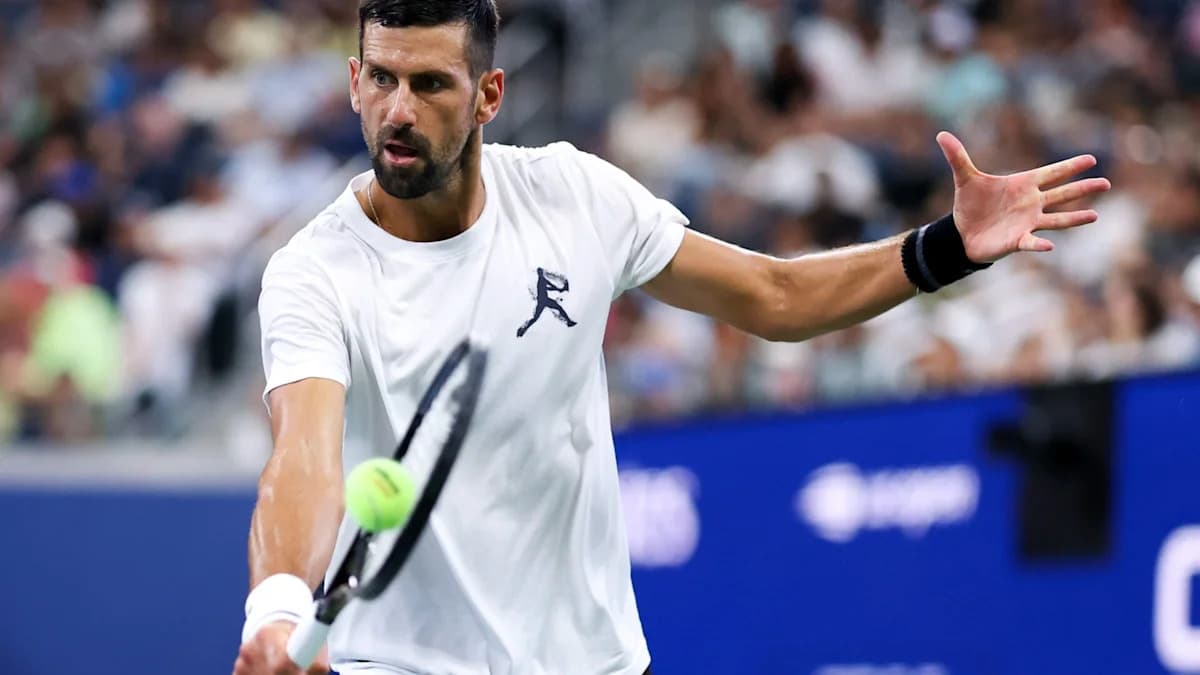
No one left in the men’s draw has lived the nocturnal grind quite like Alexander Zverev. The top seed has played five matches in New York; three of them have finished after 1am. On one occasion, he didn’t get to bed until 6:45am.
"I've been to bed as late as 6:45am in the past week so I'm kind of a bit jet-lagged," he said. "I feel like I'm playing the Australian Open in New York right now."
That is not a throwaway line. It’s a player in the thick of a Grand Slam semi-final run, describing his body clock as if he’s flown halfway around the world.
His semi-final against Karen Khachanov on Friday, scheduled not before 15:00 local time (20:00 BST), will be the first time Zverev has seen daylight tennis at this year’s US Open. Only now, deep into the second week, does he get a match that doesn’t bleed into the small hours.
Khachanov’s path could hardly be more different. The unseeded Russian has not been kept on court beyond midnight once. His quarter-final win over Alexander Blockx wrapped up shortly before 19:00 on Wednesday. He has slept at normal hours, eaten at normal times, and prepared like an athlete rather than a shift worker.
On paper, it’s the top seed against the outsider. In reality, one arrives with a semi-regular rhythm; the other has been fighting his own body clock as much as his opponents.
Shelton, Tiafoe and the 3:34am finish
The other side of the draw tells a similar story.
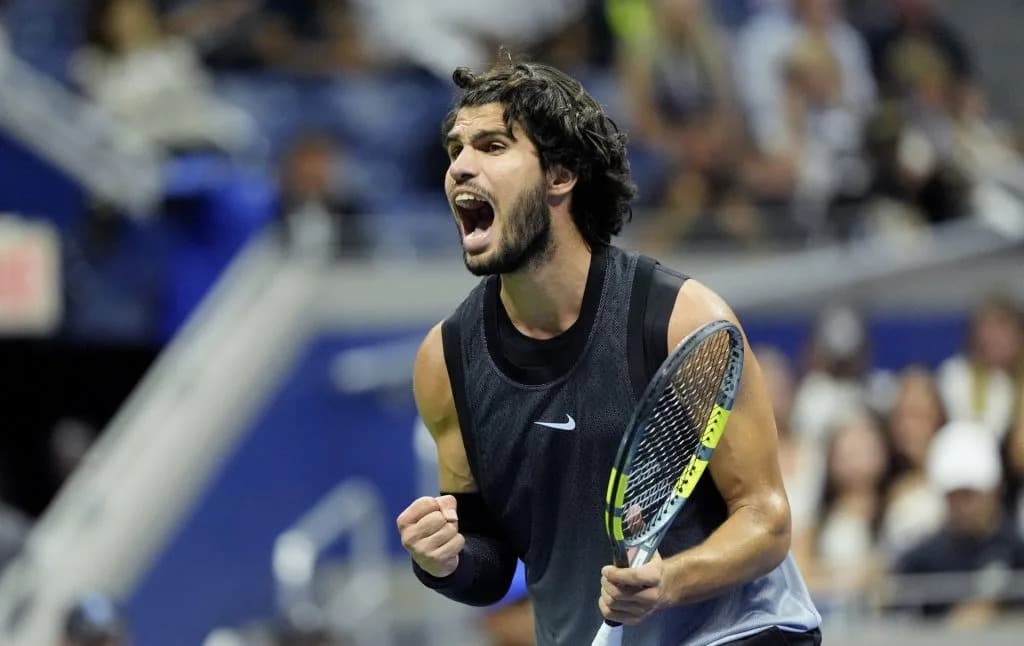
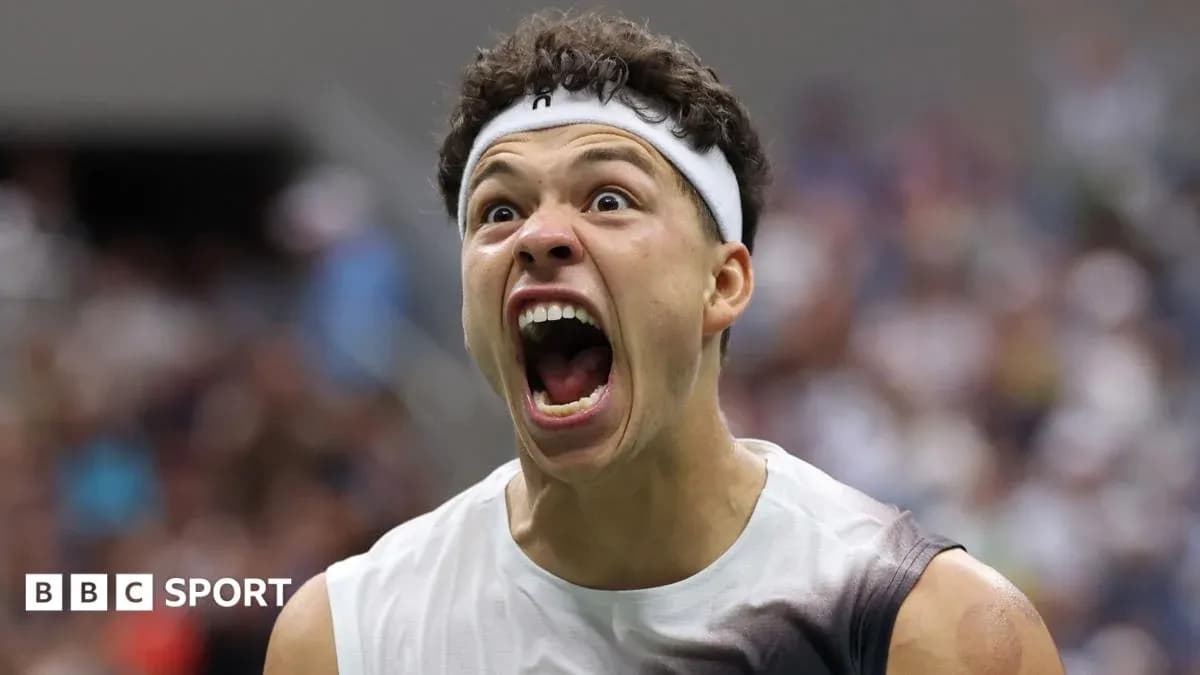
American eighth seed Ben Shelton completed his quarter-final win over Carlos Alcaraz at 3:34am on Wednesday. It was the latest finish in US Open history, a line in the record books that sounds glamorous until you imagine the recovery window that follows.
Shelton will face 11th seed Frances Tiafoe in Friday’s night session (19:00 local time/00:00 BST, Sat). Tiafoe’s route has been brutal in its own way – a five-set epic against compatriot Alex Michelsen – but crucially, he finished that match around 19:00 on Tuesday.
He had an evening. A meal at a normal hour. A proper night’s sleep.
That difference matters, says Matt Little, Andy Murray’s long-time former strength and conditioning coach.
"The advantage of the opponent who has played earlier in the day will be big - they've had that full evening's rest and a good night's sleep," he told BBC Sport. "We can all relate to it - if you have one really bad night's sleep, you have the knock-on effect of that for the coming days."
Shelton insists he will be "all right" after two days off court. The science, and the lived experience of players who have been here before, suggest he will need every hour.
"He'll have to be napping to catch up some sleep," Little said. On top of that, he will be loading up on carbohydrates and protein, trying to restore some kind of routine. Hydration, nutrition, sleep – the usual pillars of elite preparation – become damage limitation once the clock has rolled past 3am.
Murray’s warning from Melbourne
Tennis has seen this movie before.
In 2023, Andy Murray dragged himself through a five-set epic against Thanasi Kokkinakis at the Australian Open, finishing around 4am in what became the second-latest match in Grand Slam history. He managed just three hours’ sleep before returning to Melbourne Park at about 11am.
He called the situation a "farce". Few argued.
The fallout from that night forced some movement. The Australian Open reduced the number of day-session matches on the main courts from three to two, an attempt to prevent night sessions from being pushed back so far that they bleed into dawn.
The tours have also tried to draw a line. In early 2024, the ATP and WTA introduced rules preventing regular tour matches – best-of-three, not best-of-five like the Slams – from starting after 23:00. Those protections stop at the Grand Slam gates. The majors, including the US Open, operate under their own rules and their own commercial pressures.
The result in New York is a schedule that can look spectacular on television and brutal up close.
Records nobody wants
Last week, Venus Williams and Sofia Kenin walked on to court for their first-round match at 12:13am – the latest start in US Open history. It was not an isolated oddity. Over the first seven nights, three matches finished after 2am, three more after 1am.
Shelton’s win over Alcaraz pushed the limit even further, setting a new mark for the latest finish the tournament has ever seen.
"Something has got to give," said 18-time Grand Slam singles champion Martina Navratilova. "This is not OK and it is not normal."
Her words cut through the noise. This is not a fringe voice; it is one of the sport’s defining champions calling out a pattern that has become impossible to ignore.
Yet there is a counter-argument, and it is loud. To many, these nights are the soul of the US Open: the floodlights, the noise on Arthur Ashe Stadium, the New York crowd roaring past midnight as if it’s early evening. For them, the tournament’s identity is tied to these late finishes, a raucous sporting echo of the city that refuses to shut down.
This year, that identity has been dialled up. The volume of early-morning matches has climbed, even if Tuesday’s 3:34am finish had its own particular logic. All three preceding quarter-finals on Arthur Ashe – Aryna Sabalenka against Linda Noskova, Jessica Pegula against Emma Navarro, with Tiafoe’s win wedged between them – went the full distance. Every set pushed the schedule deeper into the night. By the time Shelton and Alcaraz walked out, the delay was baked in.
The spectacle delivered. The clock, once again, did not care.
Where does the line sit?
This is the tension gripping Flushing Meadows. The US Open wants to be the sport’s wild night out, the Slam that feels like a New York street party. Broadcasters want prime-time drama. Fans in the stadium want their money’s worth.
The players want a fair fight – and a few hours’ sleep.
Zverev staying up past 5am after his opening three wins, then choosing to stay awake to watch Shelton beat Alcaraz on his night off, tells its own story. Even the off days are being dragged into the nocturnal cycle. Recovery becomes guesswork. Body clocks are scrambled. The margins that decide semi-finals and finals are being tilted by the schedule as much as by tactics.
Tournament directors can point to freakish runs of five-setters and tight contests as the cause. Coaches and players can point to exhausted bodies and skewed preparation. Somewhere between those two positions lies the future of night tennis at the Slams.
For now, New York leans into its image, the city and its tournament locked in the same rhythm: loud, late, relentless.
But as semi-finalists stagger into bed at sunrise and legends of the game call the situation "not normal", the question grows sharper: how long can the sport keep selling the romance of the night without finally paying the price on court?